
Understanding Measurement & Detection in Flow Analysis
Measurement & Detection systems for flow analysis represent one of the most underutilized diagnostics in industrial maintenance. While pressure and temperature monitoring have become routine, flow measurement often remains reactive—only deployed when problems become obvious. For maintenance teams in Singapore's demanding climate, this gap creates unnecessary downtime, energy waste, and accelerated equipment degradation.
Flow measurement detects how much air or fluid moves through your HVAC distribution system. Unlike static pressure readings that tell you how hard your system is working, flow measurement reveals whether air is actually reaching the right locations at the right velocity. This distinction matters because a system can appear pressurized while delivering inadequate airflow to critical zones.
With over 35 years of experience supplying industrial equipment across Asia-Pacific, 3G Electric has observed that maintenance teams often underestimate flow diagnostics. Yet when properly implemented, flow measurement becomes your early warning system for ductwork restrictions, damper failures, filter degradation, and fan performance loss—all conditions that accelerate wear on compressors and coils.
Practical Flow Measurement Techniques for HVAC Systems
Direct Measurement with Averaging Probes
The most practical approach for maintenance teams is deploying averaging flow probes at strategic measurement points. The Dwyer Metal Average Flow Probe MAFS-16 measures static and total pressure across 16 cm of probe length, capturing representative flow data across the duct cross-section rather than relying on single-point readings.
Here's how maintenance teams implement this effectively:
Probe Placement Strategy:
- Install probes at least 3 duct diameters downstream from bends, dampers, or direction changes
- Position probes perpendicular to flow to capture undisturbed velocity profiles
- For rectangular ducts, mount probes along the centerline; for circular ducts, position at the geometric center
- Mark probe locations permanently so repeat measurements remain comparable
- Record velocity pressure and static pressure simultaneously
- Convert velocity readings to actual flow rates using duct cross-sectional area
- Baseline these readings when systems are new or after major repairs
- Schedule quarterly or semi-annual re-measurement to track degradation trends
This data becomes your diagnostic foundation. When flow decreases 15-20% below baseline, you've identified a problem requiring investigation—likely a filter change, damper adjustment, or ductwork obstruction.
Integrated Pressure Detection for Flow Diagnostics
Flow analysis requires simultaneous measurement of multiple pressure parameters. The Dwyer Differential Pressure Transmitter 616KD-13V-TC measures differential pressure across 0–1 IN W.C with 21 mA maximum power consumption, making it ideal for monitoring pressure drop across filters, coils, or ductwork sections.
Maintenance teams should implement this tiered approach:
System-Level Monitoring:
- Install transmitters to monitor pressure drop across the entire air handler unit
- This reveals when filters require changing (typically 0.4–0.6 IN W.C pressure rise indicates saturation)
- Track pressure trends over time; increasing baseline readings suggest ductwork contamination
- Deploy transmitters across damper zones to verify pressure balance
- Imbalanced pressures indicate damper failures, blocked ductwork, or improper zone configuration
- This prevents hot/cold spots and reduces system cycling frequency
- Monitor pressure drop across heating/cooling coils (baseline vs. current readings)
- Early coil fouling shows as increased pressure drop before efficiency loss becomes noticeable
- Enables scheduling coil cleaning before emergency maintenance becomes necessary
Temperature Integration in Flow Analysis
Flow measurement gains analytical power when combined with temperature detection. The Dwyer PT100 OHM RTD Temperature Probe AVG-21241 delivers ±0.6% accuracy across -35.5 to +115.5°C operating range, suitable for monitoring air temperatures throughout distribution systems.
Maintenance teams combine flow and temperature data to calculate:
Actual Heat Transfer Performance:
- Measure airflow velocity and temperature differential across cooling/heating coils
- Compare actual vs. nameplate capacity to quantify efficiency degradation
- Identify when coils require cleaning or component replacement
- Measure supply air temperature at multiple distribution points
- Excessive temperature rise in ducts indicates insulation failure or inadequate sizing
- Temperature variance between zones reveals damper failures or control system issues
- Correlate airflow, temperature rise/fall, and outdoor conditions
- Identify when refrigeration systems are cycling excessively due to undersized equipment or control failures
- Justify upgrade recommendations with quantified performance data
Measurement & Detection Integration with Pressure System Maintenance
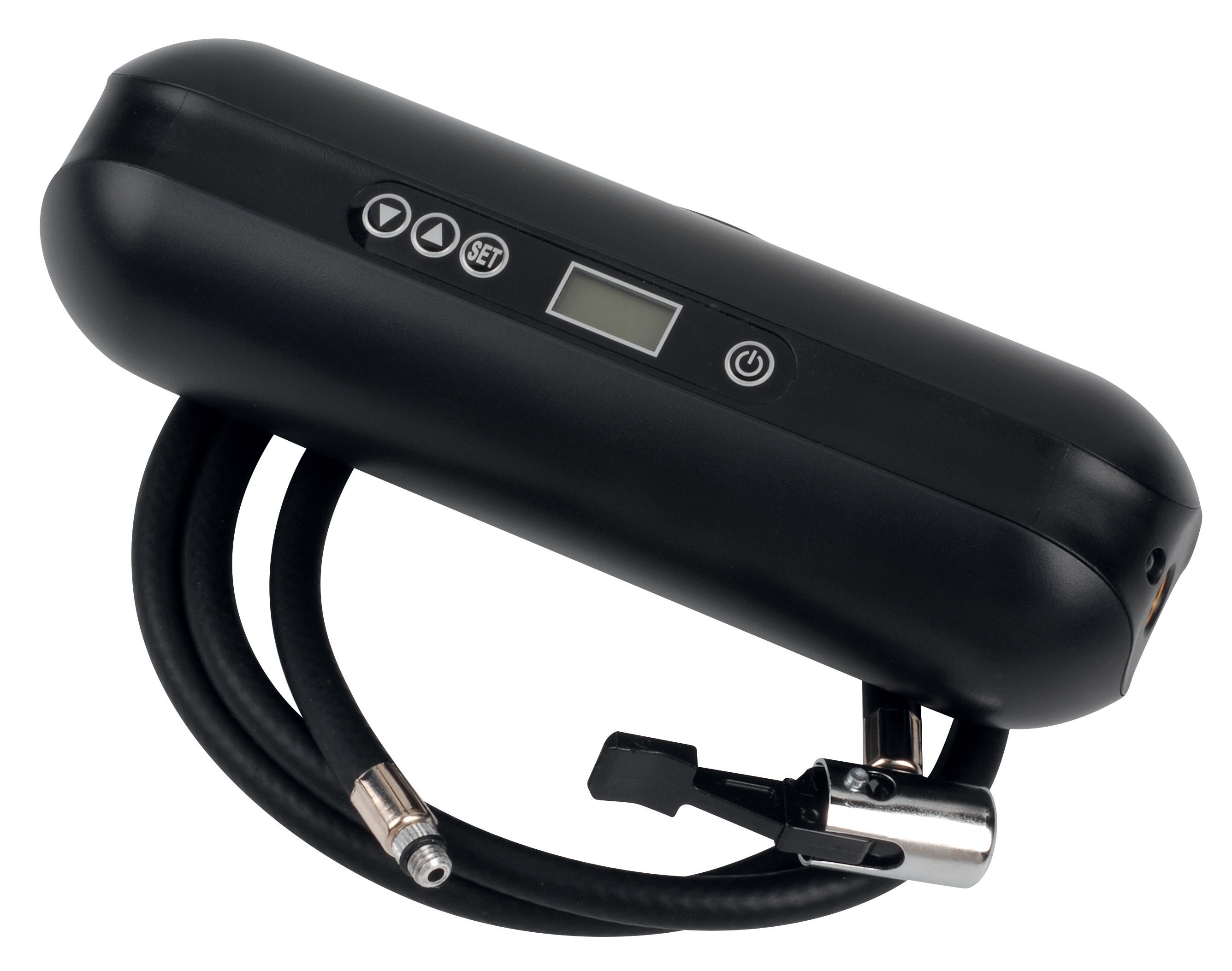
Flow analysis connects directly to expansion tank and pressure management. The CBM Expansion Tank Inflator Battery 2000 mAH supports precise tank pressurization to system requirements, but teams must understand that incorrect pre-charge pressures directly impact system flow characteristics.
When expansion tanks are under-pressurized:
- System pressure fluctuates more dramatically
- Pump cavitation increases, reducing effective flow
- Automatic air vents struggle to release trapped air, creating flow restrictions
Measurement & Detection workflows should include:
Pressure System Baseline:
- Use the Preciman Stainless Steel Vertical Pressure Gauge D63 0/+40 Mbar to establish accurate pre-charge pressures
- This low-pressure gauge covers expansion tank and low-pressure detection systems
- Record initial readings; monitor for slow pressure loss indicating tank failure
- When flow measurements decline unexpectedly, cross-reference expansion tank pressure
- Verify pump discharge pressure is stable and within manufacturer specifications
- Low or declining discharge pressure often indicates pump cavitation caused by inadequate pre-charge
- Check expansion tank pre-charge pressure at system startup and quarterly thereafter
- Monitor system pressure gauges during operation to identify erratic readings
- Replace tanks showing persistent pressure loss (>1 bar decline over 6 months)
Creating a Sustainable Measurement & Detection Program
Documentation and Trending
Measurement & Detection becomes most valuable when data is systematically recorded and analyzed. Effective programs maintain:
Historical Records:
- Baseline flow measurements for all critical distribution points
- Pressure drop readings across filters, coils, and dampers
- Temperature readings at supply and return locations
- Equipment nameplate capacity data for comparison calculations
- Plot measurements on time-based graphs (monthly or quarterly intervals)
- Identify linear degradation patterns (indicating predictable maintenance timing)
- Spot sudden changes (signaling unexpected failures requiring immediate investigation)
- Calculate rate of change to predict when replacement becomes necessary
Team Training and Procedures
Measurement & Detection quality depends on consistent technique. Your maintenance team should:
- Understand measurement point selection logic and safety requirements
- Know how to properly install and remove flow probes without system disruption
- Recognize which parameters indicate normal operation vs. developing problems
- Document findings in standardized formats enabling easy comparison
- Escalate readings falling outside acceptable ranges to engineering review
Equipment Selection Principles
When specifying measurement tools, maintenance teams balance accuracy requirements against operational constraints:
For HVAC Flow Diagnostics:
- Averaging probes (like the MAFS-16) provide representative data with minimal installation complexity
- Differential pressure transmitters support both real-time monitoring and single-point diagnostics
- Temperature probes integrate into comprehensive system analysis workflows
- Low-pressure gauges enable quick visual assessment of expansion tank and pre-charge conditions
- Battery-powered inflators (like the MES20002) ensure accurate pressurization during maintenance
- Transmitters support continuous monitoring when downtime risks justify installation cost
3G Electric's 35+ years of experience sourcing industrial measurement equipment means we understand which tools actually deliver value in challenging Southeast Asian operating conditions—high humidity, temperature extremes, and equipment operating beyond original design parameters.
Action Items for Implementation
Maintenance teams ready to enhance their Measurement & Detection capabilities should:
1. Identify Critical Distribution Points – Map your HVAC system and select 4-6 flow measurement locations representing major zones and coil sections
2. Establish Current-State Baseline – Deploy averaging probes to measure existing flow rates, documenting velocity, pressure drop, and temperature at each location
3. Calculate Performance Envelope – Compare actual flow and pressure to manufacturer specifications, identifying discrepancies requiring investigation
4. Implement Quarterly Monitoring – Schedule regular measurement intervals (typically 3-month cycles) to track degradation and validate maintenance effectiveness
5. Integrate with Pressure Management – Ensure expansion tank pre-charge and system pressure readings are verified alongside flow measurements
6. Train Team Members – Develop standardized procedures for probe installation, measurement technique, and data recording to ensure consistency
7. Review and Adjust – After 6-12 months of data collection, analyze trends and refine your measurement schedule based on observed degradation rates
Measurement & Detection transforms from occasional troubleshooting into predictive maintenance capability. Your team gains the ability to schedule maintenance before failures occur, optimize system performance continuously, and justify capital investments with quantified performance data.