
Understanding Measurement & Detection in Modern Plant Operations
Measurement & Detection systems form the backbone of modern industrial operations, providing the data necessary for informed decision-making, predictive maintenance, and regulatory compliance. For plant managers in Singapore's competitive manufacturing environment, having accurate, real-time visibility into critical operational parameters is no longer optional—it's essential.
With over 35 years of experience supplying industrial equipment to plants across Southeast Asia, 3G Electric has witnessed firsthand how effective Measurement & Detection strategies transform operational outcomes. Plants that invest in comprehensive monitoring systems experience significant improvements in equipment reliability, energy efficiency, and safety compliance.
Measurement & Detection encompasses more than simple gauges on pipes. Modern systems integrate temperature sensors, pressure transmitters, flow probes, and digital monitoring platforms that communicate data across your facility. This integrated approach enables plant managers to identify trends, anticipate failures, and optimize resource allocation before problems escalate into costly downtime.
Implementing a Multi-Parameter Monitoring Strategy
Core Parameters Every Plant Manager Should Monitor
Successful plant operations depend on tracking several interconnected parameters simultaneously. The most critical measurements include:
Temperature Monitoring: Temperature fluctuations often signal equipment stress, thermal imbalances, or pending failures. In HVAC systems, process cooling loops, and manufacturing equipment, temperature accuracy directly impacts product quality and equipment longevity. The Dwyer PT100 RTD temperature probe provides ±0.6% accuracy across a wide operating range (-35.5 to +115.5°C), making it suitable for both ambient monitoring and direct process measurement applications.
Pressure Management: Pressure readings indicate system health, efficiency, and safety. Whether monitoring expansion tanks, compressed air systems, or pneumatic circuits, accurate pressure detection prevents seal failures, energy losses, and safety incidents. The Preciman stainless steel vertical pressure gauge offers reliable low-pressure monitoring with ±1.6% accuracy, ideal for facilities requiring durable, corrosion-resistant measurement in humid Singapore environments.
Flow Rate Analysis: Flow measurement reveals whether systems are operating at design efficiency. In HVAC systems and process loops, flow data helps identify blockages, pump degradation, and distribution imbalances before they impact production. The Dwyer metal average flow probe MAFS-16 measures both static and total pressure across distribution systems, enabling precise flow calculations.
Differential Pressure Tracking: Differential pressure indicates filter loading, heat exchanger fouling, and system resistance. The Dwyer differential pressure transmitter 616KD-13V-TC measures pressure differentials from 0–1 IN W.C with minimal power consumption (21 mA max), making it ideal for battery-powered monitoring networks.
Integrating Portable and Permanent Monitoring
Effective plant monitoring combines fixed installation sensors with portable detection equipment. Fixed sensors provide continuous data streams for critical systems, while portable instruments allow plant managers and maintenance teams to investigate specific areas and validate fixed sensor readings.
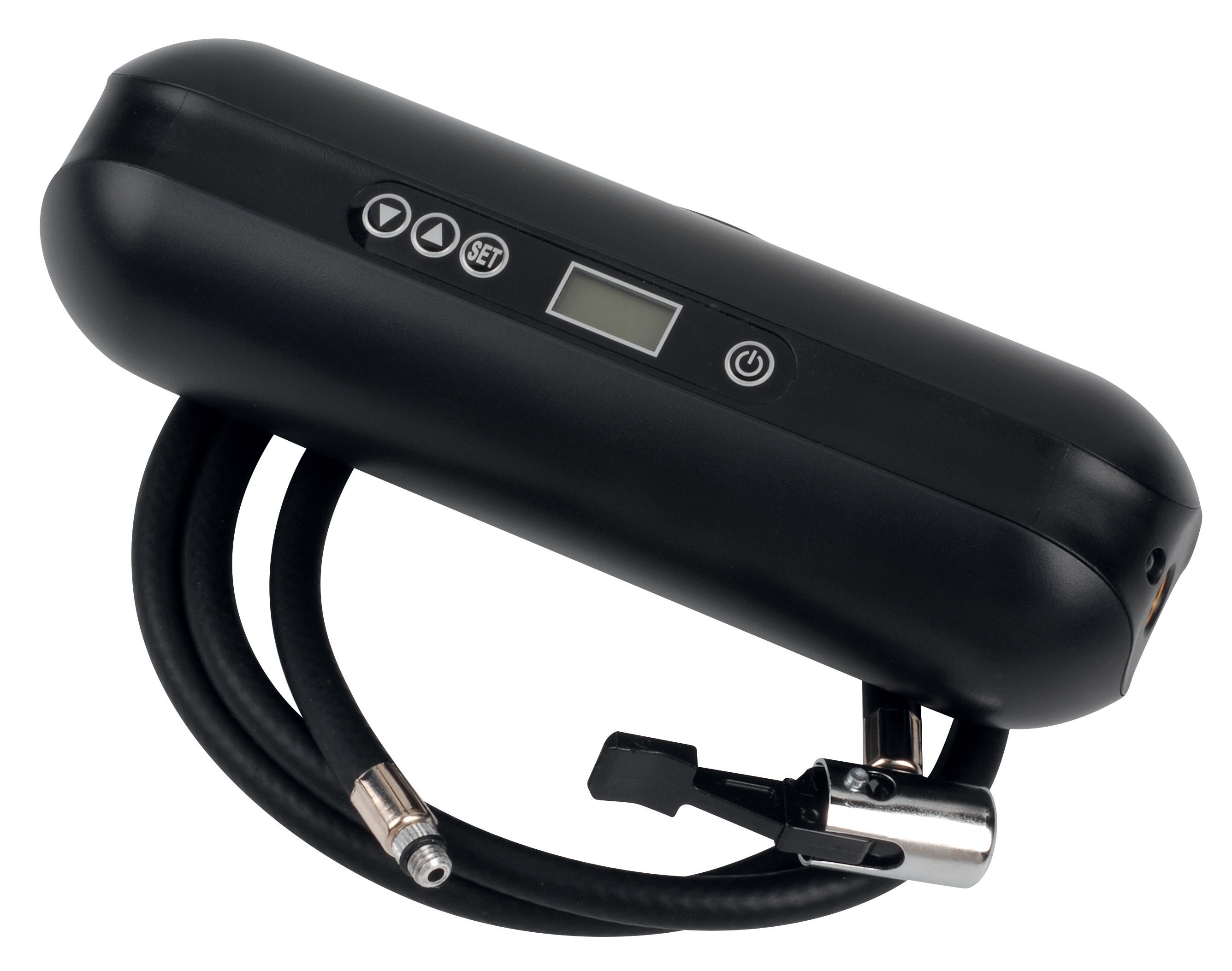
Portable equipment like the CBM expansion tank inflator with 2000 mAH battery enables technicians to quickly assess tank conditions and verify pressure settings across multiple locations without disrupting operations. Operating across -20 to 60°C with support for multiple pressure units, this tool adapts to Singapore's tropical climate and diverse industrial applications.
The strategy: install permanent transmitters on mission-critical systems, use portable detectors for regular facility surveys, and establish a maintenance schedule that compares fixed and portable readings to validate sensor accuracy over time.
Creating an Effective Measurement & Detection Program
Establishing Baseline Performance Data
Before implementing changes, document baseline measurements for all critical systems. Record temperature, pressure, and flow data under normal operating conditions, during peak demand, and during reduced-load periods. This historical baseline becomes your reference point for identifying abnormal conditions.
Plant managers should create a measurement baseline that includes:
- Normal operating ranges for each critical parameter
- Expected seasonal variations
- Acceptable alarm thresholds
- Response protocols when measurements exceed thresholds
- Calibration schedules for measurement devices
With over 35 years of experience supporting Singapore's industrial sector, 3G Electric understands that measurement programs must account for local conditions—tropical humidity, seasonal variations in ambient temperature, and facility-specific operating patterns.
Designing Your Measurement Network
Where should measurement points be located? Plant managers should prioritize:
Equipment Inlet and Outlet Monitoring: Measure temperature and pressure at equipment inlets and outlets to calculate heat transfer, cooling efficiency, and energy consumption. This data reveals when equipment requires cleaning or maintenance.
System Distribution Points: In piping systems, air distribution networks, and process loops, strategic measurement points reveal whether fluid flows uniformly or shows blockages in specific branches. The Dwyer MAFS-16 flow probe installed in ductwork or process piping provides visibility across distribution systems.
Critical Component Zones: Position sensors near bearings, seals, compressors, and heat exchangers—areas prone to failure. Temperature and vibration monitoring in these zones provides early warning of degradation.
Environmental Monitoring: Track ambient temperature, humidity (relevant in Singapore's tropical climate), and inlet air quality. Environmental data contextualizes equipment performance and helps distinguish between system problems and external factors.
Data Collection and Response Procedures
Measured data is only valuable if plant managers actually use it. Establish clear procedures:
1. Automated Monitoring: Pressure transmitters and temperature sensors should log data continuously to a central system, with automatic alerts when readings exceed safe ranges.
2. Regular Manual Checks: Assign maintenance staff to record readings from portable instruments weekly or monthly, depending on equipment criticality. This creates a secondary verification system and builds team familiarity with equipment behavior.
3. Trend Analysis: Compare current readings against historical baselines and equipment manufacturer specifications. Upward or downward trends often precede failures by weeks or months, allowing time for planned maintenance.
4. Response Escalation: Define what happens when measurements exceed alarm thresholds. Does the system shut down automatically? Does maintenance investigate immediately? Is production notified? Clear protocols prevent both over-reaction and dangerous delays.
Practical Implementation for Singapore Plant Managers
Accounting for Singapore's Operating Environment
Singapore's tropical climate, high humidity, and year-round warm temperatures create specific measurement challenges:
Humidity Effects: High moisture can affect electrical components and sensor readings. Select measurement devices with appropriate IP ratings and sealed connections. The Preciman stainless steel pressure gauge features materials specifically rated for corrosive, humid environments.
Temperature Stability: While Singapore doesn't experience extreme cold, temperature variations between air-conditioned facilities and outdoor areas can create condensation. Ensure temperature sensors are properly installed with thermal insulation where needed.
Tropical Equipment Degradation: Equipment degrades faster in humid climates. More frequent measurement intervals and more aggressive preventive maintenance schedules ensure reliability.
Staff Training and Measurement Literacy
Plant managers must ensure maintenance teams understand measurement systems:
- What each sensor measures and its accuracy limits
- How to read analog gauges and digital displays
- When to suspect sensor failure versus actual equipment problems
- How to properly document and report measurements
- When measurements warrant immediate action versus trend monitoring
Invest in training for both permanent staff and contractors. A maintenance team that understands measurement systems catches problems earlier and provides higher-quality data.
Budgeting for Long-Term Program Success
Effective Measurement & Detection programs require ongoing investment:
Initial Capital: Budget for sensors, transmitters, gauges, data loggers, and installation labor. The Dwyer 616KD-13V-TC transmitter and Dwyer PT100 RTD probe represent solid mid-range investments offering reliability and accuracy.
Ongoing Calibration: Measurement devices drift over time and require regular calibration against certified standards. Budget 10-15% of initial measurement equipment cost annually for calibration, replacement, and repairs.
Software and Data Management: Invest in systems that collect, store, and analyze measurement data. Spreadsheets work initially, but industrial-grade data management systems pay for themselves through improved maintenance efficiency.
Staff Time: Budget for staff to regularly check measurements, analyze trends, and act on findings. Measurement systems create no value if data sits unreviewed.
Conclusion: Measurement & Detection as Competitive Advantage
For Singapore plant managers competing in global markets, Measurement & Detection systems represent a critical competitive advantage. Plants with real-time visibility into operational parameters reduce unplanned downtime, optimize energy consumption, extend equipment life, and maintain superior product quality.
3G Electric's 35+ years in the industrial equipment distribution sector demonstrates that successful plants don't rely on luck or intuition—they rely on accurate, comprehensive measurement and detection strategies. By implementing the multi-parameter monitoring approach outlined in this guide, establishing clear data management procedures, and investing in both equipment and staff training, plant managers can transform raw measurement data into actionable intelligence.
The cost of a comprehensive Measurement & Detection program is modest compared to the cost of a single unplanned equipment failure or safety incident. Start with your most critical systems, build expertise, and expand monitoring as resources allow. Your facility's operational excellence depends on what you measure and how effectively you respond to that data.