Understanding Measurement & Detection in Modern Industrial Operations
Measurement & Detection capabilities have evolved from basic analog readings to sophisticated systems that integrate with industrial IoT platforms and predictive analytics frameworks. For procurement engineers managing multi-site operations, understanding the technical specifications, regulatory compliance requirements, and total cost of ownership becomes critical for informed purchasing decisions.
With over 35 years of experience distributing industrial equipment globally, 3G Electric recognizes that Measurement & Detection instrument selection directly impacts equipment uptime, safety compliance, and operational margins. The modern procurement challenge extends beyond simply acquiring instruments—it requires establishing standardized protocols across dispersed facilities, managing calibration schedules, and ensuring compatibility with existing monitoring infrastructure.
The foundation of any effective Measurement & Detection program rests on three pillars: instrument accuracy and repeatability, environmental suitability, and integration capability with existing systems. Procurement engineers must evaluate each element within their specific operational context, considering factors such as facility location, measurement frequency, environmental conditions, and personnel expertise.
Thermal Measurement Systems: Selection Criteria and Procurement Specifications
Temperature monitoring represents one of the most critical Measurement & Detection functions in industrial operations. From HVAC system verification to bearing temperature monitoring and process fluid tracking, thermometer selection directly influences equipment longevity and safety outcomes.
Matching Thermometer Specifications to Operational Requirements
Procurement engineers frequently encounter specifications that appear similar but deliver substantially different performance characteristics. Consider these essential parameters when evaluating thermal Measurement & Detection instruments:
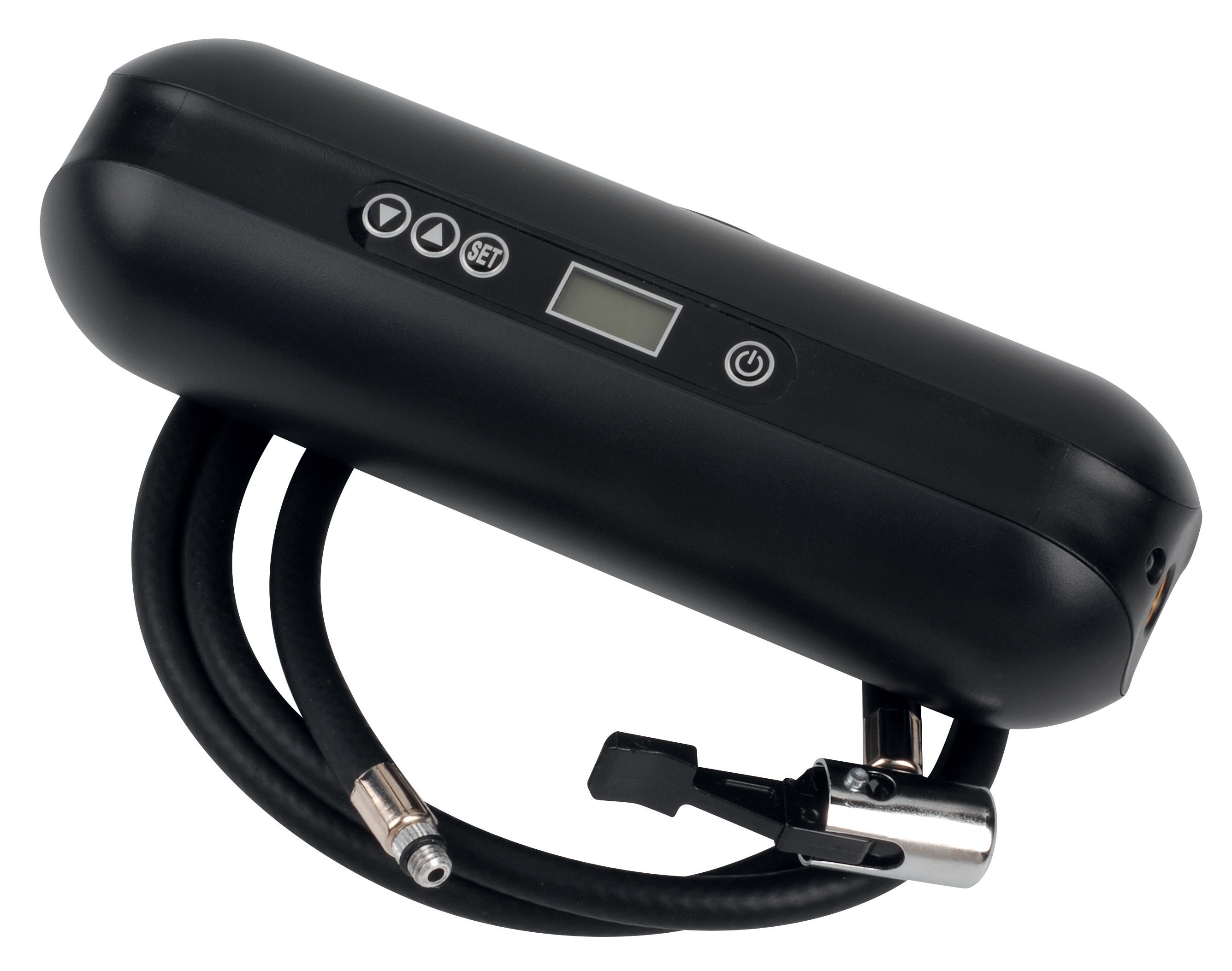
Temperature Range Requirements: Different facility zones demand different instruments. Expansion tank systems, for instance, require precision monitoring across limited ranges with high accuracy. The CBM Expansion Tank Inflator Battery 2000 mAH addresses this specialized need by providing dedicated measurement capabilities for pressurized expansion tank systems—a critical element often overlooked in general thermal monitoring programs.
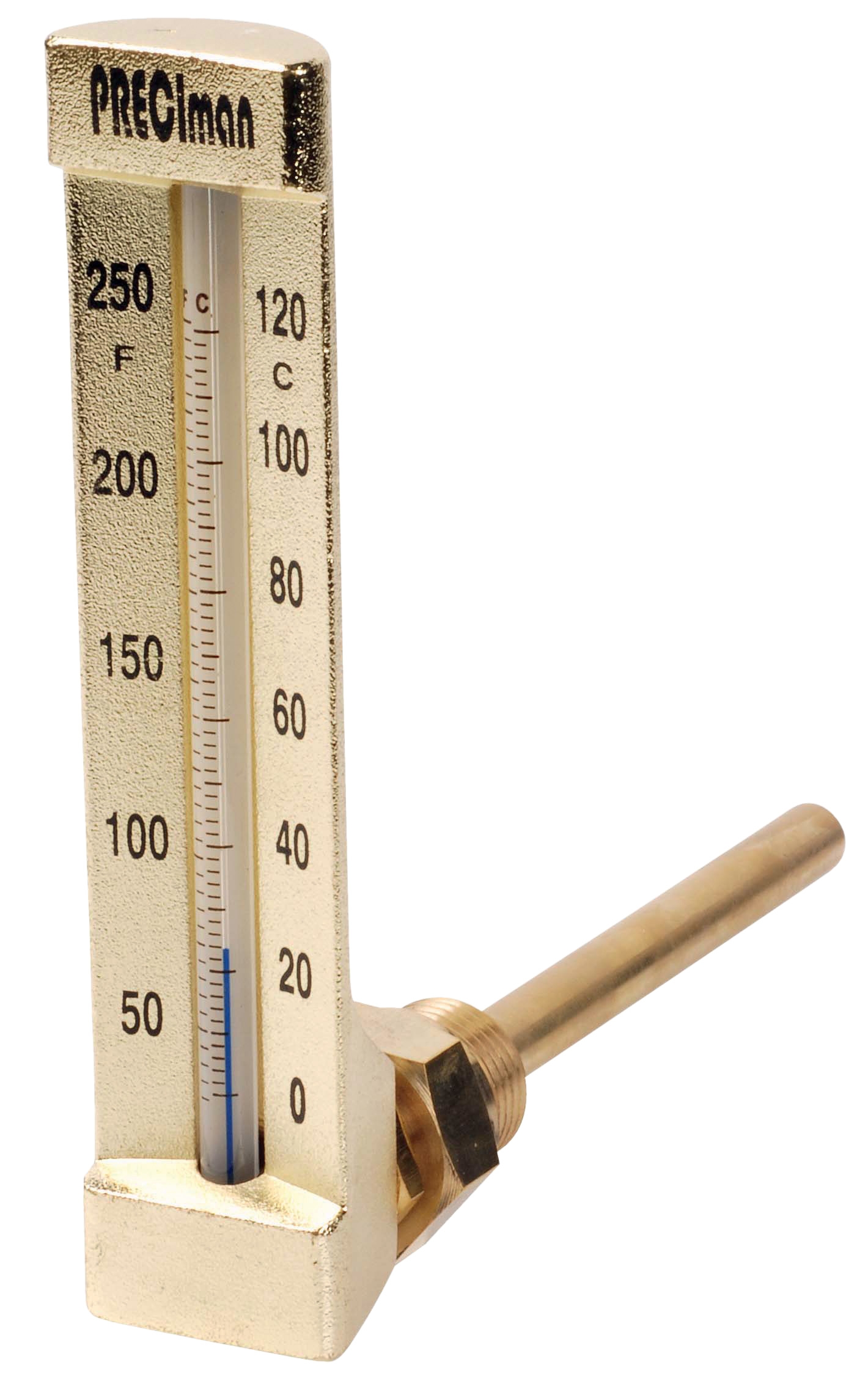
Immersion Length and Thermowell Configuration: Industrial facilities typically operate at varying fluid depths. A CBM Axial Thermometer D65 -40/+40°C L5cm with Thermowell suits compact applications such as circulation pump discharge monitoring, while larger distribution systems may require extended immersion lengths. The CBM Industrial Thermometer 0/+50°C Immersion 63 Right Angle Height 150 provides the immersion depth and structural support necessary for process vessels and storage tanks where temperature stratification affects readings.
Display Visibility and Environmental Durability: The CBM Green Vertical Thermometer D80 -30/+50°C L10cm with Thermowell combines enhanced visibility through color-coded design with superior readability in challenging lighting conditions—a procurement consideration often underestimated when facilities operate in industrial environments with poor natural illumination or high ambient light conditions.
Establishing Thermal Measurement Standards
Procurement engineers should establish facility-wide specifications rather than purchasing instruments reactively. This approach yields three concrete benefits:
- Calibration Standardization: Facilities using identical instrument models can schedule simultaneous calibration events, reducing downtime and administrative complexity.
- Personnel Training Efficiency: Maintenance staff require training on specific instruments. Standardized Measurement & Detection equipment reduces training burden and improves reading accuracy.
- Spare Parts Management: Maintaining appropriate spare inventory for standardized instruments reduces emergency procurement costs and ensures continuity during equipment failure.
When developing procurement specifications, document the expected measurement frequency, acceptable accuracy tolerance (typically ±1-2°C for industrial applications), thermowell material compatibility (stainless steel for corrosive environments, brass for standard applications), and connection thread specifications (M10, M14, or NPT depending on regional standards).
Electrical Measurement & Detection: Multimeter Selection for Industrial Environments
Electrical troubleshooting and verification represent essential Measurement & Detection functions that protect equipment and personnel while reducing downtime. Modern industrial multimeters have transitioned from simple voltage/resistance measurement to sophisticated diagnostic instruments capable of measuring AC/DC voltage, current, resistance, capacitance, and frequency—with automatic ranging and data logging capabilities.
Why Automatic Multimeter Selection Matters for Procurement
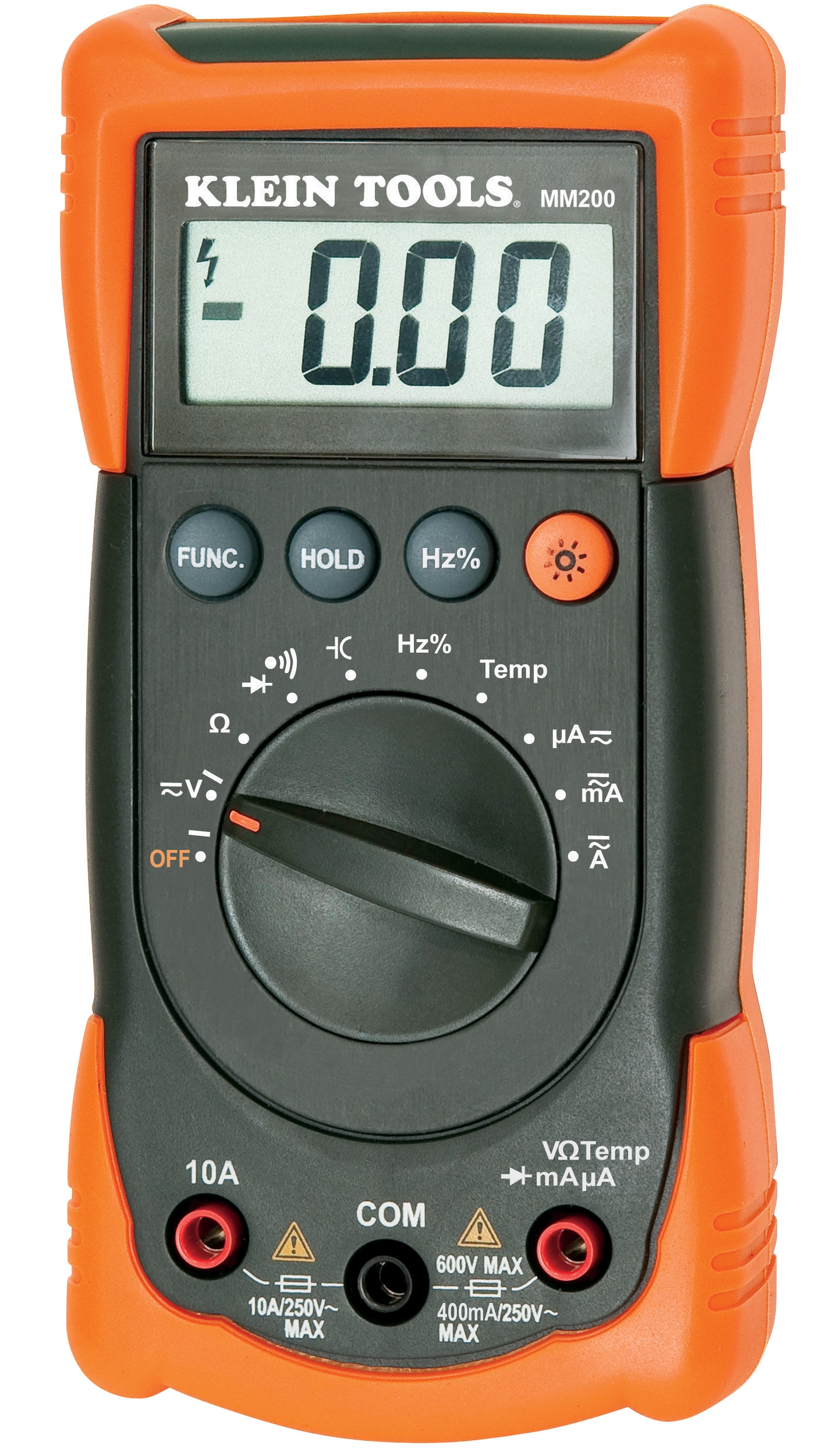
The CBM Automatic Multimeter MM420 exemplifies modern Measurement & Detection design specifically engineered for industrial field conditions. Automatic multimeters eliminate operator selection errors—a significant cause of field measurement inaccuracy. When technicians field-select measurement ranges, they frequently choose inappropriate settings, generating invalid readings that trigger unnecessary troubleshooting cycles.
Automatic-ranging multimeters address this through intelligent circuit detection that selects appropriate measurement parameters. For procurement engineers, this translates to tangible benefits:
Reduced Training Requirements: New technicians generate accurate measurements immediately, without extensive training on range selection protocols.
Improved Safety Compliance: Many industrial facilities operate 480V or higher systems. Automatic multimeters include safety algorithms that prevent dangerous measurement attempts and provide clearer warning indicators than manual-range instruments.
Enhanced Data Quality: Measurement & Detection programs depend on reliable data. Automatic instruments reduce the human factors that degrade data integrity and complicate root cause analysis.
Procurement Specifications for Multimeter Selection
When evaluating electrical Measurement & Detection instruments, procurement engineers should verify these critical specifications:
- True RMS Measurement Capability: Essential for non-sinusoidal waveforms common in variable frequency drive systems and LED lighting circuits. Standard averaging multimeters generate 20-40% errors on these loads.
- CAT Rating (Measurement Category): Indicates the instrument's suitability for specific voltage environments. CAT III instruments are appropriate for industrial systems; CAT IV for utility service entrance points.
- Frequency Bandwidth: Modern facility electrical systems increasingly contain harmonic content from nonlinear loads. Multimeters with frequency bandwidth extending to 20 kHz or higher accurately capture these components.
- Data Logging Capability: Integration with facility monitoring systems requires instruments capable of time-stamped data capture and transmission to central databases.
System Integration and Total Cost of Ownership Analysis
Procurement engineers frequently focus on unit acquisition cost while overlooking total cost of ownership (TCO) calculations that include calibration, maintenance, replacement, and integration expenses.
Establishing Measurement & Detection Calibration Programs
Regulatory compliance requirements (ISO 9001, IEC 61010, and sector-specific standards) mandate periodic calibration verification. Procurement decisions must account for calibration costs extending across the instrument's operational lifetime:
Annual Calibration Costs: Budget 5-15% of equipment acquisition cost annually for calibration services. Facilities with standardized Measurement & Detection instruments can negotiate volume discounts with calibration laboratories.
In-House Calibration Capability: Organizations with multiple facilities may justify investment in calibration reference standards and training programs. This approach reduces external calibration expenses by 40-60% while improving calibration scheduling flexibility.
Traceability Documentation: Regulatory audits increasingly require documented traceability evidence. Procurement specifications should require calibration certificates that trace measurements to national standards (NIST in North America, PTB in Europe, etc.).
Integration with Predictive Maintenance Programs
Modern industrial operations increasingly deploy Internet of Things (IoT) sensors and analytics platforms that integrate Measurement & Detection data with predictive maintenance algorithms. Procurement engineers should evaluate instrument compatibility with these systems:
- Wireless Capability: Instruments with Bluetooth or WiFi connectivity eliminate manual data transcription and enable real-time monitoring dashboards.
- Data Format Standardization: Ensure instruments output data in formats compatible with existing CMMS (Computerized Maintenance Management System) platforms and analytics tools.
- Battery Life and Power Management: Battery-operated portable instruments require regular charging management. Procurement specifications should establish minimum battery life requirements (typically 40+ hours of continuous operation) to prevent mid-shift measurement interruptions.
Risk Management in Measurement & Detection Procurement
Procurement engineers managing global operations should establish contingency strategies addressing instrument obsolescence, supply chain disruption, and performance degradation:
Vendor Relationship Management: Establishing long-term relationships with authorized distributors such as 3G Electric provides early notification of product discontinuation and access to equivalent alternative instruments before supply disruptions occur.
Spare Inventory Planning: Maintain spare instruments representing 10-15% of deployed inventory, accounting for damage, calibration downtime, and emergency replacement needs.
Documentation Standards: Centralized documentation of instrument location, calibration due dates, and maintenance history prevents gaps in compliance programs and eliminates duplicate purchases of instruments already present in facility inventories.
Procurement Best Practices and Implementation Strategies
Successful Measurement & Detection programs require systematic procurement processes that extend beyond traditional purchase requisition cycles.
Establishing Facility Assessment Protocols
Before initiating procurement activities, conduct comprehensive facility assessments documenting existing Measurement & Detection instruments, their current condition, calibration status, and operational adequacy. This assessment generates quantifiable data supporting procurement budget justification and identifies replacement priorities.
Vendor Evaluation Frameworks
When selecting suppliers for Measurement & Detection instruments, evaluate vendors across multiple dimensions:
- Product Breadth: Vendors offering comprehensive Measurement & Detection product lines (thermal, electrical, pressure, environmental) simplify procurement administration and enable consolidated purchasing agreements.
- Technical Support: Suppliers providing application engineering support help ensure instrument specifications match facility requirements, reducing selection errors and returns.
- Global Supply Chain Capability: For multi-site operations spanning different geographic regions, vendors with established distribution networks ensure consistent product availability and support regardless of facility location.
- Certification and Training Programs: Authorized distributors provide operator training and technical certifications that enhance measurement accuracy and safety compliance.
Documentation and Compliance Management
Procurement decisions should drive systematic documentation practices that support regulatory compliance and operational efficiency. Establish centralized registries tracking:
- All deployed Measurement & Detection instruments with location, serial numbers, and acquisition dates
- Calibration schedules and historical calibration results
- Maintenance records and performance issues
- Spare inventory status and replenishment schedules
- Personnel training and certifications
With over 35 years of experience serving procurement engineers globally, 3G Electric understands that Measurement & Detection instrument selection represents a strategic investment in operational excellence rather than a simple commodity purchase. By systematically addressing technical specifications, compliance requirements, integration capabilities, and total cost of ownership considerations, procurement engineers establish the foundation for reliable, compliant, and cost-effective measurement programs supporting predictive maintenance initiatives and regulatory compliance across their entire operations.
The transition from reactive instrument purchasing to strategic Measurement & Detection program development requires investment in assessment protocols, documentation systems, and vendor partnerships. These investments yield quantifiable returns through improved equipment reliability, reduced compliance risk, and enhanced operational visibility across multi-site global operations.