Understanding Measurement & Detection in Modern Plants
Measurement & Detection systems form the backbone of industrial plant reliability and safety. As a plant manager, you oversee equipment that must operate within precise temperature ranges and electrical specifications. Without proper measurement tools, you risk equipment failure, safety incidents, and costly downtime.
3G Electric has been supporting industrial operations globally for over 35 years, helping plant managers identify and implement the right detection and measurement solutions for their specific environments. The difference between reactive maintenance and proactive monitoring often comes down to selecting the appropriate measurement instruments for your facility's unique demands.
This guide compares different Measurement & Detection approaches so you can evaluate which solutions best fit your plant's operational requirements, budget constraints, and environmental conditions.
Temperature Measurement & Detection: Comparing Thermometer Solutions
Understanding Your Temperature Monitoring Options
Temperature measurement is one of the most fundamental detection tasks in industrial settings. Whether you're monitoring HVAC systems, process piping, or equipment cooling circuits, the right thermometer ensures early detection of anomalies before they become critical problems.
Plant managers must choose between different thermometer designs based on:
- Installation location and accessibility - Where will the thermometer be mounted?
- Temperature range requirements - What minimum and maximum temperatures must you monitor?
- Response time sensitivity - How quickly do you need temperature readings?
- Environmental conditions - Is the installation corrosive, vibration-prone, or subject to temperature extremes?
- Immersion depth - How far into the medium must the sensor extend?
Axial Thermometers for Compact Spaces
The CBM Axial Thermometer D65 -40/+40°C L5cm with thermowell represents an excellent choice for confined installations where space is limited. The axial design (stem emerging from the bottom of the dial) makes it ideal for panel mounting or tight equipment spaces where a radial configuration won't fit.
Key advantages:
- Compact 5cm immersion length perfect for thin pipe walls
- Temperature range of -40 to +40°C covers HVAC and many process applications
- Thermowell protection extends sensor lifespan
- Ideal for retrofit situations where space constraints exist
- Compact boiler feed systems
- Small-diameter distribution lines
- Equipment with limited mounting depth
- Portable installation scenarios
Vertical Thermometers for Primary Circuit Monitoring
For larger diameter piping and main circulation systems, the CBM Green Vertical Thermometer D80 -30/+50°C L10cm with thermowell offers superior visibility and longer immersion capability. The vertical radial design (stem emerging from the side) is the industry standard for primary system monitoring.
Key advantages:
- Larger 80mm dial for easier reading from distance
- Extended 10cm immersion length captures accurate medium temperature
- Wider -30 to +50°C range accommodates chilled and heated systems
- High-visibility green case improves workplace safety by drawing operator attention
- Thermowell design allows hot-tap installation without system shutdown
- Main supply and return headers
- Primary chilled water circuits
- Heated loop monitoring
- Multi-zone system verification
- High-traffic areas where visibility is essential
Industrial-Grade Immersion Thermometers for Right-Angle Access
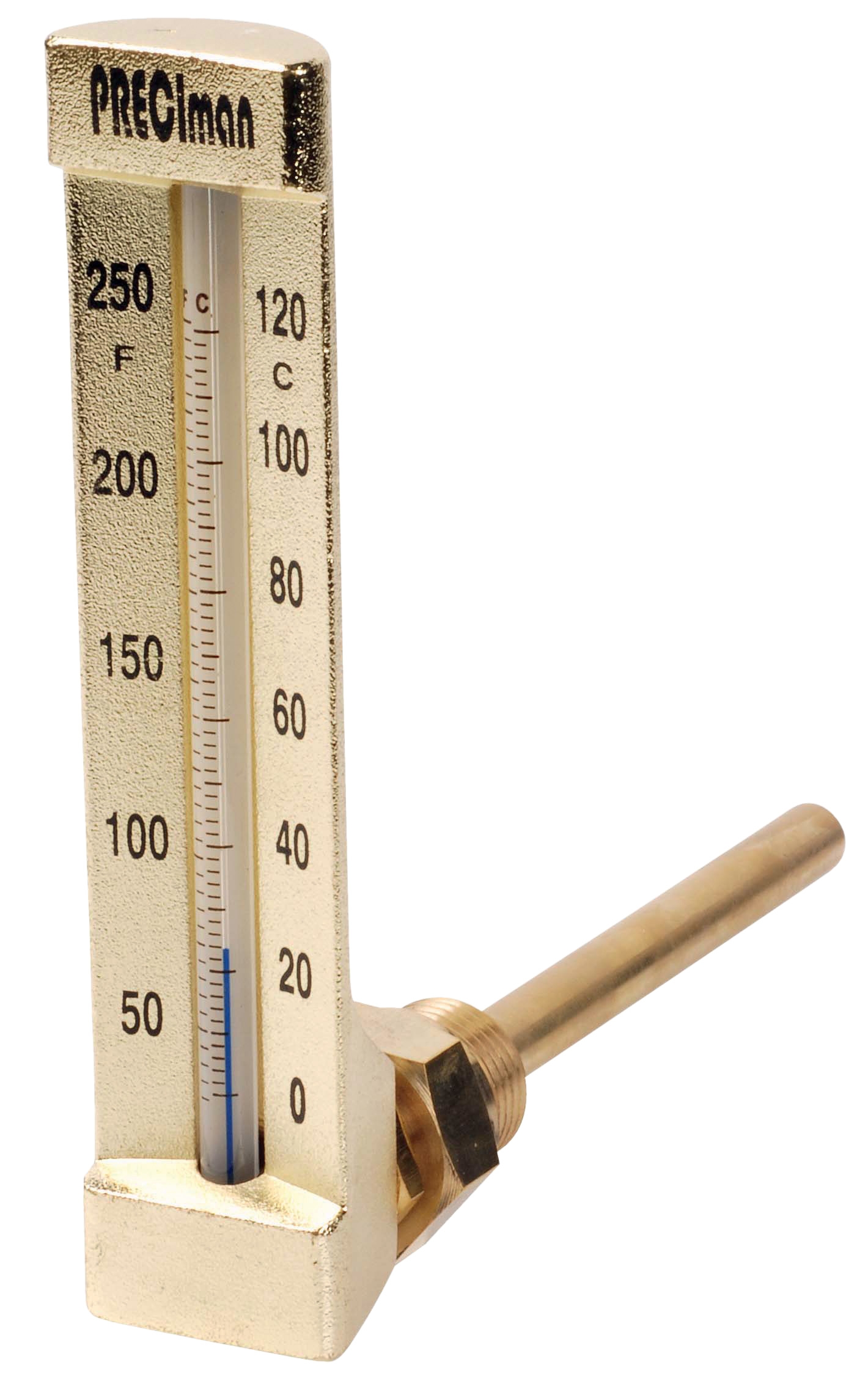
Some installations require the sensor to approach the medium from a 90-degree angle. The CBM Industrial Thermometer 0/+50°C immersion 63 right angle height 150 provides practical solutions when vertical or axial mounting isn't possible.
Key advantages:
- Right-angle design accommodates unique piping configurations
- 63mm probe diameter suitable for standard industrial therewells
- 150mm height provides ample installation clearance
- 0 to +50°C range ideal for heating and comfort cooling systems
- Durable construction for harsh industrial environments
- Equipment with horizontal pipe approach
- Wall-mounted installations with side-access requirements
- Legacy systems requiring specific mounting angles
- Industrial processes where thermal verification is periodic
Electrical Measurement & Detection: Multimeter Comparison
Why Electrical Measurement & Detection Matters
Temperature monitoring represents only half of the Measurement & Detection equation for modern plant managers. Electrical measurement is equally critical for identifying:
- Voltage anomalies that indicate failing components
- Current draw inconsistencies suggesting mechanical friction
- Resistance problems in control circuits
- Ground faults and safety hazards
- Power factor issues affecting efficiency
Plant managers increasingly recognize that combining temperature and electrical measurements provides comprehensive system health visibility.
The Automatic Multimeter Advantage
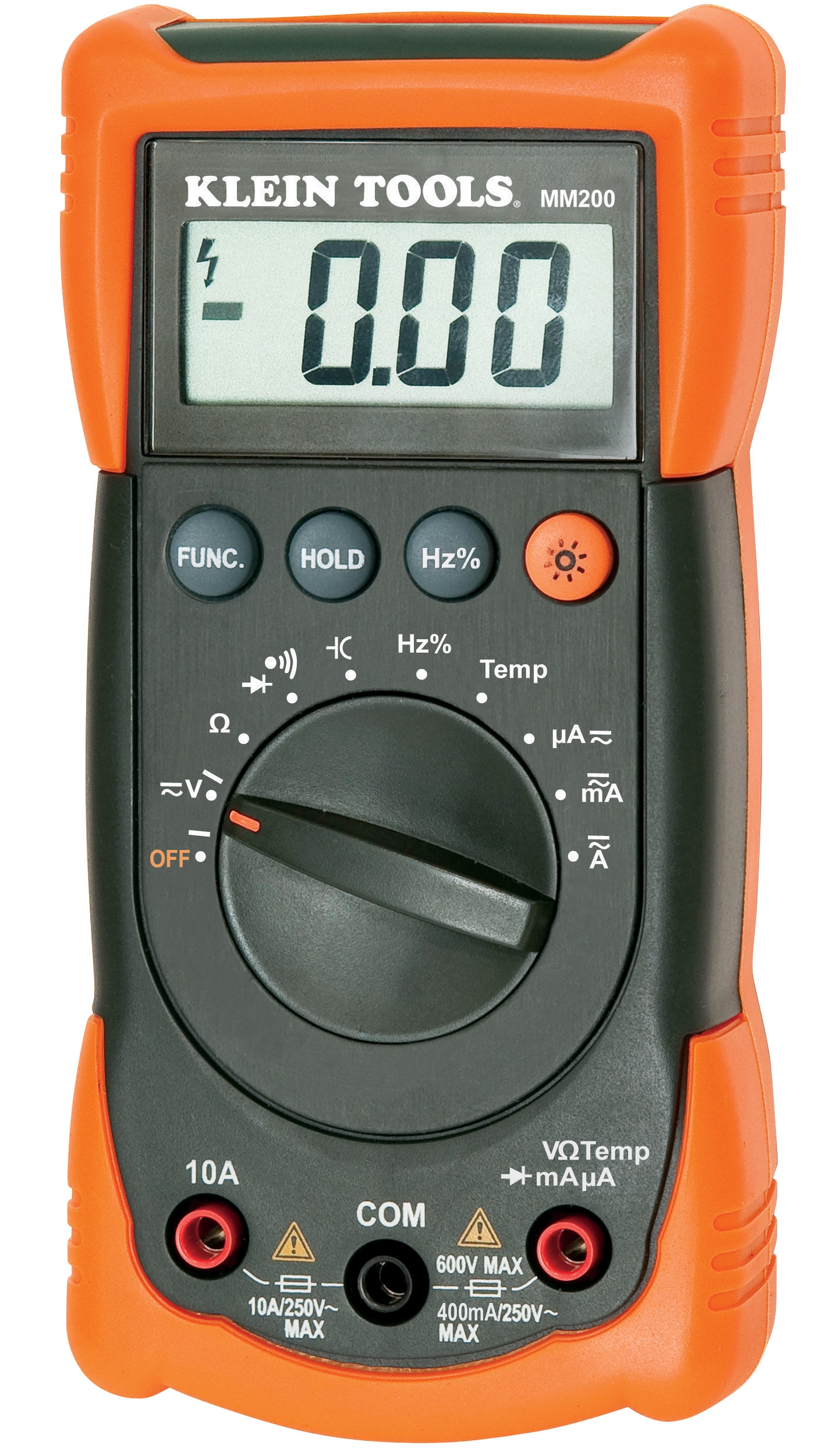
Traditional manual multimeters require operators to select measurement ranges, a process prone to human error and requiring skilled technicians. The CBM Automatic Multimeter MM420 eliminates guesswork through automatic range selection.
Key advantages for plant managers:
- Auto-ranging capability - Technicians simply connect probes and select measurement type; the multimeter automatically finds the correct range
- Reduced training requirements - Less experienced staff can perform basic electrical diagnostics
- Faster troubleshooting - No time spent selecting ranges or changing settings mid-diagnosis
- Lower measurement errors - Automatic optimization reduces user-induced mistakes
- Dual display - Shows both digital and analog readings simultaneously
- Data hold function - Captures readings in difficult-to-access locations
- Control circuit verification - Quickly check 24VDC and 120VAC control signals
- Motor diagnostics - Compare voltage across motor terminals and phases
- Sensor testing - Verify 4-20mA output signals from temperature and pressure sensors
- Ground continuity - Test equipment grounding integrity
- Resistance measurements - Identify corrosion or connection degradation in critical circuits
Integrated Measurement & Detection Approaches
Creating a Comprehensive Monitoring Strategy
The most effective plant managers combine multiple Measurement & Detection tools into integrated monitoring protocols. Rather than viewing temperature thermometers and electrical multimeters as separate resources, forward-thinking facilities use them as complementary diagnostic tools.
Recommended integrated approach:
1. Install permanent temperature monitoring - Use vertical thermometers on all primary system headers. These provide continuous, always-available baseline data.
2. Supplement with compact axial monitors - Deploy axial thermometers on branch circuits and equipment where space is constrained. They enable zone-specific temperature verification.
3. Maintain mobile electrical diagnostics - Equip maintenance teams with automatic multimeters for periodic electrical system verification. Use electrical measurements to correlate with temperature anomalies.
4. Establish baseline records - Document normal operating temperatures and electrical parameters. Deviations become immediately apparent to trained staff.
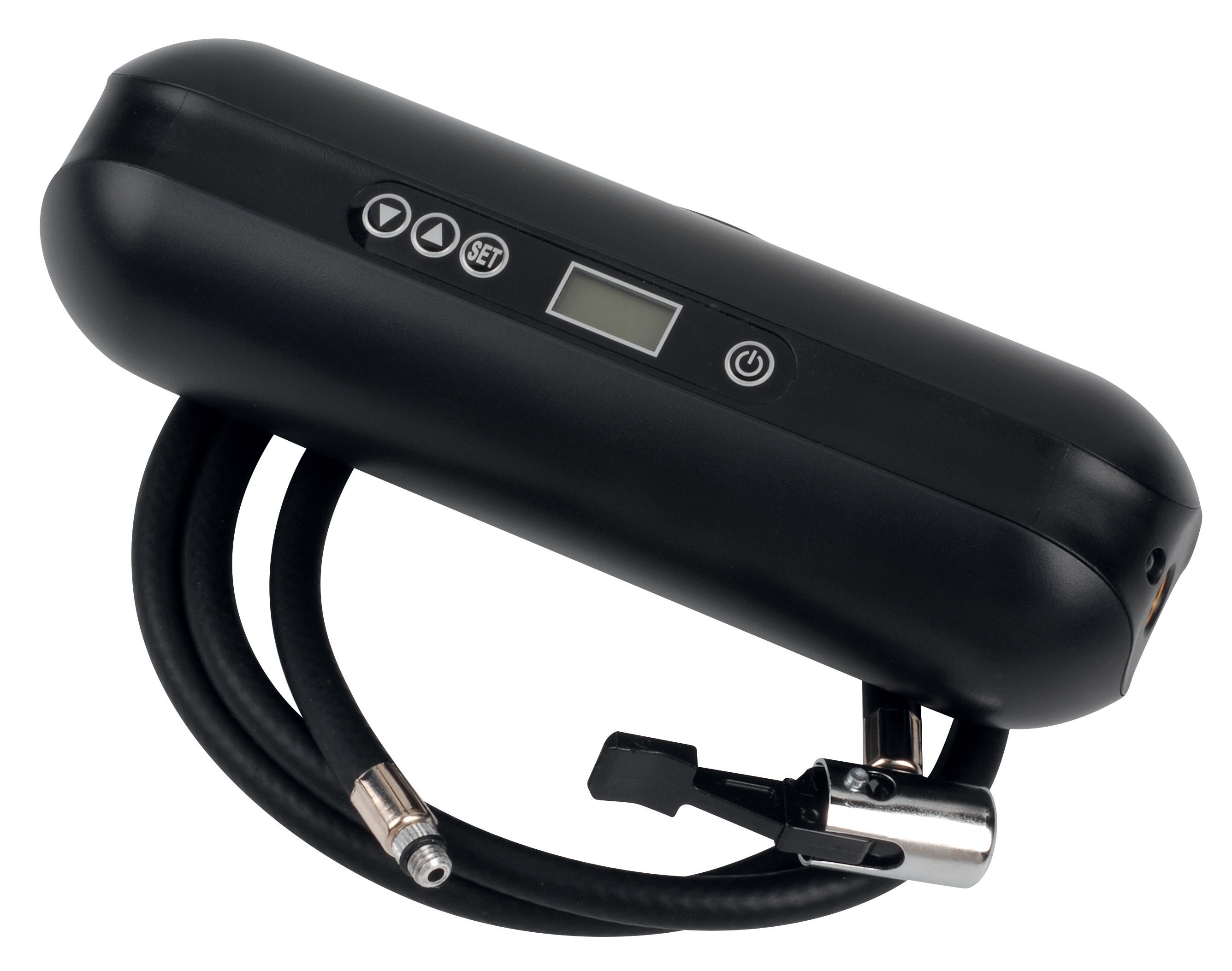
5. Support system pressure maintenance - Use the CBM Expansion Tank Inflator Battery 2000 mAH to maintain proper system pressurization, which directly impacts temperature measurement accuracy in closed loops.
System Pressurization's Role in Accurate Measurement & Detection
Many plant managers overlook how system pressure affects temperature measurement accuracy. In closed-loop heating and cooling systems, low pressure causes:
- Cavitation (bubbles in the fluid affecting sensor contact)
- Localized boiling in the thermowell reducing measurement accuracy
- Sensor response lag and inconsistency
The CBM Expansion Tank Inflator Battery 2000 mAH provides cordless pressurization capability, enabling plant maintenance teams to:
- Maintain proper system charge without equipment shutdown
- Ensure consistent thermal fluid contact with temperature sensors
- Improve measurement reliability across the facility
- Reduce maintenance visits for sensor recalibration
Practical Implementation for Plant Managers
Developing Your Measurement & Detection Budget
Cost-conscious plant managers must balance measurement accuracy with budget constraints. Here's a realistic approach:
Tier 1 (Essential) - Foundation monitoring:
- Install one vertical thermometer per major system (typically 3-5 thermometers for most plants)
- Acquire one automatic multimeter for maintenance team
- Budget: $800-$1,200
- Add axial thermometers for branch circuits (2-4 additional units)
- Deploy expansion tank inflator for system maintenance
- Budget: Additional $600-$900
- Add right-angle thermometers for complex installations
- Maintain backup measurement equipment
- Budget: Additional $400-$600
Training Staff on Measurement & Detection Systems
3G Electric's 35+ years supporting global industrial operations has revealed that equipment investment alone doesn't ensure success. Your staff must understand:
- Temperature reference values - Know what "normal" looks like for your systems
- Measurement accuracy limits - Understanding ±1.6% accuracy means recognizing which temperature differences are significant
- Electrical safety protocols - Know when to test and when to defer to qualified electricians
- Data recording procedures - Maintain consistent logs enabling trend analysis
- Action thresholds - Establish clear decision points (e.g., "if chilled water rises above 54°F, investigate immediately")
Leveraging Measurement & Detection Data
Installing measurement equipment is only valuable if you act on the data. Implement these practices:
1. Daily visual checks - Train operators to glance at permanent thermometer gauges during rounds
2. Weekly electrical verification - Use the multimeter on high-priority circuits to detect developing problems
3. Monthly trend analysis - Record readings and look for patterns indicating degrading performance
4. Quarterly system pressure checks - Use the expansion tank inflator to maintain optimal measurement conditions
5. Annual calibration verification - Test thermometer accuracy against known standards
Conclusion
Measurement & Detection represents your plant's primary defense against failures that compromise safety, efficiency, and profitability. By combining appropriate temperature monitoring solutions like the vertical thermometer and axial thermometer with electrical diagnostics via the automatic multimeter, plant managers create comprehensive visibility into system health.
3G Electric has spent over 35 years helping industrial professionals like you select and implement measurement solutions that deliver real operational value. The investment in quality detection equipment typically pays for itself within months through prevented downtime and optimized efficiency.
Start with the foundation—install permanent thermometer monitoring on your primary systems and equip your maintenance team with an automatic multimeter. Then expand based on your facility's specific requirements and operational priorities.