Understanding Measurement & Detection in Modern Plant Operations
Measurement & Detection systems form the backbone of modern industrial plant management. As a plant manager, your ability to monitor critical operational parameters in real-time directly impacts safety compliance, equipment longevity, and production efficiency. Over 35 years as an authorized global industrial equipment distributor, 3G Electric has observed that plants implementing comprehensive Measurement & Detection strategies experience 40-60% reductions in unplanned downtime and significantly improved safety records.
Measurement & Detection encompasses the integrated approach to monitoring multiple critical parameters simultaneously: atmospheric gas concentrations, temperature fluctuations, pressure variations, and electrical characteristics. Unlike traditional point-monitoring systems, modern Measurement & Detection infrastructure provides continuous oversight across your entire facility, enabling proactive decision-making rather than reactive crisis management.
The fundamental value proposition is straightforward: what you cannot measure, you cannot manage effectively. Plants without robust Measurement & Detection systems operate in a state of managed blindness, responding to problems only after they manifest as failures, safety incidents, or production losses.
Multi-Parameter Detection: Integrating Gas, Temperature, and Pressure Monitoring
Successful plant operations require simultaneous monitoring of multiple environmental and equipment parameters. The most effective Measurement & Detection approach integrates gas detection, temperature sensing, and pressure monitoring into a unified system architecture.
Gas Detection Systems
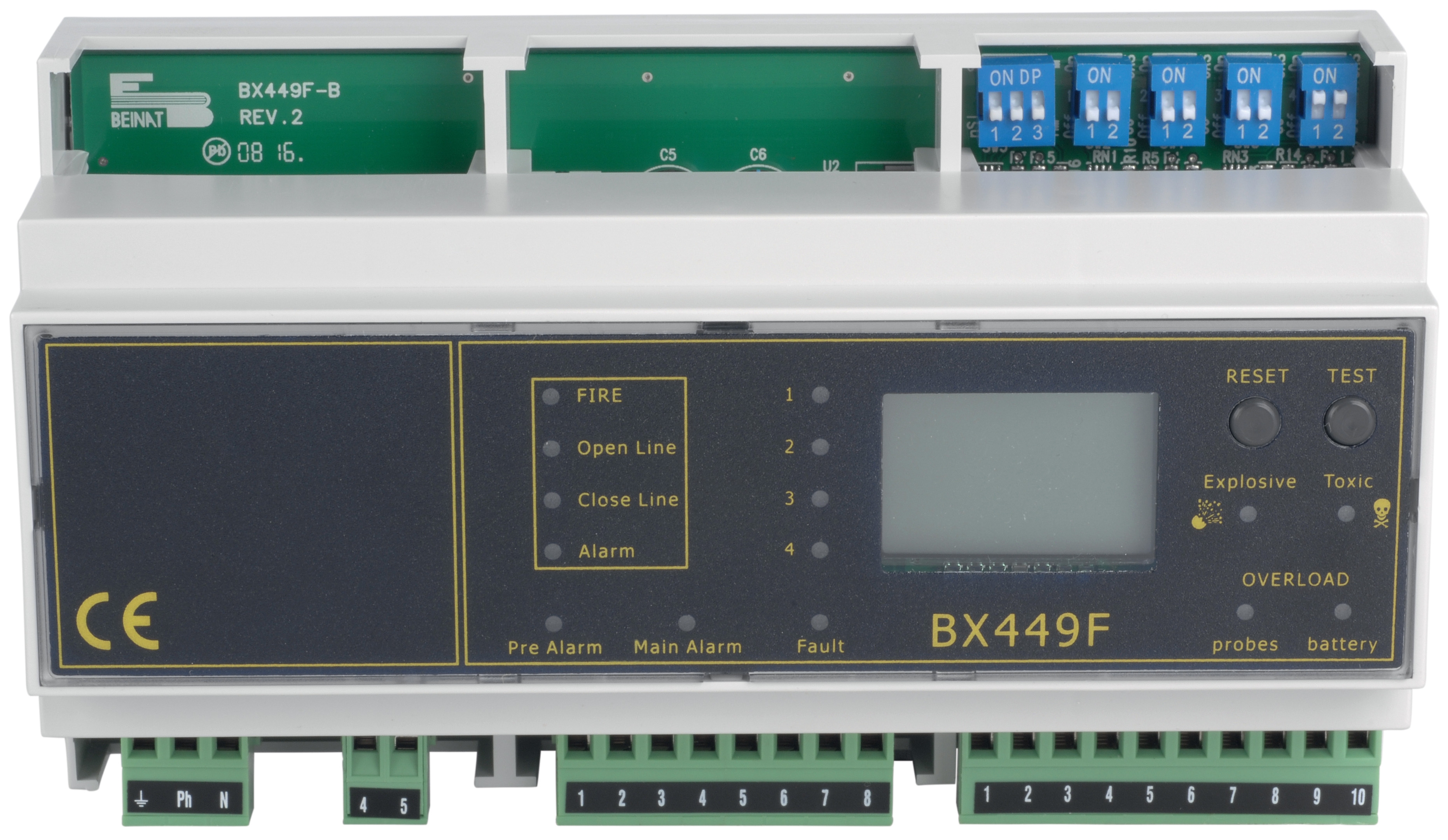
For facilities handling hazardous gases or operating in environments where gas leaks represent safety risks, centralized gas detection centers provide critical oversight. The CBM Gas Detection Center with 8 Din-Rail Probes (12V) enables simultaneous monitoring of up to eight different gas detection points throughout your facility. This architecture allows you to:
- Monitor multiple zones or equipment simultaneously without requiring separate control units
- Receive centralized alerts when any probe detects dangerous gas concentrations
- Maintain compliance with local safety regulations requiring continuous gas monitoring
- Integrate detection data with your facility management systems for comprehensive logging
The multi-probe configuration is particularly valuable for plants with distributed operations—warehouses with multiple storage areas, manufacturing facilities with separate production zones, or large equipment rooms where hazards may exist in non-obvious locations. Rather than installing isolated gas detectors that operate independently, a centralized system provides unified oversight and coordinated response capabilities.
Temperature Measurement Integration
Temperature monitoring extends beyond HVAC systems into critical operational areas. Equipment failures frequently follow characteristic temperature patterns before catastrophic breakdown occurs. The CBM Surface Temperature Sensor TE-SNW-E provides precise non-invasive temperature measurement on equipment surfaces, enabling you to:
- Detect bearing failures, motor overheating, or transformer issues before they cause production losses
- Monitor critical process temperatures in manufacturing environments
- Track temperature trends to identify equipment degradation patterns
- Trigger maintenance interventions before failures occur
Integrating surface temperature sensors into your Measurement & Detection system creates an early warning network. By establishing temperature baselines for critical equipment and monitoring deviations, you can predict maintenance needs with remarkable accuracy. A 10-15 degree temperature increase on a pump bearing might indicate incipient failure weeks before catastrophic breakdown.
Pressure Monitoring for Equipment Protection
Pressure monitoring serves dual purposes in modern plants: protecting equipment from overpressure conditions and monitoring process parameters in manufacturing operations. The CBM Green ABS Pressure Gauge D63 (0/+1bar) and CBM Green ABS Gauge D50 (0/+250bar) provide reliable pressure measurement across different operating ranges.
Plant managers should understand that pressure measurement serves both protective and diagnostic functions:
- Protective Function: Monitoring system pressures ensures equipment operates within design parameters. Excessive pressure indicates blocked lines, failed regulators, or process deviations requiring immediate attention.
- Diagnostic Function: Pressure trends reveal system efficiency. Gradually increasing pressure requirements might indicate filter fouling, component wear, or process parameter drift.
Integrating multiple pressure gauges with your Measurement & Detection system—rather than relying on isolated gauges—enables comprehensive system oversight and facilitates data-driven maintenance decisions.
Electrical Measurement and System Diagnostics
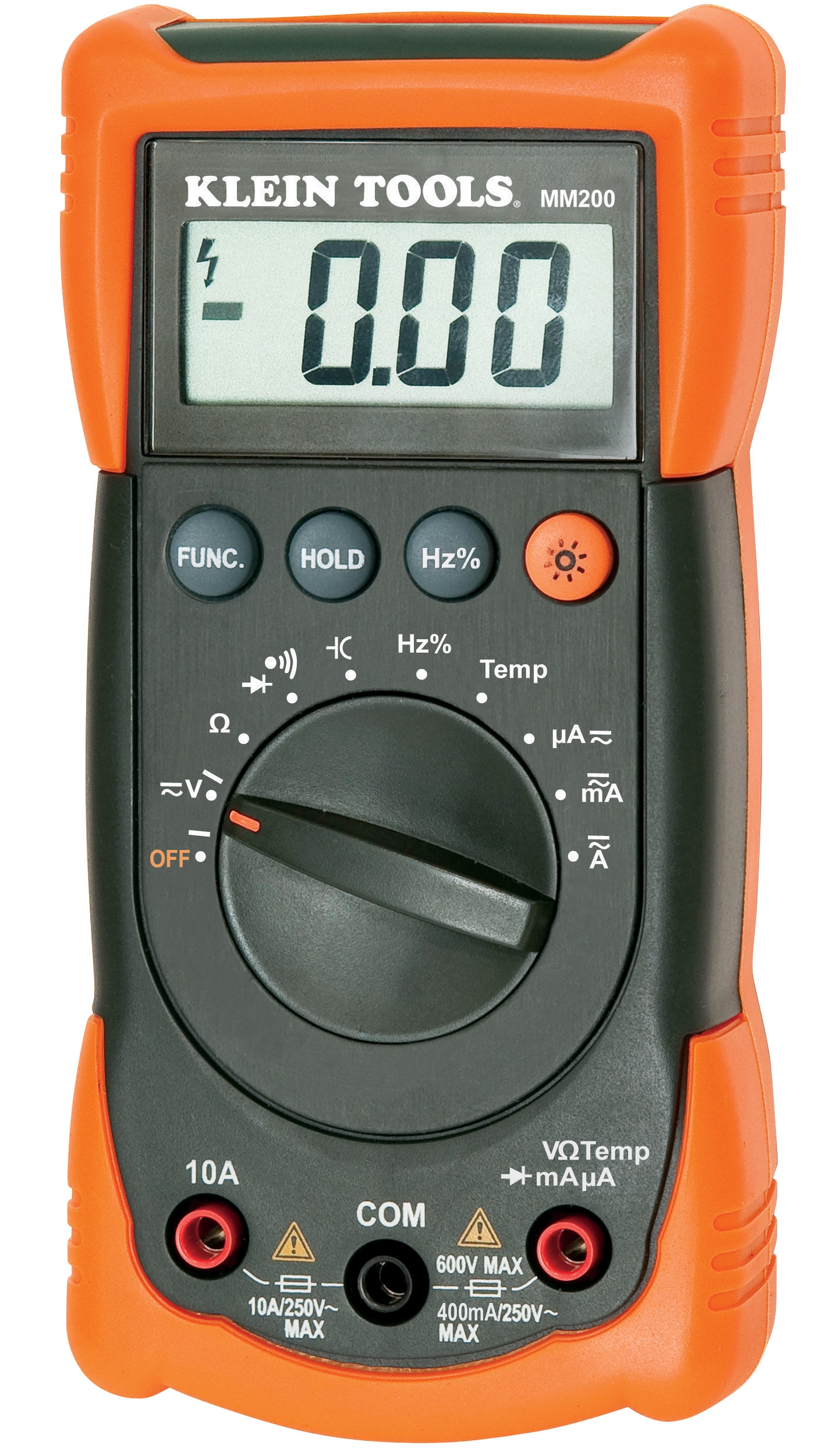
Beyond environmental parameters, electrical measurement provides essential insight into equipment health and system performance. The CBM Automatic Multimeter MM420 enables comprehensive electrical diagnostics that complement physical measurements.
Comprehensive Electrical Diagnostics
Electrical measurement serves multiple critical functions in plant operations:
- Motor Health Assessment: Measuring voltage, current, and resistance patterns reveals motor degradation, winding issues, or bearing problems affecting electrical characteristics
- Power Quality Monitoring: Detecting harmonic distortion, voltage fluctuations, or phase imbalances that might damage sensitive equipment or reduce energy efficiency
- Equipment Isolation Verification: Confirming proper electrical isolation before maintenance activities—a critical safety function
- Troubleshooting Support: Systematic electrical measurement accelerates root cause analysis when equipment malfunctions
An automatic multimeter integrated into your Measurement & Detection protocol standardizes electrical measurement across your facility. Technicians follow consistent measurement procedures, reducing measurement errors and enabling meaningful trend analysis. When your maintenance team measures the same parameters using identical procedures, data becomes genuinely comparable across time and equipment.
Creating Electrical Baselines
Effective electrical measurement requires establishing baseline parameters for each critical piece of equipment. Once baselines are established, deviations become immediately meaningful:
- A 5% increase in motor current draw might indicate bearing wear or increased load
- Elevated voltage drop across connections suggests corrosion or loose terminals
- Changes in phase balance reveal potential winding issues in three-phase motors
Plant managers implementing Measurement & Detection strategies should mandate baseline electrical measurements for all critical equipment, with regular measurement intervals to track changes over time.
Implementing an Integrated Measurement & Detection Strategy
Transitioning to comprehensive Measurement & Detection requires structured implementation rather than ad-hoc instrument procurement. Based on 35+ years of experience working with industrial facilities globally, 3G Electric recommends a phased approach:
Phase 1: Hazard and Risk Assessment
Begin by identifying what requires monitoring. Conduct a thorough facility assessment identifying:
- Areas where gas hazards exist (storage, processing, potential leak sources)
- Critical equipment where temperature monitoring would provide early warning (motors, compressors, transformers, pumps)
- Pressure points where monitoring serves protective or diagnostic functions
- Electrical measurement points providing insight into equipment health
This assessment determines your overall Measurement & Detection architecture and identifies which specific instruments serve your operational needs.
Phase 2: Strategic Instrument Selection
With hazards identified, select instruments matching your requirements:
- Centralized gas detection centers for facilities with distributed hazards
- Surface temperature sensors for critical equipment
- Pressure gauges appropriate to your operating ranges and accuracy requirements
- Multimeters for systematic electrical diagnostics
Selecting instruments from coordinated manufacturers—as 3G Electric provides through established relationships with CBM and similar quality suppliers—ensures compatibility and enables integrated system design.
Phase 3: System Integration and Standardization
Effective Measurement & Detection requires standardization:
- Establish measurement procedures and intervals for each monitoring point
- Create data logging systems capturing measurements over time
- Develop alert thresholds triggering maintenance intervention
- Train maintenance staff on proper measurement techniques
Integration extends beyond technology into organizational processes. When measurement becomes routine, systematized, and integrated into maintenance decision-making, the true value of Measurement & Detection emerges.
Phase 4: Continuous Improvement
Measurement & Detection systems provide increasingly valuable data over time. Use accumulated data to:
- Identify equipment reliability patterns
- Optimize maintenance intervals based on actual condition data rather than manufacturer recommendations
- Detect emerging facility-wide trends (energy efficiency degradation, systematic quality issues)
- Validate that implemented improvements deliver expected benefits
Practical Implementation Benefits for Plant Managers
Plant managers implementing comprehensive Measurement & Detection systems realize tangible operational improvements:
Safety Enhancement: Continuous gas monitoring prevents exposure incidents. Temperature and pressure monitoring catches developing problems before they become hazardous failures.
Maintenance Optimization: Condition-based maintenance replaces time-based intervals, reducing unnecessary maintenance while preventing surprise failures. Most facilities reduce maintenance costs 15-25% while simultaneously improving equipment reliability.
Energy Efficiency: Monitoring electrical parameters and equipment temperatures identifies efficiency degradation. Many facilities discover 5-15% energy savings through Measurement & Detection-enabled optimization.
Production Reliability: By preventing unexpected failures, comprehensive monitoring directly improves production uptime. Average production facilities improve reliability 20-40% with effective Measurement & Detection implementation.
Regulatory Compliance: Documented, continuous monitoring supports compliance documentation for safety and environmental regulations. The data trails created by automated Measurement & Detection systems demonstrate proactive safety management to regulatory agencies.
Overcoming Common Implementation Challenges
Plant managers frequently encounter resistance to Measurement & Detection implementation. Addressing these challenges systematically improves adoption success:
Challenge: "We've operated without this system"
Response: Historical operation without formal monitoring doesn't indicate that monitoring wouldn't improve performance. Modern facilities competing on reliability and safety cannot match operations relying on reactive failure response. Position Measurement & Detection as a competitive capability rather than an operational change.
Challenge: "The cost seems significant"
Response: Calculate the cost of a single unplanned production stoppage, safety incident, or major equipment failure. Most facilities recover Measurement & Detection investment within 12-24 months through improved reliability alone.
Challenge: "Implementation requires operational disruption"
Response: Phased implementation minimizes disruption. Start with the highest-risk or highest-value areas, proving value before expanding system scope. 3G Electric's experience with global industrial facilities demonstrates that properly planned implementation requires minimal operational disruption.
Conclusion
Measurement & Detection represents modern industrial best practice. Plant managers implementing comprehensive monitoring systems improve safety, reliability, efficiency, and cost performance simultaneously. The transition from reactive failure response to proactive condition-based management transforms plant operations, enabling strategic decisions based on actual facility data rather than assumptions.
3G Electric's 35+ years of experience supporting industrial facilities globally confirms that Measurement & Detection investment consistently delivers superior operational results. Whether you're managing a single facility or multiple global locations, comprehensive Measurement & Detection systems provide the visibility required for modern plant management excellence.