Why Integrated Measurement & Detection Matters for Maintenance Operations
Maintenance teams face a critical challenge: monitoring equipment across multiple parameters—gas leaks, temperature anomalies, electrical faults, and pressure inconsistencies—often requires disconnected tools and workflows. Measurement & Detection systems that work together create a unified approach to equipment protection.
With 35+ years of experience as a global industrial equipment distributor, 3G Electric has observed that maintenance teams operating with isolated tools experience longer downtime, missed early warning signs, and higher safety risks. When your gas detection center, temperature sensors, electrical testers, and pressure gauges operate as an integrated system, you gain visibility into equipment health that reactive maintenance cannot achieve.
This article compares five essential measurement and detection instruments and shows how they work together to protect your operations.
Gas Detection Centers: Your First Line of Defense Against Hazardous Conditions
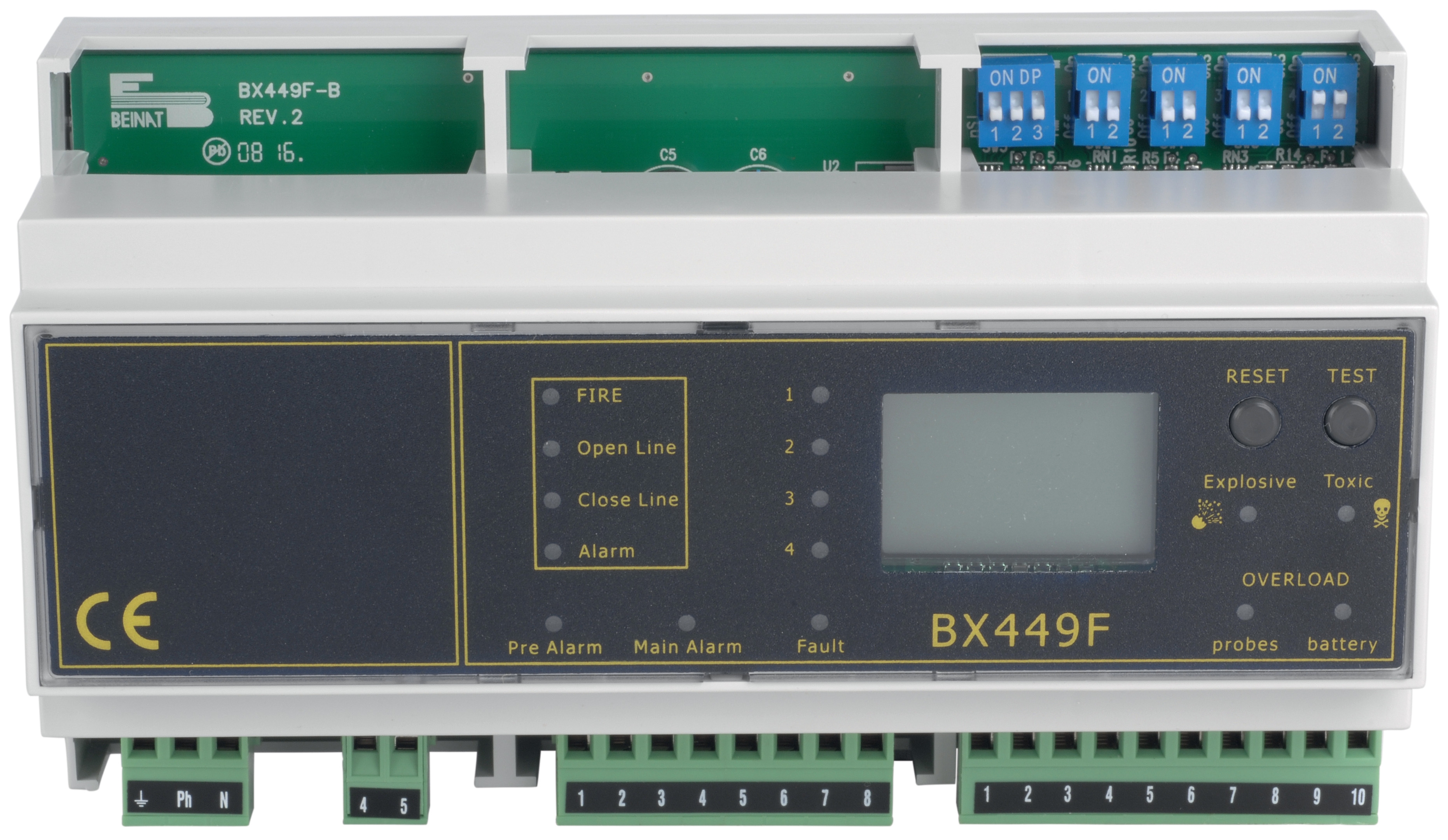
The CBM Gas Detection Center DIN Rail 8 Probes - 12V represents industrial-grade gas monitoring designed for continuous protection. This measurement and detection system simultaneously monitors eight separate probe locations, making it ideal for facilities with multiple refrigeration loops, process gas lines, or hazardous atmosphere zones.
Why This Matters for Maintenance Teams:
A single gas leak in a refrigeration system or compressed air line can compromise equipment performance, damage compressors, or create safety hazards. The 8-probe configuration means your team gets early warning before problems escalate. The 12V DIN rail design integrates directly into electrical panels, eliminating the need for separate power systems.
Practical Application: In a multi-unit refrigeration facility, this detection center monitors evaporator units, compressor discharge lines, condenser areas, and backup systems simultaneously. If a probe detects abnormal gas concentration, your maintenance team can localize the problem immediately rather than performing time-consuming system-wide inspections.
Integration Advantage: Connect this gas detection center to your facility's SCADA or building management system (BMS) for automated alerts, trending data, and compliance documentation—essential for regulatory audits.
Temperature Sensors: Detecting Silent Equipment Degradation
Temperature measurement and detection is where early warning becomes intervention. The CBM Surface Temperature Sensor TE-SNW-E provides non-invasive monitoring of equipment surfaces, bearing housings, motor frames, and pipeline temperatures—locations where internal problems first manifest as external heat signatures.
Why Surface Temperature Monitoring Prevents Failure:
Bearing degradation, motor insulation breakdown, and refrigerant system inefficiency all produce heat signatures 24-48 hours before catastrophic failure. A maintenance team using surface temperature sensors catches these conditions during planned maintenance windows rather than emergency shutdowns.
Real-World Scenario: An electric motor driving a pump begins showing abnormal surface temperatures (5-10°C above baseline) while operation appears normal. This measurement and detection tells your team: replace the motor bearing during the next scheduled maintenance window. Without this early detection, the bearing fails suddenly, causing motor burnout and 8-12 hours of unplanned downtime.
Placement Strategy for Maximum Coverage:
- Motor and gear drive housings
- Refrigeration compressor shells
- Heat exchanger surfaces
- Transformer tanks
- Hydraulic motor frames
The TE-SNW-E sensor integrates with control systems for continuous trending, allowing your maintenance team to distinguish normal operational temperature variations from warning trends.
Electrical Testing and Detection: Preventing Electrical Failure Before It Happens
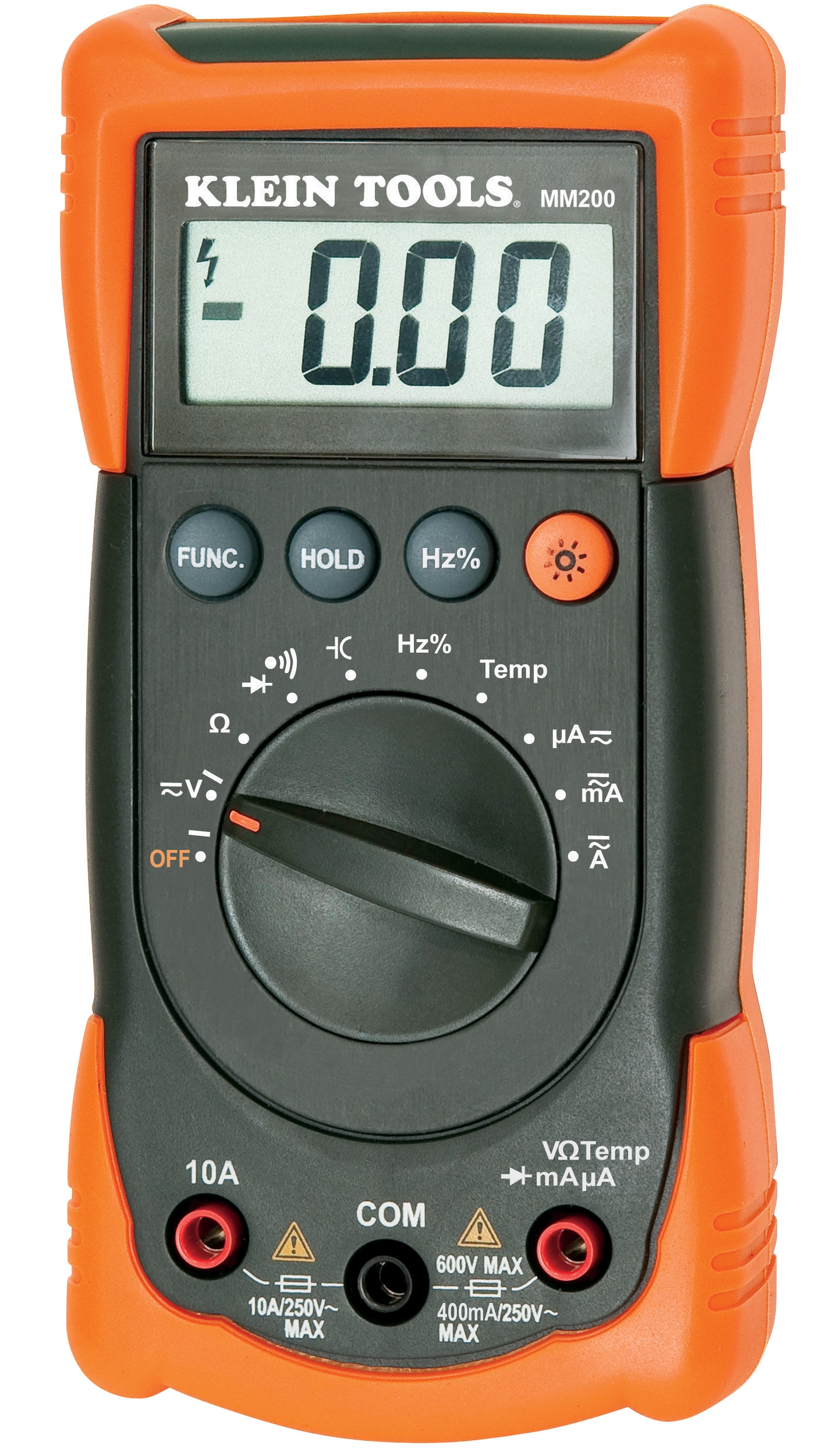
The CBM Automatic Multimeter MM420 represents next-generation measurement and detection for electrical systems. Unlike basic multimeters, automatic ranging and advanced diagnostics reduce human error while providing comprehensive electrical system assessment.
Electrical Measurement & Detection for Maintenance Teams:
Electrical faults cause 40% of unplanned industrial equipment shutdowns. Your maintenance team needs electrical measurement and detection capability that:
- Detects voltage anomalies: Supply voltage variations, phase imbalances, and harmonic distortion damage motors and drives without obvious failure signs
- Identifies ground faults: Early ground fault detection prevents catastrophic short circuits and equipment fires
- Monitors power quality: Undervoltage conditions cause compressor slugging, bearing damage, and premature motor failure
- Verifies circuit integrity: Continuity testing confirms relay contacts, sensor wiring, and emergency shutdown circuits function correctly
A facility experiences intermittent compressor shutdowns. The gas detection center shows normal refrigerant levels. Temperature sensors show normal motor temperatures. The automatic multimeter reveals 8% voltage imbalance across three-phase supply—too low for immediate tripping but sufficient to reduce motor efficiency and stress bearings. One hour of electrical testing identifies the root cause; one maintenance call corrects supply-side distribution.
Without integrated measurement and detection across electrical and refrigeration parameters, this facility would have replaced the compressor unnecessarily.
Pressure Monitoring: Detection That Prevents Mechanical Failure
Pressure measurement and detection separates safe, controlled operations from dangerous system stress. 3G Electric supplies two critical pressure gauge options:
CBM Green ABS Pressure Gauge D63 0/+1 bar G1/4 monitors low-pressure systems including:
- Refrigeration system suction lines (evaporator side)
- Vacuum pump discharge
- Low-pressure steam systems
- Pneumatic controls
- Compressor discharge lines
- Hydraulic systems
- High-pressure gas lines
- Pressurized water systems
Refrigeration systems operate across massive pressure differentials—low-side pressures of 2-5 bar absolute and high-side pressures of 25-35 bar gauge. One pressure gauge cannot safely monitor both ranges. Using appropriately-scaled measurement and detection instruments prevents:
- Gauge needle deflection that exceeds visible range (missed critical readings)
- Gauge overrange damage (destroys instrument, prevents future monitoring)
- Pressure relief valve malfunctions from improper pressure indication
Your maintenance team performs daily inspection rounds. The low-pressure gauge (0/+1 bar) on refrigeration suction line shows 0.5 bar—abnormally low. The high-pressure discharge gauge (0/+250 bar) shows 28 bar—slightly elevated. These readings indicate reduced evaporator capacity, suggesting:
- Restricted expansion device
- Partial refrigerant charge loss (confirmed by gas detection center readings)
- Evaporator fouling
Your team adjusts expansion device or adds refrigerant charge before compressor stress causes bearing damage.
Integrated Measurement & Detection Workflow for Maintenance Teams
These five instruments create comprehensive equipment protection when integrated into a systematic maintenance process:
Daily Visual Inspections (15 minutes):
- Gas detection center display shows normal probe readings across all 8 zones
- Pressure gauges confirm normal system pressures
- Visual inspection of temperature sensor locations for any visible damage
- Quick electrical continuity check on critical circuits using multimeter
- Record all gauge readings, documenting trends
- Use multimeter to verify voltage at motor terminals, contactor coils, control circuits
- Scan temperature sensors with infrared thermometer to verify readings
- Document any deviation from baseline parameters
- Review trending data from all measurement and detection instruments
- Identify equipment showing degradation patterns
- Schedule preventive maintenance for equipment with rising temperatures, pressure changes, or electrical anomalies
- Update maintenance records for compliance and warranty documentation
When equipment fails, you have measurement and detection data from gas monitoring, temperature, electrical, and pressure systems. This data-driven approach identifies true root causes rather than symptoms, preventing repeated failures.
Building Your Measurement & Detection Program with 3G Electric
With over 35 years of experience as an global industrial equipment distributor, 3G Electric understands that effective measurement and detection requires:
1. Appropriate instrumentation for each parameter monitored
2. Proper installation that captures meaningful data
3. Systematic data collection that creates actionable trends
4. Team training so maintenance personnel interpret readings correctly
5. Integration strategy that connects measurements into unified facility oversight
Your maintenance team's safety, equipment uptime, and operational efficiency depend on measurement and detection systems that work together. 3G Electric supplies the instruments and expertise to implement integrated monitoring that prevents failures before they happen.
Ready to implement comprehensive measurement and detection for your facility? Contact 3G Electric today.