
Understanding Measurement & Detection in Production Environments
Measurement & Detection systems form the backbone of modern industrial operations, providing plant managers with critical visibility into equipment performance, energy consumption, and process stability. Unlike traditional monitoring approaches that rely on periodic manual checks, modern measurement and detection solutions deliver continuous, real-time data that enables immediate decision-making and proactive maintenance.
With over 35 years of experience as a global equipment distributor, 3G Electric has worked with hundreds of plant managers across Singapore and the region to implement measurement solutions that directly impact production efficiency. The difference between a well-monitored facility and one operating without comprehensive measurement is substantial—studies show that plants with continuous monitoring systems achieve 15–25% improvements in energy efficiency and reduce unplanned downtime by up to 40%.
For plant managers in Singapore's competitive manufacturing landscape, investing in proper measurement and detection infrastructure is no longer optional. Whether managing thermal systems, pneumatic networks, or HVAC installations, the ability to detect anomalies before they become failures translates directly to profitability.
Critical Measurement Parameters for Plant Operations
Effective plant management requires monitoring multiple interdependent parameters simultaneously. Pressure measurement stands as one of the most critical, with pneumatic systems, expansion tanks, and refrigeration circuits all requiring continuous oversight.
Pressure Monitoring Across System Types
For low-pressure HVAC and heating systems, accurate pressure sensing prevents system failures and maintains energy efficiency. The Preciman stainless steel vertical pressure gauge D63 0/+40 Mbar G1/4 provides reliable monitoring with ±1.6% accuracy, making it suitable for expansion tanks and low-pressure circuits common in Singapore's climate-controlled facilities. Its 63mm dial and stainless steel construction ensure durability in humid tropical conditions.
For differential pressure applications—critical for monitoring airflow and system imbalances—the Dwyer Transmitter 616KD-13V-TC delivers precise 0–1 IN W.C measurement with barbed process connections compatible with standard tubing. Plant managers use differential pressure transmitters to verify HVAC balance, detect filter clogging before system strain occurs, and maintain optimal flow across multiple zones.
Temperature and Flow Measurement
Temperature measurement provides the second essential data stream for production efficiency. The Dwyer Probe AVG PT100 OHM RTD L.65 AVG-21241 offers industrial-grade accuracy (±0.6% @ 0°C) across the -35.5 to +115.5°C operating range, with flexible capillary design that adapts to challenging installation environments. For plant managers monitoring chiller systems, compressed air aftercoolers, or process fluid temperatures, PT100 RTD probes provide the stability and repeatability necessary for trend analysis.
Flow measurement in air distribution systems directly impacts both energy consumption and production quality. The Dwyer Metal average flow probe MAFS-16 measures across 16 cm of probe length, providing representative flow velocity in ducts and plenums. By monitoring flow patterns, plant managers can identify imbalances, verify commissioning results, and detect degradation over time.
Practical Implementation Strategy for Singapore Plants
Planning Your Measurement Infrastructure
Successful measurement deployment begins with a systematic audit of critical systems. Plant managers should categorize monitoring points into three tiers:
- Tier 1 (Critical): Systems directly affecting production quality or safety—compressed air aftercoolers, chiller return temperatures, pneumatic main line pressure
- Tier 2 (Important): Systems impacting efficiency and uptime—HVAC zone pressures, expansion tank pressure, secondary cooling loops
- Tier 3 (Beneficial): Systems supporting optimization—peripheral zone temperatures, non-critical circuit pressures
This tiered approach helps allocate resources effectively. While comprehensive measurement of every system is ideal, prioritizing critical and important parameters ensures maximum ROI on measurement investments.
System Maintenance and Commissioning
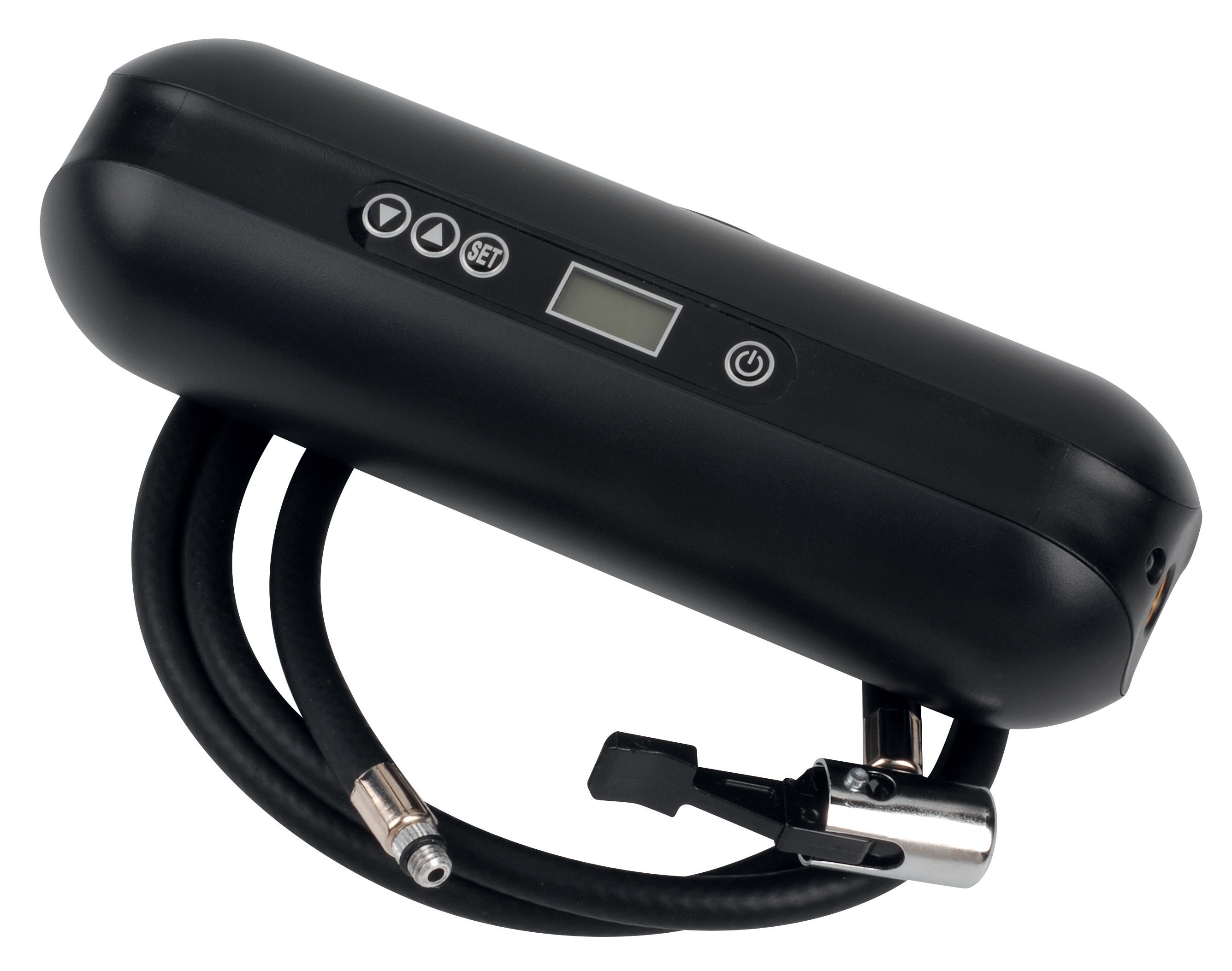
Expansion tanks in heating and chilled water systems require periodic pressure verification. The CBM Expansion tank inflator battery 2000 mAH simplifies this maintenance task with its portable design and broad operating range (-20 to 60°C), essential for Singapore's tropical climate and indoor temperature extremes. At 10.3 bar maximum rated pressure and 2000 mAH capacity, this tool enables plant maintenance teams to verify and adjust pre-charge pressure without requiring external compressor access—critical when facilities operate 24/7.
Data Integration and Trending
Once measurement points are installed, plant managers should establish baseline performance data during normal operation. Temperature trending over weeks reveals seasonal patterns and equipment drift. Pressure trending identifies creeping leaks or seal degradation. Flow trending shows filter and duct cleanliness.
Effective plant managers review measurement data weekly, comparing current readings against established baselines. A 5% pressure increase in a pneumatic network suggests leak development. A 2°C rise in chiller return temperature may indicate fouling or control valve drift. These early indicators allow scheduled maintenance rather than emergency repairs.
Selection Criteria and Integration Considerations
Environmental and Operational Requirements
Singapore's climate presents specific challenges: high humidity, temperature variations between outdoor and conditioned spaces, and salt air in coastal facilities. Measurement equipment must withstand these conditions. Stainless steel construction—as provided in Preciman gauges—resists corrosion better than plated steel. Sealed electronic transmitters protect circuitry from humidity.
Operating temperature ranges matter significantly. Equipment rated only to 50°C may fail in unconditioned equipment rooms or near production heat sources. The Dwyer RTD probe's -35.5 to +115.5°C range covers both chilled and heated applications without requiring different sensors.
Accuracy Requirements
Plant managers must match sensor accuracy to actual control needs. A ±1.6% accurate pressure gauge provides ample precision for monitoring expansion tank pre-charge (±0.5 bar tolerance), but tighter tolerance may be required if pressure readings feed automated controls. Similarly, ±0.6% temperature accuracy from RTD probes suffices for trend monitoring and alarms, though precision temperature control loops may require ±0.3% accuracy.
Installation and Access
Measurement equipment requires accessible installation points. Barbed connections on transmitters adapt to existing tubing without extensive fitting changes. Flange-mount temperature probes fit existing wells. Spring-loaded or magnetic mounting options simplify installation without system modifications. 3G Electric's experience across 35+ years of regional projects helps identify optimal measurement point locations that balance accessibility with representative data capture.
Operational Benefits and ROI
Energy Efficiency Gains
Plant managers implementing comprehensive measurement systems typically identify 8–15% energy savings within 6 months. Unbalanced HVAC systems consume 20% more energy than properly tuned systems—detectable through differential pressure and flow measurement. Chiller efficiency degrades with fouling—temperature trending reveals when cleaning becomes necessary before efficiency drops significantly.
Downtime Reduction
Real-time measurement enables predictive intervention. When pressure in a pneumatic system rises above normal, plant managers investigate leaks immediately rather than waiting for component failure. When chiller outlet temperature climbs unexpectedly, early cooling restoration prevents process impact.
Compliance and Documentation
For facilities requiring environmental or safety compliance documentation, continuous measurement provides auditable records. HVAC balancing certifications require flow measurements. Equipment performance warranties often require temperature and pressure logging. Measurement systems provide this documentation automatically.
Capacity Planning
Long-term measurement data reveals growth trends. If chiller load increases 3% annually, measurement data predicts when expanded cooling capacity becomes necessary—allowing planned upgrades rather than emergency expansion.
Conclusion
Measurement & Detection systems represent a fundamental shift from reactive to proactive plant management. By implementing comprehensive monitoring of pressure, temperature, and flow parameters, plant managers in Singapore gain the visibility necessary to optimize efficiency, reduce costs, and minimize disruptions.
3G Electric's three decades of experience distributing quality measurement equipment positions us to help you select, integrate, and maintain the right solutions for your facility. Whether monitoring critical HVAC systems, maintaining expansion tank pressure, or trending chiller performance, the measurement and detection tools available today deliver ROI that justifies the initial investment many times over.
The most successful plant managers view measurement infrastructure as a strategic asset, not an expense—and the data consistently supports this perspective.