Understanding Measurement & Detection in Predictive Maintenance
Measurement & Detection technologies form the foundation of modern predictive maintenance programs. Unlike reactive maintenance that responds to failures, predictive maintenance relies on continuous or periodic measurement of critical parameters—particularly temperature—to identify warning signs of equipment degradation. For maintenance teams managing complex industrial systems, accurate Measurement & Detection capabilities directly translate to fewer unexpected breakdowns, lower repair costs, and extended equipment life.
The principle is straightforward: every component generates measurable signals before it fails. Bearings show temperature rise before seizure occurs. Electrical connections exhibit resistance changes before burning out. Hydraulic systems display pressure fluctuations before line rupture. By establishing baseline measurements and monitoring deviations, maintenance teams catch problems during the degradation phase rather than after catastrophic failure.
At 3G Electric, we have spent over 35 years supplying maintenance departments across industrial sectors with reliable Measurement & Detection instruments. Our experience shows that organizations investing in proper thermal monitoring and diagnostic equipment reduce unplanned downtime by 35-50% while extending equipment service life by 20-30%.
Core Measurement & Detection Principles for Thermal Monitoring
Temperature as a Primary Diagnostic Indicator
Temperature measurement stands as the most accessible and reliable Measurement & Detection method for predictive maintenance. Most equipment degradation mechanisms—friction, electrical resistance, bearing wear, fluid contamination—directly increase local temperatures. By monitoring temperature trends, maintenance teams gain early warning of developing problems.
Effective thermal Measurement & Detection requires understanding several concepts:
- Baseline Establishment: Every machine operates at a normal temperature range under standard conditions. This baseline becomes the reference point for detecting abnormal conditions. A bearing running at 65°C normally may indicate developing issues at 78°C, even though 78°C falls within the absolute maximum specification.
- Rate of Change Monitoring: Gradual temperature increases (2-3°C per week) often precede sudden failures. Measurement & Detection systems that track historical trends identify accelerating degradation patterns invisible in single-point measurements.
- Thermal Gradient Analysis: Different measurement points across a system reveal distribution problems. Uneven heating in a heat exchanger, for example, suggests fouling, blockage, or flow distribution issues that Measurement & Detection can quantify before efficiency loss becomes severe.
- Environmental Compensation: Ambient temperature affects absolute readings. Proper Measurement & Detection practice requires compensating for environmental variables to isolate equipment-specific thermal signatures.
Choosing appropriate Measurement & Detection instruments depends on application requirements, operating conditions, and maintenance workflow. For industrial facilities, thermometers must survive harsh environments, provide reliable readings across wide temperature ranges, and integrate into standardized monitoring protocols.
The CBM Axial Thermometer D65 (-40/+40°C) serves applications requiring compact, portable temperature measurement in confined spaces and accessible equipment locations. Its immersion length and thermowell design enable safe measurement without disassembling components.
For broader temperature ranges spanning typical industrial operations, the CBM Green Vertical Thermometer D80 (-30/+50°C) provides larger readout visibility and extended measurement capability. The vertical orientation suits panel mounting or permanent installation points where operators routinely check system status.
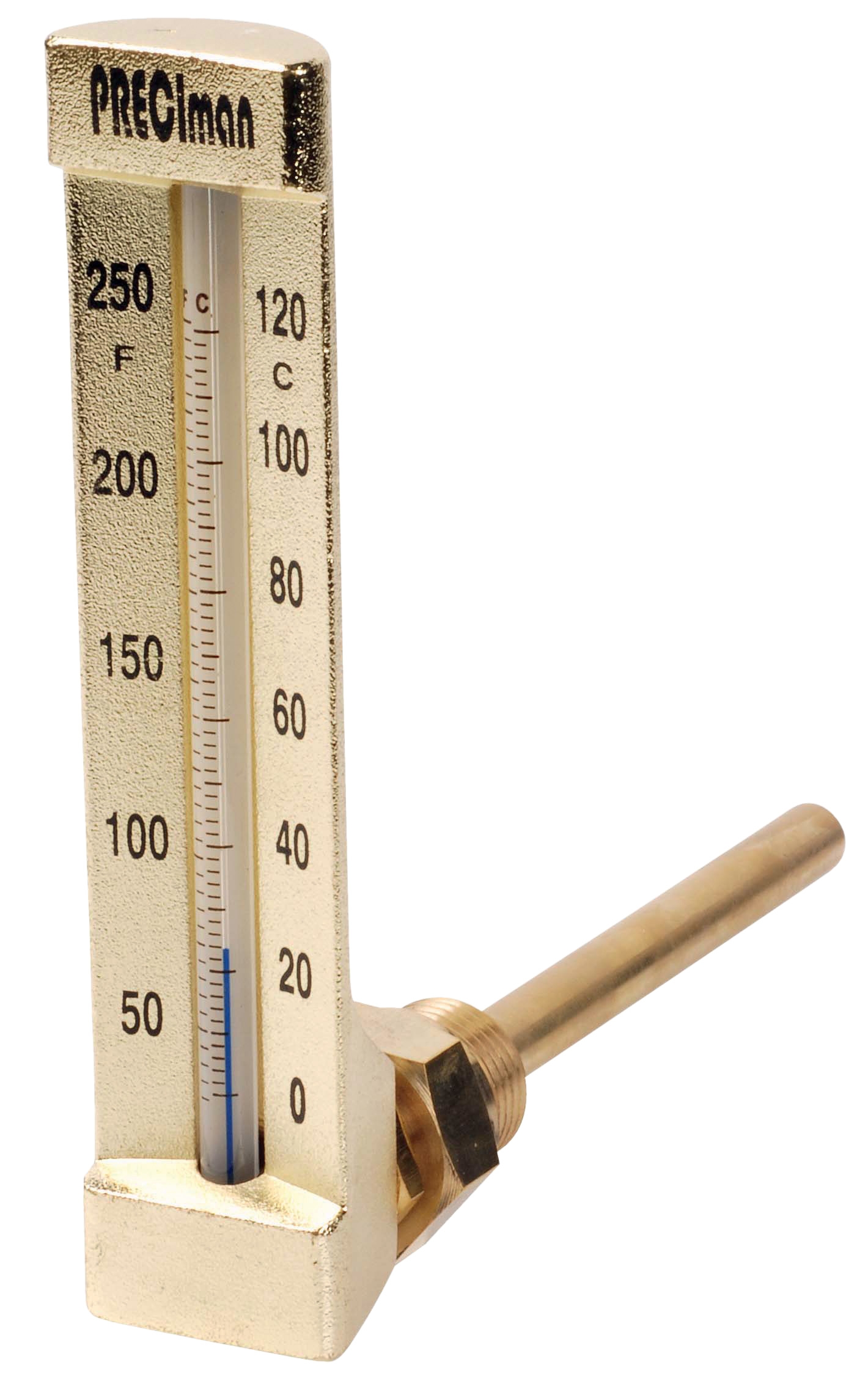
Higher-temperature industrial processes—furnaces, process heaters, industrial ovens—require the CBM Industrial Thermometer (0/+50°C) with its robust right-angle design for horizontal pipe mounting and extended immersion depth.
Implementing Measurement & Detection into Maintenance Workflows
Creating Effective Temperature Monitoring Routes
Successful Measurement & Detection programs establish systematic monitoring schedules that balance data collection frequency with resource availability. Maintenance teams typically implement three monitoring tiers:
- Critical Equipment Daily Monitoring: Machines with high failure consequences (chillers, compressors, process pumps) receive daily temperature checks at standardized measurement points. These readings create time-series data revealing true operating patterns and seasonal variations.
- Standard Equipment Weekly Monitoring: Mid-criticality equipment receives weekly temperature measurements. This frequency captures most developing problems while maintaining practical resource allocation.
- Non-Critical Equipment Monthly Monitoring: Support equipment monitored monthly provides baseline data while requiring minimal time investment.
Implementing this tiered Measurement & Detection approach requires standardized procedures: consistent measurement locations, documented baseline temperatures, established deviation thresholds, and clear escalation protocols when abnormal conditions appear.
Integrating Electrical Diagnostics with Thermal Measurement & Detection
Electrical equipment often shows thermal signatures linked to electrical degradation. Motor bearings heating up may indicate winding problems affecting rotor dynamics. Transformer temperature rise often precedes insulation failure. Electrical connection hot spots predict junction failures.
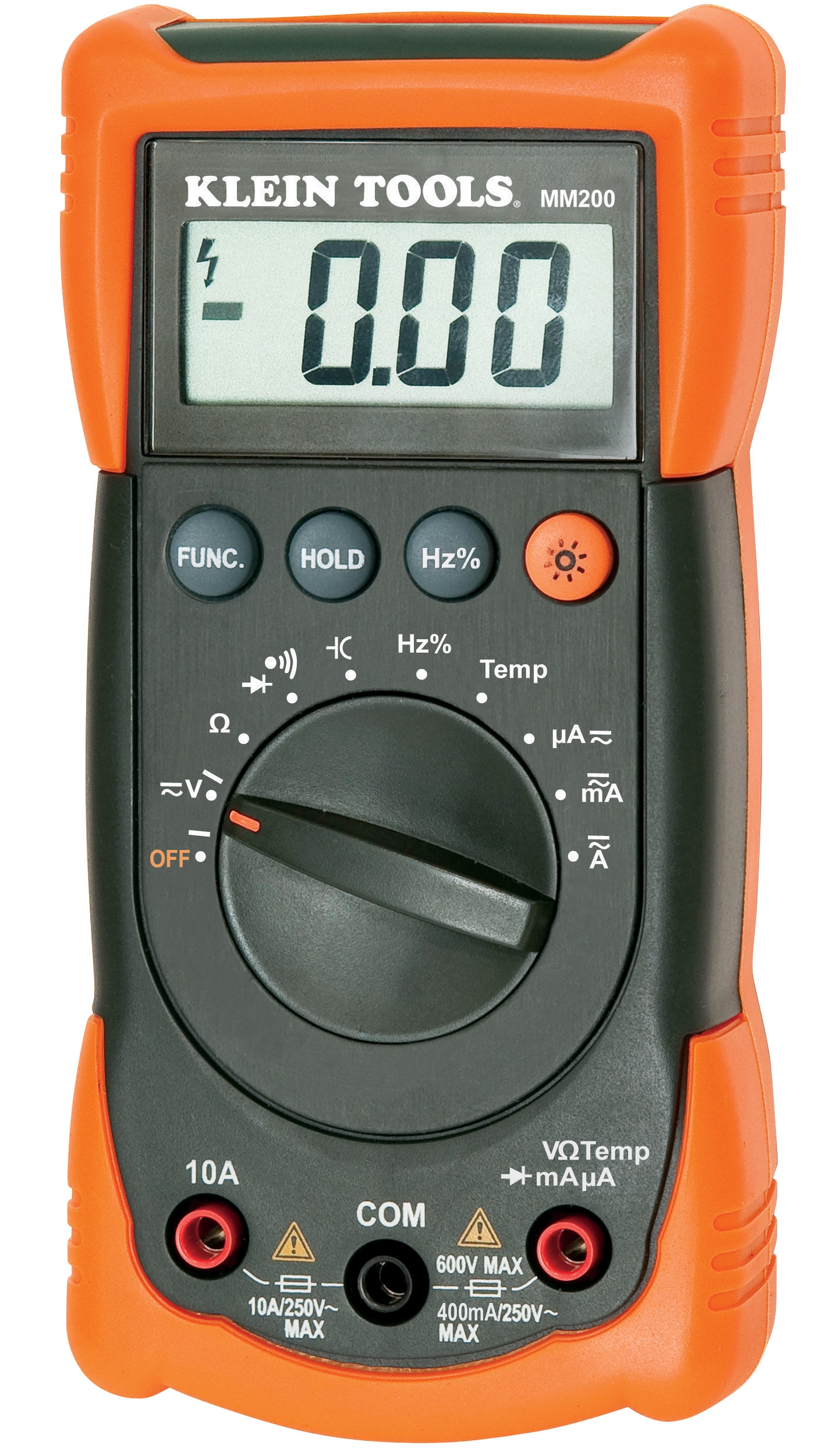
The CBM Automatic Multimeter MM420 extends Measurement & Detection capabilities into electrical diagnostics. Used alongside thermal monitoring, the multimeter reveals resistance increases in connections (measured in milliohms), voltage imbalances in three-phase systems, and continuity problems affecting bearing current paths. This combined electrical-thermal Measurement & Detection approach identifies root causes rather than just symptoms.
For example, an electric motor showing 5°C temperature rise above normal baseline might indicate bearing wear (thermal-only diagnosis), but multimeter resistance testing of the terminal connections might reveal a 0.8-ohm connection resistance (normal: 0.1 ohm) causing resistive heating and the temperature rise. The Measurement & Detection integration directs maintenance to clean and retorque the connection rather than replacing the bearing.
Managing System Pressurization and Pressure Measurement
Expansion tanks in closed-loop heating and cooling systems require proper pressurization for safe operation and thermal expansion accommodation. Improper pressurization creates measurement challenges—pressure gauges provide false readings, temperature sensors give inconsistent results due to cavitation, and system efficiency deteriorates.
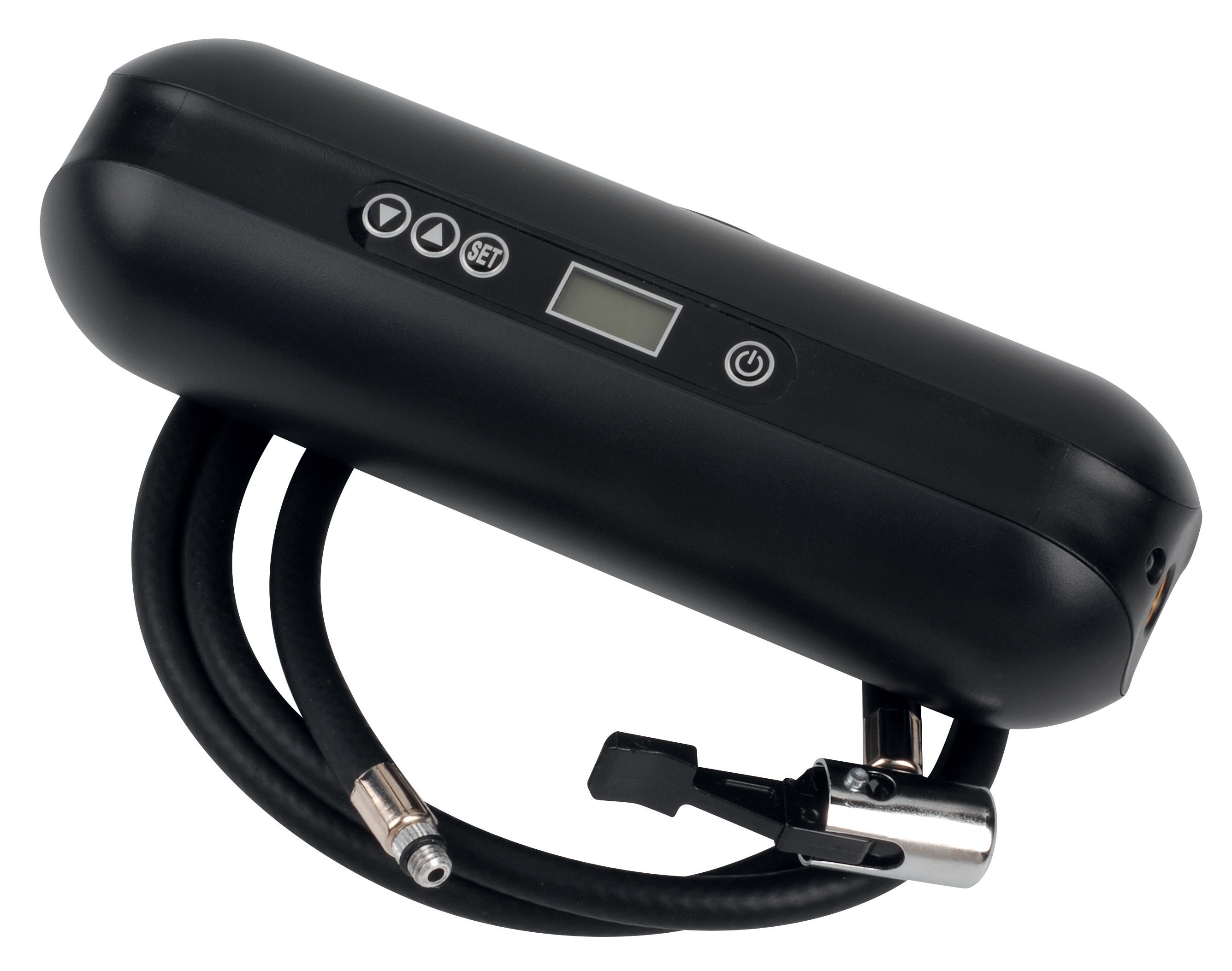
The CBM Expansion Tank Inflator Battery 2000 mAH enables maintenance teams to verify and maintain correct system pressurization without system shutdown. Proper pre-charge pressure ensures expansion tank bladders function correctly, maintaining stable system pressure that allows accurate Measurement & Detection of system temperatures and performance. This preventive maintenance task—taking 15 minutes during a scheduled service—prevents chronic measurement problems and thermal regulation failures.
Incorporating pressure verification into the Measurement & Detection routine ensures that temperature readings reflect actual system performance rather than pressure-related artifacts. A system showing inconsistent temperature readings despite equipment operating normally may have pre-charge pressure drift. Measurement & Detection protocols that include periodic pressure verification eliminate this confounding variable.
Building a Predictive Maintenance Program with Measurement & Detection
Establishing Baseline Data and Alert Thresholds
Effective Measurement & Detection programs require baseline establishment during equipment commissioning and normal operation. Measuring equipment under standard loading conditions establishes normal temperature signatures. This baseline becomes the reference point for alert thresholds.
Maintenance teams typically implement two threshold levels:
- Caution Threshold (Yellow Alert): Typically 5-10°C above normal baseline, caution thresholds trigger increased monitoring frequency. Maintenance teams investigate potential causes but defer corrective action unless secondary indicators confirm problems. Caution thresholds catch developing issues early while avoiding false alarms.
- Critical Threshold (Red Alert): Typically 15-20°C above baseline or equipment-specific maximum limits, critical thresholds require immediate investigation and corrective action. Equipment often receives temporary shutdown for safety until problems are resolved.
This tiered Measurement & Detection approach prevents alert fatigue while ensuring genuinely concerning conditions receive attention. Over 35 years of experience shows that facilities using graduated alert thresholds maintain higher equipment availability and operator engagement than those using single binary thresholds.
Documenting Measurement & Detection Results
Measurement & Detection data only provides value when systematically recorded and analyzed. Maintenance teams should document:
- Date, time, and ambient conditions during measurements
- Equipment operating status (idle, part load, full load) and runtime hours since last measurement
- Measurement location and instrument type
- Actual temperature reading and comparison to baseline
- Any observed operational abnormalities (unusual sounds, vibration, smell)
- Technician name and follow-up actions initiated
This structured documentation enables trend analysis, seasonal pattern identification, and predictive modeling. After 6-12 months of data collection, facilities can confidently establish equipment-specific alert thresholds based on actual performance rather than generic recommendations.
Seasonal and Loading Considerations
Measurement & Detection programs must account for operational variables affecting temperature readings. Summer ambient temperatures cause chiller and cooler temperatures to rise proportionally. Winter operations load heating equipment heavily. Production ramp-ups change motor loading and therefore thermal signatures.
Sophisticated Measurement & Detection programs normalize readings by accounting for ambient temperature, production load, and runtime conditions. A motor running 12 hours per day at 60% load will show different temperature signatures than the same motor running 20 hours daily at 90% load, despite identical equipment condition.
Maintenance teams using 3G Electric's extended product range implement comparative analysis: establishing baseline readings across various operating conditions, then comparing current measurements to the appropriate historical baseline. This conditional Measurement & Detection approach dramatically improves predictive accuracy and reduces false alarms.
Best Practices for Sustained Measurement & Detection Programs
Successful predictive maintenance depends on consistency and discipline. Measurement & Detection programs fail when monitoring becomes irregular, documentation lapses, or results don't trigger action. Maintenance teams achieving best results:
- Standardize Equipment: Using consistent thermometer models across similar equipment ensures comparable readings and reduces learning curve for technicians.
- Establish Routes and Schedules: Route-based monitoring systematizes Measurement & Detection, ensuring no equipment is overlooked and data collection remains predictable.
- Train Technicians Thoroughly: Proper measurement technique, instrument calibration, and baseline interpretation require training. Investment in technician education pays dividends in data quality and decision-making.
- Review Data Regularly: Monthly review of Measurement & Detection trends identifies patterns invisible in individual readings. Excel spreadsheets or dedicated CMMS software enable simple trend visualization.
- Adjust Based on Results: As baseline data accumulates, refine alert thresholds, monitoring frequencies, and equipment prioritization. Let actual equipment behavior inform program adjustments rather than maintaining static generic guidelines.
- Maintain Instruments Properly: Thermometers require periodic verification against known references. Multimeters need regular recalibration. Inflators require battery replacement. Equipment maintenance ensures Measurement & Detection accuracy.
With over 35 years supporting global maintenance operations, 3G Electric understands that Measurement & Detection is not a one-time purchase but an ongoing capability requiring investment, discipline, and proper tools. Organizations committing to systematic thermal and electrical measurement find that preventive maintenance investments return multiples of their cost through reduced emergency repairs, improved safety, and extended asset life.