Understanding Measurement & Detection as an Integrated Discipline
Measurement & Detection encompasses far more than isolated point checks. Modern industrial environments demand coordinated monitoring across multiple physical parameters simultaneously. Procurement engineers must understand that effective measurement & detection strategies involve selecting complementary instruments that work together within a unified diagnostic framework.
The evolution of industrial monitoring has shifted from reactive troubleshooting to proactive system health assessment. Rather than responding to failures, contemporary operations use integrated measurement & detection to identify degradation patterns, predict maintenance windows, and optimize equipment performance. With 35+ years of experience in industrial equipment distribution, 3G Electric has observed this transformation across manufacturing, HVAC, pneumatic, and process control sectors globally.
Successful measurement & detection implementation requires understanding four critical dimensions: the parameters being monitored, the detection technology employed, the integration methodology, and the data interpretation framework. Procurement engineers who grasp these elements can specify systems that deliver actionable insights rather than merely collecting numbers.
Core Measurement & Detection Parameters in Industrial Systems
Gas Detection and Environmental Safety
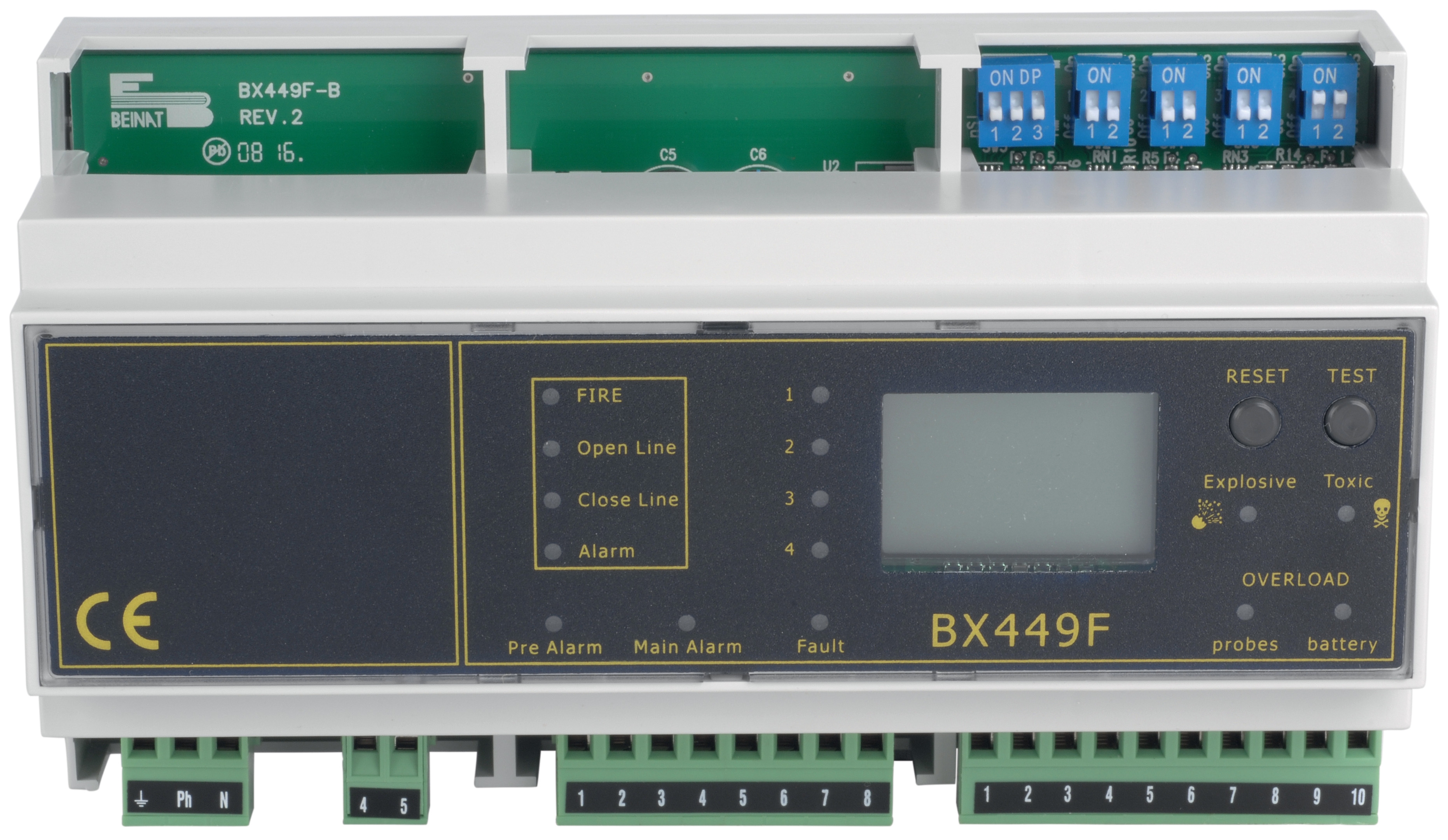
Gas detection represents one of the most critical measurement & detection applications, particularly in facilities handling compressed gases, chemical processes, or environments with combustion risks. Modern gas detection centers like the CBM Gas detection center Din rail 8 probes - 12V provide centralized monitoring of multiple gas parameters simultaneously.
These systems detect hazardous gases including methane, carbon monoxide, oxygen depletion, and volatile organic compounds. The advantage of centralized detection centers lies in their ability to integrate multiple probe inputs into a single monitoring point with standardized alert protocols. For procurement engineers, this means reduced wiring complexity, simplified calibration procedures, and consistent alarm response mechanisms across facilities.
When specifying gas detection systems, consider probe placement strategy, calibration frequency requirements, and integration with building management systems. Gas detection measurement & detection should trigger both local alarms and remote notifications, creating layered safety architecture.
Temperature Measurement and Thermal Diagnostics
Temperature monitoring pervades industrial operations—from bearing health assessment to process optimization to environmental control. Surface temperature sensors like the CBM Surface temperature sensor TE-SNW-E enable non-invasive thermal measurement & detection at critical equipment locations.
Surface sensors differ fundamentally from immersion thermometers. They measure equipment skin temperature without direct contact, making them ideal for rotating machinery, electrical enclosures, or locations where probe insertion is impractical. Procurement engineers must specify sensors compatible with the measurement range required—typically -20°C to +120°C for industrial applications, though specialized sensors extend beyond these limits.
Effective temperature measurement & detection requires understanding sensor response time (how quickly the sensor reflects actual temperature changes) and accuracy requirements. Industrial-grade surface sensors typically offer ±2°C accuracy with response times of 5-10 seconds, sufficient for predictive maintenance but inadequate for process control requiring ±0.5°C precision.
Pressure Measurement Across Operating Ranges
Pressure measurement represents perhaps the most fundamental measurement & detection requirement in pneumatic, hydraulic, and process systems. Industrial applications span enormous pressure ranges—from low-pressure HVAC systems operating at 0-1 bar to high-pressure hydraulics exceeding 250 bar.
The CBM Green ABS pressure gauge D63 0/+1bar G1/4 and CBM ABS green gauge D50 0/+250bar G1/4 exemplify how pressure measurement & detection must be matched to specific operating envelopes. Specifying the wrong gauge range creates either insensitivity (oversized gauge on low-pressure system) or unreliable readings (undersized gauge exposed to pressure spikes).
Procurement engineers should understand that analog gauges provide immediate visual feedback without electronic dependencies, while digital pressure transmitters enable remote monitoring and integration with control systems. Hybrid approaches—combining analog gauges for operator visibility with electronic transmitters for system monitoring—offer redundancy and operational flexibility.
Electrical Measurement and Parameter Verification
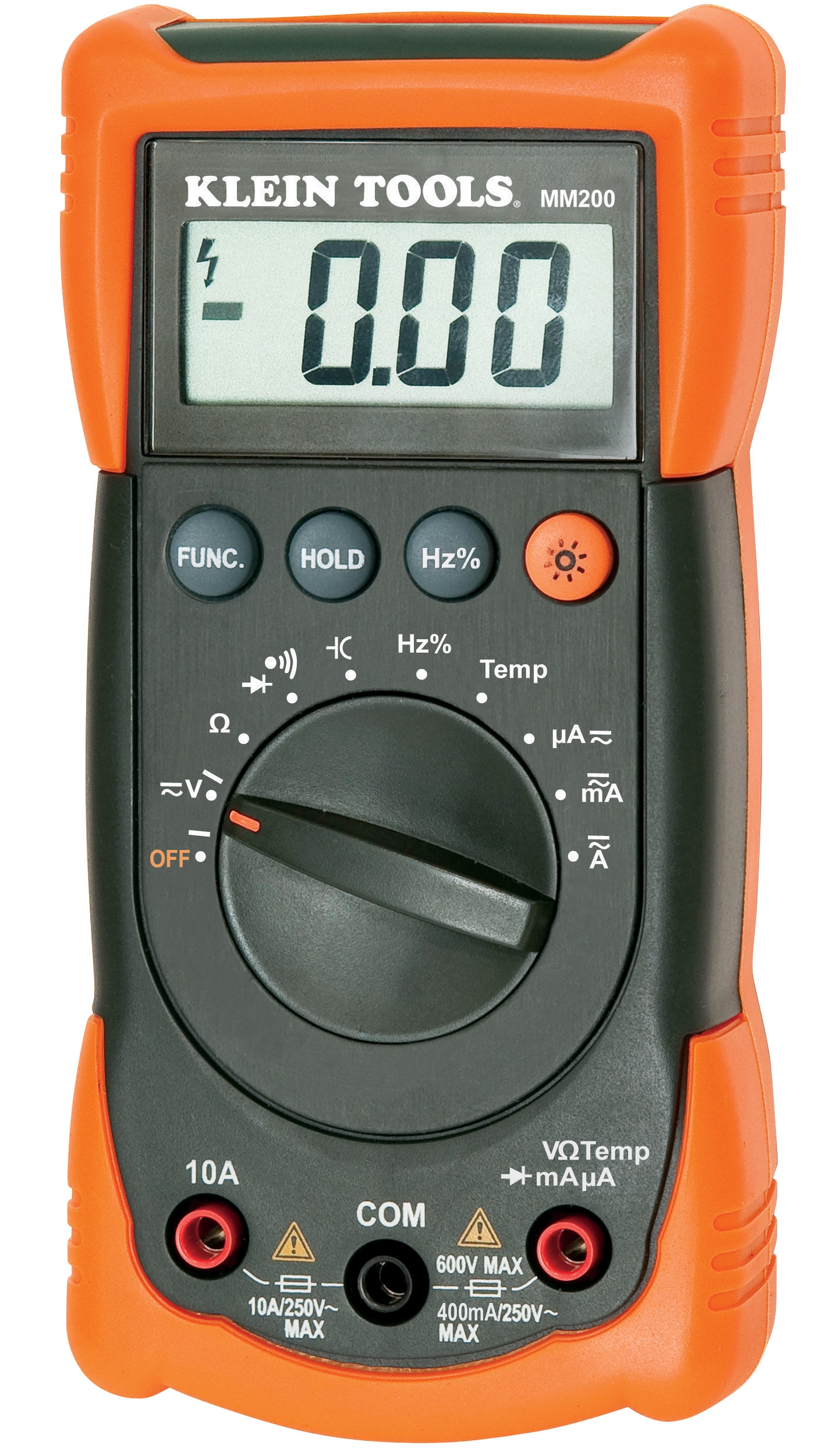
Electrical measurement & detection completes the multi-parameter monitoring picture. The CBM Automatic multimeter MM420 provides comprehensive electrical diagnostics including voltage, current, resistance, and continuity measurements across AC and DC circuits.
Automated multimeters simplify measurement & detection procedures by reducing operator error and standardizing test protocols. Automatic ranging—where the instrument selects appropriate measurement scales—accelerates diagnostics and permits less-experienced technicians to generate reliable data. For procurement engineers, this translates to reduced training requirements and improved consistency in electrical system assessment.
Electrical measurement & detection integrates with temperature and pressure monitoring through equipment health analysis. Elevated motor winding resistance detected through electrical measurement & detection might correlate with bearing temperature rise detected through thermal sensors, suggesting imminent bearing failure before it becomes critical.
Strategic Integration of Measurement & Detection Systems
Creating Cohesive Monitoring Infrastructure
Individual measurement & detection instruments become truly valuable only when integrated into coordinated monitoring networks. Strategic integration means selecting compatible instruments that share communication protocols, operate within consistent accuracy specifications, and feed data into unified analysis platforms.
Procurement engineers should establish clear integration hierarchies. Centralized monitoring points like the CBM gas detection center operate at network hubs, collecting inputs from distributed sensors (temperature, pressure) and instruments (multimeters). This hierarchical approach reduces complexity while maintaining comprehensive coverage.
Compatibility extends beyond mere communication protocols. Measurement & Detection systems should operate with synchronized time references, use consistent engineering units, and employ standardized alarm thresholds. When one instrument measures temperature in Celsius while others use Fahrenheit, integration complexity increases and error probability rises.
Data Architecture and Interpretation Frameworks
Measurement & Detection data becomes actionable only through proper interpretation. Modern approaches employ multiple data streams to create sophisticated understanding of system health. A bearing might display normal temperature individually but excessive temperature gradient compared to baseline historical data—a pattern invisible in point measurements.
Procurement engineers should specify systems supporting data logging and historical trend analysis. The combination of real-time alerts (immediate notification of exceedances) and trend analysis (detection of gradual degradation) provides comprehensive coverage of both acute failures and chronic deterioration.
Software platforms integrating measurement & Detection data should support both threshold-based alerts and predictive analytics. A pressure gauge reading 5% above nominal might require investigation, but a pressure trending upward at 2 bar per week suggests approaching critical failure even though current readings remain acceptable.
Calibration and Measurement Assurance
Measurement & Detection systems degrade over time. Drift—gradual deviation from true values—is inevitable in all instruments. Procurement engineers must establish calibration schedules and verification procedures ensuring measurement & Detection system reliability.
Centralized systems like gas detection centers typically require annual calibration and monthly function testing. Individual instruments (gauges, multimeters, temperature sensors) follow manufacturer-specific schedules influenced by usage intensity and environmental conditions. Integrating calibration tracking into procurement management prevents organizations from operating with degraded measurement & Detection capabilities.
Measurement & Detection system specifications should include traceability requirements—ability to trace results back to recognized standards. This distinction separates casual measurement from legitimate diagnostics suitable for safety-critical or regulatory-mandated applications.
Practical Implementation Guidance for Procurement Engineers
Specification Development Checklist
When developing measurement & Detection system specifications, procurement engineers should address: parameter ranges and required accuracy, environmental conditions (temperature, vibration, chemical exposure) the instruments will endure, integration requirements and communication protocols, calibration intervals and traceability mandates, personnel skill levels and training implications, redundancy requirements and failure modes, and total cost of ownership including calibration and replacement cycles.
This structured approach prevents specification gaps that become apparent only after equipment installation.
Vendor Qualification and Technical Support
3G Electric's 35+ years as an authorized global distributor reflects deep expertise in measurement & Detection system selection and implementation. When procuring complex systems, partner with distributors offering technical consultation, multi-manufacturer expertise, and ongoing support beyond transaction completion.
Vendor qualification should consider product training availability, calibration service networks, spare parts accessibility across global operations, and technical documentation quality. Measurement & Detection systems failing to provide adequate documentation inhibit proper operation and integration.
Cost-Benefit Analysis Framework
Measurement & Detection represents significant investment, particularly for multi-parameter systems. Cost-benefit analysis should extend beyond equipment cost to include: prevented downtime value, extended equipment life through early failure detection, regulatory compliance support, personnel safety improvements, and operational optimization benefits from data-driven decision making.
A comprehensive pressure monitoring system might cost 15-20% more than traditional analog gauges but prevent a single catastrophic failure worth hundreds of times that investment. Procurement engineers capable of articulating this value proposition secure organizational support for robust measurement & Detection infrastructure.
Conclusion
Measurement & Detection in contemporary industrial environments transcends simple point measurement to encompass integrated, multi-parameter monitoring creating genuine operational intelligence. Procurement engineers who understand measurement & Detection principles—the specific parameters to monitor, appropriate detection technologies, integration methodologies, and data interpretation frameworks—can specify systems delivering exceptional value.
Successful implementation requires combining appropriate instruments like gas detection centers, temperature sensors, pressure gauges, and electrical multimeters into cohesive monitoring networks with standardized protocols, documented calibration procedures, and data interpretation frameworks. When executed strategically, measurement & Detection systems transform from cost centers into competitive advantages enabling safer, more reliable, more efficient operations.