Understanding Singapore's Maintenance & Service Regulatory Landscape
Maintenance & Service in Singapore operates within a complex regulatory framework that extends far beyond equipment manuals. Plant managers must align operations with the Workplace Safety and Health (WSH) Act, the Energy Conservation Act, and equipment-specific standards overseen by Enterprise Singapore and relevant industry bodies.
The Ministry of Manpower (MOM) enforces strict penalties for non-compliance with maintenance standards for pressure equipment, electrical systems, and mechanical safeguards. Non-certified maintenance procedures can result in fines up to SGD 30,000 and operational shutdowns. Unlike many regional markets, Singapore regulators conduct unannounced inspections of maintenance records, spare parts inventories, and technician qualifications.
3G Electric has supported plant operations across Singapore since the 1990s, witnessing the evolution from prescriptive maintenance schedules to risk-based compliance frameworks. Our distributor network understands that effective Maintenance & Service requires synchronizing three critical elements: regulatory adherence, technical precision, and documentation rigor.
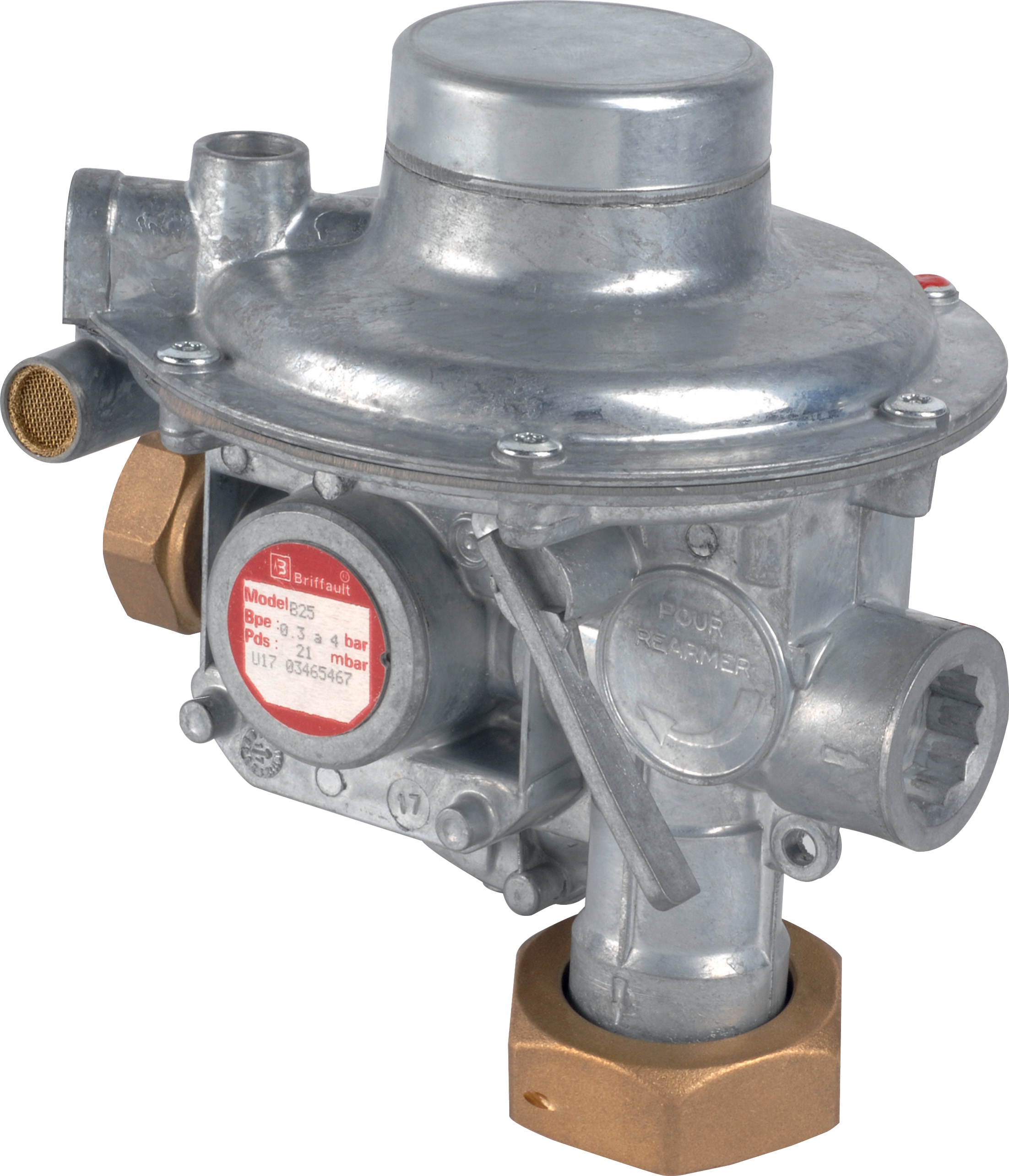
Plant managers must recognize that equipment failure in Singapore's industrial context isn't simply an operational setback—it's a compliance violation. A pressure regulator like the Francel B25/37mb with integrated safety relief isn't just a component; it's a documented control point in your compliance ecosystem.
Designing a Compliant Maintenance & Service Program
Regulatory Alignment Framework
Your Maintenance & Service program must address three regulatory domains:
Pressure Equipment Compliance: Singapore adopts the PED (Pressure Equipment Directive) framework through the Singapore Standards institution. Any system operating above 0.5 L and 0.5 bar requires documented inspection schedules. High-pressure industrial pumps—such as the Pratissoli KF30 operating at 200 bar—demand annual third-party certification and pressure testing logs maintained for 10 years minimum.
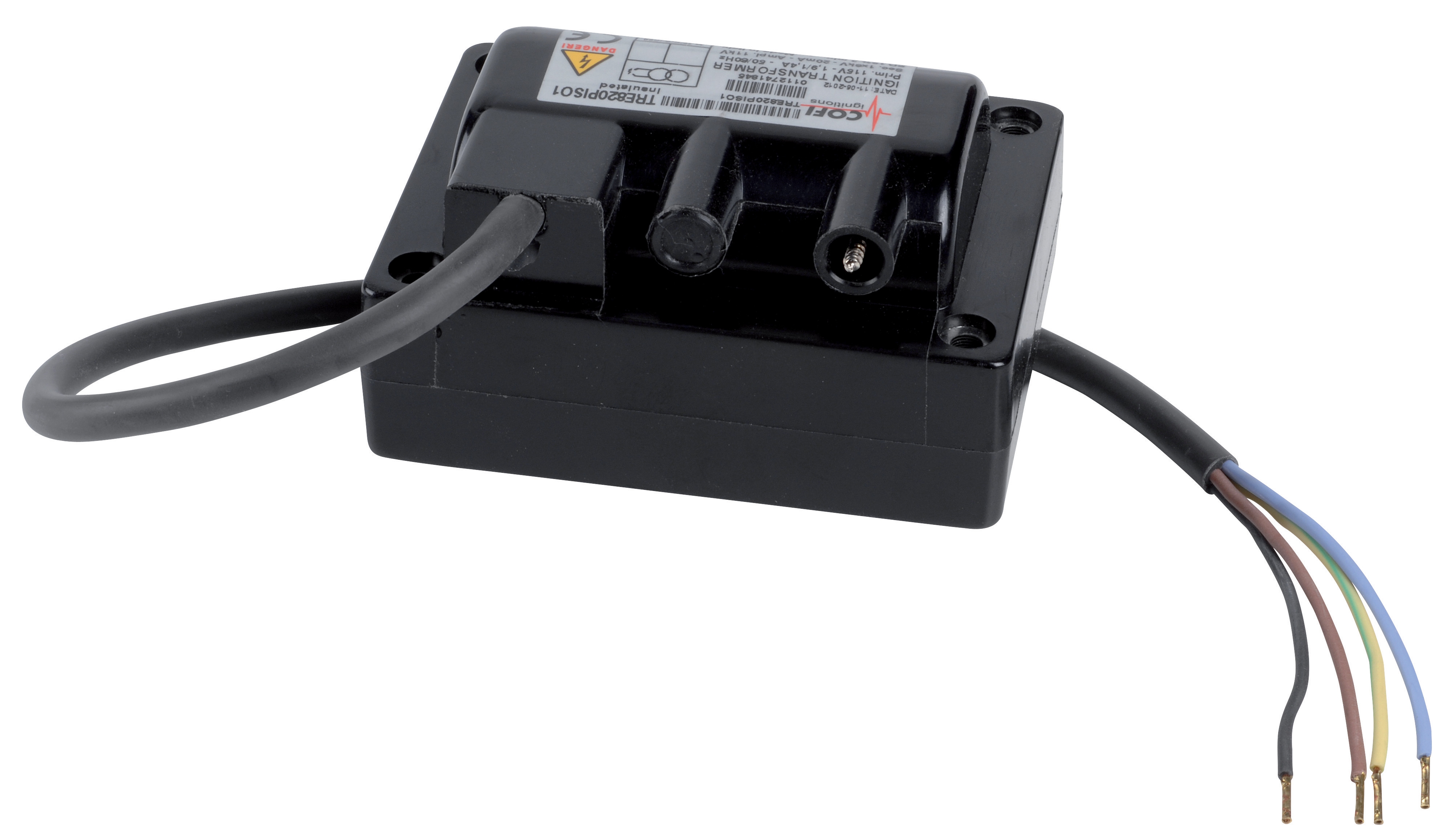
Electrical Safety Standards: Combustion control components like the Cofi TRE 820 Piso1 ignition transformer must operate under SS 638 (Code of Practice for Electrical Installations). Your Maintenance & Service documentation must prove regular insulation testing, earth continuity verification, and thermal stress monitoring.
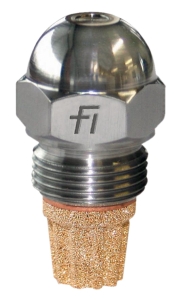
Energy Efficiency Requirements: The Energy Conservation Act mandates that industrial burner systems, oil supply units, and fuel delivery components maintain efficiency benchmarks. Your maintenance records must demonstrate adherence through periodic combustion analysis and nozzle performance verification using components like the CBM Fluidics 1.35 45° SF oil nozzle.
Documentation Systems That Satisfy Regulators
Singapore's regulatory bodies expect granular, time-stamped documentation. Your Maintenance & Service record system should capture:
- Pre-maintenance baseline readings: Pressure, flow rate, temperature, and electrical parameters recorded before work begins
- Technician credentials: License numbers, competency certifications, and sign-offs on specific tasks
- Spare parts traceability: Serial numbers, supplier documentation, and batch records for critical components
- Non-conformance logs: Deviations from standard procedures with root cause analysis and corrective actions
- Regulatory inspection responses: MOM correspondence, third-party audit reports, and remediation evidence
Plant managers should implement digital Maintenance & Service tracking systems that timestamp all entries and create audit trails. Handwritten logs are increasingly viewed skeptically by inspectors; electronic systems with restricted access demonstrate control and accountability.
The regulating valve Pratissoli R1/400 operating at 400 bar is a perfect example: your documentation must show quarterly bench testing, performance curve verification, and calibration against certified standards. Without this documentation, you cannot defend non-compliance if the regulator discovers operational drift.
Critical Maintenance & Service Intervals and Compliance Verification
Pressure Equipment Maintenance Schedule
Singapore's compliance framework requires risk-based inspection intervals:
- Monthly: Visual inspection for leaks, corrosion, or deformation on all pressure vessels and regulating components
- Quarterly: Functional testing of safety relief devices (pressure regulators must achieve set-point verification)
- Annually: Third-party non-destructive testing (ultrasonic thickness measurement for vessels; pressure testing for regulators)
- Every 2 years: Valve body and seal replacement for high-cycle devices operating above 250 bar
- Every 5 years: Complete system hydrostatic pressure testing with certified test reports
For the Francel B25/37mb safety relief regulator, your quarterly Maintenance & Service protocol must verify that the 37 mbar outlet pressure holds within ±2% tolerance and the 10 mm vent size permits unobstructed relief flow during overpressure events.
Pump System Maintenance & Service Protocols
Industrial pump systems like the Pratissoli KF30 (106 L/min, 200 bar, 40 kW) require integrated Maintenance & Service planning:
Preventive maintenance checklist:
- Monthly: Check oil level, color, and viscosity; inspect shaft seals and coupling alignment
- Quarterly: Verify discharge pressure against baseline (track pressure trends for early degradation detection)
- Semi-annually: Change hydraulic oil per manufacturer specifications; clean inlet strainers
- Annually: Inspect pump bearings for noise or temperature rise; perform vibration analysis to detect cavitation or worn impellers
- Every 2 years: Conduct flow measurement against nameplate rating; inspect internal wear patterns
Regulating valves like the Pratissoli R1/400 must be bench-tested during pump overhauls to confirm pressure-drop characteristics match specifications. Singapore regulators increasingly require evidence of condition-based decision-making rather than time-based replacement.
Combustion and Fuel System Maintenance & Service
The Cofi TRE 820 ignition transformer and CBM Fluidics oil nozzle operate as critical safety components in industrial heating systems. Your Maintenance & Service documentation must prove:
Transformer testing (semi-annually):
- High-voltage insulation resistance testing (>1 MΩ per kV of rated voltage)
- Thermal image inspection to detect hot-spots indicative of winding degradation
- Output voltage verification under load (confirm 8000 V ±5% delivery)
- Visual inspection for carbon accumulation (excessive buildup reduces atomization efficiency)
- Spray pattern analysis using calibrated test rig (1.35 L/h ±10% flow rate confirmation)
- Pressure drop verification (nozzle must maintain 10 bar minimum for proper 45° cone geometry)
These components directly impact combustion efficiency, which Singapore's Energy Conservation Act monitors through periodic plant energy audits. Your maintenance records must demonstrate proactive optimization, not reactive repair.
Maintenance & Service Risk Management and Regulatory Defense
Failure Mode Analysis and Preventive Strategy
Plant managers must move beyond reactive Maintenance & Service to predictive risk management. Singapore's regulators favor plants that demonstrate early-warning systems:
Pressure equipment: Implement continuous or daily monitoring systems that log pressure fluctuations. Sudden drops indicate seal failure; gradual drift suggests regulator creep. The Francel B25/37mb requires baseline documentation before deployment, allowing you to defend against accusations of chronic under-performance.
Pump systems: Vibration sensors and temperature monitoring on the Pratissoli KF30 eliminate guesswork. Oil analysis programs that track particle counts, viscosity changes, and ferrous content provide objective evidence of internal wear progression. This data satisfies MOM auditors that you're managing risk actively.
Combustion systems: Real-time monitoring of the Cofi TRE 820 output voltage and the CBM Fluidics nozzle pressure creates an irrefutable record of safe operation. When regulators inquire about a specific failure event, you can demonstrate that all parameters were within specification at the preceding maintenance interval.
Spare Parts Management and Supply Chain Compliance
Singapore's MOM conducts audits of spare parts inventory to verify:
1. Authenticity: Components must be traceable to legitimate distributors (3G Electric maintains full documentation chains for all products)
2. Storage conditions: Critical items like pressure regulators and seals must be stored at controlled temperature/humidity to prevent degradation
3. Shelf life compliance: Oil-based components expire; documentation must prove rotation and disposal of outdated stock
4. Critical spare availability: High-consequence items (safety relief valves, pump seals) must be in stock before operations begin, not ordered reactively
The Francel B25/37mb, Pratissoli R1/400, and Pratissoli KF30 are all critical spares that should be carried in inventory. Inability to source these components during emergency Maintenance & Service can trigger regulatory sanctions for operational continuity violations.
Technician Qualification and Competency Documentation
Singapore's WSH framework requires that Maintenance & Service work on pressure equipment and electrical systems be performed by qualified individuals. Your plant must maintain:
- Technician certificates for pressure equipment maintenance (ASME, PED, or Singapore Standards equivalents)
- Electrical competency certifications for work on ignition transformers
- Training records showing annual refresher courses on regulatory updates
- Documented sign-offs linking specific technicians to specific maintenance tasks
When MOM inspects, they cross-reference technician credentials to the maintenance records. A repair performed by an unqualified technician—even if technically sound—is a compliance violation that can result in shutdown orders.
Implementation Roadmap for Plant Managers
Phase 1: Regulatory Gap Assessment (Week 1-2)
Conduct an audit comparing your current Maintenance & Service program to Singapore's WSH requirements, PED standards, and Energy Conservation Act. Identify specific gaps in documentation, technician qualifications, and equipment baseline data.
Phase 2: Documentation System Deployment (Week 3-6)
Implement a digital Maintenance & Service tracking platform that captures all required regulatory data points. Migrate historical records into the system to establish baseline performance profiles for pressure regulators, pumps, and combustion components.
Phase 3: Technician Competency Alignment (Week 7-12)
Arrange certifications for maintenance personnel. This may require external training—ensure completion before critical equipment is serviced under new compliance standards.
Phase 4: Baseline Testing and Supply Chain Preparation (Week 13-16)
Conduct initial pressure testing, vibration analysis, and combustion verification on all critical systems. Establish qualified supplier relationships (3G Electric's distributor network can support spare parts procurement and technical documentation) and build critical spare parts inventory.
Phase 5: Continuous Monitoring and Audit Readiness (Ongoing)
Implement predictive monitoring systems, train staff on documentation protocols, and conduct mock MOM audits quarterly. Your Maintenance & Service program should be self-auditing—any regulator inspection should find comprehensive, accurate records demonstrating proactive risk management.
Leveraging Industry Expertise for Compliance Success
3G Electric's 35+ years of experience distributing industrial equipment across Singapore positions us as a knowledge partner in Maintenance & Service compliance. We supply critical components—from the Francel B25/37mb pressure regulator to the Pratissoli KF30 pump—and maintain detailed technical documentation that supports your regulatory defense.
When you source components through 3G Electric, you gain access to manufacturer specifications, maintenance protocols, and spare parts traceability that satisfy Singapore regulators. Our distributor relationships span European and Italian equipment makers (Pratissoli, Francel, Cofi, CBM Fluidics) whose designs align with Singapore's adopted standards.
Plant managers should view Maintenance & Service not as a cost center but as regulatory insurance. Investing in documentation rigor, technician training, and predictive monitoring eliminates the risk of MOM-triggered shutdowns and demonstrates operational excellence to insurance underwriters and customers auditing your supply chain.
Your Maintenance & Service program reflects your plant's maturity. Singapore's regulatory environment rewards plants that manage risk systematically and defend their operations with data.