Understanding Maintenance & Service Scheduling in Singapore's Industrial Context
Maintenance & Service planning represents one of the most critical operational responsibilities for plant managers. With over 35 years of experience supplying industrial equipment across Singapore and Southeast Asia, 3G Electric has observed that plants using structured maintenance schedules achieve 40-60% fewer unexpected failures than reactive facilities.
The tropical climate and humidity in Singapore create specific challenges for industrial equipment. High moisture levels accelerate corrosion on seals and valve components, while temperature fluctuations affect fluid viscosity in pumps and pressure systems. Without a systematic Maintenance & Service approach, these environmental factors can reduce equipment lifespan by 30-50% compared to properly maintained installations.
Developing an effective Maintenance & Service schedule requires understanding three key elements: baseline operating parameters, environmental stress factors, and component replacement intervals. This guide provides plant managers with a practical framework to establish schedules that align with operational demands and manufacturer specifications.
Building Your Maintenance & Service Data Collection Framework
Establishing Baseline Performance Metrics
Before creating a Maintenance & Service schedule, you must establish baseline performance data for each critical equipment piece. This involves recording:
- Operating pressure and flow rates: Monitor discharge pressure, inlet conditions, and actual flow compared to nameplate specifications
- Temperature profiles: Track motor temperature, fluid temperature, and ambient conditions during operation
- Vibration and noise levels: Document normal operating vibration signatures to identify early degradation
- Current consumption: Measure motor amperage to detect increased friction or mechanical drag
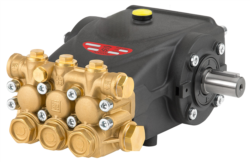
For example, the Pratissoli KF30 pump, which operates at 200 bar and delivers 106 L/min, should show stable pressure and flow within 5% of these specifications under normal load. Any deviation suggests internal wear requiring scheduled inspection.
Environmental Monitoring in Singapore Facilities
Singapore's industrial environment demands specific Maintenance & Service attention:
- Humidity tracking: Record ambient humidity levels (typically 70-90% in Singapore). High humidity accelerates corrosion on external components and promotes condensation inside valve blocks and pump casings
- Temperature cycling: Monitor facility temperature swings, particularly in non-air-conditioned areas or equipment exposed to direct sunlight
- Fluid contamination levels: Singapore's dust and particulate levels require more frequent fluid sampling and analysis compared to temperate climates
- Seasonal variations: Track performance during periods of high or low operational demand
Establish a simple log—digital or paper-based—that documents these conditions weekly. This baseline data becomes invaluable when troubleshooting performance issues and justifying maintenance investments to senior management.
Designing Your Maintenance & Service Interval Schedule
Component-Specific Service Intervals
Different components require different Maintenance & Service frequencies. The following intervals represent best practices for Singapore operations, though your specific environment may require adjustment:
High-Pressure Pumps (such as the Interpump VHT4721 SX delivering 21 L/min at 140 bar):
- Weekly inspection: Visual check for oil leaks, unusual noise, and vibration
- Monthly service: Verify discharge pressure and flow rate; inspect inlet filter
- Quarterly maintenance: Change inlet filter, sample fluid for contamination analysis
- Annual overhaul: Remove and inspect pump impeller, seals, and bearings; replace wear rings if clearances exceed 0.15mm
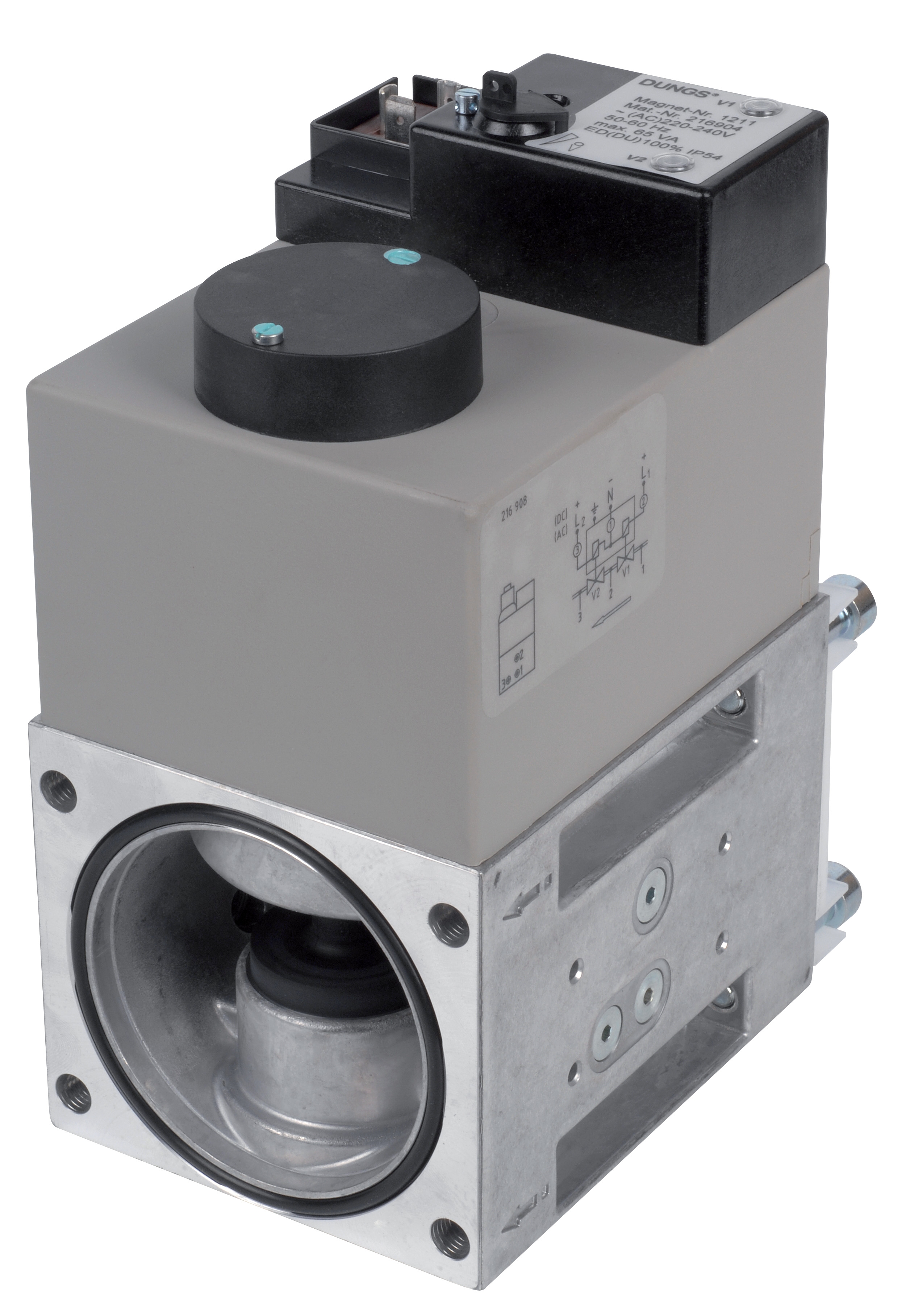
- Monthly inspection: Test solenoid coil resistance (should match nameplate ±5%)
- Quarterly service: Verify valve seating with manual operation; inspect connector corrosion
- Semi-annual maintenance: Clean valve internals; replace gaskets and seals
- Annual replacement: Solenoid coil diaphragms typically degrade after 12 months in humid environments
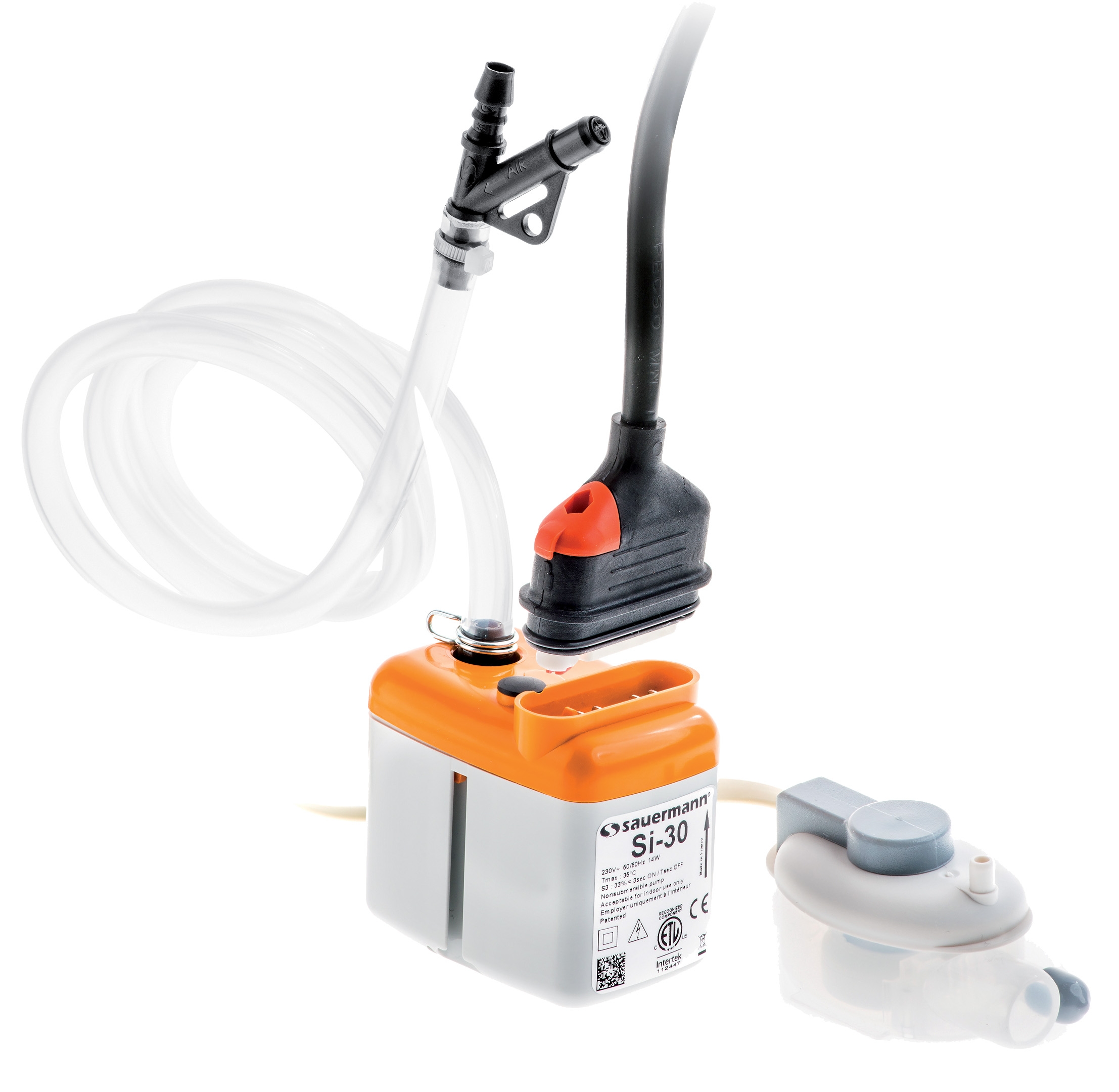
- Weekly check: Verify water level in condensate tank; confirm thermal protection function
- Monthly service: Test float switch operation; inspect discharge line for blockages
- Quarterly maintenance: Clean pump inlet screen; verify discharge pressure
- Annual overhaul: Replace seals; inspect impeller for corrosion; test thermal cutout at 115°C
- Daily operation log: Record start/stop cycles, pressure spikes, and any unusual behavior
- Monthly inspection: Test valve opening and closing response; check for external leaks
- Quarterly service: Flush system with approved flushing fluid; inspect internal passages
- Semi-annual maintenance: Disassemble valve body; clean spool surfaces; replace seals
- Annual replacement: The integrated valve components typically require replacement after 12-18 months of continuous operation
Adjusting Intervals for Singapore Conditions
Plant managers should increase standard Maintenance & Service intervals by 20-30% in Singapore due to:
- Accelerated seal degradation: Humidity causes rubber components to degrade faster than in temperate climates
- Fluid oxidation: Higher temperatures reduce hydraulic fluid lifespan; establish more frequent fluid sampling schedules
- Corrosion of steel components: Solenoid valve coils and pump housings require protective coatings; inspect quarterly instead of semi-annually
- Dust infiltration: Singapore's industrial areas experience higher particulate contamination; upgrade to higher-efficiency inlet filters and increase change frequency
Implementing Maintenance & Service Documentation and Tracking
Creating Your Maintenance Log System
Establish a centralized Maintenance & Service documentation system. Whether digital (using CMMS software) or paper-based, this system must track:
For each equipment unit:
- Equipment ID, manufacturer, model, serial number, installation date
- Nameplate specifications (pressure, flow, power, rpm)
- Maintenance schedule requirements
- Service history with dates and findings
- Parts replaced and costs
- Downtime incidents and root causes
- Date and technician name
- Operating hours and cumulative runtime
- Measurements (pressure, flow, temperature, vibration)
- Visual inspection findings (leaks, corrosion, contamination)
- Parts replaced (part number, cost, reason for replacement)
- Next scheduled service date
- Any deviations from normal operation
Building Predictive Indicators
After 6-12 months of data collection, you'll identify patterns that enable predictive Maintenance & Service:
- Pressure trend analysis: If discharge pressure gradually increases 2-3% monthly, internal seal wear is beginning; schedule overhaul for 4-6 weeks ahead
- Flow rate decline: If flow drops 5% below baseline while pressure remains constant, inlet filter or pump inlet is partially blocked
- Temperature creep: If motor temperature increases 5-10°C above normal without load changes, friction is increasing; plan maintenance within 2-3 weeks
- Vibration signatures: Increased vibration often precedes bearing failure by 4-8 weeks; high-frequency vibration suggests seal wear
- Fluid analysis trends: Rising viscosity, water content, or particle count indicates accelerated degradation; adjust service intervals accordingly
Using these predictive indicators, plant managers can schedule Maintenance & Service during planned downtime rather than responding to unexpected failures, reducing emergency repair costs by 50-70%.
Managing Maintenance & Service Resources and Budgeting
Cost-Benefit Analysis for Preventive Maintenance & Service
Plant managers often face budget constraints when justifying preventive Maintenance & Service investments. Present this comparison to finance teams:
Reactive Maintenance (No Schedule):
- Emergency repair: $8,000-15,000 per failure
- Replacement equipment rental: $2,000-5,000 per day
- Production downtime: $50,000+ per day (varies by facility)
- Collateral damage: Pressure spikes can damage multiple components
- Average annual cost: $150,000-300,000+ for critical equipment
- Quarterly inspections: $800-1,200 each
- Annual overhauls: $3,000-6,000 each
- Planned parts replacement: $2,000-4,000 annually
- Planned downtime: 4-8 hours per year
- Average annual cost: $20,000-35,000 for the same equipment
Over a 5-year equipment lifecycle, preventive Maintenance & Service saves $500,000-1,000,000+ while extending equipment life by 3-5 years and improving production reliability.
Selecting a Maintenance & Service Supplier Partner
With 35+ years serving Singapore's industrial market, 3G Electric provides access to high-quality components and technical expertise to support your Maintenance & Service program:
- Genuine replacement parts: We supply authentic components from Interpump, Grundfos, Pratissoli, and DUNGS to ensure compatibility and warranty coverage
- Technical documentation: Access to original equipment specifications, maintenance manuals, and service bulletins
- Inventory availability: Strategic stock of common wear components reduces downtime when parts are needed urgently
- Expert consultation: Technical support teams can review your Maintenance & Service logs and recommend interval adjustments based on your operating conditions
When developing your annual Maintenance & Service budget, allocate 10-15% of equipment acquisition cost annually. This figure accounts for both routine maintenance and unexpected part replacements.
Conclusion
Maintenance & Service excellence is not achieved through random inspections—it requires systematic data collection, analysis, and planned interventions based on your specific operational environment. Plant managers in Singapore who implement structured Maintenance & Service schedules consistently report improved equipment reliability, reduced downtime costs, and extended equipment lifespan.
Begin by selecting 2-3 critical equipment pieces (typically the highest-cost or most-frequently-used items) and establish baseline data collection for 30 days. Use the intervals provided in this guide as your starting point, adjusting based on your actual performance data and Singapore's unique environmental conditions. Document everything, identify trends, and refine your Maintenance & Service schedule quarterly as you gain operational experience.
Partner with 3G Electric for genuine replacement components, technical resources, and expert guidance as you build your Maintenance & Service program. Our 35+ years in the Singapore market mean we understand the specific challenges your facility faces—and the solutions that work.