Understanding Flame Detection in HVAC Maintenance & Service
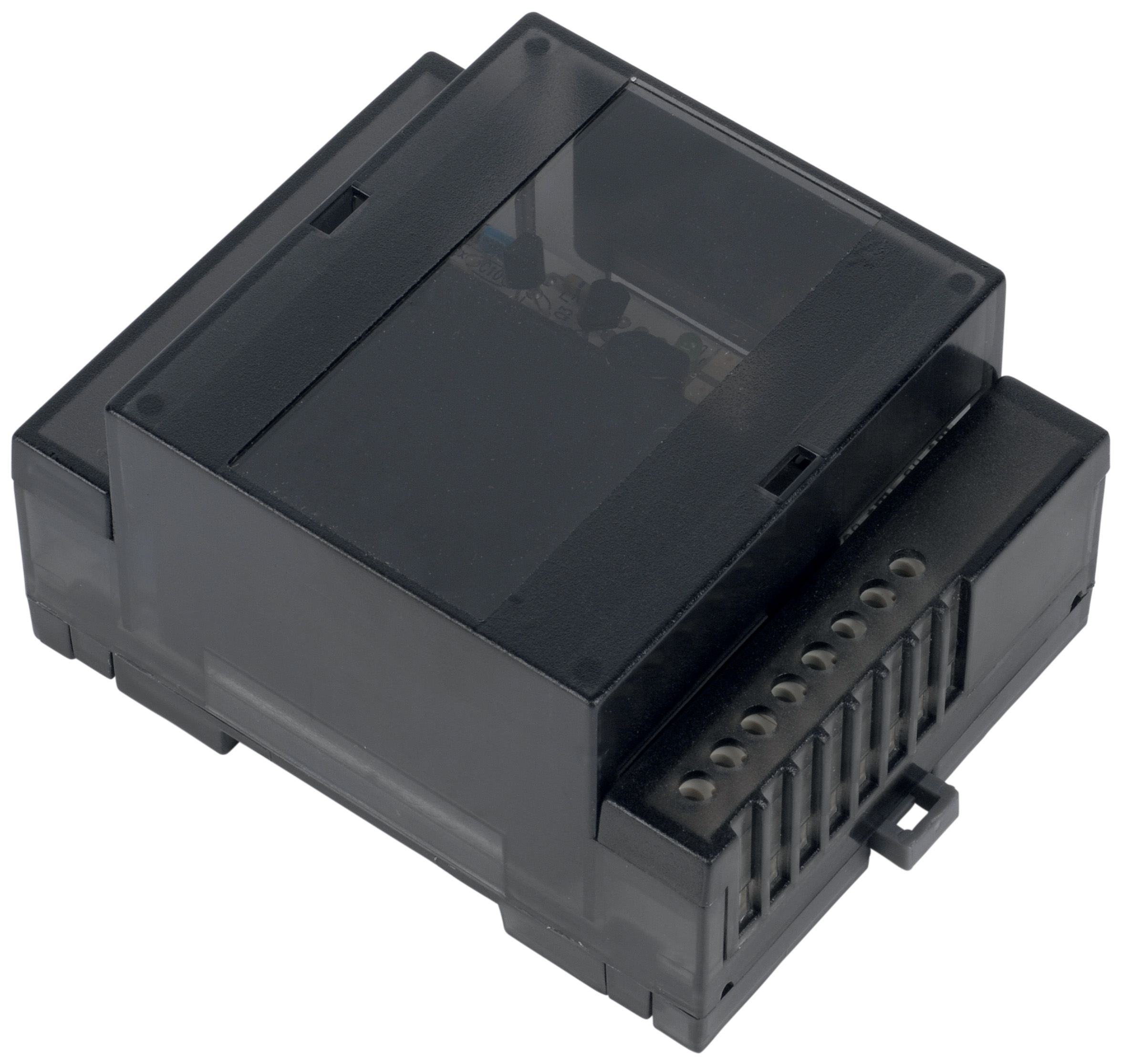
Flame detection reliability is critical in HVAC systems, yet many contractors treat flame relay inspection as secondary to pressure or temperature diagnostics. The Combutech Flame relay CF1 represents the type of combustion safety component that demands systematic Maintenance & Service attention. This module detects UV radiation from flames, providing the safety interlock that prevents fuel delivery when combustion fails—a function that directly impacts equipment longevity and facility safety.
With 35+ years of experience supplying industrial equipment globally, 3G Electric understands that flame relay failure often occurs silently until a shutdown demands diagnosis. The CF1's IP40 protection rating means it tolerates typical HVAC equipment room environments, but the polycarbonate UL94-V0 housing can degrade if exposed to heat cycling, vibration, or corrosive combustion byproducts. Your Maintenance & Service routine should include quarterly visual inspection of the relay housing for cracks, discoloration, or loosening at connector terminals.
Testing flame relay functionality requires a systematic approach. Start by verifying the relay's 1 A @ 250 VAC and 1 A @ 30 VDC ratings match your system voltage—this prevents overstress during normal operation and protects against nuisance shutdowns. Using a non-contact UV source (not actual flame), confirm the relay switches within 1–2 seconds. If response time exceeds 3 seconds or the relay fails to energize, plan replacement immediately; delayed flame detection can cause unburned fuel accumulation, creating dangerous restart conditions.
Integrating Pump Systems with Gearbox Assemblies: Maintenance Protocols
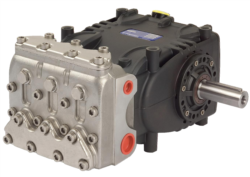
HVAC contractors frequently specify high-pressure pumps without fully planning long-term Maintenance & Service integration with gearbox systems. When the Pratissoli KF30 (106 L/min, 200 bar, 40 kW) couples with transmission accessories like the Interpump GEARBOX RS500, the combined assembly creates new maintenance demands that standard pump-only procedures miss.
The gearbox transmission ratio (2.2 in the RS500 design) means the pump shaft experiences different rotational stress than direct-drive configurations. Your Maintenance & Service calendar should reflect this: gearbox oil analysis becomes as critical as pump fluid monitoring. Establish quarterly oil sampling from the gearbox drain plug, testing for ferrous content (indicating gear wear), water contamination (signaling seal degradation), and viscosity drift (revealing thermal stress). Rising ferrous counts often precede catastrophic gearbox failure by 4–8 weeks, giving you time to plan replacement before shutdown.
Alignment between pump input shaft and gearbox output coupling represents the single highest cause of premature bearing failure in integrated systems. During Maintenance & Service intervals, measure shaft runout using dial indicators at three points along the coupling. Acceptable tolerance is typically 0.05 mm total indicated runout (TIR); exceeding 0.10 mm TIR accelerates bearing wear exponentially. Misalignment also generates vibration that loosens electrical connections on control systems, leading to nuisance shutdowns. Invest in laser alignment tools or hire certified technicians for this procedure every 12 months.
Fluid compatibility between pump and gearbox systems deserves explicit attention in your Maintenance & Service documentation. The KF30 and RS500 pairing typically uses ISO VG 46 hydraulic fluid, but some installations mix grades or contaminate the gearbox with pump fluid during repair. Create separate fill points with clearly labeled containers to prevent cross-contamination. Include this verification step in your pre-season startup checklist—confirming fluid type and cleanliness before ignition prevents costly damage.
High-Pressure Pump Diagnostics and Seal Management
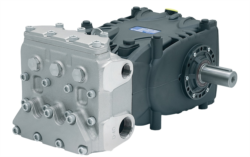
The Interpump PUMP W2035 L ATEX and Pratissoli SN7045 L are engineered for extreme duty cycles, delivering 35–45 L/min at 200+ bar with tight tolerances. However, ATEX compliance and high-pressure sealing both demand specialized Maintenance & Service approaches that generic HVAC protocols miss.
Seal inspection represents your first line of defense against internal leakage, which reduces system pressure while generating heat that accelerates fluid degradation. Establish a Maintenance & Service rhythm: monthly visual inspection of pump housing for weeping (light seepage visible only when equipment is warm), quarterly pressure drop testing to measure internal leakage, and annual seal replacement based on operational hours rather than calendar time. Internal seals in high-pressure pumps typically degrade between 3,000–5,000 operating hours; waiting for failure wastes energy and risks seal fragments contaminating downstream components.
Pump cavitation—when inlet pressure drops below vapor pressure—causes catastrophic seal and internal component damage. Many HVAC contractors overlook inlet conditions when Maintenance & Service planning, focusing only on discharge pressure. Verify that suction-side components (strainers, filters, check valves) maintain backpressure below 0.5 bar; higher values starve the pump and initiate cavitation. Clean or replace inlet strainers every 6 months, even if they appear visually clear. Microscopic debris passes through screens, lodging in pump clearances where high pressure amplifies wear.
ATEX compliance for the W2035 L ATEX variant requires additional Maintenance & Service verification. The ATEX marking indicates the pump meets ignition safety standards for Category 3G hazardous areas, but certification requires documented maintenance—you cannot simply operate the equipment and claim compliance. Maintain a log of every inspection, parts replacement, and pressure test. ATEX certification audits expect this documentation; missing records can void insurance and create liability. Include this administrative component in your Maintenance & Service contracts, particularly for customers in chemical plants or petrochemical facilities where ATEX enforcement is rigorous.
System Integration Testing and Commissioning After Service
After completing Maintenance & Service work on pumps, gearboxes, and flame detection systems, many contractors rush to restart equipment without systematic testing. This creates risk: a flame relay function fine in isolation but fail under load; a gearbox may rotate smoothly at low speed but cavitate at operational pressure; a pump might prime correctly but starve under actual system demand.
Develop a commissioning checklist that treats Maintenance & Service work as a full system restart. Begin with no-load baseline testing: pump priming (verify outlet pressure rises within 30 seconds), flame relay UV detection (confirm response to handheld UV source), and gearbox oil pressure (monitor for adequate supply at transmission input). These steps reveal obvious failures before pressurizing the system.
Next, execute controlled-pressure startup: bring the system to 50% rated pressure while monitoring for unusual noise, vibration, or temperature rise. Listen specifically for gearbox gear mesh noise (a rhythmic whine indicates proper mesh; grinding or rattling signals misalignment or bearing wear). Monitor pump discharge temperature; exceeding 65°C at 50% pressure suggests internal leakage requiring seal replacement before full-load operation.
Final pressure ramp to full operational level should occur over 5–10 minutes, not seconds. Rapid pressure increase can shock seals, dislodging newly installed components or creating pressure spikes that trigger relief valves unnecessarily. Once at full pressure, run the system for 30 minutes with flame detection cycling (if applicable) to confirm thermal stability. If any parameter drifts significantly, stop immediately and investigate rather than assuming the system will self-stabilize.
With over 35 years distributing industrial equipment globally, 3G Electric has seen countless Maintenance & Service failures trace directly to inadequate commissioning after repair. Invest time in this process; it often reveals issues that would otherwise surface during critical operation, when failure costs compound exponentially.