Understanding Integrated Maintenance & Service for Complex Equipment Ecosystems
Maintenance & Service planning for industrial systems extends beyond individual component care—it requires a holistic approach that accounts for equipment interdependencies, shared fluid systems, and failure cascades. Procurement engineers responsible for capital equipment portfolios must develop maintenance strategies that reduce total cost of ownership while maintaining production reliability.
With over 35 years of experience supplying industrial equipment globally, 3G Electric has observed that organizations implementing coordinated Maintenance & Service protocols across their equipment stack—rather than managing components in isolation—achieve 30-40% reductions in emergency service calls and spare parts waste.
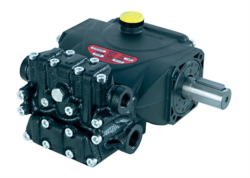
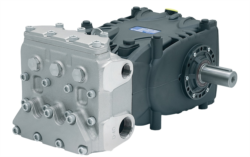
The foundation of effective Maintenance & Service begins with understanding equipment criticality. High-pressure pump systems like the Pratissoli KF30 (106 L/min, 200 bar) and Pratissoli MW40 (211 L/min, 210 bar) typically operate as primary fluid delivery sources, meaning their failures cascade through dependent systems including pressure regulators and spray nozzles. Conversely, gas pressure regulators with integrated safety relief function as protective barriers, and their maintenance directly impacts the reliability of downstream equipment.
Preventive Maintenance Planning Across Interconnected Systems
Effective Maintenance & Service strategies require synchronizing inspection and replacement cycles based on equipment runtime hours rather than calendar dates alone. This approach, called condition-based maintenance, demands accurate tracking systems and clear documentation protocols.
Equipment Runtime Documentation Framework:
Establish a centralized maintenance log tracking:
- Cumulative operating hours for all active equipment
- Fluid batch numbers and change dates (critical for hydraulic and pneumatic systems)
- Pressure and flow readings at standardized intervals
- Environmental conditions (temperature, humidity, contamination exposure)
- Parts replaced, including part numbers and SKUs
For pump systems, maintenance intervals typically follow these guidelines:
- 500-1000 operating hours: Visual inspection of seals, connectors, and housing for leaks
- 1500-2000 hours: Fluid sampling and analysis; replacement of inlet filters
- 3000-4000 hours: Seal inspection and replacement; bearing preload verification
- 5000+ hours: Full pump disassembly, clearance measurement, and component refurbishment or replacement
The KF30 and MW40 pump families, engineered by Pratissoli (Interpump Group), feature modular designs facilitating staged maintenance. Rather than replacing entire units, procurement teams can source individual components—shaft seals, impeller assemblies, or bearing cartridges—reducing parts costs by 25-35% compared to full-unit replacement.
Pressure Regulator Maintenance Integration:
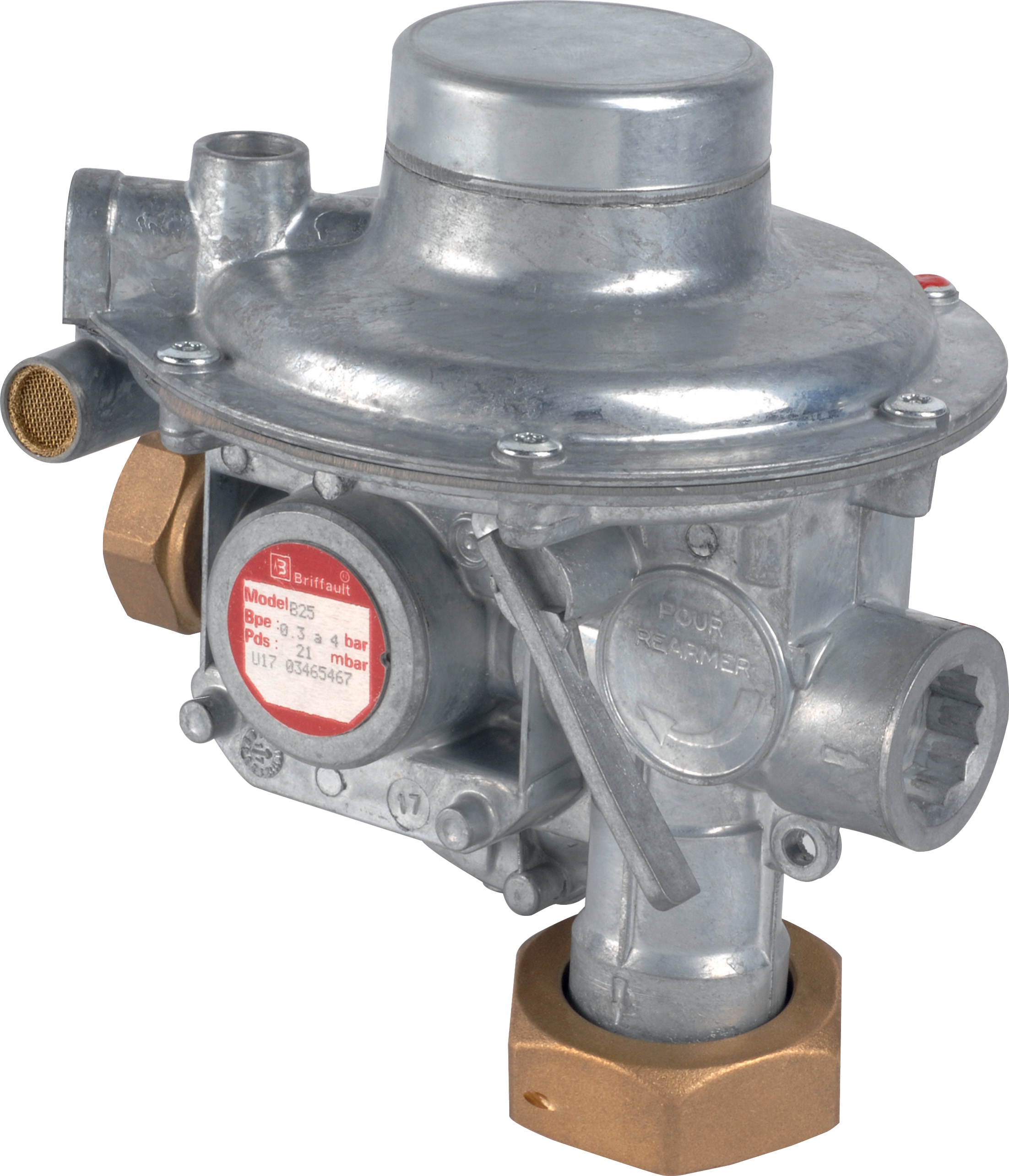
Pressure regulators like the Francel B25/37mb with integrated safety relief require synchronized maintenance with upstream pump systems. When pumps deliver fluctuating pressures due to wear, regulators compensate by opening and closing more frequently, accelerating seal degradation.
Implement quarterly functional testing of pressure regulators:
- Measure outlet pressure stability under varying flow conditions
- Test safety relief activation pressure (verify against specification: 37 mbar + 10% tolerance)
- Inspect vent sizing and blockage risk (the 10 mm vent on the B25/37mb requires clear pathways to prevent pressure creep)
- Document cracking pressure and flow-dependent pressure drop
Regulator maintenance frequency should increase if upstream pump condition monitoring reveals excessive pressure spikes, indicating wear-related cavitation or discharge line restrictions.
Spray Nozzle System Maintenance:
The Euspray flat jet nozzle (1/4" M BSPT, 25° angle, index 30) operates as the terminal point in fluid delivery chains. Nozzle fouling or erosion often signals upstream maintenance needs:
- Erosion patterns indicate fluid velocity or particle contamination issues
- Spray pattern asymmetry suggests inlet pressure instability (regulator malfunction) or nozzle orifice blockage
- Pressure drop increases (measured across nozzle inlet/outlet) reveal internal erosion
Establish monthly visual inspections of nozzle spray patterns using calibrated spray pattern guides. Schedule nozzle replacement every 6-12 months depending on operating fluid type and environmental contamination exposure. Maintain a consumables inventory of nozzles sized to minimize equipment idle time—most industrial operators should stock replacements equivalent to 15-25% of installed nozzle count.
Spare Parts Procurement Strategy and Inventory Optimization
Procurement engineers must balance two conflicting objectives: minimizing capital tied up in spare parts inventory while ensuring rapid equipment restoration during failures. This requires data-driven forecasting and vendor relationship management.
Critical vs. Consumable Parts Classification:
Classify all equipment components into three categories:
1. Critical Spares (strategic stock): High-failure-risk, long-lead-time components essential to production. Examples: pump shaft assemblies, regulator valve spares. Stock 2-3 units per equipment installation; maintain 3-6 month supply contracts with suppliers like 3G Electric.
2. Consumable Spares (operational stock): Predictable-wear items with reliable failure intervals. Examples: seals, gaskets, nozzles, inlet filters. Stock quantities based on historical consumption data; typical range: 3-6 months consumption.
3. Emergency Spares (just-in-time): Low-failure-risk, readily available components. Examples: fasteners, common connectors. Source on-demand with guaranteed 48-72 hour delivery from qualified distributors.
Inventory Calculation Framework:
For each component, calculate minimum stock level:
Minimum Stock = (Average Monthly Consumption × Lead Time in Months) + Safety Stock
Safety stock = (Peak Monthly Consumption - Average Consumption) × 2
Example: If the Francel B25/37mb regulator has 2-unit monthly replacement demand with 6-week supplier lead time and 20% variance:
- Minimum Stock = (2 units × 1.5 months) + (0.4 units × 2) = 3.8 units → stock 4-5 units
Reduce procurement complexity by establishing tiered vendor relationships:
- Tier 1 (Primary Suppliers): 3G Electric and 1-2 competing distributors stocking high-volume items and providing technical support. Negotiate blanket purchase agreements with volume discounts and consignment options for critical spares.
- Tier 2 (Specialty Suppliers): OEM sources for proprietary components (e.g., Pratissoli factory for KF/MW pump seals); stock rotated through primary distributors.
- Tier 3 (Emergency Sources): International sourcing networks for last-resort expedited procurement.
Maintain formal performance metrics with primary vendors:
- On-time delivery rate (target: >98%)
- Documentation accuracy (correct parts, SKUs, specifications)
- Technical support response time (<24 hours for diagnostics)
- Price competitiveness (quarterly benchmarking)
Maintenance & Service Documentation and Knowledge Management
Sustainable Maintenance & Service programs require systematic documentation enabling knowledge transfer across organizational changes and facilitating predictive analytics.
Equipment Maintenance History Database:
Develop a centralized system recording:
- Equipment location, commissioning date, and operating specifications
- All maintenance activities with dates, technician names, and hours invested
- Parts replaced with SKUs, quantities, and costs (e.g., Interpump E1D1808 gear pump replacement history)
- Failure root causes and corrective actions implemented
- Performance trending data (pressure readings, flow measurements, temperature)
Cloudl-based platforms enable real-time access for procurement teams tracking vendor performance and forecasting future spare parts needs.
Technical Documentation and Standardization:
Maintain manufacturer specifications and maintenance manuals for all equipment:
- Pump datasheets documenting displacement, maximum pressure, thermal limits
- Regulator specification sheets including cracking pressure, flow capacity, vent sizing requirements
- Nozzle performance curves showing pressure drop vs. flow relationships
- Compatible parts matrices showing cross-references across suppliers (critical for obsolescence management)
For equipment supplied by 3G Electric, maintain direct links to technical bulletins and revision histories. Establish quarterly documentation reviews ensuring all specifications align with current equipment configurations.
Technician Training and Competency Development:
Implement structured training programs for maintenance technicians:
- Safety procedures specific to high-pressure systems (regulator safety relief testing, pump seal replacement under pressure)
- Diagnostic troubleshooting for common failure modes
- Parts identification and SKU verification protocols
- Documentation completion standards
Document training completion and competency certifications within the maintenance history database, enabling efficient technician rotation and reducing knowledge loss from employee turnover.
Measuring Maintenance & Service Program Effectiveness
Quantify program success through key performance indicators aligned with organizational objectives:
Equipment Reliability Metrics:
- Mean time between failures (MTBF) by equipment class
- Unplanned downtime hours per month
- Percentage of failures prevented through predictive maintenance
- Maintenance cost per operating hour
- Spare parts inventory turnover ratio
- Emergency service call frequency and associated premium costs
- Total cost of ownership by equipment type
- Maintenance documentation completion rate
- Spare parts order lead time and fulfillment reliability
- Technician training certification rates
Review metrics quarterly with procurement, maintenance, and operations leadership. Allocate 10-15% of Maintenance & Service budget annually to continuous improvement initiatives—equipment upgrades, process automation, or training enhancements.
Over 35 years, 3G Electric has supported procurement teams implementing these integrated strategies, resulting in measurable improvements in equipment uptime and reduced total cost of ownership. Working with a distributor experienced in multi-component system optimization accelerates program maturity and enables access to technical expertise supporting your organization's long-term reliability objectives.