Understanding Maintenance & Service as a Strategic Investment
Maintenance & Service excellence represents far more than reactive problem-solving—it's a proactive investment in operational reliability and equipment longevity. With over 35 years of experience distributing industrial equipment globally, 3G Electric has observed that organizations prioritizing structured maintenance programs consistently achieve 40-60% longer equipment lifecycles and significantly reduced total cost of ownership.
Effective maintenance combines three critical pillars: preventive inspections, predictive monitoring, and planned component replacement. Rather than waiting for failures, industrial professionals now leverage maintenance data to anticipate wear patterns, schedule interventions during planned downtime, and maintain optimal performance across their equipment portfolio.
This shift from corrective to preventive maintenance requires understanding your equipment's operational envelope, establishing baseline performance metrics, and implementing systematic documentation of all service activities. Organizations that establish these foundations report fewer emergency repairs, improved safety records, and enhanced productivity metrics.
Maintenance & Service Protocols for Pressure Regulation Systems
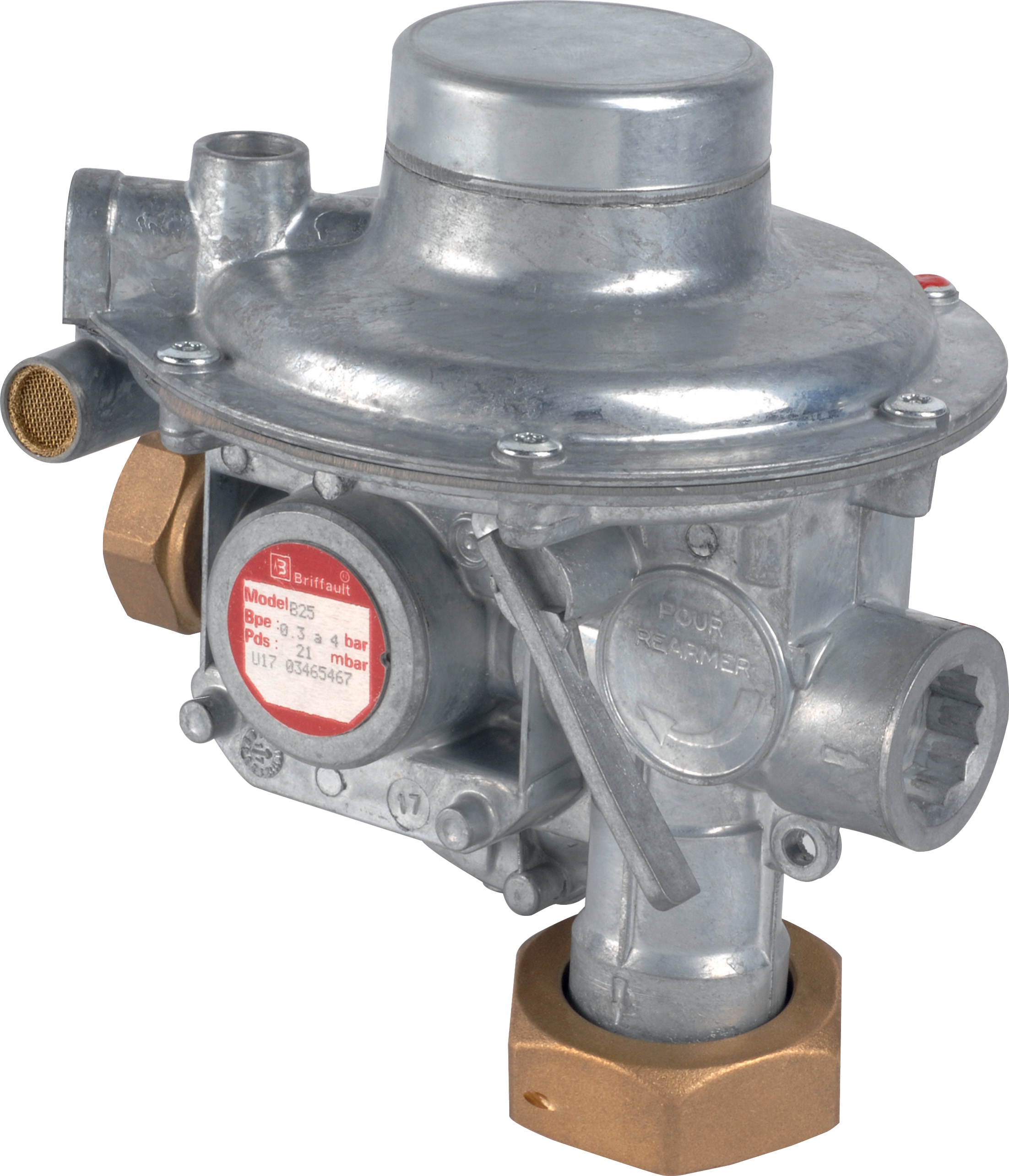
Pressure regulators form the backbone of safe, efficient industrial gas distribution systems. The Francel B25/37mb pressure regulator with integrated safety relief exemplifies the precision engineering that modern systems demand—yet even the finest equipment requires disciplined maintenance attention.
Inspection and Baseline Documentation
Establish baseline operating parameters immediately upon installation. Record the outlet pressure setting (37 mbar for the Francel B25/37mb), vent characteristics, and operational response under various load conditions. This baseline data becomes your reference point for detecting degradation. Monthly visual inspections should verify:
- Absence of corrosion or physical damage on the regulator body
- Clean, unobstructed vent ports (critical for safety relief function)
- Secure connections with no visible gas leakage
- Proper gauge readings if pressure monitoring equipment is installed
The integrated safety relief mechanism requires periodic functional testing to confirm it responds at design specification. Industry best practice suggests annual testing under controlled conditions, documented with specific pressure readings and response times. When testing or servicing relief components, always depressurize the system completely and follow facility-specific lockout/tagout procedures.
The 10 mm vent size on the Francel regulator demands special attention—any obstruction reduces safety relief effectiveness. Periodically inspect vent paths for dust accumulation, insect nesting, or corrosion deposits. In marine or corrosive environments, monthly vent inspection prevents safety degradation.
Membrane and Seat Maintenance
Regulator membranes deteriorate gradually, reducing responsiveness and stability. Symptoms include pressure drift, inability to maintain setpoint during load variations, or noisy operation. Document pressure stability over time; increasing variance signals approaching membrane failure. Most regulators justify planned membrane replacement every 2-3 years in continuous industrial duty, more frequently in severe environments.
Internal seat surfaces may accumulate particulate contamination. If system diagnostics indicate regulator sluggishness, schedule professional cleaning and seat inspection. This prevents catastrophic failure while the equipment is significantly cheaper to service at this stage than after complete malfunction.
Maintenance & Service Excellence for High-Performance Industrial Pumps
Industrial pumps represent substantial capital investments and critical operational nodes. The Pratissoli KF30 pump (106 L/min, 200 bar, 40 kW) and Pratissoli MW40 pump (211 L/min, 210 bar, 85 kW) exemplify the engineering sophistication that demands structured maintenance programs.
Fluid Analysis and Condition Monitoring
Hydraulic and pressure fluids degrade continuously during operation. Implement quarterly fluid sampling programs that measure:
- Viscosity at operating temperature
- Water content (critical indicator of seal degradation or system contamination)
- Particulate count and distribution
- Acid number indicating oxidation progression
Fluid condition directly impacts pump longevity. Clean fluid (ISO 4406 code 16/14/11 or better) extends pump life by 200-400%. Conversely, contaminated fluid accelerates bearing wear, seal degradation, and valve erosion. Many failures attributed to "pump defects" actually result from neglected fluid maintenance.
Pressure and Temperature Monitoring
Establish baseline operational pressures and temperatures for your specific pump configuration. The KF30 operates at 200 bar; the MW40 at 210 bar—these represent normal working pressures, not ceiling values. Monitor trends over time rather than focusing on single readings. Pressure creep (gradual increase in operating pressure over weeks or months) signals accumulating wear and approaching maintenance intervention points.
Temperature monitoring proves equally critical. Fluid temperature above 60°C (140°F) accelerates viscosity loss and oxidation. Temperatures consistently exceeding 65°C indicate cooling system inadequacy or excess system friction. Schedule thermographic surveys quarterly to identify hot spots indicating internal wear patterns.
Bearing and Seal Assessment
Pump bearings undergo continuous stress from pressure pulses and mechanical loads. Listen for noise changes during operation—grinding or squealing sounds precede catastrophic bearing failure by hours to days. Establish a baseline sound profile during normal operation; any change warrants investigation.
Seals degrade from pressure cycling, temperature extremes, and contaminated fluid. Oil weeping around shaft seals signals imminent failure. Document seal condition during each service interval; typically seals require replacement every 2,000-4,000 operational hours depending on duty cycle and fluid quality. Preventive seal replacement during planned maintenance avoids emergency pump removal and system shutdown.
Maintenance Interval Planning
Structure pump maintenance around operational hours rather than calendar time. For continuous duty, schedule major service at 2,000-hour intervals including:
- Complete fluid analysis and replacement if needed
- Bearing inspection and clearance verification
- Seal replacement
- Coupling inspection and alignment verification
- Pressure relief valve testing and recalibration
This structured approach costs 15-25% of emergency replacement expenses while maintaining optimal efficiency throughout the pump's operational life.
Maintenance & Service for Spray Systems and Flow Control Components
Industrial spray and flow control systems combine multiple components—pumps, regulators, nozzles, and connecting elements—into integrated units. Failure in any single component cascades through the entire system. The Euspray flat jet nozzle HP 1/4" M BSPT and Interpump compact gear pump E1D1808 represent the component precision that modern systems demand and the maintenance rigor they require.
Nozzle Maintenance and Pattern Verification
Spray nozzles deliver targeted fluid patterns critical for coating, cleaning, and combustion applications. The Euspray flat jet nozzle with 25° spray angle (index 30 design) performs optimally within precise flow and pressure ranges. Maintenance begins with pattern verification—visual inspection under operating conditions reveals clogging, wear, or erosion before application quality degradation becomes noticeable.
Monthly nozzle inspection should confirm:
- Consistent spray pattern without uneven distribution or dribbling
- Proper angle alignment (any deviation indicates mechanical wear in mounting hardware)
- No visible corrosion or material erosion on the nozzle face
- Proper flow rate verified through collection measurements at established test conditions
Nozzle internal passages accumulate deposits over time. Hard water minerals, oxidized fluid residues, and particulate contamination gradually restrict flow. When pattern degradation becomes evident, remove the nozzle and soak in appropriate cleaning solution (deionized water for mineral deposits, light solvent for organic accumulation). Use only soft brushes or compressed air for internal cleaning—never use mechanical tools that enlarge passages or damage precision surfaces.
Integrated System Flushing Protocols
Contaminated fluid flowing through nozzles and regulators creates compounding maintenance problems. Establish system flushing schedules—quarterly for normal duty, monthly for harsh environments. Flushing procedures should:
1. Depressurize and isolate the system completely
2. Install temporary bypass filtering equipment with micron ratings matching system design
3. Circulate fluid through bypass loops for 2-4 hours at nominal operating flow rates
4. Collect and analyze flush samples to verify contamination removal
5. Replace all return filters before returning the system to service
This preventive approach costs significantly less than repairing or replacing components damaged by circulating contamination.
Connection and Mounting Hardware Care
BSPT (British Standard Pipe Taper) connections on components like the Euspray nozzle require specific maintenance attention. Over time, vibration and thermal cycling stress threaded connections. Annual inspection of all connections should verify:
- Proper torque specifications maintained (typically 15-25 Nm for 1/4" connections)
- No corrosion or oxidation at connection points
- Proper sealant application without excess material in flow passages
- No signs of micro-leakage indicated by fluid accumulation or discoloration
Before reconnecting any component, clean mating surfaces thoroughly and apply fresh thread sealant appropriate to your fluid type. This prevents connection leakage and extends component service life.
Documentation, Training, and Continuous Improvement
Maintenance excellence depends fundamentally on systematic documentation and organizational knowledge transfer. Establish maintenance logs for every critical component recording:
- Service dates and specific work performed
- Fluid sample analysis results and trending data
- Pressure, temperature, and performance metrics at each service interval
- Parts replaced with manufacturer data and serial numbers
- Anomalies observed and corrective actions implemented
This documentation creates institutional knowledge valuable for troubleshooting, warranty claims, and lifecycle cost analysis. Organizations that systematically review maintenance records identify patterns that inform procurement decisions and design improvements.
Train maintenance personnel not just on specific equipment, but on the underlying principles of hydraulic systems, pressure regulation, and component interaction. Understanding why maintenance matters motivates staff to follow protocols consistently. Partner with equipment distributors like 3G Electric who provide technical support, training resources, and access to replacement components that match original equipment specifications.
Conduct quarterly maintenance program reviews analyzing uptime statistics, parts replacement frequency, and unplanned shutdown incidents. Use these insights to refine maintenance intervals, adjust component specifications, and allocate resources more effectively. Continuous improvement in maintenance practices compounds benefits year over year.