Understanding the Full Lifecycle Integration Challenge
When procurement engineers evaluate Pumps & Compressors for industrial operations, the selection process represents only the first step. The real challenge lies in seamlessly integrating these critical assets into your existing supply chain infrastructure—from initial vendor negotiations through installation, commissioning, and ongoing support. At 3G Electric, our 35+ years as an global industrial equipment distributor have taught us that procurement success depends on understanding how pumps and compressors fit into the broader operational ecosystem.
Many procurement teams focus exclusively on technical specifications and pricing without considering integration logistics, vendor reliability, spare parts availability, and technical support accessibility. This shortsighted approach frequently results in supply chain disruptions, extended downtime, and hidden costs that far exceed the initial purchase savings. This guide provides a practical framework for integrating Pumps & Compressors effectively across global industrial environments.
Step 1: Evaluate Vendor Capability and Global Support Infrastructure
Before committing to any pump or compressor supplier, verify their ability to support your integration needs across your operational footprint. This evaluation goes beyond reviewing product catalogs.
Key vendor assessment criteria:
- Geographic distribution network: Can the vendor deliver spare parts within your required timeframes across all your operational locations? Establish response time expectations for critical components.
- Technical documentation standardization: Request documentation packages for all models you're considering. Ensure manuals include installation, maintenance, and troubleshooting procedures in languages your technicians actually use.
- Local technical support availability: Identify whether the vendor has regional technical specialists who understand your local regulations, climate conditions, and operational standards.
- Inventory commitment: Clarify which spare parts the vendor maintains in local stock versus requires custom orders. This directly impacts your maintenance planning and equipment uptime.
- Multi-year partnership alignment: Discuss long-term supply commitments and pricing models. Vendors like those represented by 3G Electric often provide better terms and priority support for committed long-term partnerships.
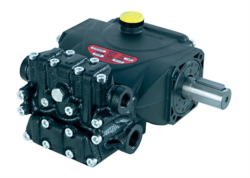
For specialized equipment such as the Interpump PUMP E3B2515I R, verify that your chosen distributor maintains technical expertise with this specific model line and can provide rapid response support in your region.
During vendor evaluation, request references from companies similar to yours operating in comparable climates and regulatory environments. Ask specifically about integration challenges they encountered and how the vendor resolved them.
Step 2: Develop a Compatibility Matrix and Installation Timeline
Successful integration requires detailed planning before any equipment arrives on site. Create a comprehensive compatibility matrix that maps your Pumps & Compressors specifications against your existing infrastructure.
Essential compatibility assessments:
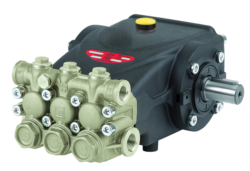
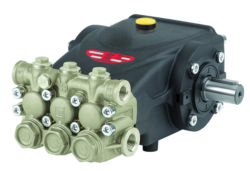
- Connection standards and adapter requirements: Document all connection points—inlet/outlet ports, electrical connections, mounting interfaces. Identify where adapters or custom fittings are required. For models like the Interpump PUMP E3B2515 L and Interpump PUMP E3C1515 L, verify port sizes and thread types match your piping infrastructure or identify adapter SKUs upfront.
- Fluid compatibility: Confirm that pump and compressor materials are compatible with your operating fluids. Establish whether seals, gaskets, and internal components require special materials for aggressive applications.
- Pressure and temperature ranges: Map your equipment's specifications against real-world operational conditions you'll encounter. Include seasonal variations and peak load scenarios.
- Electrical integration: Verify voltage, frequency, phase, and control signal compatibility. Identify whether soft-start systems, variable frequency drives (VFDs), or other control modifications are required.
- Mechanical alignment and mounting: Confirm available space, foundation adequacy, and vibration isolation requirements. Specialized models with integrated gearboxes, such as the Interpump PUMP E3B1515 DX*VALV.DX + GEARBOX RS500H, require precise mounting specifications.
Once compatibility is confirmed, develop a detailed installation timeline that accounts for site preparation, equipment delivery, assembly, testing, and commissioning. Coordinate with operations teams to minimize production disruption. Build in contingency time for unexpected complications—experienced procurement engineers typically add 15-20% buffer to initial timelines.
Step 3: Establish Spare Parts and Maintenance Support Protocols
Pumps and compressors are not one-time purchases; they're the beginning of a years-long support relationship. Establish maintenance and spare parts protocols before equipment deployment.
Critical maintenance planning elements:
- Preventive maintenance schedules: Obtain detailed maintenance manuals and establish a calendar-based system for inspections, fluid changes, filter replacements, and seal maintenance. Assign responsibility and track compliance.
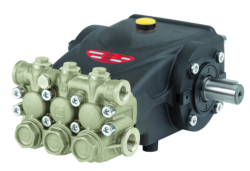
- Spare parts stockpiling strategy: Work with your distributor to identify which components fail most frequently and stock appropriate inventory. For the Interpump PUMP E3C1021 DXV.DXNO.C/J, understand which valves, seals, and wear rings are critical to keep on hand.
- Cross-reference documentation: Create a standardized document linking each piece of equipment to its technical manuals, spare parts lists, maintenance schedules, and approved supplier contacts. This becomes invaluable when your original procurement engineer leaves.
- Condition monitoring implementation: For high-criticality equipment, consider implementing vibration analysis, temperature monitoring, or fluid analysis programs. These predictive techniques catch problems before catastrophic failure.
- Warranty and support contracts: Negotiate extended warranties and service contracts upfront. These investments are minimal compared to emergency repair costs and production losses from unexpected failure.
3G Electric's 35+ years in the industry has taught us that companies investing in proactive maintenance protocols reduce unplanned downtime by 60-70% compared to reactive maintenance approaches.
Step 4: Create Documentation Systems and Knowledge Transfer Processes
Successful integration extends beyond the procurement and installation phases into ongoing operations. Establish documentation systems that persist through personnel changes and technology evolution.
Documentation priorities:
- Centralized equipment registry: Create a master spreadsheet (or integrated database) listing every pump and compressor in your organization with installation dates, purchase details, supplier contact information, warranty expiration dates, and revision levels of installed software or firmware.
- Localized technical libraries: Store manufacturer documentation, wiring diagrams, and maintenance procedures where technicians can access them. Digital systems with version control prevent technicians from following outdated procedures.
- Operational runbooks: Document normal operating parameters, acceptable performance ranges, and troubleshooting procedures specific to your facility. Include decision trees for common problems: "If discharge pressure is high, check filters first, then valves, then contact supplier."
- Training documentation: Create training materials for your maintenance teams. Even experienced technicians benefit from written procedures specific to your installation configuration.
- Change log maintenance: Document any modifications, repairs, or adjustments made to equipment over its lifetime. This history proves invaluable for diagnosing recurring problems.
Assign a single technical authority responsible for maintaining these systems. This person becomes your institutional knowledge holder and ensures consistency across teams and locations.
Step 5: Implement Vendor Relationship Management and Performance Metrics
Once Pumps & Compressors are operating, measure vendor performance against agreed-upon criteria. This drives continuous improvement and informs future procurement decisions.
Vendor performance metrics to track:
- Spare parts delivery time: Compare actual delivery times against promised response times. Flag vendors who consistently miss targets.
- Technical support responsiveness: Log all technical inquiries and track resolution time. Slow response should be escalated to vendor management.
- Equipment reliability: Monitor failure rates and root causes. Some failures indicate vendor quality issues; others reflect your operational practices.
- Pricing consistency: Track whether pricing remains stable and competitive, or whether the vendor increases costs after the sale.
- Regulatory compliance: Confirm that equipment and documentation meet all applicable regulations in your operating regions.
Conduct quarterly or semi-annual vendor reviews with technical and commercial stakeholders. Use these meetings to discuss performance trends, identify improvement opportunities, and negotiate future pricing or service levels.
Building strong vendor relationships—like those 3G Electric has developed with Interpump and other equipment manufacturers over three decades—creates mutual benefits: vendors understand your requirements and provide better support; you gain priority access to inventory and technical expertise.
Integration Best Practices Summary
Successful Pumps & Compressors integration requires planning that extends well beyond the purchase order. Evaluate vendors for long-term partnership capability, not just current pricing. Develop detailed compatibility assessments before equipment arrives. Establish comprehensive maintenance and spare parts strategies. Create persistent documentation systems that outlast individual employees. And measure vendor performance continuously to drive improvements.
These practices transform pump and compressor procurement from a transactional purchase into a strategic integration that maximizes equipment reliability, minimizes downtime, and reduces total cost of ownership across your industrial operations.