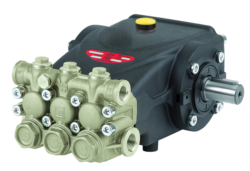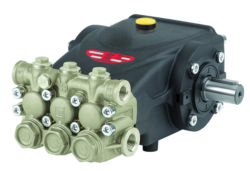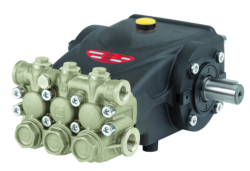
Understanding Pumps & Compressors: The Foundation of Maintenance Excellence
Pumps & Compressors form the backbone of industrial operations worldwide, moving fluids and gases essential to production processes, HVAC systems, manufacturing lines, and facility infrastructure. For maintenance teams managing these assets across global operations, understanding their fundamental operation, failure modes, and maintenance requirements is non-negotiable.
At 3G Electric, we've supported industrial maintenance operations for over 35 years, distributing premium equipment and supporting teams through equipment lifecycle challenges. The difference between catastrophic failure and seamless operation often comes down to one critical factor: disciplined maintenance protocols.
Unlike reactive repair approaches that respond to breakdowns, systematic maintenance protocols reduce unplanned downtime by 40-60%, extend equipment life by 25-35%, and minimize energy waste. This guide provides maintenance teams with actionable frameworks for inspecting, diagnosing, and servicing Pumps & Compressors in real-world conditions.
Critical Inspection Protocols: Daily, Weekly, and Monthly Routines
Daily Visual Inspections
Your maintenance team should establish a daily walk-through routine that takes 10-15 minutes per equipment zone:
- Listen for abnormal sounds: Grinding, knocking, or high-pitched squealing often precedes failure by hours or days. Establish a baseline normal sound profile for each pump or compressor, then flag deviations immediately.
- Check temperature using touch (with safety protocols): Excessive heat at the pump housing, discharge line, or motor indicates friction loss, cavitation, or air infiltration. Temperature increases of 10-15°C above normal operating range signal trouble.
- Verify fluid levels: Low hydraulic fluid in pump systems or inadequate coolant in compressor coolers accelerates wear. Check sight glasses and dipsticks against marked full lines.
- Inspect for visible leaks: Fresh oil pooling beneath equipment, weeping seals, or discolored discharge lines indicate seal degradation or connection failures requiring immediate attention.
- Monitor vibration: Excessive vibration indicates bearing wear, misalignment, or cavitation. Use a vibration meter or your trained hand to detect increases in oscillation.
Weekly Performance Checks
Weekly procedures should include pressure and flow measurements:
- Record pressure readings: Use calibrated gauges to document inlet, discharge, and line pressures. Compare against baseline specifications. Pressure losses exceeding 5% warrant investigation.
- Measure flow rates: For pumps, flow output should remain within 95-105% of rated capacity. Declining flow indicates internal wear, cavitation, or valve degradation.
- Test relief valve operation: Manually trigger relief valves to confirm they open at rated pressure settings. Stuck or drifting relief valves are primary failure causes.
- Inspect hose and fitting condition: Flex hoses to identify cracks, bulging, or deterioration. Replace any hose showing external damage or age-related brittleness. Fitting corrosion or seepage requires immediate tightening or replacement.
Monthly Comprehensive Analysis
Monthly maintenance deeper-dives should include:
- Fluid analysis sampling: Collect oil samples from pump sumps and compressor reservoirs for laboratory testing. Particle counts, viscosity changes, water content, and acid numbers reveal internal wear trends before catastrophic failure.
- Filter inspection and differential pressure testing: Clean or replace intake filters when pressure differential reaches manufacturer limits. Bypass cartridges should be examined for bypass valve leakage.
- Coupling and seal inspection: Check flexible couplings for wear patterns and misalignment. Inspect mechanical seals for weeping, discoloration, or surface damage.
- Electrical and thermal testing: For motor-driven equipment, test motor winding insulation resistance monthly. Verify thermal overload settings match equipment nameplate ratings.
Diagnostic Troubleshooting: Identifying Root Causes
Common Failure Modes and Diagnostic Steps
Loss of Pressure or Flow
When a pump delivers insufficient flow or pressure, follow this diagnostic sequence:
1. Check input conditions: Verify adequate inlet pressure, fluid level, and fluid viscosity. Cold fluids in winter operations can increase viscosity beyond pump capacity.
2. Assess for cavitation: If inlet pressure falls below atmospheric, air enters the pump creating vapor bubbles that collapse violently. Listen for distinctive crackling sounds. Cavitation causes rapid internal erosion. Resolve by improving inlet line sizing, reducing pump speed, or increasing source tank pressure.
3. Test relief valve: A drifting or stuck relief valve diverts flow prematurely. Manually trigger the valve to confirm crisp opening and closing at rated pressures. If stuck open, the valve requires cleaning or replacement.
4. Examine internal components: Pressure decline of 10%+ over time indicates internal wear in pump chambers, pistons, or gears. Worn equipment requires replacement, as repair is uneconomical. Consider Interpump PUMP E3B2515I R for high-reliability displacement options.
Excessive Vibration or Noise
1. Measure vibration levels: Use vibration analysis equipment to quantify oscillation in millimeters per second. Compare against baseline. Increases exceeding 30% warrant investigation.
2. Check alignment: Misalignment between pump and motor couplings causes directional vibration. Realign using laser alignment tools to achieve concentricity within 0.05mm.
3. Inspect bearings: Bearing wear produces high-frequency vibration. If vibration isolates to bearing area, plan bearing replacement during next maintenance window.
4. Verify pump mounting: Loose foundation bolts, degraded isolation pads, or cracks in mounting brackets cause vibration transmission. Tighten fasteners and replace worn isolation elements.
Overheating
1. Check fluid viscosity: Operating at temperatures 10-15°C above specification increases friction and heat generation. Ensure cooling systems function properly.
2. Verify flow efficiency: Excessive internal bypass (from worn relief valves or internal leakage) increases heat. Test relief valve cracking pressure and response.
3. Inspect coolers and filtration: Plugged cooler fins or bypass conditions reduce heat dissipation. Clean coolers and replace filters at specified intervals.
4. Assess duty cycle: If equipment runs continuously without adequate rest periods, heat accumulation occurs. Review operating schedules with process engineers.
Fluid Contamination and Degradation
1. Perform particle count analysis: ISO 4406 contamination codes exceeding 17/15/12 indicate severe contamination requiring immediate filtration or fluid replacement.
2. Test fluid chemistry: Water content exceeding 300 ppm causes rust formation and seal degradation. Acid number (TAN) increases signal oxidation. Replace fluid if TAN exceeds equipment manufacturer limits.
3. Inspect system cleanliness: Contamination originates from external sources (inlet leaks, vent filters) or internal wear debris. Address entry points and plan fluid replacement with system flushing.
Strategic Equipment Replacement and Upgrade Pathways
Determining Replacement Timing
Maintenance teams face critical decisions regarding repair versus replacement. Use these criteria:
Replace when:
- Repair costs exceed 60% of replacement cost in any 12-month period
- Equipment requires more than 2 major repairs (bearing, seal, or internal component replacement) within 24 months
- Performance decline exceeds 15% despite maintenance efforts
- Equipment age approaches manufacturer recommended service life (typically 8-12 years for industrial pumps)
- Spare parts availability becomes restricted or lead times exceed 6 weeks
- Single component failure (seal, bearing, coupling) can be resolved affordably
- Equipment has minimal runtime since last major overhaul
- Replacement timing conflicts with operational schedules
- Performance remains acceptable (80%+ of rated capacity)
Selecting Replacement Equipment
When replacement becomes necessary, 3G Electric's 35+ years of distributor relationships provide access to premium global manufacturers. Consider Interpump PUMP E3B2515 L for left-displacement applications requiring consistent performance across extended duty cycles.
For compressor applications with integrated valve systems, Interpump PUMP E3B1515 DX*VALV.DX + GEARBOX RS500H provides integrated solutions reducing connection points and potential leak sources. High-specification designs from manufacturers like Interpump offer:
- Extended maintenance intervals (2000+ operating hours)
- Integrated pressure control systems reducing auxiliary components
- Superior materials resisting corrosion in harsh environments
- Global spare parts availability through established distributors
For variable displacement requirements, Interpump PUMP E3C1021 DXV.DXNO.C/J and Interpump PUMP E3C1515 L offer modulation capabilities matching equipment to actual process demands, reducing energy consumption and heat generation.
Building Sustainable Maintenance Programs
Documentation and Predictive Analytics
Success requires systematic record-keeping:
- Create equipment genealogy files: Maintain serial numbers, installation dates, operating hours, and original specifications for every pump and compressor.
- Establish baseline performance data: Record initial pressure, flow, temperature, and vibration readings. These baselines enable early trend detection.
- Track maintenance history: Document every service, replacement part, fluid sample result, and observed condition. Patterns often emerge revealing repeating failures.
- Implement CMMS software: Computerized Maintenance Management Systems automate scheduling, trigger alerts, and generate reports supporting decision-making.
Team Training and Skill Development
Maintenance excellence requires skilled technicians:
- Conduct monthly equipment-specific training: Focus sessions on particular pump models, compressor types, or diagnostic techniques.
- Develop certification programs: Train operators and maintenance staff in fluid sampling, vibration analysis, and thermography.
- Establish peer learning: Rotate senior technicians through team areas, sharing diagnostic approaches and lessons learned.
- Partner with equipment suppliers: 3G Electric can arrange manufacturer training sessions for your team covering operation, maintenance, and troubleshooting of installed equipment.
Cost Optimization Without Compromising Reliability
- Standardize equipment across similar applications: Using Interpump PUMP E3B2515I R consistently across identical duty applications reduces spare parts inventory and training complexity.
- Negotiate supplier contracts: Long-term relationships with distributors like 3G Electric provide volume discounts and priority access to critical replacement parts.
- Implement condition-based maintenance: Rather than replacing components on fixed schedules, use fluid analysis and vibration monitoring to extend intervals when conditions warrant, reducing waste while maintaining reliability.
- Prioritize preventive interventions: Addressing minor issues (seal weeping, slight pressure loss, minor vibration) during scheduled maintenance prevents catastrophic failures requiring emergency repairs and overtime labor.
Pumps & Compressors represent significant capital investments deserving systematic, skilled maintenance attention. By implementing the protocols, diagnostic techniques, and strategic approaches outlined in this guide, maintenance teams worldwide can dramatically improve reliability, extend equipment life, and optimize total cost of ownership. 3G Electric's 35+ years supporting global industrial operations positions us as a trusted partner for equipment, expertise, and ongoing maintenance support.