Understanding Industry Applications in Pump Selection
Industry applications represent the specific operational contexts where industrial equipment must perform reliably under defined conditions. For procurement engineers, understanding these applications goes beyond matching flow rates and pressures—it requires evaluating total cost of ownership, integration complexity, maintenance accessibility, and operational efficiency across diverse sectors.
With over 35 years of experience as a distributor of industrial equipment, 3G Electric has observed a critical pattern: procurement decisions that succeed in one sector often fail in another due to overlooked application-specific requirements. This guide addresses that gap by providing a structured framework for evaluating how different pump systems perform across Singapore's primary industrial applications.
The complexity increases when you consider that procurement engineers must balance multiple stakeholders—operations teams need reliability, finance departments demand cost efficiency, maintenance teams require serviceability, and production managers want minimal downtime. Understanding industry applications means aligning equipment specifications with these competing priorities.
Industry Applications Across HVAC and Climate Control Systems
Condensate Removal and System Integration
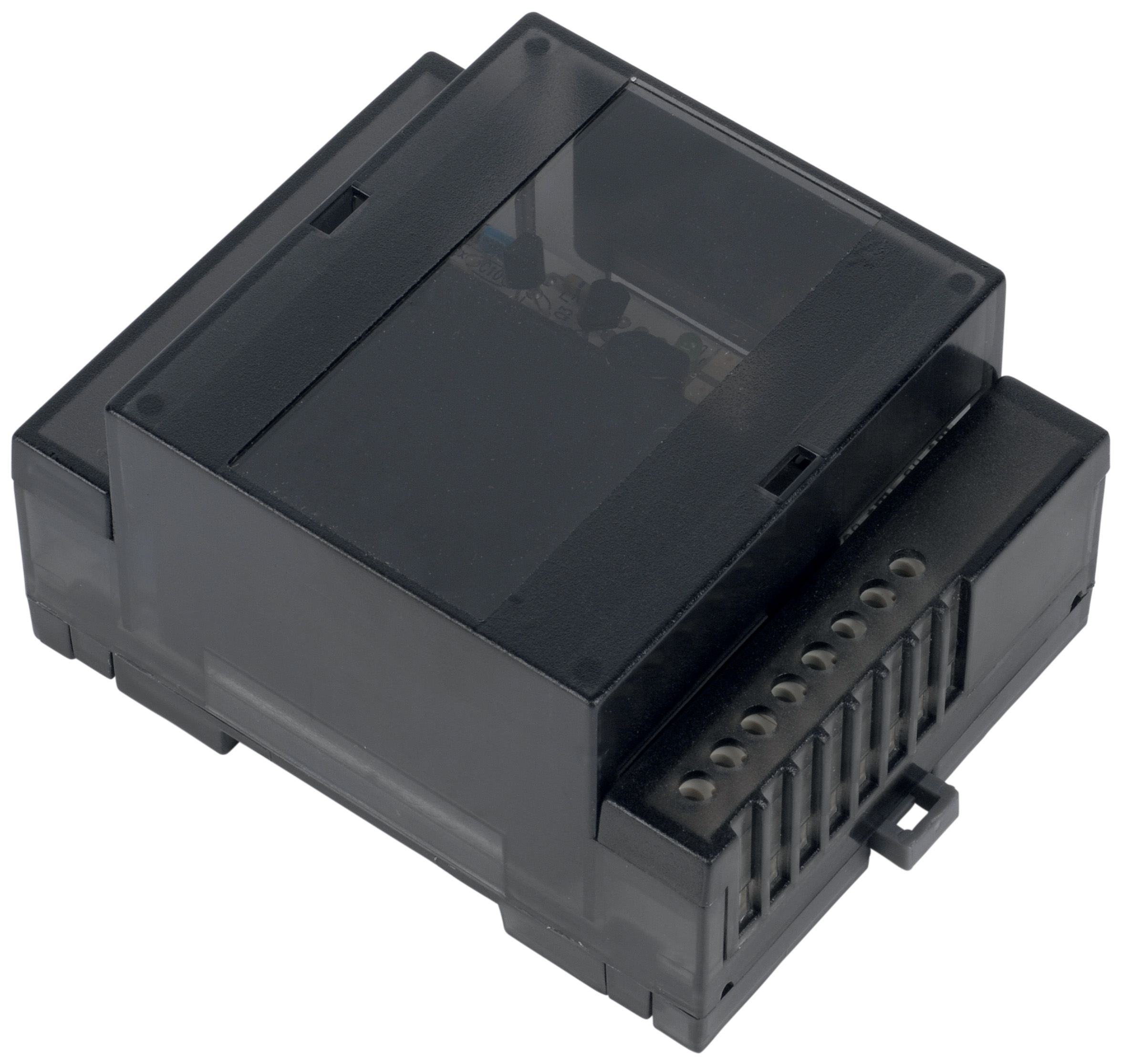
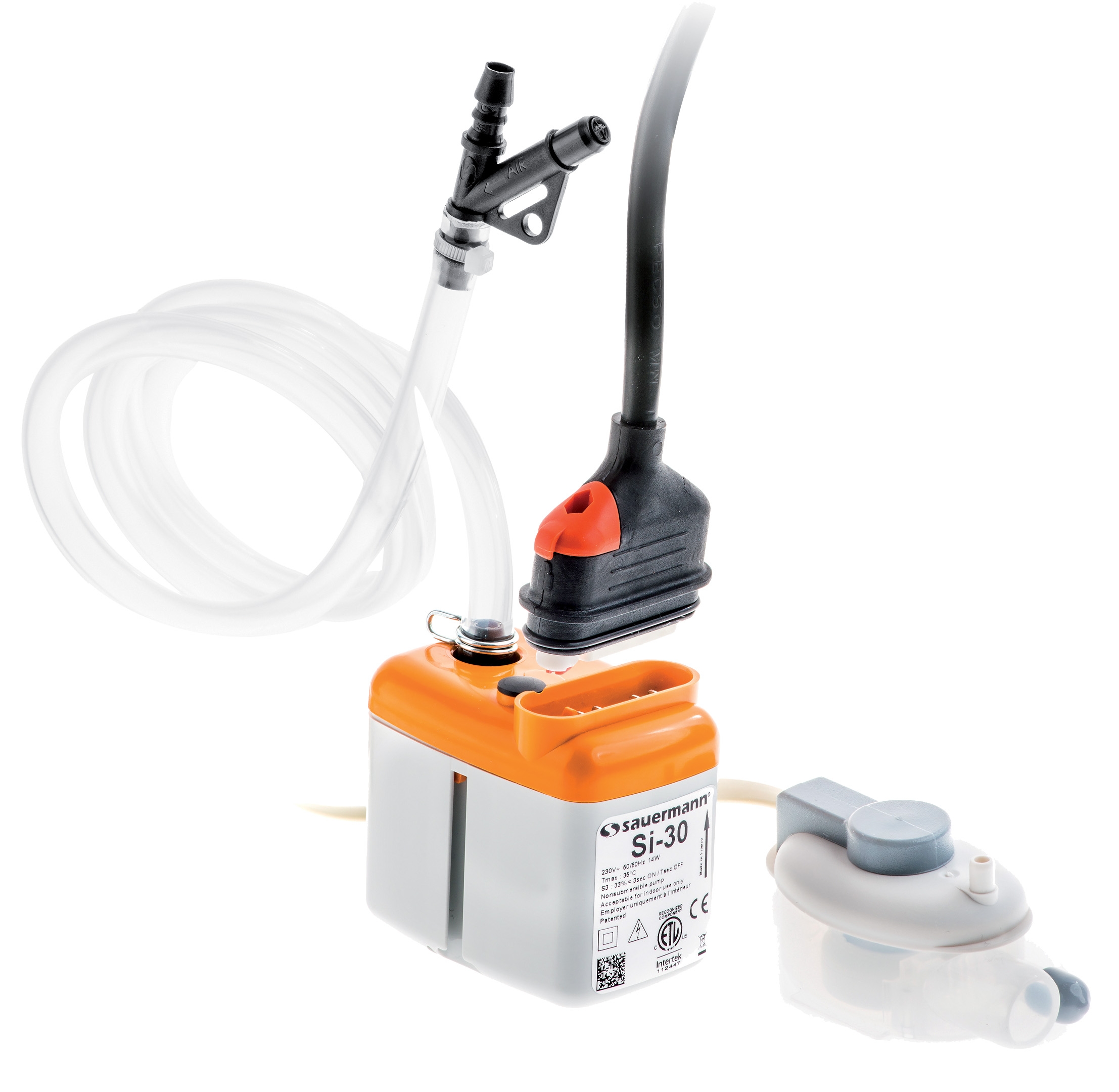
HVAC systems represent one of Singapore's most critical industry applications, particularly given the tropical climate and year-round cooling demands. The Grundfos Pump SI-30 demonstrates how application-specific design improves system reliability. This condensate pump operates within air conditioning systems up to 20 kW, delivering 20 l/h maximum flow rate with automatic thermal protection at 115°C.
For procurement engineers evaluating HVAC applications, the critical consideration is not just flow capacity but system integration simplicity. The SI-30's continuous operation capability and thermal protection eliminate need for complex auxiliary controls. This represents significant value in Singapore's dense urban environments where HVAC system density creates maintenance access challenges.
When specifying pumps for HVAC applications, procurement engineers should evaluate:
- Integration footprint: Can the pump connect directly to existing piping without additional manifolds or adapters?
- Thermal protection requirements: Does the system require integrated protection or separate monitoring?
- Noise and vibration: Multi-unit installations amplify mechanical noise—compact, balanced designs reduce operational disruption
- Service accessibility: Can maintenance teams access pump connections without system shutdown?
The HVAC application requires different specification criteria than manufacturing applications. A pump selected for manufacturing high-pressure spray systems may prove inadequate for continuous low-pressure condensate removal, despite similar flow rates.
Industry Applications in High-Pressure Manufacturing and Processing
Selecting Pumps for Precision Spray and Fluid Transfer
Manufacturing and processing applications represent fundamentally different operational requirements. The Interpump PUMP VHT4721 SX exemplifies high-pressure application engineering—delivering 21 L/min at 140 bar with 1450 rpm operation in a compact 315.5 mm form factor. This pump addresses the core challenge in manufacturing applications: achieving high pressure while maintaining physical integration constraints.
Procurement engineers evaluating manufacturing applications must understand the relationship between pressure, flow, and power consumption. The VHT4721 SX's 5.51 kW motor operating at 140 bar reveals a critical specification principle: higher pressure demands increase power requirements non-linearly. A 50% pressure increase typically requires 25-30% more power, significantly impacting operational costs.
For precision spray applications common in Singapore's electronics manufacturing and automotive sectors, pressure stability becomes as important as absolute pressure rating. Equipment rated for 140 bar must maintain that specification under variable load conditions—a requirement that eliminates many lower-cost alternatives.
Key evaluation criteria for manufacturing applications include:
- Pressure stability under load variation: Does the pump maintain specification when downstream demand fluctuates?
- Flow consistency: Precision spray applications require ±2-3% flow tolerance; standard industrial pumps often perform at ±5%
- Thermal management: Sustained operation at 140+ bar generates heat; cooling capacity must match duty cycle
- Interface standardization: Manufacturing environments benefit from SAE or ISO standardized connections reducing inventory complexity
High-Performance Systems for Advanced Processing
The Pratissoli KF30 represents the upper tier of manufacturing application requirements—106 L/min flow at 200 bar with 40 kW power. This Italian-engineered pump suits applications where both high pressure and high flow must be maintained simultaneously, such as industrial cleaning, material processing, or multi-station spray systems.
For procurement engineers evaluating Pratissoli systems, the 72 kg weight and substantial power requirement indicate integration complexity. These pumps suit dedicated hydraulic systems rather than retrofit applications. The decision to specify such a system requires detailed operational analysis—lifecycle cost justifies premium pricing only when utilization rates exceed 70-80% of nameplate capacity.
Manufacturing applications often involve multiple pumps working in parallel or series configurations. Procurement decisions must account for:
- System architecture compatibility: Will the pump integrate into existing manifold systems or require complete redesign?
- Redundancy requirements: Does process criticality demand backup pump capacity?
- Seasonal variation: Do production schedules create periods of underutilization, impacting total cost of ownership?
Industry Applications in Gas Control and Precision Regulation
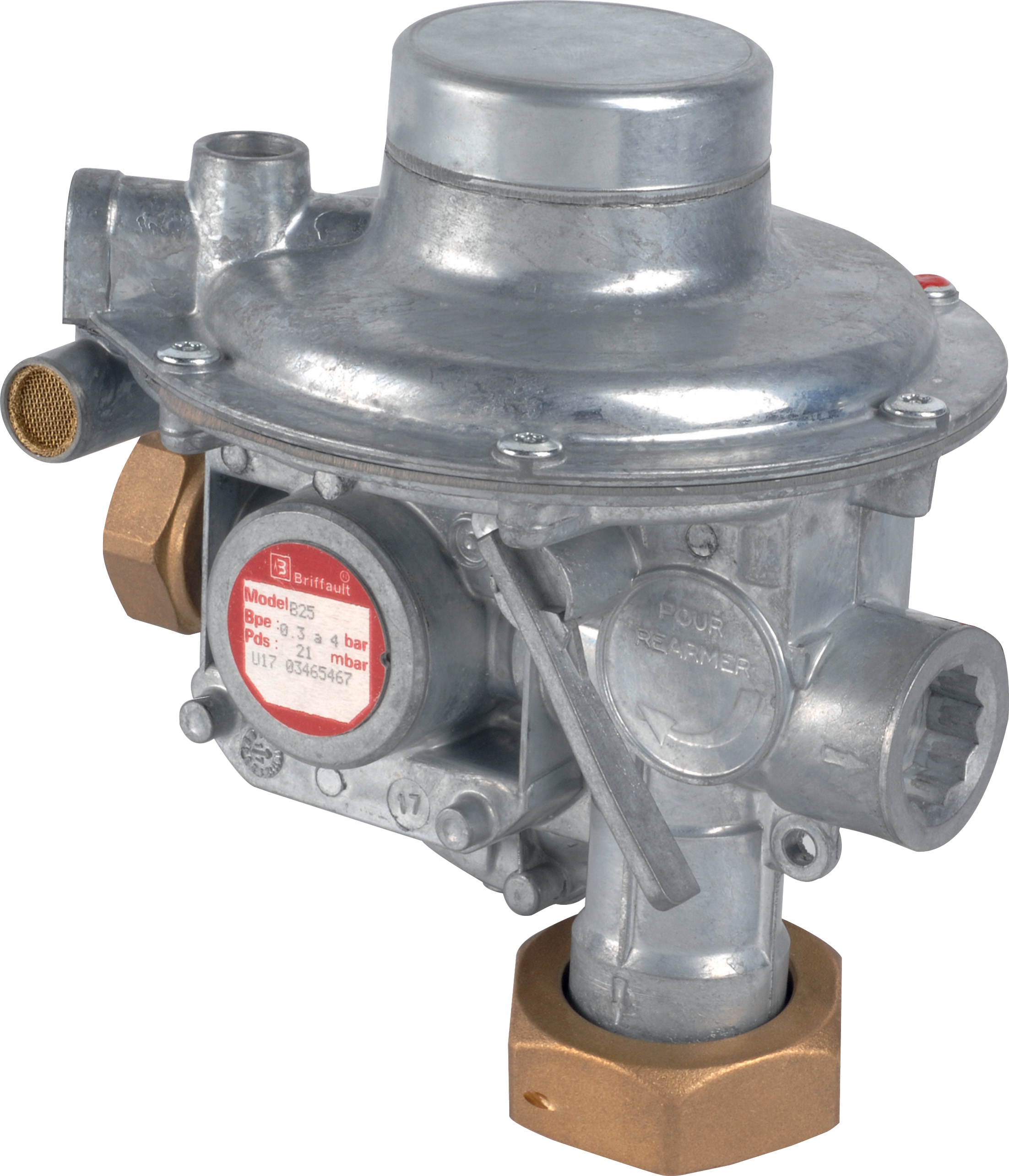
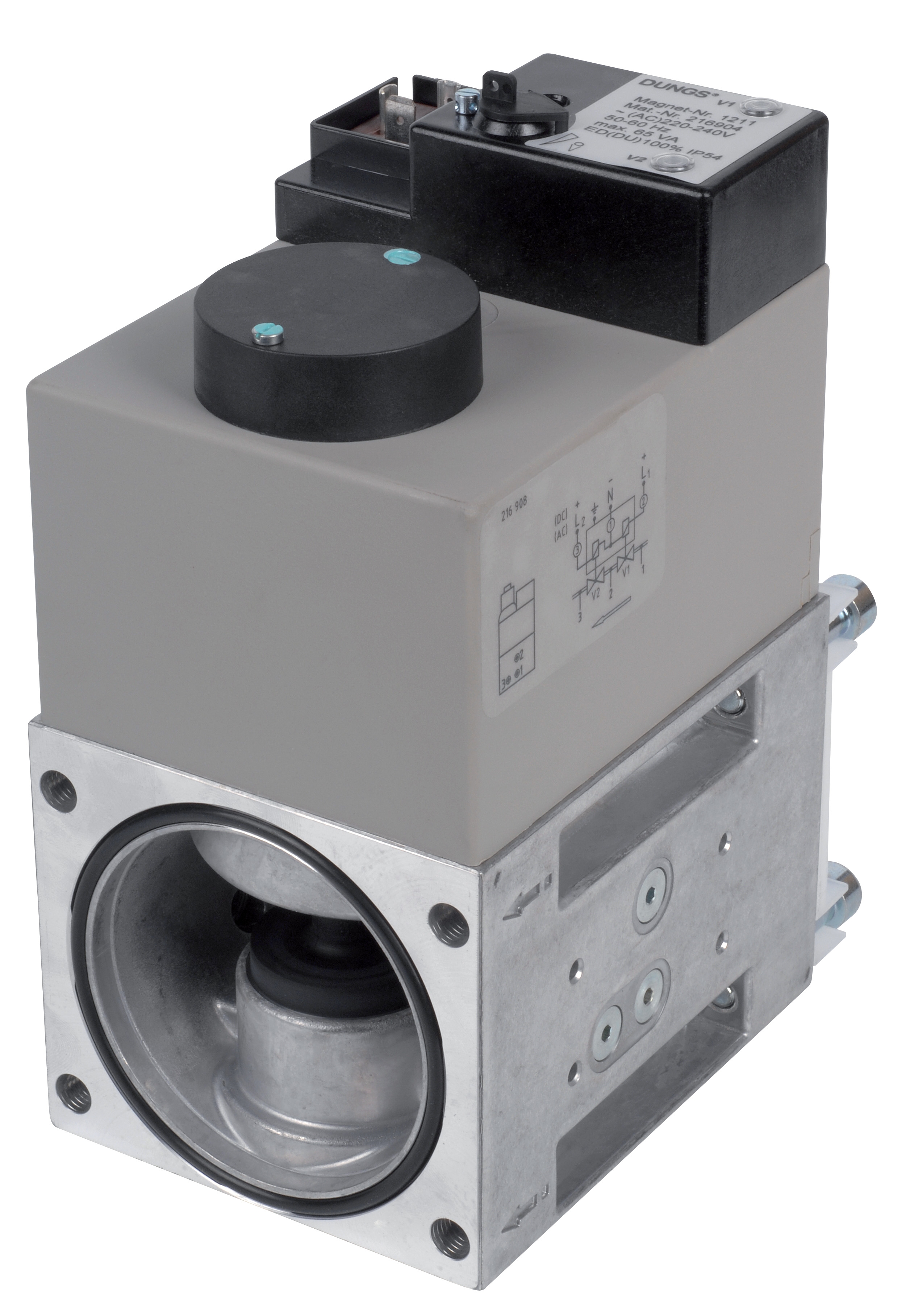
While pump systems handle fluids, industrial applications frequently require precise gas control. The DUNGS Valve block DMV-D 512/11 demonstrates how gas regulation systems integrate with broader industrial applications. This double solenoid valve block operates at standard electrical supplies (220-240 V AC or 110-120 V AC) with Rp 3/8 to Rp 2 port sizing.
Procurement engineers often overlook gas control integration in pump system specifications. However, applications involving fuel burners, combustion control, or pneumatic actuation require coordinated valve and pump specifications. A perfectly specified pump system fails if downstream gas control equipment cannot match the pump's response characteristics.
For gas control applications in Singapore's industrial sector:
- Electrical integration: Standard voltage compatibility (DUNGS systems) simplifies installation in facilities with existing electrical infrastructure
- Redundancy and safety: Double solenoid designs provide fail-safe operation critical for fuel systems
- Pressure rating compatibility: Gas valve pressure ratings must exceed pump discharge pressures by minimum 10-15% safety margin
- Modular expansion: Procurement engineers should evaluate whether valve blocks support future expansion without complete replacement
Integrated System Specifications and Procurement Decision Framework
Matching Pump Selection to Application Reality
The Interpump E3B1911 with integrated valve exemplifies the modern approach to application-specific equipment. This 5.4 hp pump delivers 11 L/min at 190 bar with integrated valve, eliminating separate manifold assembly. For procurement engineers, this represents a critical decision point: integrated versus modular systems.
Integrated pump-valve systems reduce installation complexity and footprint but sacrifice flexibility. Modular approaches allow optimization for specific applications but increase assembly time and connection points prone to leakage. The correct choice depends on:
- Application standardization: Will this pump specification apply across multiple installations or represent a one-off requirement?
- Maintenance capability: Can local service teams diagnose issues in integrated assemblies, or must units return to factory?
- Upgrade path: Will future equipment additions require component compatibility, favoring modular approaches?
Total Cost of Ownership Analysis
Procurement engineers must extend evaluation beyond acquisition cost. Industry applications generate operating costs spanning 5-10 year equipment lifecycles:
Energy consumption: A 5.51 kW pump running 16 hours daily consumes 26,784 kWh annually. At Singapore's industrial electricity rates (approximately SGD 0.22/kWh), annual energy cost approaches SGD 5,890. Pump selection directly impacts facility energy consumption, making efficiency ratings critical in specification.
Maintenance and downtime: Standard industrial pumps typically require annual maintenance costing 8-12% of equipment value. High-reliability specifications reduce this to 4-6% but carry higher acquisition costs. Procurement analysis must model downtime costs—a manufacturing production line losing SGD 2,000 per hour justifies premium equipment specification where maintenance costs represent less than 1% of production value.
Spare parts availability: 3G Electric's 35+ years experience demonstrates that equipment availability often determines real lifecycle costs. Equipment with established local distributor networks (like Interpump and Grundfos products through 3G Electric) reduces emergency procurement costs and lead times critical in Singapore's just-in-time manufacturing environment.
Practical Implementation for Procurement Teams
Specification Development Process
Successful industry applications require structured specification development:
1. Define operational parameters: Flow rate, pressure, duty cycle, environmental conditions, and thermal requirements must derive from actual operational analysis, not vendor-provided "typical" values
2. Establish integration constraints: Physical dimensions, connection types, electrical compatibility, and maintenance access determine whether specification is practically implementable
3. Evaluate maintenance capability: Local service availability, spare parts inventory, and technician training determine whether premium equipment justifies its cost differential
4. Model lifecycle economics: Five-year total cost analysis including energy, maintenance, and production impact provides objective comparison between alternatives
5. Verify compatibility: Pump discharge pressure must align with downstream component ratings; flow capacity must match process requirements at ±5% tolerance; electrical supply must match equipment specifications without transformer requirements
Risk Mitigation Through Vendor Selection
Procurement engineers reduce specification risk through distributor relationships. 3G Electric's 35+ years of industrial equipment distribution provides:
- Application experience: Technical teams understand how equipment performs across diverse Singapore industrial applications
- Local support infrastructure: Established distributor networks provide rapid service response critical in downtime scenarios
- Inventory access: Regional stock availability reduces lead times compared to direct factory ordering
- Compatibility verification: Distribution partners validate that specified equipment integrates properly within intended applications
Equipment selection represents only one component of procurement strategy. The distributor relationship determines whether specifications translate into reliable operational performance.
Conclusion: Aligning Equipment to Application Reality
Industry applications require procurement engineers to move beyond datasheet specifications toward integrated system evaluation. The most reliable, cost-effective equipment selection emerges from understanding:
- How specific applications stress equipment beyond rated specifications
- Whether local support infrastructure matches equipment reliability requirements
- How energy consumption, maintenance, and downtime cascade across five-year lifecycles
- Whether integration complexity creates hidden implementation costs
With 3G Electric's 35+ years of experience distributing industrial pumps and controls throughout Singapore and Southeast Asia, our technical teams have observed that procurement success correlates directly with application-specific analysis rigor. Equipment specified for one industry application frequently underperforms when deployed in different operational contexts.
The framework presented here—defining applications, evaluating integration requirements, modeling lifecycle economics, and verifying vendor support—transforms pump selection from equipment procurement into strategic industrial optimization. For procurement engineers managing multiple applications across diverse sectors, this structured approach reduces specification errors while identifying cost-reduction opportunities that datasheet comparison alone cannot reveal.