Understanding Industry Applications in HVAC Thermal Systems
Industry Applications in HVAC extend far beyond basic heating and cooling. For Singapore's tropical climate and stringent safety regulations, HVAC contractors must integrate combustion systems, high-pressure fluid delivery, and real-time flame detection into their installations. Whether you're upgrading commercial boiler systems, designing industrial thermal management solutions, or maintaining critical facility infrastructure, selecting the right equipment directly impacts system reliability, safety compliance, and long-term operational costs.
With over 35 years of experience serving industrial sectors across Southeast Asia, 3G Electric has supported HVAC contractors through equipment selection and integration challenges. This guide explores practical Industry Applications that address the most common thermal system requirements Singapore contractors encounter.
Section 1: High-Pressure Pump Selection for Thermal Fluid Circulation
Understanding Pump Specifications for HVAC Applications
Thermal management systems—particularly those handling heat transfer oils, glycol solutions, or pressurized hot water—demand pumps engineered for sustained high-pressure operation. Unlike standard circulation pumps, HVAC systems often require equipment rated for continuous duty at elevated pressures (150–210 bar) with precise flow control.
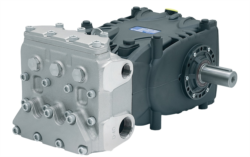
The Pratissoli KF30 delivers 106 L/min at 200 bar with 40 kW continuous power, making it suitable for large-scale thermal applications such as:
- Commercial building chilled water systems requiring booster pressure
- Industrial thermal loops serving process heating installations
- District heating systems feeding multiple building zones
- Pressurized glycol circulation in low-temperature protection systems
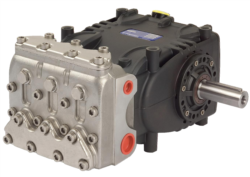
For smaller or modular HVAC installations, the Pratissoli SN7045 L offers 45 L/min at 210 bar with an 18.4 kW motor, providing excellent flexibility for retrofit applications where space constraints limit equipment sizing.
Matching Pump Capacity to System Demand
Selecting the correct pump begins with calculating your actual thermal load and circulation requirements:
- Flow Rate Calculation: Determine required L/min based on heat transfer duty (BTU/h) and acceptable temperature rise across the system
- Pressure Rating: Verify that equipment pressure rating exceeds your system's maximum operating pressure by at least 20%
- Motor Integration: Confirm the pump's power rating matches available electrical infrastructure (380V three-phase is standard in Singapore industrial settings)
- Duty Cycle: High-pressure pumps for HVAC should maintain at least 75% of rated flow under full load conditions
Contractors should document these specifications during design phase to avoid undersizing (which reduces system responsiveness) or oversizing (which increases energy consumption and component stress).
Section 2: Flame Detection and Combustion Safety in Burner Systems
Real-Time Flame Monitoring for Boiler Integration
For HVAC systems incorporating gas or oil burners—common in Singapore's commercial and industrial sectors—flame detection is non-negotiable. Regulatory requirements mandate automatic shutdown within 4 seconds if flame is lost, preventing dangerous accumulation of unburned fuel.
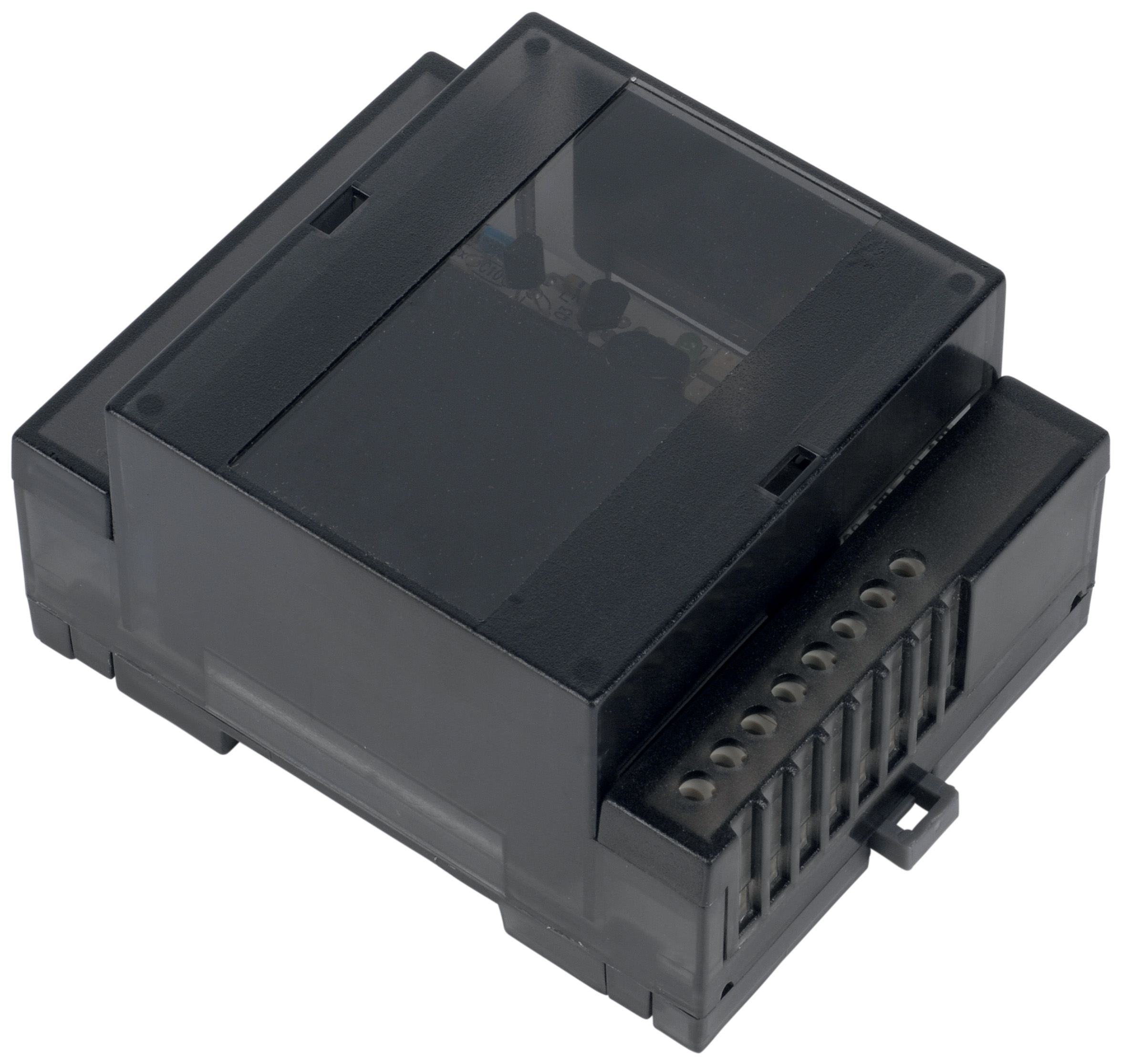
The Combutech Flame Relay CF1 provides ultraviolet (UV) flame detection with intelligent relay logic:
- Detection Capability: UV sensors detect flame presence through boiler burner primary, eliminating false ignition signals from hot surfaces
- Response Time: CF1 achieves reliable detection and signal output in under 1 second, meeting Singapore's safety standards for automated combustion shutdown
- Multi-Detector Support: The CF1 relay accommodates up to 10 UV detectors on a single line, enabling sophisticated burner systems or multiple-stage heating installations
- Safety Rating: IP40 protection and UL94-V0 polycarbonate housing ensure reliability in harsh boiler room environments with vibration, temperature swings, and potential chemical exposure
Integration with Existing Control Systems
The CF1's dual-voltage output (1 A @ 250 VAC and 1 A @ 30 VDC) makes retrofit integration straightforward:
- Connect the 250 VAC output directly to existing burner interlocks or control relays
- Use 30 VDC output for low-voltage supervisory circuits, enabling integration with building automation systems (BAS)
- Program time-delay logic at the relay to prevent nuisance shutdowns from momentary flame flicker
Contractors should verify flame sensing tube cleanliness during commissioning—carbon buildup on UV optical surfaces reduces detection sensitivity and may delay response times.
Section 3: High-Pressure Hazardous Area Equipment for Specialized HVAC Applications
ATEX-Compliant Systems in Classified Environments
Some Singapore facilities—particularly petrochemical plants, pharmaceutical manufacturing, or fuel storage terminals—require HVAC systems that operate in classified hazardous areas. Equipment must meet ATEX (Atmosphere Explosible) standards to prevent spark or ignition sources.
The Interpump PUMP W2035 L ATEX delivers 35 L/min at 200 bar with 13.23 kW power, specifically certified for hazardous-area service. This pump supports:
- Pressurized oil cooling systems serving explosion-proof motors in classified zones
- Hydraulic circuits powering pneumatic dampers or automated isolation dampers in hazardous areas
- Heat transfer fluid circulation in enclosed systems where external spillage must be prevented
Compliance Documentation and Equipment Pairing
When specifying ATEX-compliant equipment, contractors must:
1. Verify Equipment Categories: The W2035 L ATEX is suitable for specific gas/vapor groups and temperature classes—confirm alignment with your facility's classified area designation
2. Maintain Equipment Documentation: Keep ATEX certification certificates on file; Singapore's Ministry of Manpower and facility insurance may require verification
3. Plan Accessory Integration: Pair the pump with ATEX-rated motors, control relays, and pressure gauges to maintain full system certification
4. Schedule Maintenance Access: Design installations allowing safe inspection and filter changes without breaking ATEX seals
Section 4: Practical System Integration and Contractor Best Practices
Sizing Accessories and Transmission Components
High-pressure pumps often require gearbox accessories or transmission components to match engine speeds or deliver variable displacement. The Interpump GEARBOX RS500 provides 18.5 kW maximum power transmission with a 2.2 ratio, suitable for:
- Converting standard 1450 rpm motor output to 660 rpm pump shaft speeds
- Enabling compact installation of high-capacity pumps in tight mechanical rooms
- Reducing vibration transmission to building structure through optimal speed matching
When integrating gearboxes with pumps like the Pratissoli SN7045 L, verify:
- Input and output shaft dimensions match equipment specifications
- Transmission ratio accommodates your system's required operating point (typically 70–85% of rated pump capacity delivers best efficiency)
- Coupling alignment tolerances are maintained during installation
Commissioning and Performance Verification
Before releasing HVAC systems to facility operations, contractors should:
1. Pressure Test: Run system at 1.5× maximum operating pressure for 15 minutes, checking for leaks
2. Flow Measurement: Verify actual circulation rate matches design calculations using in-line flow meters
3. Temperature Monitoring: Record inlet/outlet temperatures across major components to confirm heat transfer performance
4. Flame Detection Test: Simulate flame loss and verify burner shutdown occurs within 4 seconds
5. Vibration Check: Measure equipment vibration at pump discharge; excessive vibration (>0.3 in/sec) indicates cavitation or misalignment
Energy Efficiency and Lifecycle Cost Management
High-pressure HVAC systems consume significant electrical energy. Contractors can optimize performance through:
- Variable Speed Drives (VSDs): Pair pumps with frequency inverters to modulate flow based on real-time thermal demand
- Pressure Relief Valve Tuning: Set relief pressures as low as system operation permits—each additional 10 bar increases power consumption 5–7%
- Fluid Condition Monitoring: Implement routine oil sampling to extend pump service life; contaminated fluid causes wear accelerating from months to weeks
- Preventive Filter Maintenance: Replace circulation filters every 500–1000 operating hours; clogged filters force overpressurization and reduce system efficiency
Conclusion
Industry Applications for Singapore HVAC contractors increasingly demand sophisticated integration of high-pressure pumps, combustion safety systems, and thermal management equipment. By understanding pump selection criteria, flame detection integration, ATEX compliance requirements, and commissioning best practices, contractors can design systems that deliver reliability, safety, and energy efficiency.
3G Electric's 35+ years of industrial equipment distribution experience positions the company as a valued resource for HVAC professionals navigating complex thermal system specifications. Whether you're upgrading an existing facility or designing a new commercial heating installation, consulting equipment datasheets and system integration guides ensures your selections align with Singapore's regulatory standards and your facility's operational requirements.
For detailed product specifications, safety certifications, or technical support with system design, contact 3G Electric's technical team. Our specialists understand the unique demands Singapore's climate and regulations place on HVAC contractors—and we're committed to supporting your success.