Understanding Industry Applications in Singapore's Thermal Management Landscape
Industry Applications across Singapore's HVAC and industrial cooling sectors depend fundamentally on reliable condensate removal and thermal fluid management systems. As Singapore continues to expand its advanced manufacturing, data center, and precision cooling infrastructure, the demand for specialized equipment has intensified. With over 35 years of experience as an industrial equipment distributor, 3G Electric understands the unique thermal challenges facing facility managers in Southeast Asia's humid tropical climate.
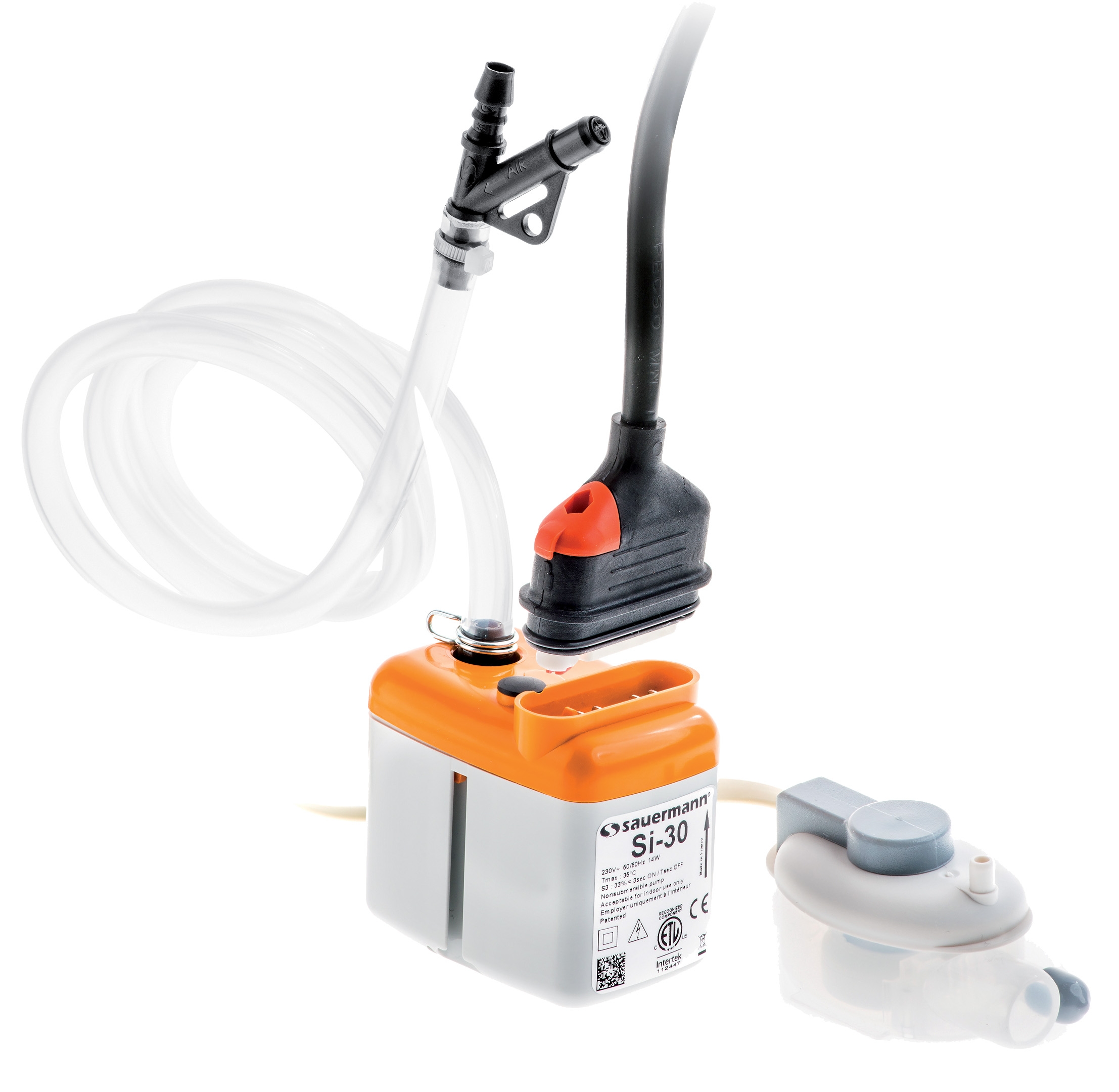
Condensate pumps represent a critical but often overlooked component in modern HVAC systems. When air conditioning units operate continuously—whether in manufacturing facilities, server rooms, or commercial buildings—they generate significant volumes of condensation that must be managed efficiently. Poor condensate management leads to system failures, water damage, and operational downtime. The Grundfos Pump SI-30 delivers automatic thermal protection at 115°C while handling condensate flows up to 20 l/h, making it ideal for Singapore's demanding climate where air conditioning systems operate year-round without seasonal interruption.
Understanding your facility's specific thermal and condensate management requirements is essential before selecting equipment. This guide addresses practical Industry Applications across multiple sectors, providing technical frameworks for equipment selection, system design, and maintenance planning.
Sector-Specific Industry Applications: From Data Centers to Manufacturing Facilities
Singapore's industrial landscape encompasses diverse sectors with distinct thermal management requirements. Data centers, pharmaceutical manufacturing, food processing, and precision engineering facilities each present unique challenges for condensate removal and thermal fluid control.
Data Center Cooling Applications
Data centers represent one of Singapore's fastest-growing industrial segments, with cooling systems running continuously at high capacity. These facilities generate massive volumes of condensate, requiring robust pump systems with automatic protection. The Grundfos SI-30 condenses pump provides continuous operation capability specifically engineered for air conditioning systems up to 20 kW. With thermal protection at 115°C, it safeguards against overheating during peak load periods when ambient temperatures and humidity levels spike simultaneously.
Data center managers must implement condensate systems that prevent moisture accumulation in equipment rooms and cable infrastructure. A single condensate backup can introduce moisture into sensitive server environments, causing corrosion and electrical failures. Automatic thermal protection ensures the pump discontinues operation if temperatures exceed safe thresholds, preventing cascading failures.
Pharmaceutical and Food Processing Facilities
Manufacturing sectors requiring strict environmental controls—pharmaceutical production, food processing, and electronics assembly—demand condensate management systems integrated with facility-wide thermal control strategies. These operations maintain precise humidity and temperature ranges, generating substantial condensate volumes that must be continuously removed without system interruption.
Precision manufacturing environments often feature multiple independent HVAC zones, each requiring dedicated condensate management. System redundancy becomes critical; facility managers typically specify backup pump systems or oversized units capable of handling peak flows without operational strain. The Grundfos SI-30 allows stacking multiple units in series or parallel configurations, providing both capacity and redundancy for mission-critical facilities.
Industrial Hydraulic and Fluid Transfer Applications
Beyond condensate management, Singapore's manufacturing sector relies heavily on high-pressure hydraulic systems for machinery operation. Industry Applications of hydraulic pumps extend across injection molding, metal stamping, press operations, and automated material handling. The Interpump PUMP VHT4721 SX delivers 21 L/min at 140 bar with compact 315.5 mm length, enabling integration into space-constrained manufacturing environments common in Singapore's industrial parks.
High-pressure applications demand pumps offering reliability, compact footprints, and consistent performance across varying load conditions. The VHT4721's 5.51 kW motor operating at 1450 rpm provides efficient power delivery while maintaining precise pressure regulation. Facility managers select this pump type when space constraints and efficiency requirements demand compact, high-performance solutions.
For applications requiring higher flow capacity, the Pratissoli KF30 high-performance industrial pump delivers 106 L/min at 200 bar with 40 kW power. Italian-engineered reliability combined with Singapore distributor support ensures rapid parts availability and technical assistance. Manufacturing facilities operating multiple production lines benefit from standardizing on a single pump platform across different machinery.
System Integration Strategies and Equipment Selection Frameworks
Successful Industry Applications require integrated system thinking rather than component-by-component selection. An effective condensate management strategy encompasses pump selection, piping design, drainage pathways, thermal protection, and maintenance protocols.
Thermal Protection and Safety Considerations
The Grundfos SI-30 incorporates automatic thermal protection at 115°C—a critical safety feature preventing pump damage during abnormal operating conditions. In Singapore's tropical climate, ambient air temperatures combined with heat from operating systems can push fluid temperatures rapidly upward. Automatic protection disengages the pump when temperature thresholds are exceeded, allowing systems to cool naturally while preventing thermal damage.
Facility managers must understand that thermal protection is not a convenience feature but a mandatory safety requirement in continuous-operation environments. Equipment operating 8,760 hours annually experiences cumulative thermal stress that intermittently-used equipment never encounters. Selection of pumps with automatic thermal protection becomes non-negotiable for mission-critical applications.
Pressure and Flow Rate Matching
Equipment selection requires precise matching of pump capacity to system demands. Oversizing generates unnecessary energy consumption and operational costs; undersizing causes system strain and reduced service life. The Interpump E3B1911 with integrated valve delivers 11 L/min at 190 bar—appropriate for mid-range industrial applications where moderate flow rates meet high-pressure requirements.
For facility-wide thermal management, procurement engineers must map all condensate generation points, calculate peak flow requirements accounting for simultaneous operation, and select pumps providing 15-20% capacity buffer for seasonal variations and equipment aging. Singapore's high humidity amplifies condensate generation during monsoon seasons, requiring oversizing considerations often overlooked during dry-season planning.
Integration with Gas Control and Safety Systems
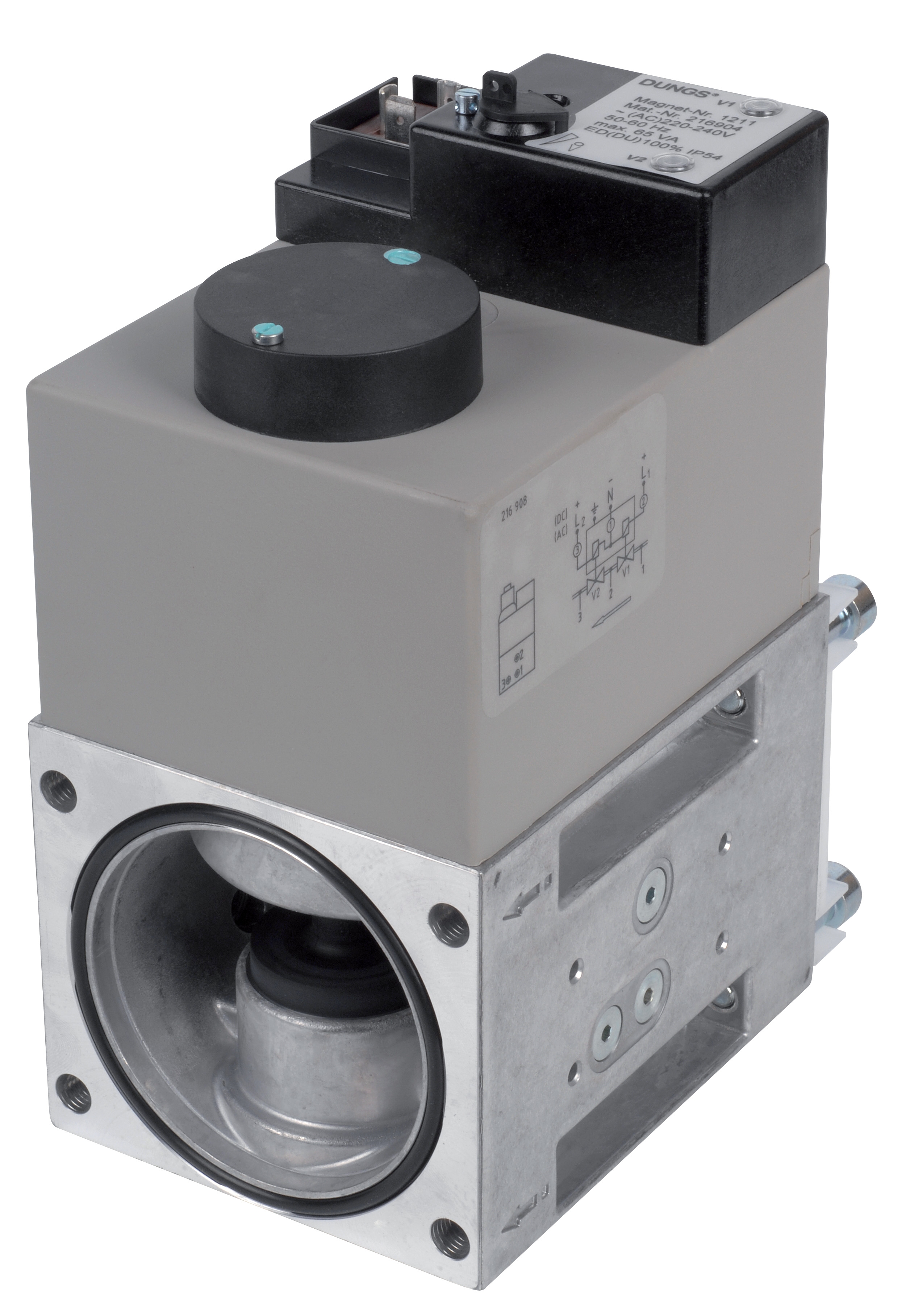
Many industrial facilities operate complex systems combining HVAC, combustion equipment, and gas burners. Gas control becomes interrelated with thermal management when industrial processes involve heating or combustion. The DUNGS Valve block DMV-D 512/11 provides double solenoid gas regulation across pressure ranges from Rp 3/8 to Rp 2, integrating with facility-wide safety systems.
When thermal fluid systems operate in conjunction with gas-fired heating equipment, coordinated control becomes essential. Gas valve blocks must communicate with temperature sensors and condensate management systems to optimize energy efficiency while maintaining safety. Singapore's energy-conscious manufacturing sector benefits from integrated controls that reduce unnecessary heating or cooling cycles.
Practical Maintenance and Operational Optimization
Industry Applications of condensate and thermal management systems extend beyond initial installation into long-term operational excellence. Maintenance protocols directly impact equipment reliability, energy efficiency, and facility productivity.
Preventive Maintenance Scheduling
Condensate pumps operating in Singapore's humid climate face fouling risks from mineral deposits, algae growth, and sediment accumulation. The Grundfos SI-30 requires quarterly inspection of inlet strainers and annual system flushing to maintain optimal performance. Facility managers should establish maintenance calendars tied to seasonal variations; intensify monitoring during monsoon periods when humidity-driven condensate generation peaks.
High-pressure hydraulic systems like the Pratissoli KF30 require fluid analysis every 500 operating hours, with complete fluid changes at manufacturer-specified intervals. Contaminated hydraulic fluid degrades pump efficiency and accelerates wear on precision components. Singapore's tropical humidity introduces moisture into hydraulic systems; preventive fluid management becomes especially critical.
Troubleshooting Common Operational Issues
Facility managers frequently encounter condensate pump failures during peak cooling periods—typically mid-afternoon when ambient temperatures and HVAC loads simultaneously peak. Automatic thermal protection on the Grundfos SI-30 prevents damage but may mask underlying issues: inadequate drainage piping, excessive heat generation, or environmental temperature extremes.
Systematic troubleshooting requires measuring actual fluid temperatures, verifying drainage system patency, and analyzing operational logs to identify patterns. Equipment that consistently triggers thermal protection during predictable periods indicates system design inadequacy rather than equipment failure.
For high-pressure systems, pressure gauge readings combined with flow rate measurements reveal pump degradation. If pressure drops while flow remains constant, or flow decreases at constant pressure, internal wear has begun. Early detection enables planned maintenance before catastrophic failure disrupts production.
Energy Efficiency Optimization
With Singapore's high electricity costs, optimizing pump efficiency becomes directly tied to operational profitability. The Interpump PUMP VHT4721 SX operates at 1450 rpm—a speed optimized for efficiency at typical operating conditions. Running at higher speeds increases energy consumption exponentially while providing minimal flow or pressure benefit.
Variable frequency drives (VFDs) paired with pressure sensors enable intelligent pump speed adjustment. When condensate generation decreases (cooler ambient periods), VFDs reduce motor speed proportionally, cutting energy consumption significantly. Over a year of operation, properly configured VFD systems reduce electrical costs by 20-30% while simultaneously extending equipment service life through reduced thermal stress.
Selecting 3G Electric as Your Condensate and Thermal Management Supplier
With 35+ years serving Singapore's industrial sector, 3G Electric provides not merely products but technical partnership supporting your facility's long-term operational success. Our distributor relationships with Grundfos, Interpump, Pratissoli, and DUNGS ensure rapid parts availability, competitive pricing, and technical support aligned with your project timeline.
When evaluating condensate and thermal management equipment, facility managers benefit from consulting experienced distributors who understand local climate challenges, regulatory requirements, and industry-specific applications. 3G Electric's technical team assists with system design reviews, equipment selection verification, and maintenance planning—services that prevent costly oversizing, undersizing, or specification mismatches.
Whether you operate a single facility requiring condensate management or manage multiple industrial sites with diverse thermal control needs, 3G Electric supplies the equipment, expertise, and ongoing support enabling operational reliability and energy efficiency optimization.