Understanding Hydraulic System Components Across Industry Applications
Hydraulic systems power critical operations across manufacturing, agriculture, construction, and marine industries worldwide. As a maintenance team, understanding how core components function within different industry applications is essential for preventing costly downtime. With over 35 years of experience distributing industrial equipment globally, 3G Electric recognizes that hydraulic system performance depends on proper maintenance of interconnected components—from nozzles and tanks to safety devices.
Each industry application presents unique demands on hydraulic systems. Manufacturing facilities require precision control with minimal pressure fluctuations, while agricultural equipment operates in harsh, dusty environments. Marine applications demand corrosion-resistant materials and reliability under extreme conditions. The foundation of effective maintenance lies in understanding how your system's components interact and how environmental factors specific to your industry affect performance.
The key hydraulic components you'll manage include pressure nozzles, expansion tanks, reservoir monitoring systems, and mounting infrastructure. Each component plays a critical role in maintaining system integrity and safety. Flat jet nozzles, for example, are pressure-control elements that direct hydraulic flow at specific angles and pressures, varying by industry application. The CBM Flat jet nozzle HP 1/4"M BSPT index 25 angle 15° and CBM Flat jet nozzle HP 1/4"M BSPT index 055 angle 15° represent different pressure ratings designed for specific applications—understanding which suits your installation prevents system failures and inefficiencies.
Diagnostic Strategies for Identifying System Issues in Your Industry Application
Proactive diagnostics separate efficient maintenance operations from reactive emergency repairs. Maintenance teams must develop systematic approaches to identify potential failures before they impact production. Begin with baseline documentation: record your system's normal operating pressures, flow rates, temperatures, and noise profiles during commissioning or initial operation. This baseline becomes your reference for detecting anomalies across your industry applications.
Establish a weekly visual inspection protocol. Check for hydraulic fluid leaks around connection points, hoses, and cylinders. Monitor fluid color and consistency—darker fluid or visible particulates indicate degradation. Listen for unusual pump noises, pressure fluctuations, or valve chattering. These auditory cues often precede measurable performance changes and represent early warning signs specific to your equipment type.
Temperature monitoring is critical across all industry applications. Hydraulic fluid operates optimally between 40-60°C; temperatures above 60°C accelerate fluid degradation and component wear. Install temperature gauges on main reservoir lines if not already present. Track temperature trends over time—sustained increases suggest inadequate cooling or contamination buildup requiring intervention.
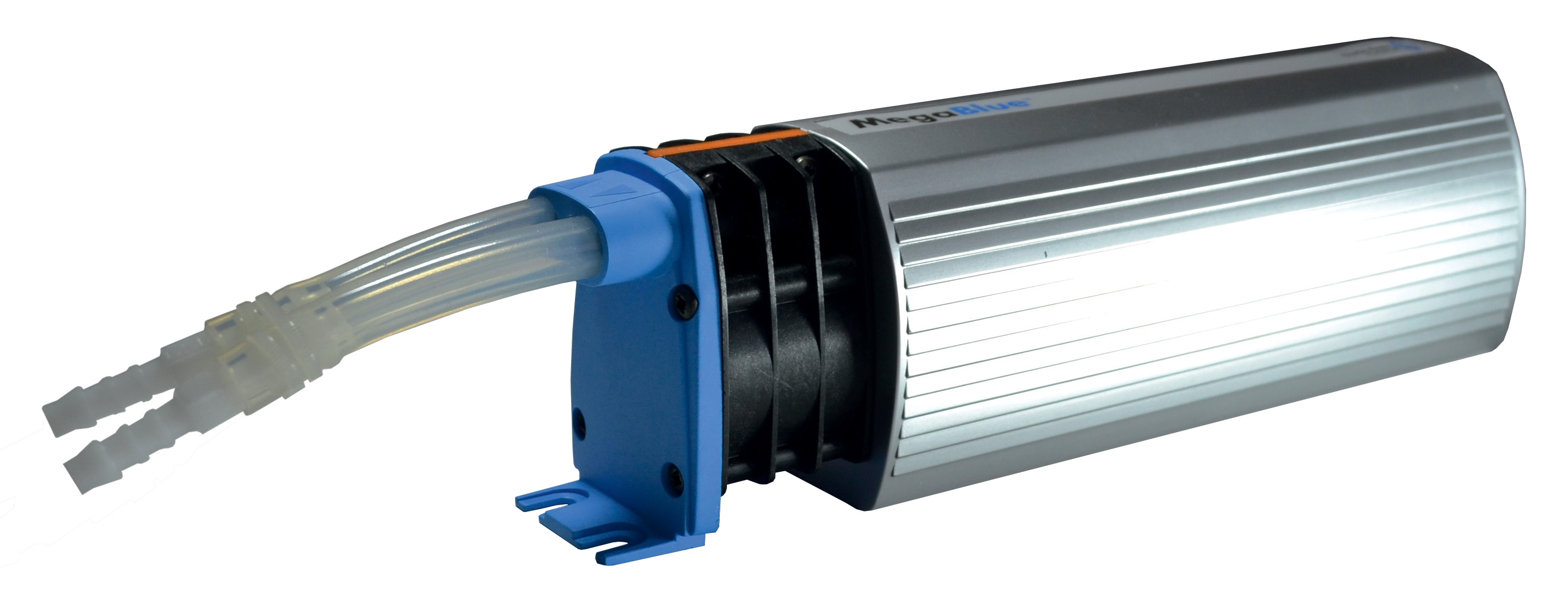
Pressure monitoring deserves particular attention in high-demand applications. Install pressure gauges at key system points: pump outlet, main accumulator, and return line. Compare readings to manufacturer specifications and your baseline data. Pressure drops indicate leaks or pump wear; sustained high pressures suggest blockages or failing relief valves. The CBM Megablue reservoir alarm + shut-off X87-813 provides automated pressure monitoring with integrated safety shutdown, enabling continuous surveillance without manual checking.
Fluid analysis programs offer invaluable diagnostic data. Send samples quarterly (or monthly in high-stress applications) to certified labs. Analysis identifies particle contamination, water content, viscosity changes, and additive depletion—all invisible to naked inspection but critical indicators of system health. Many failures trace back to fluid degradation detected weeks earlier through analysis.
Systematic Maintenance Procedures for Diverse Industry Applications
Effective maintenance requires structured procedures adapted to your specific industry application. Develop a master maintenance schedule addressing daily checks, weekly inspections, monthly services, and quarterly overhauls. Document everything in a digital maintenance management system accessible to your team.
Daily Operational Checks:
Before starting equipment, verify fluid levels in the reservoir. Low levels risk air ingestion, causing pump cavitation and component damage. Check filter condition—clogged filters restrict flow and increase pressure, forcing pumps to work harder and reducing lifespan. Note any unusual noises, vibrations, or temperature changes immediately.
Weekly Inspection Protocol:
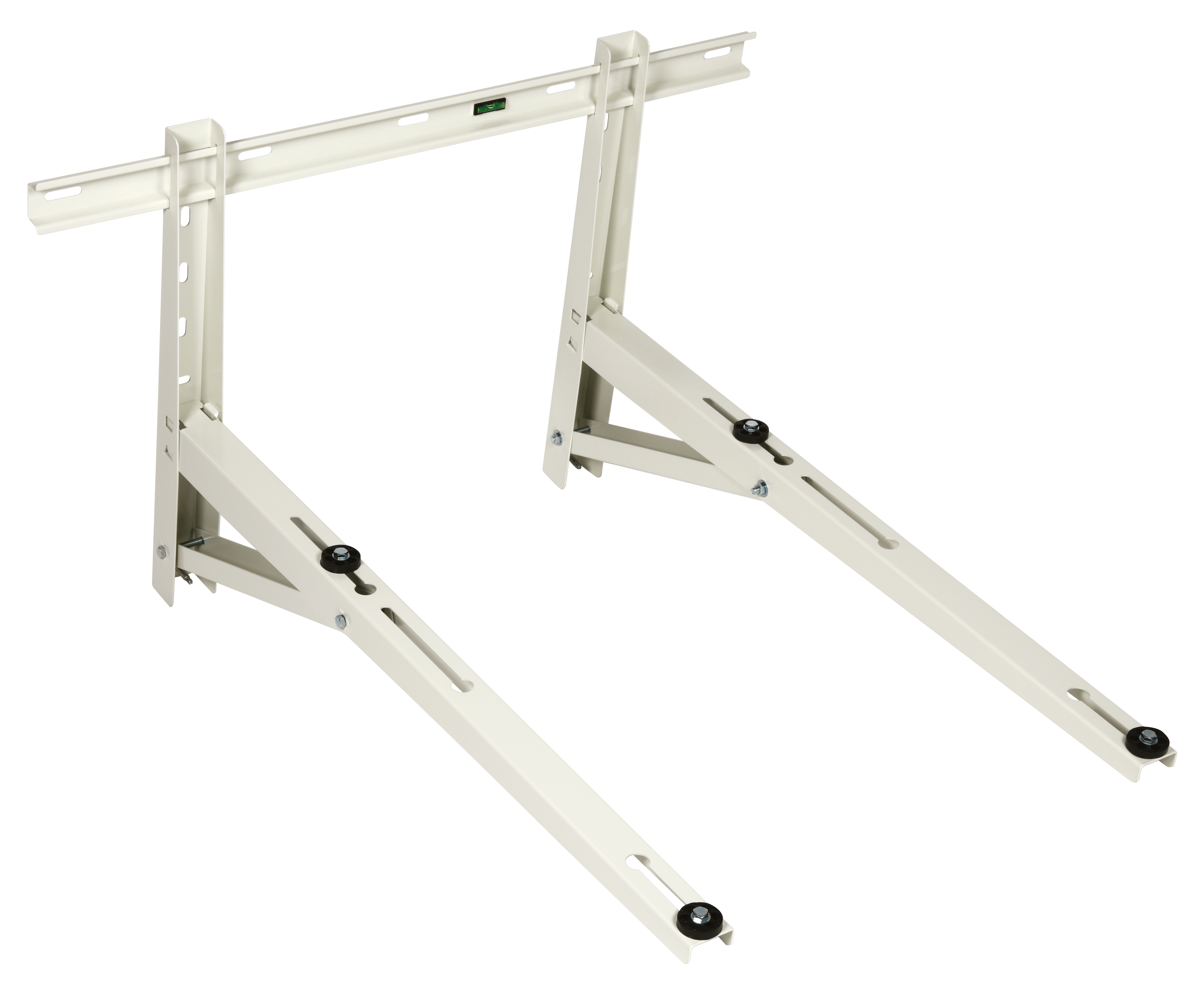
Inspect all visible hydraulic lines for cracks, abrasion, or leaks. Pay particular attention to connection points where vibration accelerates wear. Check hose routing to ensure lines aren't pinched or touching moving components. Verify that the CBM Wall bracket 1000 or equivalent mounting hardware remains secure—loose brackets create vibration that damages hoses and connections.
Test manual valve operation and relief valve function. Manually cycle directional valves to verify smooth operation and check that the system returns to neutral position. Relief valve performance is critical; set and verify relief valve pressure settings according to manufacturer specifications for your equipment type.
Monthly Servicing Tasks:
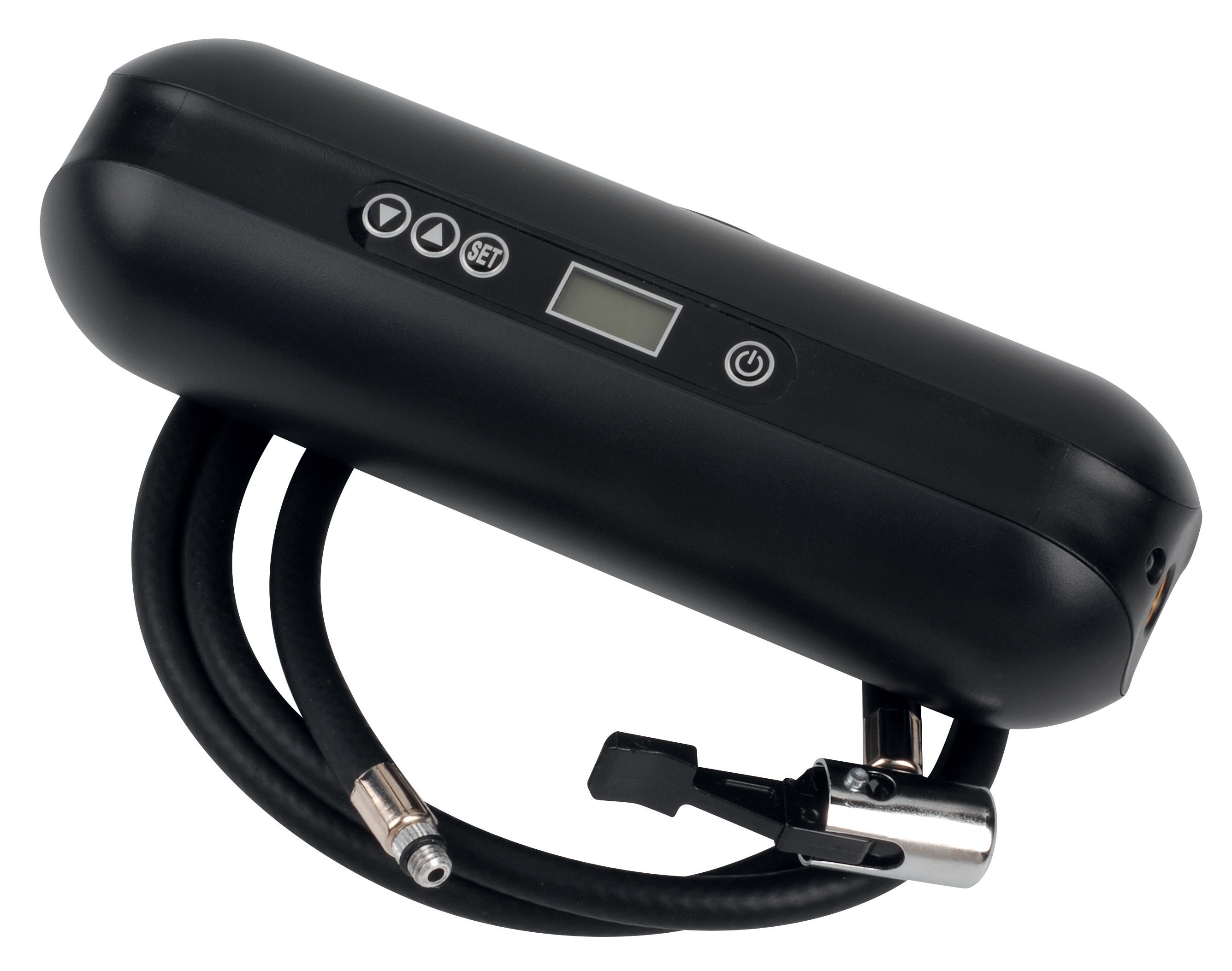
Drain and replace reservoir drain plugs to remove settled contaminants. Inspect expansion tanks and accumulators for proper charge pressure. The CBM Expansion tank inflator battery 2000 mAH enables field charging of expansion tanks without site equipment—invaluable for maintenance teams managing systems in remote locations or facilities without dedicated inflator tools. Verify accumulator precharge pressure matches system specifications; incorrect precharge reduces system response and increases component wear.
Clean or replace main reservoir filters according to manufacturer schedules or more frequently if operating in dusty environments typical of agricultural or outdoor construction applications. High contamination environments may require weekly filter changes rather than monthly intervals.
Quarterly Overhauls:
Conduct comprehensive system inspections including pump performance testing. Measure pump flow rate and compare to baseline values. Declining flow indicates internal pump wear requiring rebuild or replacement. Test all pressure-control nozzles by measuring spray pattern and pressure at the nozzle outlet. The CBM Flat jet nozzle HP 1/4"M BSPT index 25 angle 15° requires verification that spray angles remain consistent with original specifications—drift indicates wear or contamination buildup.
Inspect and test all solenoid valves, directional control valves, and check valves. Verify spool operation is smooth without stiction (sticky movement). Check valve function is critical—faulty check valves allow backflow, creating pressure spikes and system instability.
Flush accumulator and expansion tank systems. Over time, internal corrosion and mineral deposits accumulate, reducing performance. In high-vibration environments typical of manufacturing applications, this maintenance becomes semi-annual rather than quarterly.
Preventive Maintenance Strategies Specific to Your Industry Application
The most cost-effective maintenance is prevention. Once you understand your industry application's unique stressors, implement targeted preventive measures.
Contamination Control:
Particulate contamination is the leading cause of hydraulic system failures across all industries. Maintain clean work areas when servicing hydraulic components. Use only approved hydraulic fluid and filters specified for your system. Train technicians to minimize fluid exposure to air during servicing—oxygen ingestion accelerates oxidation and sludge formation. Store hydraulic fluid in sealed containers away from moisture and dust.
Environment-Specific Precautions:
Manufacturing facilities should implement secondary containment systems beneath reservoirs and pump stations to capture spills before environmental contamination. Marine applications require corrosion inhibitors and more frequent fluid sampling due to salt spray exposure. Agricultural equipment operating in wet conditions needs sealed connectors and more aggressive filter replacement schedules.
Component Replacement Planning:
Establish replacement intervals based on manufacturer recommendations and your operating conditions. Harsh environments warrant more aggressive replacement schedules. Maintain critical spare components on-site: pump seals, solenoid coils, directional valve spools, and hose assemblies. The cost of carrying spares is negligible compared to production downtime from emergency failures.
Training your maintenance team on proper replacement procedures is equally important. When replacing pressure nozzles like the CBM Flat jet nozzle HP 1/4"M BSPT index 055 angle 15°, technicians must understand the difference between index ratings and spray angles to select correct replacements. Improper nozzle selection perpetuates problems rather than solving them.
Documentation and Data Analysis:
Maintain detailed records of all service work, parts replaced, fluid analysis results, and performance measurements. Analyze this data quarterly to identify patterns—recurring failures in specific components, seasonal performance variations, or degradation trends. This analytical approach transforms maintenance from reactive troubleshooting to strategic optimization.
3G Electric's 35+ years distributing industrial equipment globally positions us to support maintenance teams with expertise spanning diverse industry applications. By implementing systematic diagnostic strategies, structured maintenance procedures, and preventive measures tailored to your specific industry application, maintenance teams dramatically improve system reliability, extend equipment lifespan, and reduce unexpected downtime across global operations.