Understanding Industry Applications in Modern HVAC Systems
When we talk about Industry Applications for HVAC contractors, we're not just discussing furnace installation or air handler maintenance. Modern commercial HVAC systems—especially in industrial facilities—require integrated solutions that combine gas regulation, high-pressure fluid delivery, precision spray technology, and rigorous maintenance protocols.
With 35+ years of experience as a distributor of industrial equipment globally, 3G Electric has worked with HVAC contractors managing everything from small commercial units to large-scale industrial climate control systems. What we've learned is that successful Industry Applications require understanding how multiple system components interact under varying pressure conditions.
This guide focuses on practical integration strategies that help contractors specify, install, and maintain complex HVAC systems where gas regulation, high-pressure pumping, and precision fluid delivery operate together. Whether you're designing a new commercial HVAC system or troubleshooting an existing installation, these Industry Applications principles will improve system reliability and performance.
Section 1: Designing Multi-Pressure HVAC Systems with Integrated Gas Regulation
Understanding Pressure Tier Architecture
Modern commercial HVAC systems often operate across three distinct pressure tiers: low-pressure gas distribution (for burner fuel delivery), intermediate-pressure systems (for control and safety functions), and high-pressure fluid circuits (for hydraulic actuation and auxiliary cooling/heating loops).
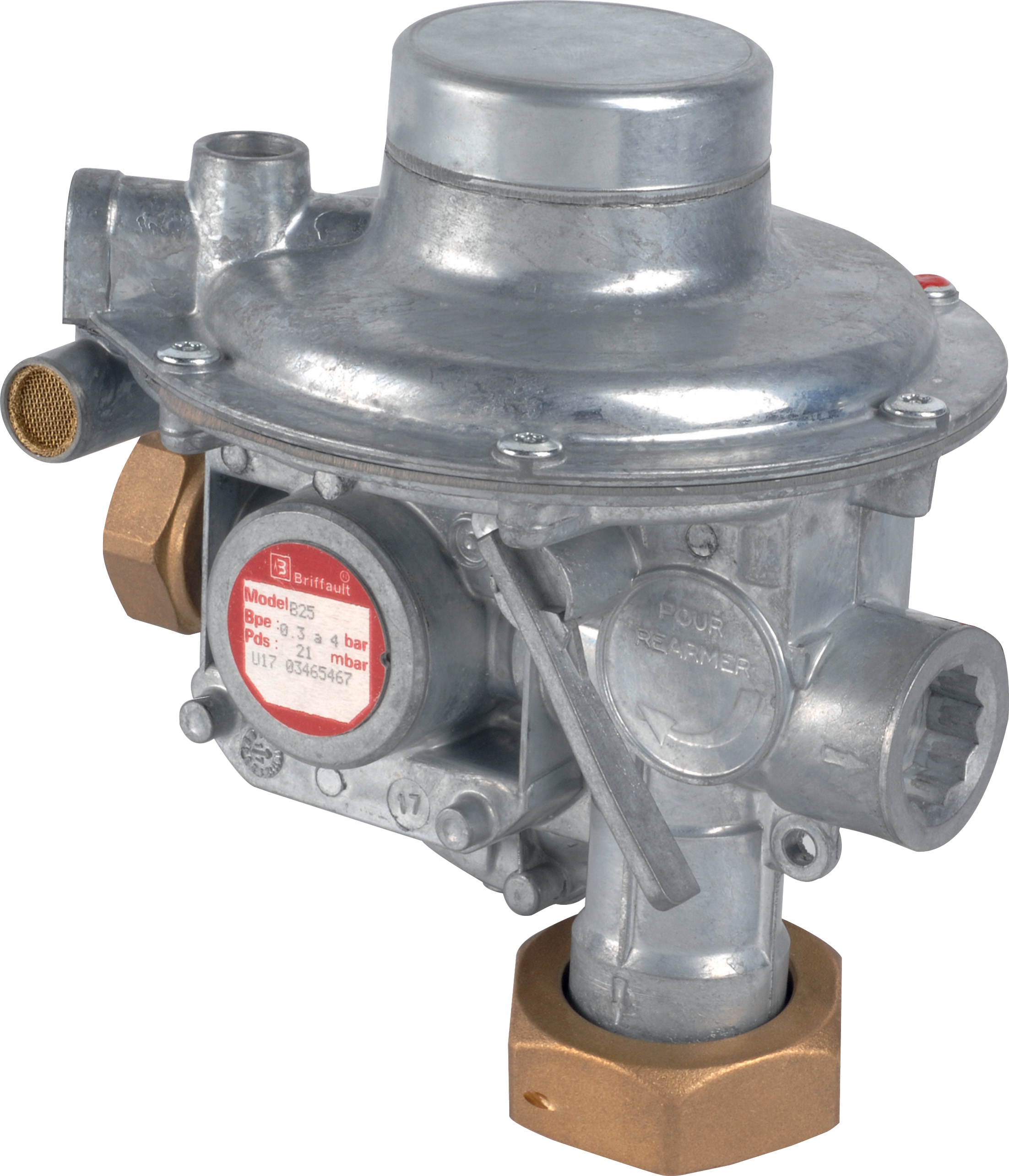
The foundation of this architecture starts with proper gas regulation. The Francel B25/37mb pressure regulator with safety delivers consistent 37 mbar outlet pressure with integrated safety relief—critical for burner control systems. This isn't just about pressure reduction; it's about establishing a stable, predictable platform for downstream HVAC components.
When integrating this regulator into Industry Applications, contractors must consider:
- Pressure stability during load variations: As heating demand fluctuates, gas flow through your burner system changes. The regulator maintains outlet pressure consistency, preventing flame modulation errors that can reduce efficiency by 5-15%.
- Safety relief calibration: The integrated 10 mm vent size provides adequate relief capacity for typical commercial HVAC applications. Verify your system's maximum gas flow requirement doesn't exceed relief capacity during fault conditions.
- Inlet pressure expectations: These regulators typically operate with inlet pressures between 0.5-1.5 bar. Confirm your gas supply pressure matches this range; higher pressures require different regulator models.
For HVAC systems integrating gas regulation with fluid delivery, this stable gas platform prevents pressure spikes that could damage downstream pumps or interfere with pneumatic controls.
Mounting and Venting Considerations
Proper installation is where many contractors encounter problems. The regulator's vent port must discharge to a safe location—never into enclosed spaces where accumulated gas could create hazards. For commercial HVAC applications, vent the regulator to atmosphere through appropriate ducting.
Mount the regulator in an accessible location that allows regular visual inspection and maintenance. In industrial HVAC environments with high vibration or temperature swings, use vibration-damping mounts and thermal insulation as needed.
Section 2: Integrating High-Pressure Fluid Delivery with HVAC Systems
Selecting Pumps for Dual-Purpose HVAC Applications
Many modern commercial HVAC systems require high-pressure fluid delivery for cooling circuits, emergency heat exchangers, or hydraulic-actuated zone damper systems. This is where pump selection becomes critical.
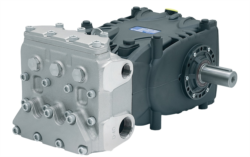
The Pratissoli KF30 pump delivers 106 L/min at 200 bar—suitable for mid-scale commercial systems requiring auxiliary cooling loops. The Pratissoli MW40 provides 211 L/min at 210 bar for larger installations or systems with multiple simultaneous high-pressure circuits.
When evaluating these pumps for Industry Applications in HVAC:
- Flow requirements: Calculate total flow needed across all circuits. Cooling loops, heat exchanger circulation, and damper actuation each consume flow. The KF30 handles systems up to 50-60 tons capacity; MW40 supports 100-150 ton installations.
- Pressure headroom: Never operate pumps continuously at maximum rated pressure. Design systems for 70-80% of rated pressure; this extends pump life and reduces heat generation by 20-30%.
- Power availability: The KF30 requires 40 kW; MW40 needs 85 kW. Verify your electrical infrastructure supports these loads, including proper motor starters and VFD compatibility if variable flow control is needed.
Integrating Pumps with Existing HVAC Infrastructure
These Pratissoli pumps are Italian-engineered (Interpump Group), meaning they're built for reliability in industrial environments. However, HVAC integration requires attention to fluid type and conditioning.
Use only approved hydraulic fluids; mixing with HVAC mineral oils causes viscosity instability and reduces pump efficiency. Install 10-micron return filters and change them every 500 operating hours in high-load applications. Many contractor failures stem from inadequate filtration—degraded hydraulic fluid varnish destroys pump internals within months.
Section 3: Precision Spray and Cleaning Integration in HVAC Industry Applications
When HVAC Systems Need Integrated Cleaning
In industrial facilities, HVAC systems often operate in harsh environments—food processing plants with moisture, manufacturing facilities with airborne particles, or chemical environments with residue buildup. When your HVAC system includes a high-pressure cleaning function (for periodic heat exchanger cleaning or intake filter spray-washing), precision spray technology becomes essential.
The Euspray flat jet nozzle HP 1/4" BSPT delivers targeted spray patterns with a 25° spray angle and index 30 design. This nozzle connects directly to high-pressure circuits from your main pump system.
For Industry Applications, this spray integration offers practical advantages:
- Preventive maintenance: Instead of shutting down HVAC systems for quarterly deep cleaning, operator can initiate low-volume spray-cleaning cycles without full system shutdown. This maintains 95%+ uptime in critical applications.
- Efficient fluid consumption: The flat jet pattern minimizes overspray waste compared to solid cone nozzles. You achieve effective cleaning with 30-40% less fluid, reducing runoff disposal costs.
- Modular integration: The 1/4" BSPT connection integrates into standard industrial piping. Use proportional solenoid valves to activate spray cycles on demand; when not needed, full pump flow routes to primary HVAC circuits.
Designing the Spray Circuit
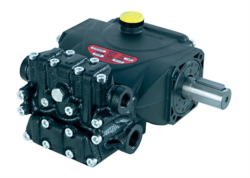
For HVAC systems exceeding 100+ tons capacity, consider a dedicated low-flow pump circuit for spray cleaning rather than diverting primary circuit flow. The Interpump E1D1808 compact gear pump delivers 8 L/min at 180 bar—ideal for spray circuit duty. At 2.72 kW input, it's low-power enough to run continuously without overloading electrical infrastructure, and operators can activate spray functions at any time.
This dual-pump approach (main circuit + cleaning circuit) requires additional piping and controls but prevents flow starvation in primary cooling circuits and simplifies operator procedures.
Section 4: Maintenance Protocols for Multi-System Industry Applications
Establishing Inspection Schedules
Systems combining gas regulation, high-pressure pumping, and spray functions require coordinated maintenance. Create a matrix documenting:
- Weekly: Visual inspection of regulator vent discharge, pump inlet/outlet gauges, and spray nozzle condition. Look for oil weeping around pump seals or regulator body.
- Monthly: Check pump inlet strainer condition, measure system pressures under load, and run nozzle spray patterns through test cycles. Verify solenoid valve actuation for spray functions.
- Quarterly: Change hydraulic fluid return filters, inspect high-pressure hose integrity (especially spray circuit hoses, which experience pressure cycling), and recalibrate pressure gauges.
- Annually: Full system flush if fluid contamination detected, pump performance testing, and regulator safety relief function verification.
Troubleshooting Industry Applications Issues
Pressure fluctuation in gas regulation: If your burner flame modulates erratically, the regulator outlet pressure is likely unstable. First, verify inlet pressure is steady (0.5-1.5 bar range). If inlet is stable but outlet fluctuates, internal regulator diaphragm may be damaged—replace the unit. Do not attempt field repair; these regulators are sealed assemblies.
Reduced pump flow or rising outlet temperatures: Clogged inlet strainer is the #1 cause. Stop the system immediately and change the strainer. If flow remains low, pump internals may be damaged. Continuing operation will destroy the pump within hours.
Spray nozzle dribbling or no spray during activation: First, confirm high-pressure liquid is reaching the nozzle (install a gauge in the supply line). If pressure is present but spray is weak, the nozzle is internally clogged. Flush with clean hydraulic fluid using low pressure (under 50 bar) to avoid forcing debris deeper. If nozzle doesn't clear, replace it. These are wear items; plan replacement annually in high-use applications.
Thermal shutdown of motor during summer peak: Both KF and MW pumps can overheat if flow is restricted or system pressure is too high. Check for kinked hoses or collapsed return lines. Verify system pressure doesn't exceed 80% of pump rating. If temperatures remain high, your cooling loop may be undersized for current load—contact 3G Electric for redesign consultation.
Documentation and Compliance
Maintain detailed logs of all maintenance activities, pressure readings, and component replacements. For commercial HVAC systems in regulated environments (food processing, healthcare, etc.), this documentation proves compliance with equipment servicing standards. Over 35+ years, we've seen contractors avoid costly downtime and liability issues simply by maintaining organized service records.
Conclusion
Integrating Industry Applications across modern HVAC systems requires understanding how gas regulation, high-pressure fluid delivery, and precision spray technology interact. By designing systems with appropriate pressure tier architecture, selecting properly-sized components, and implementing disciplined maintenance protocols, HVAC contractors can deliver reliable, efficient systems that operate for decades.
3G Electric distributes all components discussed in this guide and provides technical support to help you specify correct configurations for your specific projects. Leverage our 35+ years of global experience to ensure your Industry Applications integrate smoothly and perform reliably.