Understanding Multi-Sector Industry Applications
Industry applications have evolved dramatically over the past three decades. What once seemed like specialized equipment for single-sector use now serves dual and triple-purpose functions across diverse manufacturing environments. As a global distributor since 1990, 3G Electric has witnessed this transformation firsthand, watching procurement engineers transition from compartmentalized purchasing to integrated system thinking.
Today's procurement engineers face a unique challenge: selecting equipment that performs reliably across multiple industry applications while maintaining cost efficiency. A pressure regulator designed for laboratory gas distribution might also serve compressed air systems in food processing plants. An industrial pump specified for automotive manufacturing can handle identical pressure and flow requirements in chemical processing facilities. Understanding these overlapping applications helps you build flexible, future-proof equipment strategies.
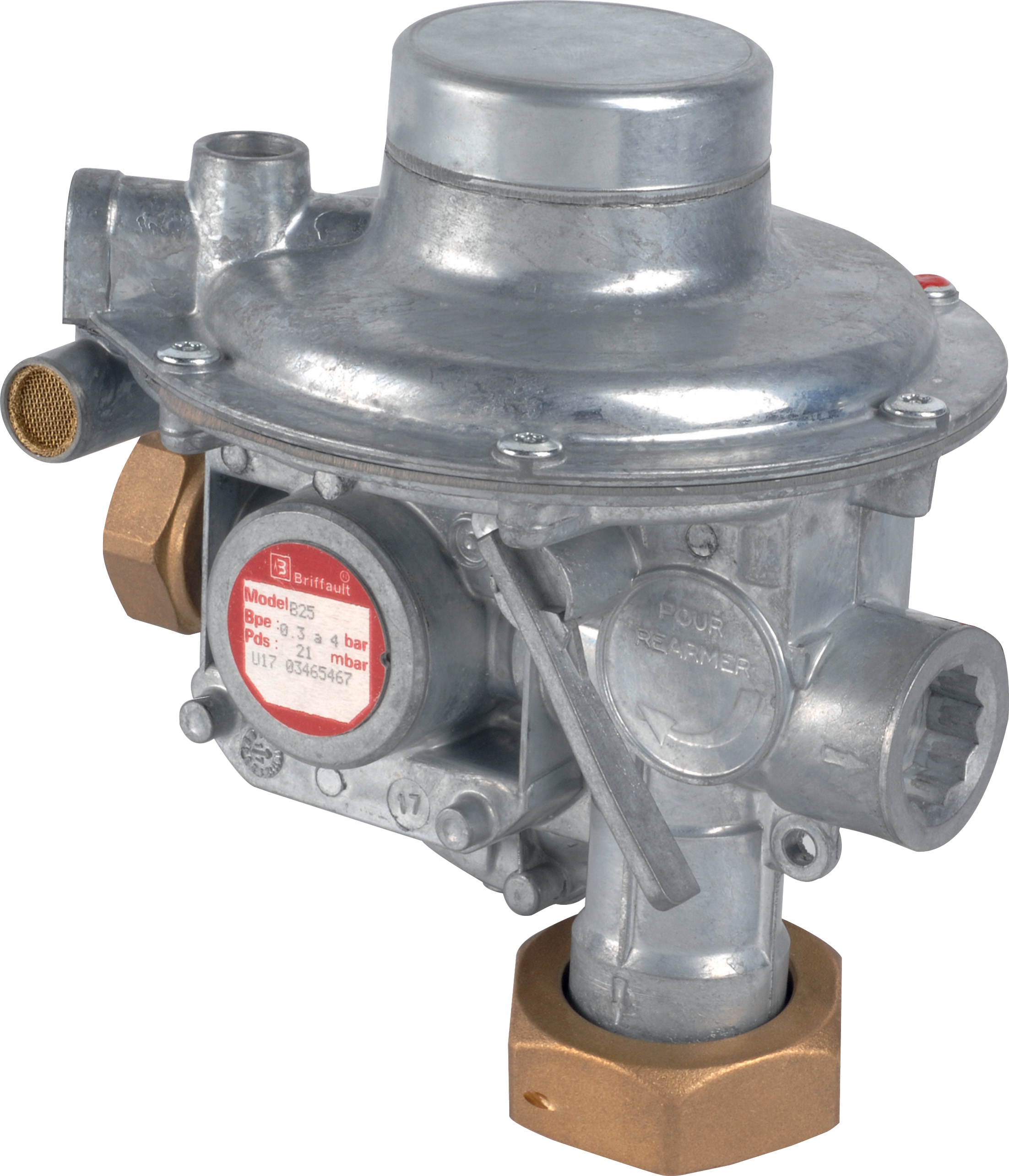
The foundation of effective procurement lies in recognizing that performance specifications—not industry labels—determine equipment versatility. A Francel B25/37mb pressure regulator with integrated safety relief delivers consistent 37 mbar outlet pressure whether serving laboratory gas distribution or industrial automation systems. Flow capacity, pressure rating, and safety certification matter far more than the industry name printed on the product sheet.
Cross-Sector Pump Applications and Performance Integration
High-performance industrial pumps represent the backbone of modern manufacturing across sectors. The distinction between "manufacturing-grade" and "food-processing-grade" equipment often comes down to material selection and seal compatibility rather than fundamental pump design.
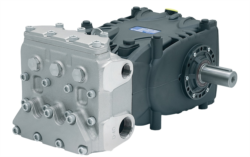
The Pratissoli KF30 pump delivers 106 L/min at 200 bar pressure with 40 kW power consumption. Procurement engineers specify this unit across multiple applications: automotive parts cleaning systems requiring consistent high-pressure jets, industrial machinery test stands demanding precise pressure delivery, and chemical fluid transfer operations. The same Italian-engineered construction handles plastic injection molding pressure circuits, food industry sanitation systems, and metal fabrication coolant circulation with equal reliability.
Scaling upward, the Pratissoli MW40 pump offers 211 L/min at 210 bar pressure with 85 kW capacity. This unit bridges the gap between mid-range and enterprise-scale operations. Procurement engineers deploy MW40 systems in:
- Automotive manufacturing: High-pressure cleaning systems, paint application circuits, and hydraulic power generation for assembly line automation
- Food and beverage processing: Sanitation equipment, product transfer systems, and ingredient mixing operations
- Textile manufacturing: Pressure spray systems for dyeing operations and fabric treatment applications
- Agricultural equipment manufacturing: Hydraulic system testing and component cleaning operations
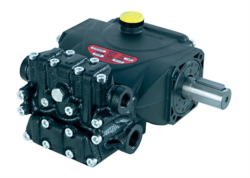
The compact Interpump E1D1808 gear pump serves different application parameters: 8 L/min at 180 bar, 2.72 kW power, designed for space-constrained installations. This unit excels in secondary systems—lube oil circulation, auxiliary hydraulic circuits, and pressure testing equipment where footprint limitations drive equipment selection.
Practical procurement strategy: evaluate pump specifications (flow, pressure, power, dimensions) independently from industry marketing labels. A pump that performs in automotive testing performs equally in food processing validation when material compatibility is addressed.
Precision Spray Systems Across Manufacturing Verticals
Spray technology applications extend far beyond single-industry use. The Euspray flat jet nozzle with 25° spray angle and 1/4" M BSPT connection serves diverse manufacturing environments through its fundamental design: targeted, consistent spray pattern delivery.
Food Processing Applications: High-pressure cleaning systems in meat processing facilities, dairy equipment sanitation, and vegetable washing operations all employ identical nozzle specifications. The flat jet design provides uniform coverage without dead zones, critical for sanitation validation. Index 30 design ensures repeatable spray angles across multiple installation points.
Automotive and Manufacturing: Paint application systems, metal surface cleaning before coating operations, and precision coolant application in machining operations depend on consistent spray patterns. The flat jet nozzle eliminates spray drift common with round-pattern designs, improving coating efficiency and reducing material waste.
Chemical Processing: Precise fluid atomization for chemical mixing, solvent application, and vapor extraction systems benefit from the controlled spray geometry. The 25° angle prevents excessive splash-back while maintaining penetration depth for thick fluid applications.
Textile and Coating Industries: Uniform application across wide work areas demands consistent nozzle performance. Multiple nozzles configured with identical index 30 specifications create predictable coverage patterns across production widths.
Procurement engineers select spray equipment based on three primary criteria: spray angle (coverage pattern), connection type (system integration), and pressure rating (material handling). These specifications remain constant whether the application involves food sanitization or industrial coating.
Integrated System Design for Global Operations
Modern procurement strategy emphasizes integrated system thinking rather than component-by-component selection. With 35+ years of global distribution experience, 3G Electric has observed successful procurement engineers build equipment frameworks that adapt across operational scenarios.
Core System Architecture: Start with pressure generation (pump selection), pressure management (regulator configuration), and delivery precision (nozzle specification). This three-tier approach applies universally:
1. Pressure Generation: Select pump capacity based on maximum simultaneous demand. The MW40 at 211 L/min provides sufficient capacity for multi-zone operations without constant duty-cycle cycling that reduces component lifespan.
2. Pressure Regulation: Integrate safety-equipped regulators like the Francel B25/37mb to maintain consistent downstream pressure regardless of demand fluctuations. Integrated safety relief prevents system damage from unexpected blockages or thermal expansion.
3. Precision Delivery: Match nozzle specifications (spray angle, flow capacity, connection type) to application requirements. Euspray nozzles in multiple spray angles allow single procurement to source varying application needs.
Scalability Considerations: Global operations often span facilities with dramatically different scale requirements. A flagship manufacturing plant and a regional service center can share identical equipment philosophy while sizing varies:
- Corporate headquarters might specify MW40 systems for maximum throughput
- Regional facilities operate KF30 units for adequate capacity at lower acquisition cost
- Portable maintenance equipment employs E1D1808 gear pumps for flexibility
Standardizing on component interfaces ensures technician familiarity and spare parts interchangeability across global operations.
Seasonal and Cyclical Planning: Procurement engineers managing global facilities face varying demand patterns. Summer cooling system operations differ from winter heating requirements. Food processing plants experience peak season followed by deep-clean downtime. Design equipment selection to handle peak demand scenarios while operating efficiently at reduced capacity.
Practical Implementation Framework for Procurement Engineers
Successful industry application strategy requires systematic approach:
Step 1: Define Actual Requirements: Document all operational scenarios requiring fluid control. Include peak pressure demands, maximum simultaneous flow requirements, and environmental constraints (temperature, chemical exposure, washdown environments).
Step 2: Specify Equipment Independent of Industry Labels: Focus on performance parameters rather than marketing categories. A "food-grade" pump and a "manufacturing-grade" pump performing identical functions at identical pressures likely share common engineering foundations.
Step 3: Evaluate Total Cost of Ownership: Initial acquisition price represents only 15-25% of total equipment lifecycle cost. Factor in energy consumption (KW ratings), maintenance requirements, spare parts availability, and technician training. The MW40 with 85 kW consumption versus KF30 at 40 kW represents significant operating cost differential over multi-year deployment.
Step 4: Build Interface Standardization: Specify consistent connection types across all equipment. BSPT threading, quick-disconnect standards, and mounting configurations should align globally. The Euspray nozzle's 1/4" M BSPT design ensures interchangeability across application points.
Step 5: Document and Train: Comprehensive equipment documentation ensures consistent operation across global teams. Training programs address not just operation but also basic troubleshooting and maintenance requirements.
With 35+ years distributing industrial equipment globally, 3G Electric recognizes that successful procurement happens when engineers think systematically about equipment function rather than industry categorization. A pressure regulator performs identically whether labeled for "laboratory use" or "industrial application"—the specification and application determine performance.
Global Procurement Considerations
International equipment deployment introduces variables beyond domestic procurement:
Standards Compliance: Verify equipment certifications align with regional standards. European CE marking, North American UL/CSA certification, and local regulatory requirements vary significantly. Equipment specifications from 3G Electric include relevant certifications across major global markets.
Supply Chain Resilience: Distributed manufacturing facilities benefit from local sourcing of critical components. However, core equipment (pumps, regulators) should maintain standardized specifications globally. This allows central spare parts inventory supporting multiple facilities.
Environmental Adaptation: Temperature extremes, humidity, and corrosive atmospheres demand material selection consideration. Stainless steel components, specialized seals, and protective coatings add cost but prevent premature failures in harsh environments.
Currency and Cost Fluctuation: Equipment procurement timing impacts total cost across global operations. Stabilizing equipment specifications allows procurement teams to consolidate purchasing during favorable exchange rate periods.