Understanding Industry Applications in HVAC Systems
Industry applications for HVAC contractors extend far beyond basic heating installation. Modern commercial and industrial facilities require sophisticated combustion systems, precise thermal expansion control, and intelligent monitoring solutions that adapt to varying operational demands. With over 35 years of experience distributing industrial equipment globally, 3G Electric understands the critical decisions contractors face when specifying components for boiler systems, modulating burners, and pressure management solutions.
The difference between a reliable HVAC system and one prone to costly failures often comes down to component selection and application-specific configuration. Whether you're retrofitting an existing installation in Southeast Asia, managing a new commercial build in Europe, or supporting industrial processes requiring precise temperature control, understanding how different technologies apply to your specific use case is essential.
Combustion Systems: Comparing Modulating vs. Standard Burner Applications
Modulating Burner Technology for Variable Load Operations
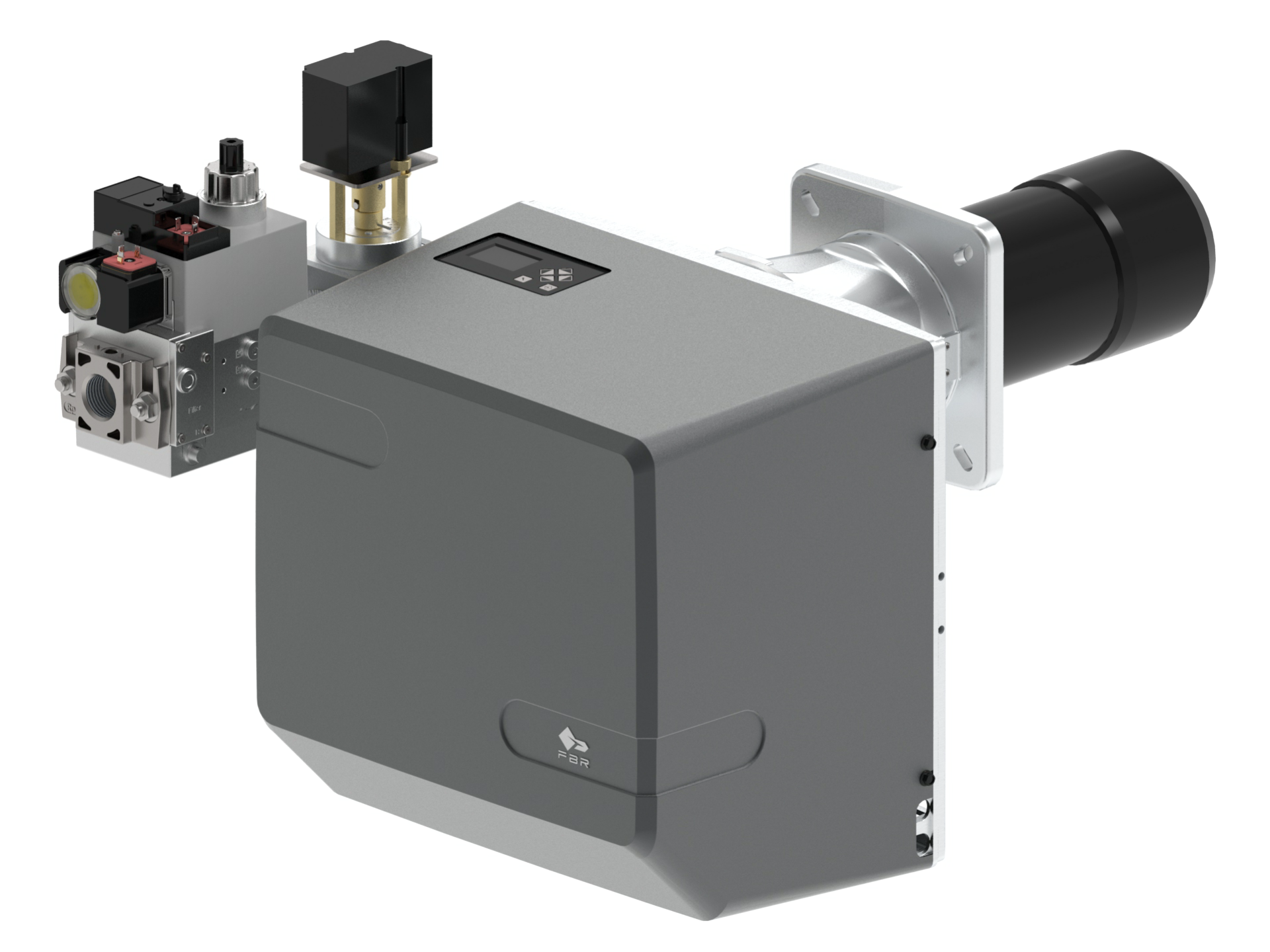
Many HVAC contractors still specify fixed-capacity burners for applications that would benefit significantly from modulating technology. The FBR Gas X5/MF TL EL VC LPG burner represents a fundamental shift in how facilities can manage energy consumption and comfort control.
Modulating burners with PID (proportional-integral-derivative) control automatically adjust flame intensity based on real-time demand. This contrasts sharply with on-off burners that cycle repeatedly to maintain setpoint temperature. Here's how these applications differ:
Modulating Burners (PID-controlled):
- Fuel consumption adjusts smoothly from 30-100% capacity
- Reduces thermal stress on boiler components
- Achieves tighter temperature control (±2-3°C)
- Lower NOx emissions due to optimized combustion
- Higher upfront cost but 15-25% fuel savings over 5 years
- Ideal for: Hotels, hospitals, office buildings, district heating systems
- Binary operation: fully on or completely off
- Temperature swings of 5-10°C common
- Lower initial equipment cost
- Frequent cycling accelerates component wear
- Higher NOx and CO emissions
- Suitable for: Residential, backup systems, seasonal applications
For commercial applications in North America and Europe where energy codes increasingly mandate efficiency, modulating systems like the GAS X5/MCE-EL configuration with optional modulation kit justify their premium through operational cost reduction. The die-cast aluminum body and high-pressure fan design ensure durability across varied installation environments—from coastal facilities facing corrosion challenges to high-altitude locations with thinner air composition.
Combustion Air and Fuel Delivery Precision
Optimal combustion requires precise air-fuel mixing. The flat jet nozzle designs—both the CBM TEC 1/4"M BSPT index 25 angle 15° and CBM TEC 1/4"M BSPT index 055 angle 15°—serve distinctly different applications within your burner systems.
Index 25 Nozzles (TEC02060):
- Higher flow capacity (GPH rating)
- Broader spray angle for larger combustion chambers
- Applications: Commercial boilers 5-15 tons, industrial furnaces
- Better atomization in high-pressure systems (>150 PSI)
- Moderate flow capacity for standard residential/light commercial
- Narrower, more concentrated spray pattern
- Applications: Residential furnaces, small commercial units
- Optimized for 80-120 PSI pressure ranges
Selecting the correct nozzle directly impacts combustion efficiency and emissions. An oversized nozzle in a residential system wastes fuel and creates emissions compliance issues. Undersized nozzles in commercial applications result in incomplete combustion and reduced heat output. 3G Electric's 35-year experience sourcing CBM components ensures you have access to the exact specifications needed for your application.
Thermal Management and System Stability
Expansion Tank Strategy: Battery vs. Traditional Methods
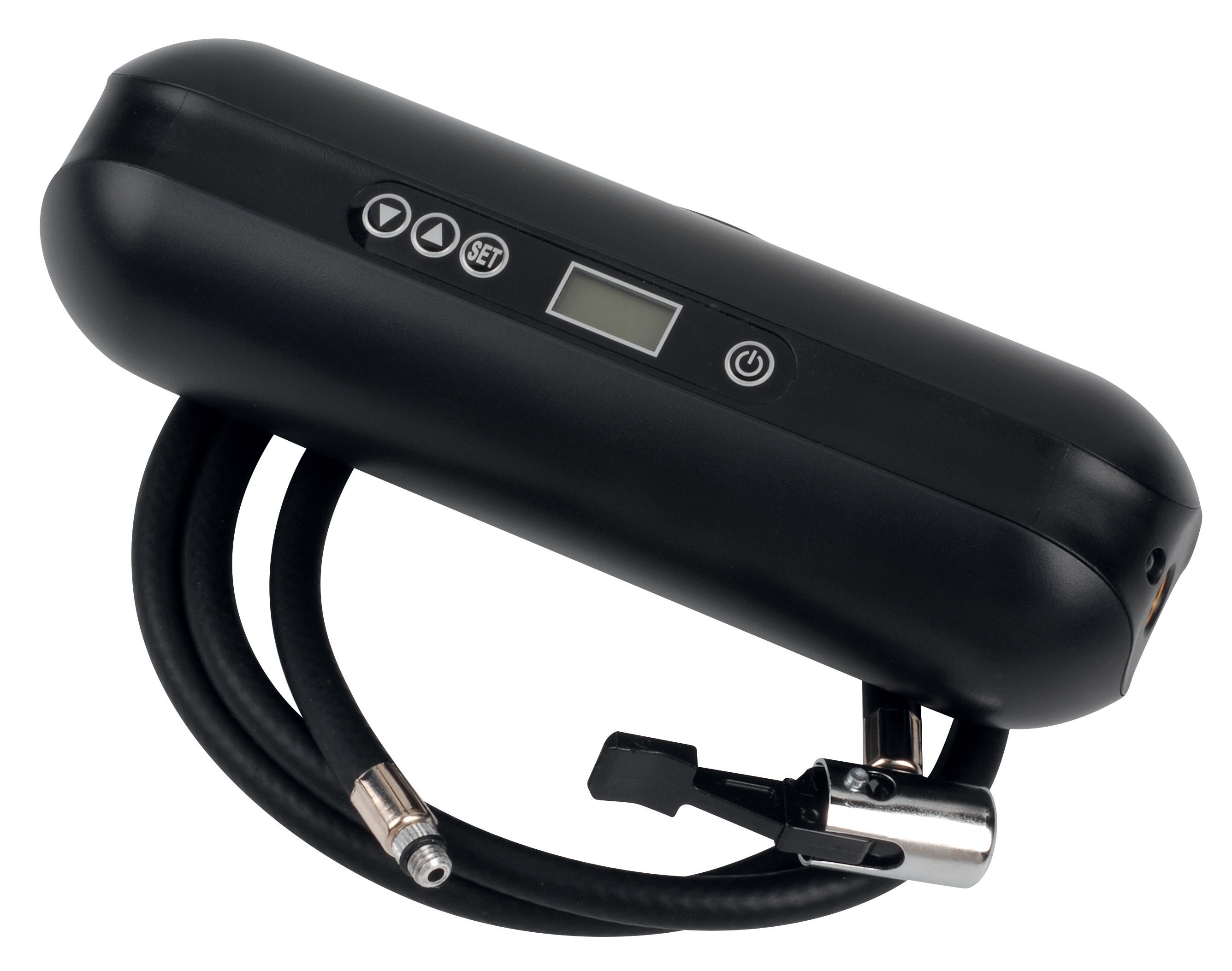
Expansion tanks absorb the volumetric increase when water heats from ambient to operating temperature. The choice between traditional bladder tanks and the innovative CBM MES 2000 mAH battery-powered inflator reflects changing contractor practices globally.
Traditional Bladder Expansion Tanks:
- Pre-charged with nitrogen at factory
- Passive operation (no moving parts)
- Requires manual re-pressurization every 2-3 years
- Risk of bladder rupture in systems >150 psi
- Cost: $200-500 depending on size
- Maintenance: Technician visit required for repressurization
- Active pre-pressurization capability
- 2000 mAH battery provides 15-20 inflation cycles per charge
- Ideal for commissioning new systems and emergency re-pressurization
- Eliminates need for technician truck roll for pressure service
- Cost: $300-400 initial investment, minimal maintenance
- Applications: New installations, retrofit projects, technician service vehicles
Contractors in water-scarce regions (Middle East, parts of India) increasingly specify expansion tank inflation systems to minimize water losses from pressure relief cycling. The MES20002 battery inflator allows field technicians to bring systems back into specification immediately, improving customer satisfaction and reducing service callbacks.
For system stability, consider this comparison: A 15-ton commercial boiler expanding from 60°F to 180°F requires approximately 45 gallons of expansion volume. Traditional sizing often results in tanks sized conservatively (larger than necessary), occupying valuable mechanical room space. Battery-powered inflation allows specification of smaller tanks with assurance that pressure can be maintained reliably.
Fuel Storage Monitoring and Safety Integration
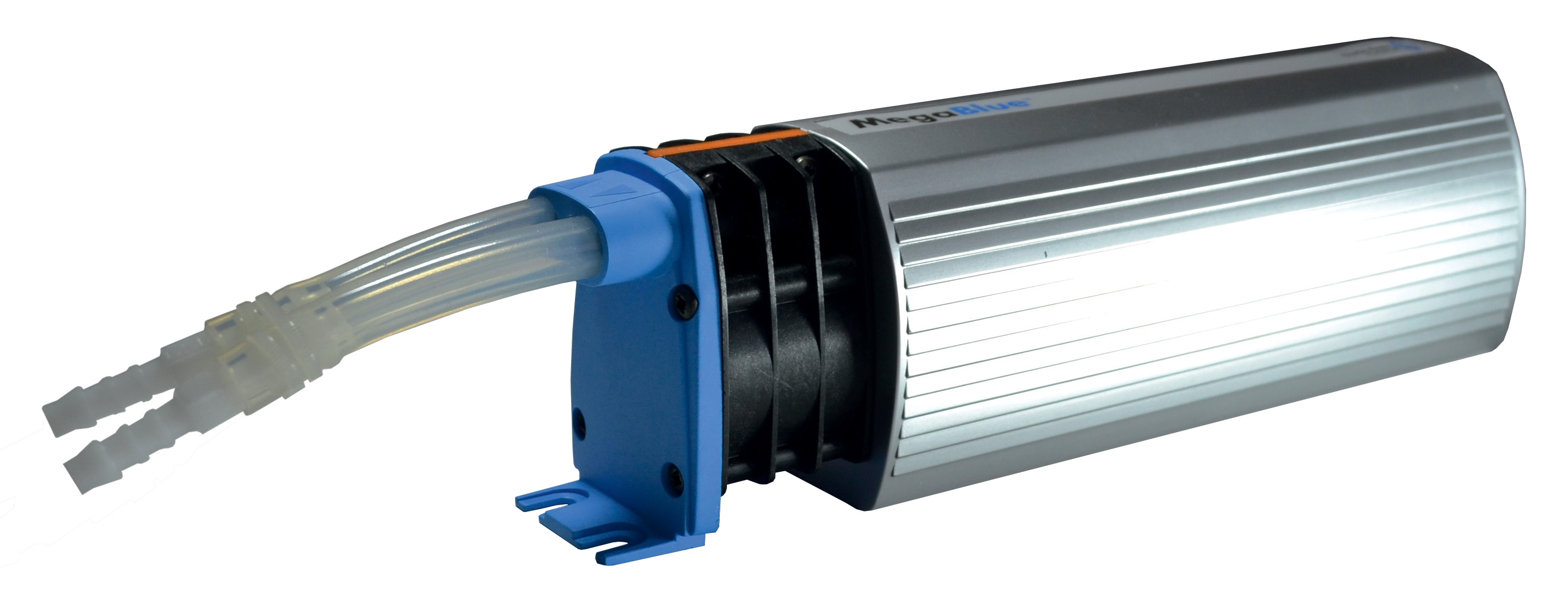
The CBM CLI Megablue reservoir alarm with automatic shut-off (X87-813) addresses a critical gap in many HVAC installations: fuel tank management. This is particularly relevant for contractors supporting installations with LPG systems like the FBR Gas X5/MF burner.
Traditional Fuel Tank Management:
- Manual visual inspection or basic low-level float switch
- Risk of system shutdown during occupied hours
- No integration with building management systems
- Service interruptions in hospitals, data centers costly and dangerous
- Audible/visual alarm at pre-set low-level threshold
- Automatic burner shut-off at critical low fuel level
- Prevents air entry into fuel lines (major cause of flame-out)
- Network integration capability for remote monitoring
- Reduces emergency service calls by 40-60%
- Cost: $400-600 installed
For facilities in remote locations—islands in the Caribbean, mining operations in Africa, Arctic installations in Canada—fuel tank monitoring prevents catastrophic system failures that might take weeks to remedy. The automatic shut-off prevents damage to burner nozzles and fuel pumps when tanks run empty.
Global Application Scenarios: Practical Implementation Examples
Southeast Asian Commercial Office Buildings
High-humidity environments in Singapore, Bangkok, and Jakarta demand systems that handle condensation and corrosion. Modulating burners with die-cast aluminum bodies (like the GAS X5/MCE-EL) resist humidity better than traditional iron castings. The PID modulation prevents over-expansion of water systems common in humid climates where nighttime outdoor temperatures drop significantly, creating cycling stress.
Recommended specification:
- FBR Gas X5/MF burner with modulation kit
- Megablue fuel monitoring for LPG backup systems
- Battery inflator for commissioning support
- Index 25 nozzles for reliable atomization in humid conditions
European Industrial Facilities with District Heating
Europe's push toward renewable integration and efficiency mandates (EU Building Performance Directive) requires burner systems capable of modulating down to 30% capacity. District heating operators increasingly need to match peak and off-peak loads dynamically.
Recommended specification:
- Modulating burner with optional PID control kit
- Battery-powered inflation for rapid system commissioning
- Fuel tank monitoring with BMS integration
North American Cold Climate Applications
Cold starts in Canadian and northern U.S. installations stress combustion systems due to fuel viscosity and air density changes. Standard nozzles often over-atomize in cold conditions. The index-based sizing of CBM nozzles allows precise matching to these conditions.
Recommended specification:
- Conservative nozzle sizing (index 055 even for larger systems)
- Modulating burner to prevent over-heating cycles
- Expansion tank with battery inflator for rapid commissioning in winter (minimize technician exposure to cold)
Maintenance and Lifecycle Considerations
With 35+ years supporting contractors globally, 3G Electric has observed clear patterns in system failure causes and maintenance efficiency:
Components Most Often Over-specified:
- Expansion tanks sized 50% larger than necessary
- Fixed burners installed in variable-load applications
- High-capacity nozzles in residential systems
- Nozzle cleaning intervals stretched beyond 12 months
- Fuel tank monitoring systems bypassed due to nuisance alarms
- Expansion tank pre-charge verification neglected
Correct initial specification and realistic maintenance planning reduce lifecycle costs by 20-30%. A properly-sized nozzle (index 055) maintained on an annual cleaning schedule will outlast a larger, neglected nozzle by 5+ years.
Conclusion
Industry applications for HVAC contractors require matching system components to specific operational demands, climate conditions, and maintenance capabilities. The choice between modulating and standard burners, the selection of nozzle specifications, and decisions about expansion tank management directly impact system reliability, operating cost, and customer satisfaction.
Whether you're specifying equipment for a first-time project or optimizing existing installations, understanding these application-specific considerations helps you make recommendations that balance initial cost, operational efficiency, and long-term reliability. 3G Electric's 35-year experience sourcing industrial equipment globally ensures you have access to quality components matched to your specific application needs.
For guidance on selecting the right components for your specific project conditions, contact 3G Electric's technical team. We combine equipment expertise with real-world application knowledge to support your success.