Multifunctional Gas Control Blocks: Troubleshooting & Selection Guide for Singapore Industrial Operations
Multifunctional gas control blocks represent a critical integration point in modern burner systems, combining pressure regulation, flame supervision, and temperature control into a single compact unit. For maintenance teams and service engineers across Singapore's industrial sector, understanding how these integrated systems function—and how to diagnose failures when they occur—is essential to minimizing downtime and ensuring operational safety. Unlike discrete control components, multifunctional blocks require a systems-level diagnostic approach because a failure in one integrated function often cascades through related safety systems. This guide provides practical troubleshooting methodology, technical specifications, and real-world selection criteria specific to Singapore's tropical industrial environment.
Understanding Multifunctional Gas Control Block Architecture
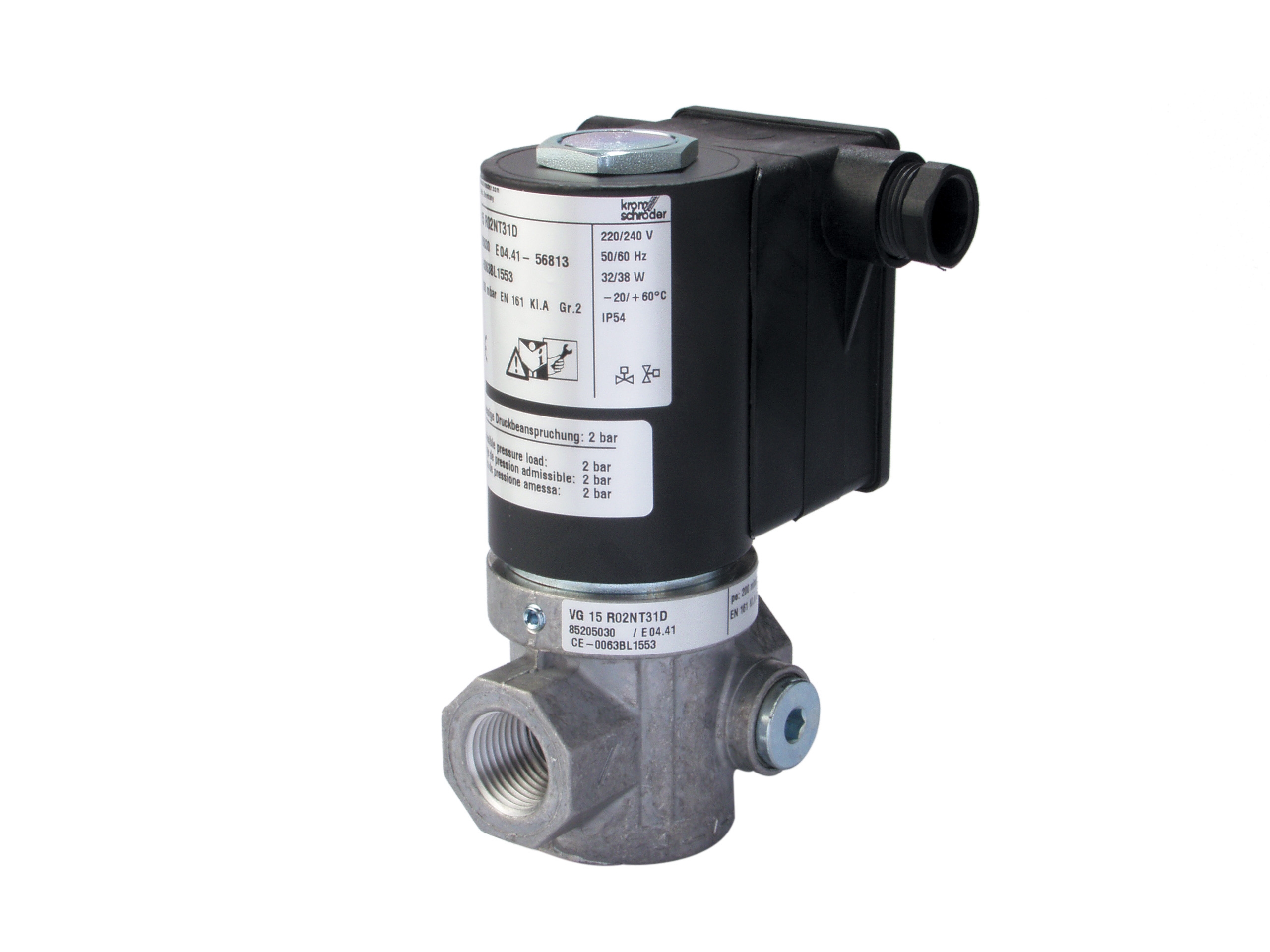
A multifunctional gas control block integrates three primary subsystems into a single sealed unit: pressure regulation, thermoelectric flame supervision, and temperature management. The pressure regulation subsystem maintains consistent gas delivery across varying inlet pressures, typically within a tolerance of ±5% of rated output. The thermoelectric flame supervision system—powered by a thermocouple flame sensor—continuously monitors pilot flame presence and interrupts gas supply within 4-6 seconds if flame is lost, providing non-volatile safety lockout. The temperature control subsystem allows operator adjustment of outlet gas temperature, typically through a manual dial or proportional control mechanism.
The integration of these three functions into a single block creates efficiency advantages: reduced component count, simplified installation, and faster commissioning. However, it also creates diagnostic complexity. When a multifunctional block fails, the fault may originate in any of the three subsystems, yet the external symptoms—no gas flow, erratic burner operation, or unresponsive temperature control—may appear identical to failures in other control stages. This is why systematic diagnostic procedure, rather than intuitive troubleshooting, is essential.
In Singapore's tropical climate, multifunctional blocks face specific challenges: high ambient humidity (80-90% year-round) creates corrosion risk on electrical contacts and sensor interfaces; salt-air environments near industrial zones accelerate oxidation of internal relay contacts; and temperature cycling from air-conditioned spaces to outdoor equipment areas can cause condensation within unsealed connector blocks. Understanding these environmental factors is critical when diagnosing intermittent failures that may appear random but actually correlate with humidity cycles or temperature fluctuations.
Diagnostic Procedures for Common Multifunctional Block Faults
The most reliable diagnostic approach divides multifunctional block troubleshooting into three parallel diagnostic paths, one for each integrated subsystem. Begin with a visual inspection: check for corrosion on electrical terminals, moisture condensation inside the block's transparent window (if equipped), cracks in the ceramic insulation surrounding the thermocouple probe, and discoloration of internal metal components indicating overheating or electrical arcing.
For pressure regulation diagnosis, measure the outlet gas pressure under full load conditions using a calibrated manometer connected to the pressure test point. The CBM Minisit gas block typically maintains 2-4 mbar outlet pressure at the burner inlet, with acceptable variance of ±0.2 mbar under stable conditions. If outlet pressure fluctuates more than ±0.5 mbar during a 30-second observation period, the diaphragm seal within the pressure regulator subsystem has likely failed, requiring block replacement. Do not attempt field repair of the pressure regulator—these are sealed units, and internal corrosion or diaphragm rupture cannot be diagnosed non-destructively.
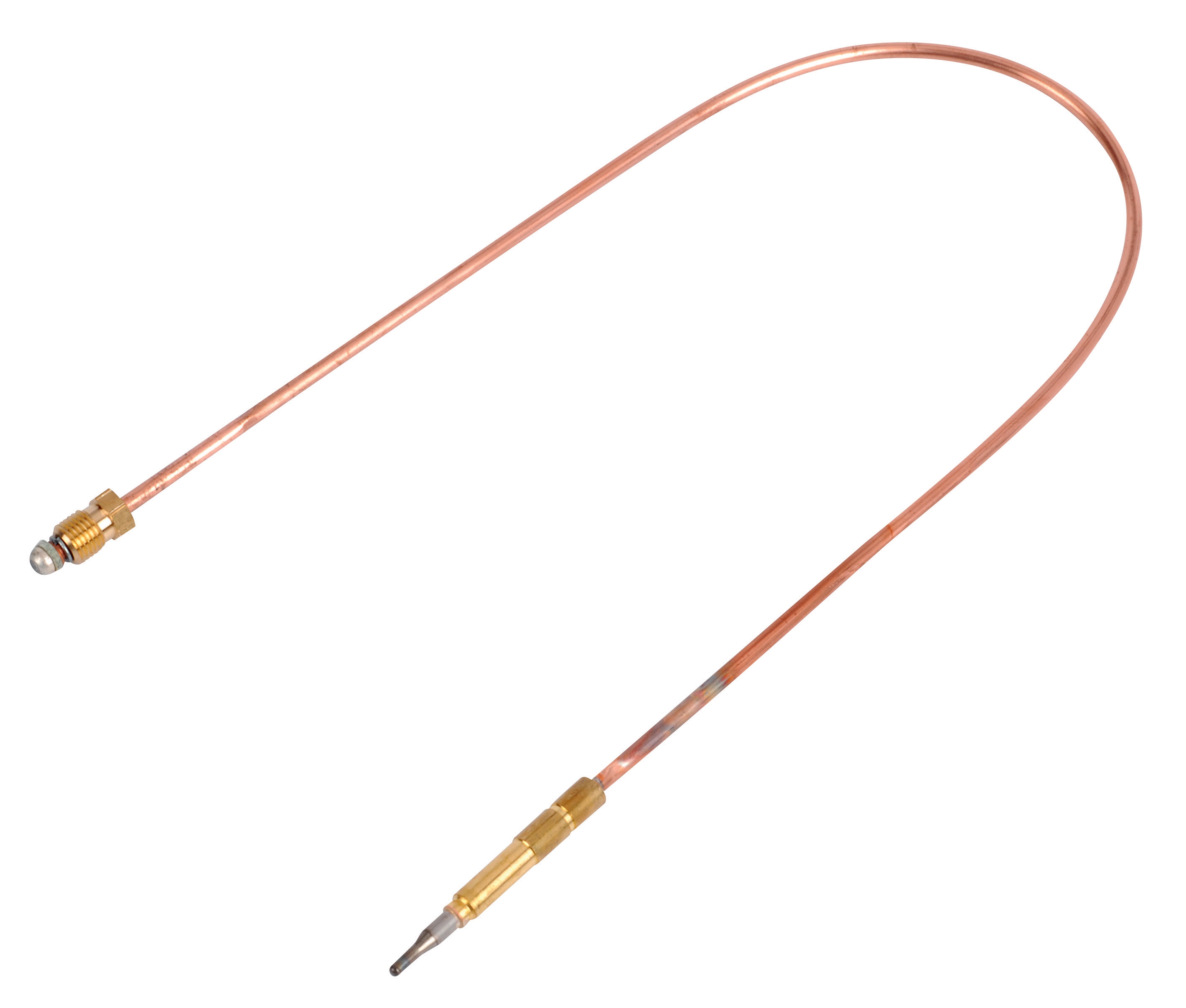
For thermoelectric flame supervision diagnosis, the critical measurement is thermocouple millivoltage under pilot flame conditions. A properly functioning thermocouple generates 18-25 millivolts when heated by the pilot flame. Use a calibrated millivolt meter—not a standard multimeter, which has insufficient sensitivity. If thermocouple voltage reads below 15 mV under flame, the thermocouple element itself has failed and must be replaced. However, if thermocouple voltage is normal (18-25 mV) but the control block still trips to lockout, the internal flame supervision circuit has failed, requiring block replacement.
For temperature control diagnosis, adjust the temperature dial through its full range while observing burner flame color and intensity. If flame response is sluggish or nonlinear (e.g., temperature setting increases 20% but flame intensity only increases 5%), the temperature control proportional mechanism has likely degraded. This is often caused by internal corrosion of the proportional valve stem. Clean-in-place protocols cannot reach internal mechanisms, so block replacement is typically required. Test the temperature control function under load: set the burner to 50% capacity and allow it to stabilize for 10 minutes, then increase to 75% and observe response time. Response should occur within 10-15 seconds; delayed response indicates mechanical friction or valve stiction.
Integrating Flame Detection with Multifunctional Control Blocks
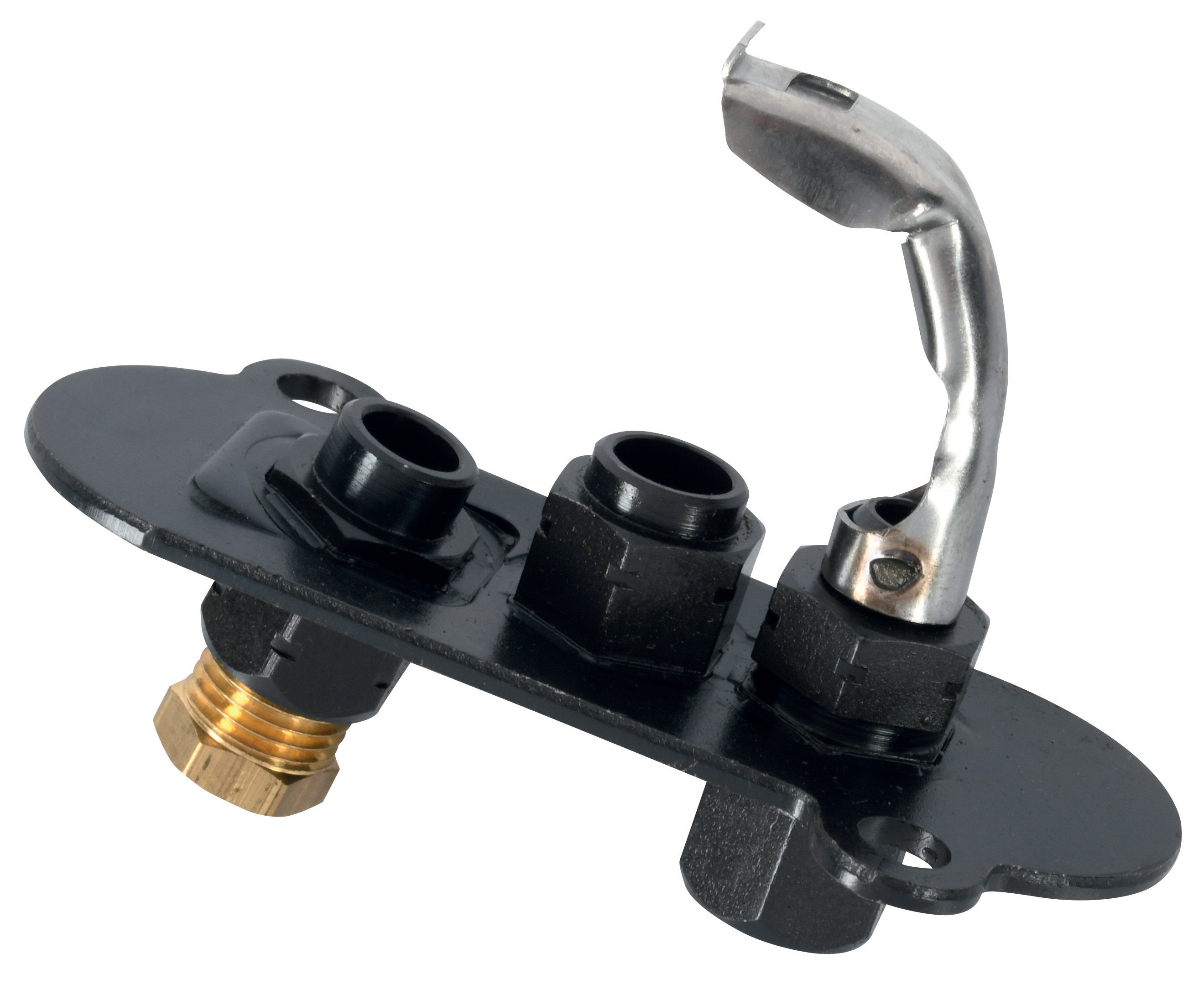
While multifunctional blocks include internal thermoelectric flame supervision via thermocouple, many industrial installations in Singapore augment this with external flame detection cells for enhanced safety and reliability. The CBM IRD 1010 blue cell provides infrared flame detection independent of the thermocouple system, creating redundant safety architecture. This dual-detection approach is particularly valuable in installations where burner flame can be partially obscured, where multiple pilot flames exist in adjacent burners, or where high ambient infrared radiation (from nearby industrial heat sources) could create false flame signals.
When integrating external flame detection cells with a multifunctional block, the external cell connects to a separate safety relay module rather than directly to the block. The CBM LAL 2.14 relay is specifically designed for this application, accepting both thermocouple input from the multifunctional block and external photocell input, then providing AND-logic safety interlock: gas is permitted only if both the thermocouple reports flame AND the external cell reports flame. This redundancy prevents nuisance shutdowns from single-point failures while maintaining safety-critical lockout behavior.
Troubleshooting the integrated flame detection system requires testing each detection pathway independently. First, verify the thermocouple within the multifunctional block operates as described above. Second, verify the external photocell by observing its response to manual flame blocking: when you slowly move an opaque object between the cell and burner flame, the cell should interrupt its electrical signal within 2-3 seconds. Third, verify the relay module by testing its output contacts under simulated flame-loss conditions—this requires a controlled test setup and should only be performed by certified technicians. Finally, conduct a full system test: extinguish the pilot flame and verify that both the thermocouple circuit and external photocell circuit trigger lockout independently.
Real-World Singapore Industrial Examples
A large-scale food processing facility in Singapore's Jurong industrial zone operates eight stainless-steel boilers, each equipped with a multifunctional gas control block feeding a main burner and pilot flame system. During the monsoon season (November-March), the facility experienced erratic temperature control where burner flame intensity would fluctuate by 30-40% despite stable temperature setpoint settings. Initial diagnosis suspected faulty temperature sensors, but systematic testing revealed the root cause: salt-air corrosion had accumulated on the temperature control proportional valve stem, creating intermittent mechanical friction. The proportional mechanism would stick periodically, especially when ambient humidity exceeded 85%. Replacement of the control block with a fresh unit, combined with installation of a dehumidifying desiccant breather on the gas supply line, resolved the issue. The facility now replaces multifunctional blocks every 36 months in salt-air environments rather than the standard 60-month cycle.
A petrochemical facility near Singapore's port observed sporadic lockouts of a critical high-temperature burner used for hydrocarbon distillation. The thermocouple tested normal (22 mV under flame), yet the multifunctional block would enter lockout state 2-3 times daily, requiring manual reset. The problem was traced to a failing internal relay contact within the flame supervision subsystem, which had accumulated microscopic oxidation. Under normal flame conditions, the relay contact worked reliably, but under transient conditions (flame perturbations from air pressure changes), the contact resistance increased to 50+ ohms, causing the safety circuit to interpret this as flame loss. Replacement of the multifunctional block permanently resolved the issue. This case illustrates why functional testing (applying the thermocouple signal and observing relay response) is superior to visual inspection alone.
Selection Criteria and Best Practices for Singapore Operations
When selecting a replacement multifunctional gas control block for Singapore industrial applications, prioritize models designed for high-humidity environments. The CBM Minisit 710 multifunctional block features sealed connector blocks and stainless-steel internal components specifically engineered for tropical climates, with test data showing less than 2% failure rate over 60 months in 85%+ humidity environments.
Verify that the selected block matches the burner's pressure regulation requirements: most industrial burners require 2-4 mbar outlet pressure, but some high-turndown applications require 1-2 mbar. Mismatched pressure regulation leads to either insufficient gas supply (burner won't reach full capacity) or excessive supply (unstable flame control). Consult your burner manufacturer's specification sheet before ordering replacement blocks.
Evaluate thermocouple compatibility separately. The multifunctional block accepts a thermocouple measuring approximately 100 mm in length with M9 thread connection. If your installation uses a non-standard thermocouple length or connection type, you may need to source a replacement thermocouple along with the block. Always use OEM-recommended thermocouple models; substituting generic thermocouples is a common cause of inadequate signal generation.
For installations with external flame detection requirements, plan for integration of a dedicated relay module rather than relying on the internal thermocouple circuit alone. This adds cost (approximately 20-30% higher system cost) but dramatically improves reliability in challenging installations with partial flame obscuration, multiple burners, or high ambient radiation.
Establish a preventive replacement schedule: in standard tropical environments (80-85% humidity), replace multifunctional blocks every 48 months. In salt-air or corrosive chemical environments, reduce this interval to 36 months. In indoor, climate-controlled environments, standard 60-month intervals are appropriate. Document the replacement date and operating conditions on a label affixed to the control block—this historical data proves invaluable when diagnosing repeat failures or determining if failures correlate with environmental factors.
Closing Remarks and Next Steps
Multifunctional gas control blocks consolidate critical safety functions into a single integrated unit, providing efficiency and simplicity benefits for Singapore's industrial burner applications. However, this integration creates diagnostic and selection complexities that require systematic, function-by-function testing rather than intuitive troubleshooting. By applying the diagnostic procedures outlined in this guide—measuring thermocouple voltage, testing pressure regulation under load, verifying proportional temperature control response, and documenting environmental conditions—maintenance teams can quickly isolate faults and select appropriate replacement components.
Your specific installation may have unique requirements based on burner type, gas composition, or environmental conditions. 3G Electric's experienced technical team has supported Singapore's industrial sector since 1990 and can provide application-specific guidance on multifunctional block selection, integration with external flame detection systems, and preventive maintenance protocols suited to your facility's climate and operational demands. Contact our Singapore office today to discuss your control system requirements or to arrange on-site diagnostic support for troublesome burner installations.