Multifunctional Gas Control Blocks: Safety Architecture and Selection for Industrial Burner Systems
Industrial burner operations depend on integrated safety systems that manage multiple critical functions simultaneously. Multifunctional gas control blocks represent a consolidated approach to burner safety, combining pressure regulation, thermoelectric flame supervision, and temperature control into a single device. This technical explainer examines how these systems function, their role in industrial burner safety architecture, and the selection criteria plant managers and operations directors should apply when specifying these critical components. Understanding the technical architecture of multifunctional gas control blocks is essential for optimizing burner performance, maintaining regulatory compliance, and preventing costly safety failures across diverse industrial applications globally.
Core Architecture of Multifunctional Gas Control Blocks
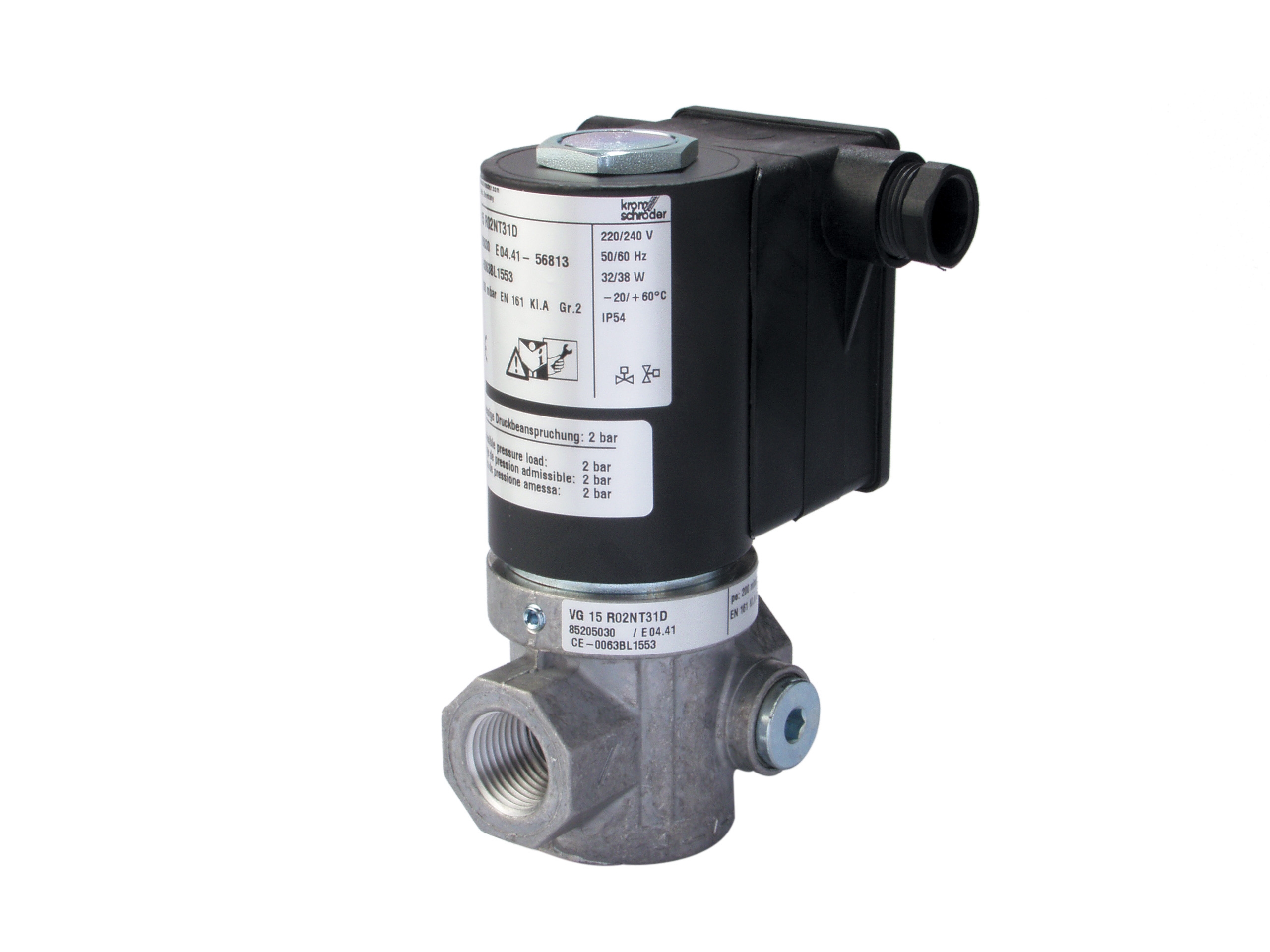
A multifunctional gas control block consolidates several independent safety and control functions into a single integrated device, eliminating the need for separate components and reducing system complexity. The primary functions include pressure regulation, thermoelectric flame supervision, and temperature-based control logic. This integration reduces installation labor, minimizes potential failure points, and provides coordinated response to abnormal operating conditions.
The pressure regulator component maintains consistent gas pressure downstream of the control block, independent of upstream supply fluctuations. This function is critical because burner flame stability and combustion efficiency depend on stable gas delivery. The regulator uses a diaphragm-actuated design that opens and closes in response to downstream pressure, maintaining a setpoint pressure typically between 2 and 20 mbar, depending on the specific burner design.
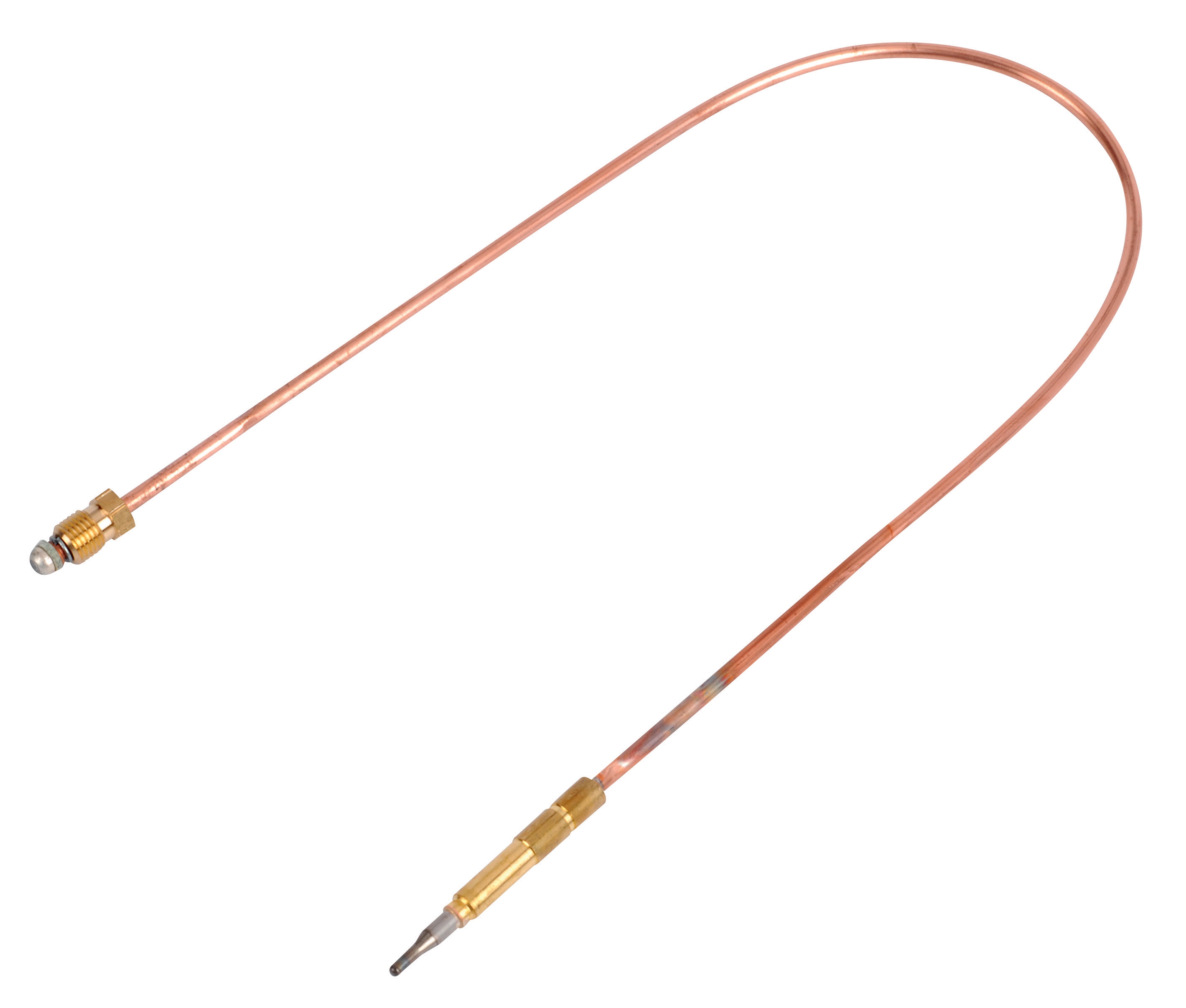
Thermoelectric flame supervision represents the second essential function. A thermocouple is positioned in the pilot flame, generating a small electromotive force (EMF) proportional to flame temperature. This signal is monitored continuously by the control block logic. If the pilot flame extinguishes—whether due to wind, fuel interruption, or combustion instability—the EMF drops below a critical threshold, triggering a lockout condition that prevents uncontrolled gas delivery. This is a passive safety mechanism that requires no external power for basic operation.
Temperature control represents the third functional layer. Multifunctional blocks designed for applications such as stoves, boilers, and room heaters incorporate temperature-sensing elements that modulate gas supply in response to demand. This function allows the system to maintain setpoint temperatures automatically, improving energy efficiency and user comfort while reducing manual intervention requirements.
Technical Integration and Component Specifications
The CBM Minisit gas block 0710750 exemplifies modern multifunctional gas control architecture, designed specifically for stoves, boilers, catering equipment, and room heaters. This device integrates a pressure regulator, thermoelectric flame supervision device, and temperature control into a single body, conforming to EN 126 standards for multifunctional devices in gas-burning appliances.
The thermoelectric flame supervision subsystem in multifunctional blocks typically operates with thermocouple sensors such as the CBM Thermocouple Sit INT.600, which generates approximately 10–15 millivolts when positioned correctly in the pilot flame. The control block's electronics monitor this signal continuously; when flame is present and stable, the safety circuit remains armed. When the signal drops below approximately 4–6 millivolts (indicating flame loss), the control block de-energizes solenoid valves and prevents gas flow within 3–5 seconds, a response time that meets or exceeds international safety standards.
Pressure regulation within multifunctional blocks typically uses a spring-loaded diaphragm mechanism calibrated to the specific application. For atmospheric burners, typical outlet pressures range from 2.75 to 5 mbar. For fan-assisted and forced-draught applications, pressures may reach 10–20 mbar. The control block's regulator automatically compensates for supply pressure variations, maintaining downstream consistency regardless of upstream fluctuations up to 50% above nominal supply pressure.
Temperature control functionality uses a bimetallic thermostat or electronic temperature sensor to modulate gas supply proportionally. As the appliance heats and reaches setpoint temperature, the control block reduces gas flow to the pilot burner, maintaining temperature through a modulation cycle. This reduces energy consumption by 15–25% compared to full-flow operation, making multifunctional blocks particularly valuable in efficiency-critical applications.
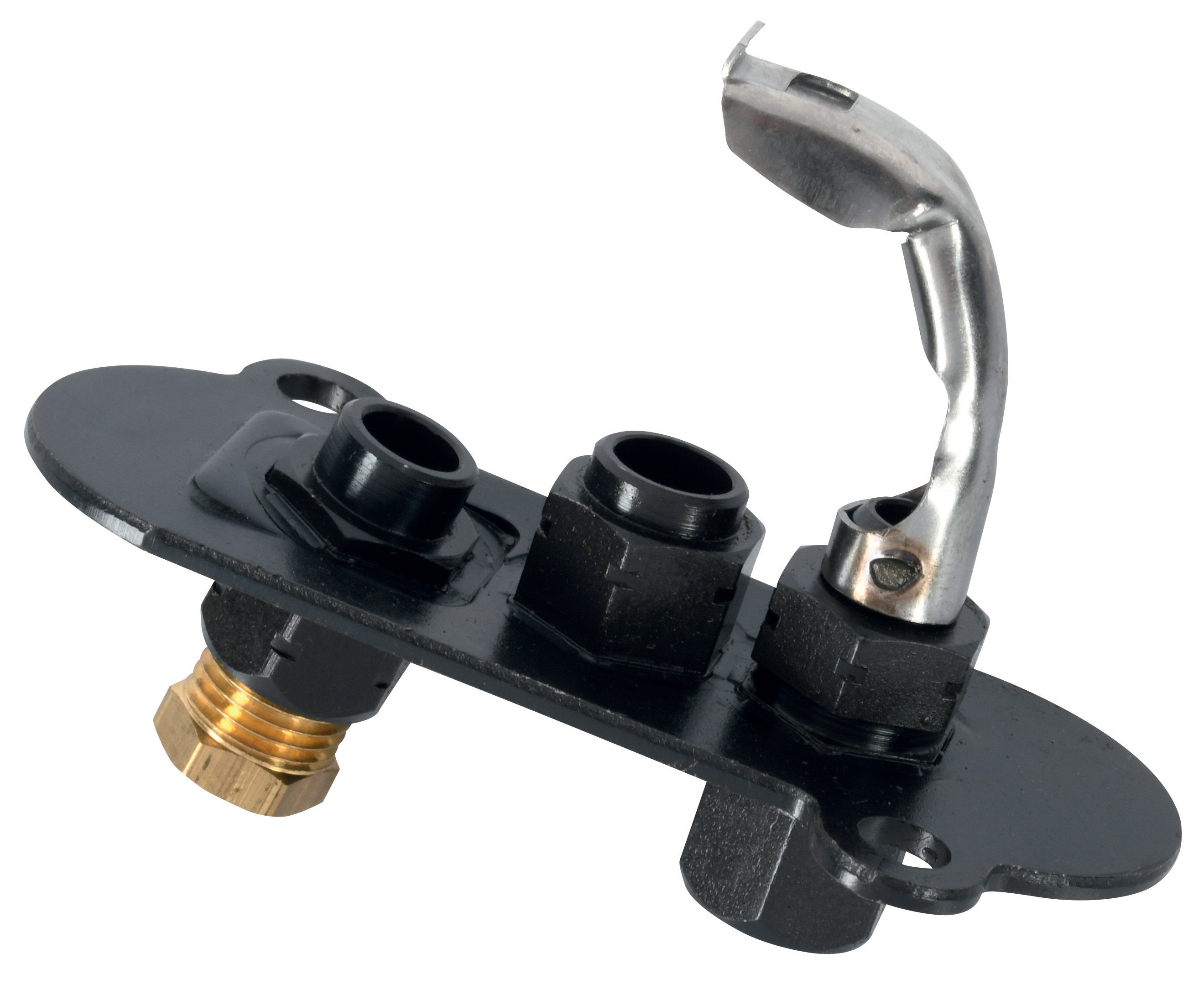
Installation of these devices requires integration with pilot light systems such as the CBM Universal pilot light 2 flames 3 positions, which provides the flame source monitored by the thermocouple. The pilot light assembly must position the thermocouple directly in the blue flame region to ensure reliable signal generation and sensitive flame loss detection.
Real-World Application Examples and Performance Context
In European and global industrial contexts, multifunctional gas control blocks are deployed across diverse applications. Catering equipment represents a high-volume installation sector, where precise temperature control and rapid flame loss response prevent food safety hazards and equipment damage. A commercial kitchen may operate 8–12 burner stations simultaneously, each equipped with a multifunctional control block. When a pilot flame extinguishes due to steam exposure or physical disturbance, the control block locks out within 3–5 seconds, preventing uncontrolled gas accumulation in the appliance cavity.
Boiler applications represent another critical sector. Industrial steam boilers and hot water heating systems depend on reliable pilot flame supervision and automatic pilot reignition cycles. Multifunctional blocks enable these systems to operate continuously through multiple ignition cycles without operator intervention. When thermal demand decreases, the temperature control subsystem reduces gas flow to the pilot burner, maintaining a stable minimum flame while conserving fuel.
Room heater and stove applications benefit from multifunctional blocks' temperature modulation capability. A residential heating appliance equipped with a multifunctional block maintains room temperature within ±1°C of setpoint by modulating pilot flame intensity and main burner activation. This improves occupant comfort, reduces energy consumption, and extends component lifespan by eliminating thermal cycling stress.
Selection Criteria and Implementation Best Practices
When selecting a multifunctional gas control block, plant managers should evaluate four critical parameters: fuel type compatibility, pressure rating, temperature control range, and regulatory certification. Multifunctional blocks are designed for specific fuel types—natural gas, propane, or butane—and cross-fuel operation may compromise performance and safety.
Pressure rating must match the specific burner design. Undersizing pressure capacity limits maximum fire intensity; oversizing increases cost and may create overpressure safety risks. Confirm that the selected block's maximum pressure rating exceeds your burner's design pressure by at least 20% as a safety margin.
Temperature control range should encompass the full operating window for your application. Verify that the control block's setpoint adjustment range covers both minimum standby temperature and maximum operating temperature required by your process.
Regulatory certification represents a non-negotiable selection criterion. Confirm that the multifunctional block carries appropriate certification for your geographic region—CE marking in Europe, CSA/UL certification in North America, or equivalent standards in other jurisdictions. This certification validates that the device has undergone rigorous safety testing and meets internationally recognized performance standards.
Installation best practice requires professional commissioning by qualified technicians familiar with gas appliance safety codes. Thermocouple positioning must be verified to ensure the sensing element sits in the blue pilot flame region, typically 3–5 mm into the flame. Pressure settings should be confirmed using a low-pressure gauge; do not rely on the manufacturer's default setting without field verification. After installation, perform a flame loss test by manually extinguishing the pilot flame and confirming that the control block lockout responds within the specified time window, typically 3–5 seconds.
Conclusion and Next Steps
Multifunctional gas control blocks represent a mature, reliable technology for integrated burner safety and temperature control across industrial applications worldwide. By consolidating pressure regulation, flame supervision, and temperature modulation into a single device, these systems reduce installation complexity, improve safety response reliability, and enhance operational efficiency. Understanding the technical architecture—thermoelectric flame supervision, diaphragm pressure regulation, and temperature-based modulation—enables plant managers to make informed specification decisions and troubleshoot performance issues effectively.
If your operation requires multifunctional gas control blocks or related burner control systems, 3G Electric offers comprehensive product selection, technical documentation, and expert support. Contact our team to discuss your specific application requirements and receive personalized recommendations based on your burner design, fuel type, and regulatory environment. Whether you're optimizing existing burner systems or specifying new installations, our technical specialists can provide the guidance needed to ensure safe, efficient, and compliant gas appliance operation.