Multifunctional Gas Control Blocks vs. Traditional Burner Controls: Technical Comparison for Global Industrial Operations
Procurement and purchase engineers specifying controls & safety systems for industrial burners face a critical architectural decision: deploy integrated multifunctional gas control blocks or assemble traditional modular burner control systems. This distinction fundamentally affects system complexity, installation labor, spare parts inventory, and operational reliability across boilers, fired heaters, catering equipment, and room heating applications. Both approaches are valid—but they serve different operational contexts, facility scales, and maintenance strategies. This guide compares these two control philosophies, examines real-world trade-offs, and provides structured selection criteria for global industrial operations.
Understanding the Architectural Divide: Integrated vs. Modular Control Systems
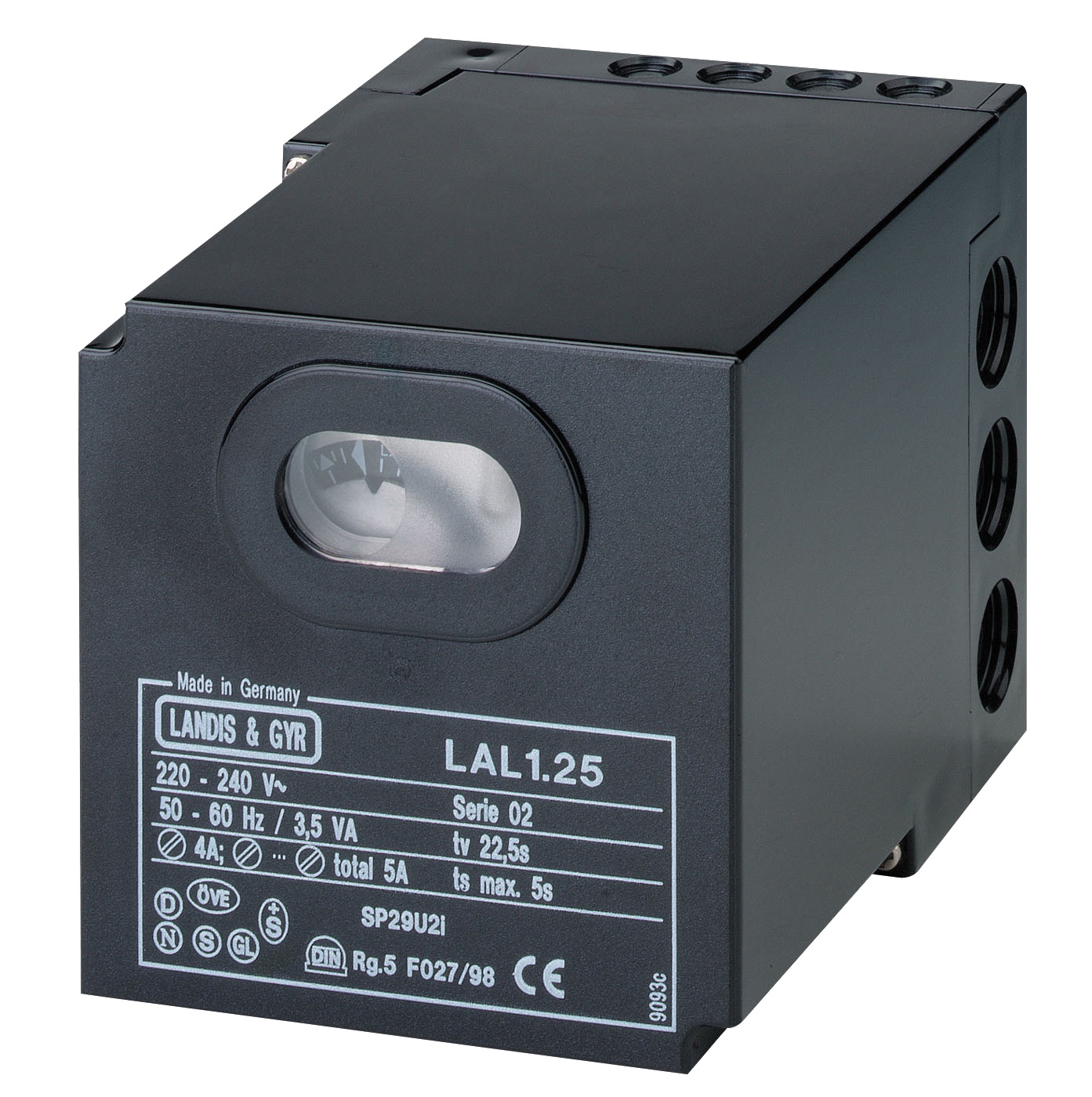
Traditional burner control systems employ a modular architecture where individual components—flame detection sensors, ignition controls, pressure regulators, temperature controls, and safety relays—are specified separately and integrated into a control cabinet or mounting base. This approach offers maximum flexibility: you select each component based on precise operational requirements, mix brands when necessary, and replace individual elements without affecting the broader system. A typical modular system might include a CBM Relay LAL 2.14 safety relay for oil burners, a standalone pressure regulator, thermocouple-based flame supervision, and separate air proving switches.
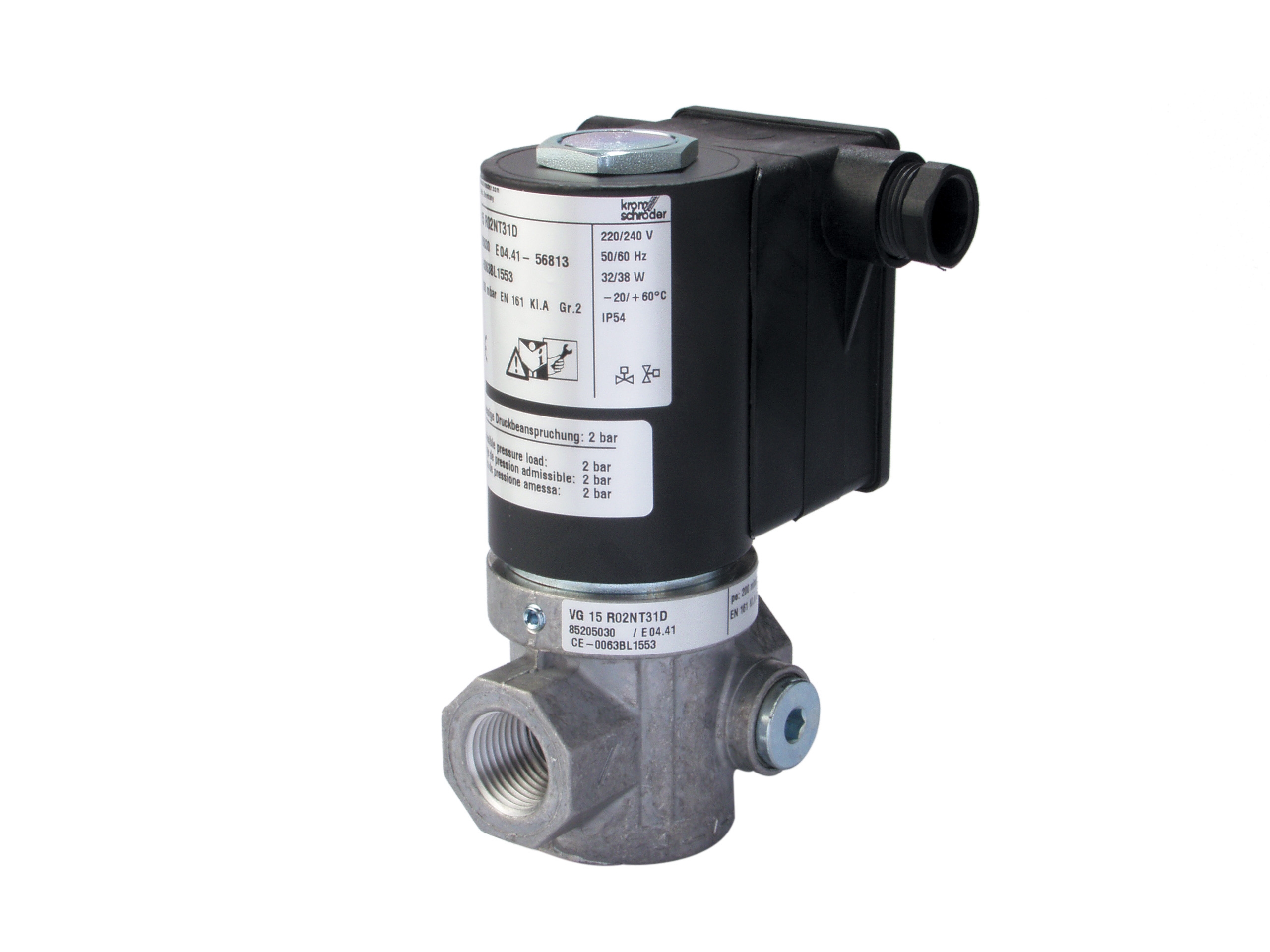
Multifunctional gas control blocks represent a different philosophy: consolidating multiple control functions—pressure regulation, thermoelectric flame supervision, temperature control, and safety lockout—into a single compact device. The CBM Minisit gas block exemplifies this approach, integrating a pressure regulator, thermoelectric flame supervision device, temperature control mechanism, and multifunctional safety logic into one sealed unit. This integrated model reduces component count, simplifies wiring schematics, minimizes installation footprint, and centralizes diagnostics—but sacrifices component-level flexibility.
Neither approach is universally superior; they exist at opposite ends of a design spectrum. Modular systems prioritize customization and component replacement; integrated blocks prioritize simplicity and installation speed. Global industrial operations must evaluate which trade-offs align with their maintenance capabilities, equipment standardization strategy, and operational constraints.
Technical Specifications: Function Integration and Safety Performance
The Minisit multifunctional gas control block consolidates functionality specified in EN 126 standards for multifunctional devices in gas burning appliances. Key integrated features include:
- Pressure Regulation: Built-in regulator maintains burner inlet pressure within specification, eliminating the need for external gas pressure regulators in many applications.
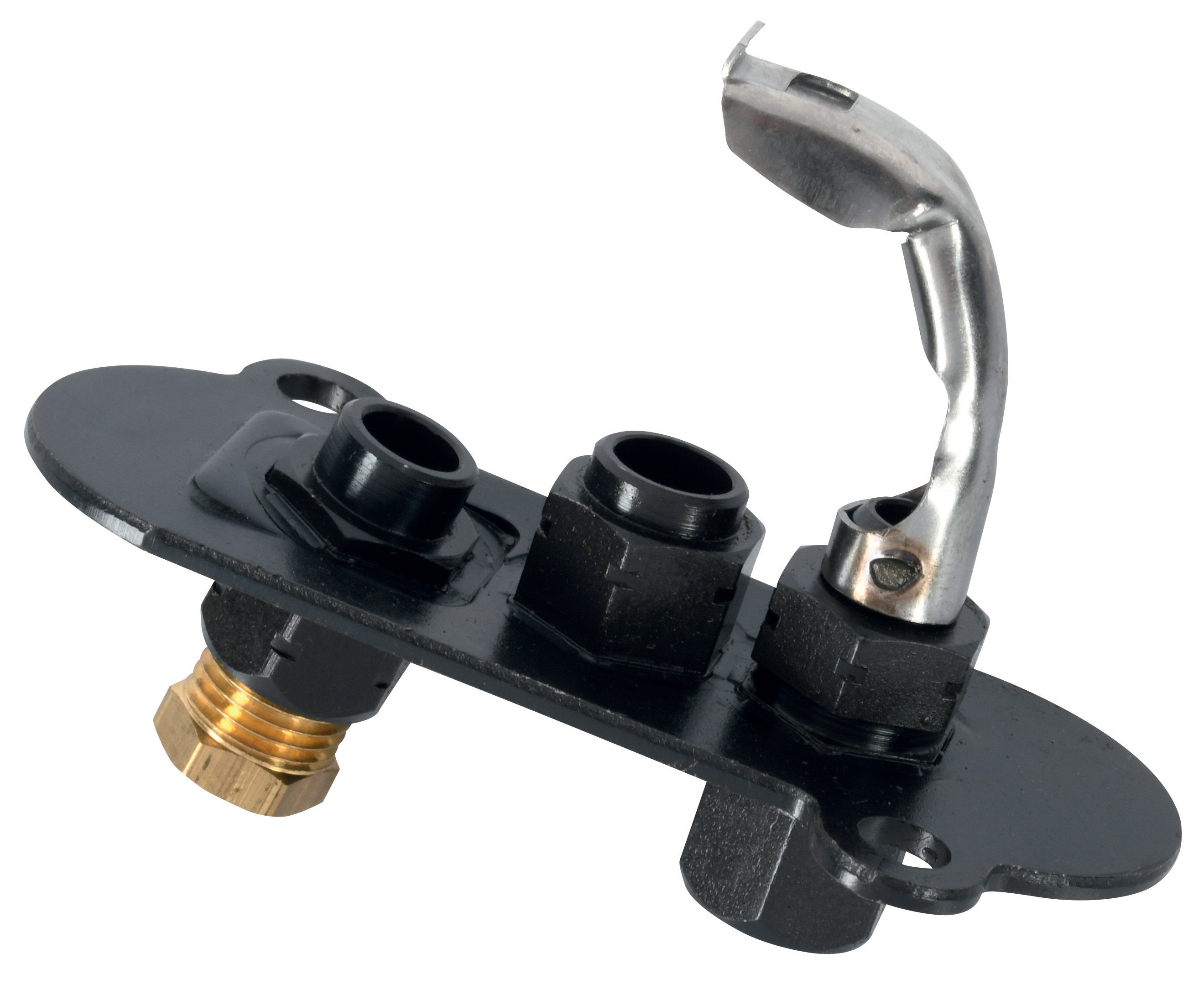
- Thermoelectric Flame Supervision: Integrated supervision responds to thermocouple signals, detecting flame presence or absence and triggering safety lockout on flame loss.
- Temperature Control: Onboard temperature control mechanism modulates burner operation based on system setpoint, reducing need for external thermostats in simpler applications.
- Non-Volatile Lockout: Safety function prevents burner restart after fault condition until manual reset is performed.
By contrast, modular systems like the CBM Relay SM 592.2 or CBM Relay CM391.2 in the Eurobox series provide individual control modules designed for gas burners in atmospheric or fan-assisted configurations. These relays handle automatic gas burner control with non-volatile lockout but require external components:
- Separate pressure regulators (often dual-stage for tighter control)
- Standalone flame detection sensors like the IRD 1010 infrared flame detector
- External thermostats or temperature probes
- Mounting bases and relay sockets for integration
The modular approach allows specification of high-precision flame detection (infrared sensors vs. thermocouple-based supervision), dual-stage pressure regulation for better turndown ratio, and integration with sophisticated distributed control systems. It trades component count for functional precision.
Real-World Application Contexts: When Each Approach Dominates
Integrated Gas Blocks Suit: Small to medium boilers, catering equipment, room heaters, and stoves where space is constrained and maintenance personnel have limited control system expertise. A facility operating twenty identical small boilers benefits from standardizing on a single Minisit block model—one spare parts number, one service procedure, simplified technician training. Installation labor is minimized because wiring complexity is low; the block handles regulation, safety, and temperature control internally. Diagnostic capability may be limited (flame supervision is thermocouple-based, not infrared), but for intermittent operation in indoor environments, this is acceptable.
Modular Systems Suit: Large industrial fired heaters, steam boiler plants, and distributed burner installations where each burner operates under different load profiles or environmental conditions. An industrial facility with one large primary boiler plus backup burners, multiple steam generators, and powered air wash systems requires the flexibility of modular architecture. The primary burner might use a CBM Relay VM 41 for forced-draft gas control with infrared flame detection, while a backup oil burner uses the CBM Relay GR1 Euro-oil control series. This heterogeneous approach is impossible with integrated blocks but straightforward with modular systems.
Geographic context matters as well. In Southeast Asian facilities with high ambient temperatures and humidity, modular systems allow specification of sealed flame detection sensors and environmental protection that integrated blocks cannot provide. Global operations with equipment distributed across climate zones benefit from modular flexibility.
Procurement and Maintenance Trade-Offs: Structured Selection Criteria
Spare Parts and Supply Chain: Integrated blocks reduce SKU proliferation—one device covers regulation, safety, and temperature control. But if the block fails, the entire control function is out of service during repair. Modular systems distribute risk: if a flame sensor fails, only that sensor requires replacement; the control relay and regulator remain operational. For globally distributed operations or facilities with extended lead times to suppliers, this modularity provides operational resilience.
Installation and Commissioning: Integrated blocks are faster to install; they require fewer wiring connections and simpler schematics. Modular systems demand careful component selection, precise wiring integration, and more extensive commissioning. For facilities with strong electrical engineering support, this is manageable; for facilities dependent on external technicians, installation speed matters operationally.
Functional Precision and Control Quality: Modular systems allow specification of dual-stage pressure regulators, providing tighter burner control and better turndown capability. Integrated blocks achieve functional adequacy but not precision. If your process requires tight temperature control or low-noise burner operation at reduced firing rates, modular architecture is necessary.
Diagnostic Capability: Modern modular relays provide lockout diagnostics and integration with building management systems. Integrated blocks offer basic on/off diagnostics. If predictive maintenance or remote monitoring is a requirement, modular systems integrate more readily with industrial IoT platforms.
Closing: Expert Selection Support from 3G Electric
The choice between integrated multifunctional gas control blocks and traditional modular burner control systems is not binary—it is context-dependent. Small, standardized facilities with limited maintenance expertise and constrained installation space favor integration. Large, complex industrial installations with heterogeneous burner types and advanced control requirements favor modularity. Your selection should reflect facility size, maintenance capability, geographic distribution, spare parts logistics, and functional precision requirements.
3G Electric has distributed controls & safety equipment across global industrial operations since 1990. Our team understands both architectural approaches and can help you specify integrated or modular systems that align with your operational requirements. Whether you are evaluating the Minisit multifunctional gas block, modular relay systems, or hybrid architectures, contact our technical specialists to discuss your facility requirements, maintenance strategy, and long-term spare parts needs. Let us help you select controls that balance installation simplicity, operational reliability, and procurement efficiency for your global operations.