Understanding Controls & Safety: Three Architectural Approaches
Controls & Safety systems form the operational backbone of industrial burner installations across Southeast Asia's manufacturing, petrochemical, and energy sectors. With 35+ years of experience distributing industrial equipment, 3G Electric has observed a fundamental shift in how procurement engineers evaluate these critical systems. Rather than selecting components in isolation, leading organizations now compare three distinct architectural approaches: dedicated relay-based systems, integrated multifunction gas blocks, and hybrid architectures combining both technologies.
Each approach offers distinct advantages in cost structure, compliance pathways, maintenance complexity, and long-term flexibility. Understanding these trade-offs enables procurement engineers to make decisions aligned with facility constraints, regional compliance requirements, and operational priorities.
Relay-Based Control Architecture: Dedicated Safety Logic and Modular Design
Performance and Functional Safety Characteristics
Relay-based control systems employ dedicated safety relays as the core decision-making component, with supplementary pressure switches, flame detectors, and solenoid valves operating in concert. The Kromschroder BCU 570WC1F1U0K1-E relay exemplifies this approach, supporting both direct ignition and intermittent/continuous pilot ignition modes while maintaining EN 746-2 and EN 676 compliance.
Key characteristics of relay-based systems include:
- Modular component architecture: Each function (ignition control, flame monitoring, pressure supervision) is handled by discrete, replaceable components
- Diagnostic visibility: Independent sensor failures generate specific fault codes, simplifying troubleshooting
- Proven safety pedigree: Relay logic has decades of field validation in Southeast Asian industrial environments
- Configuration flexibility: Multiple relay types can be combined to achieve SIL 2 or SIL 3 performance depending on application risk assessment
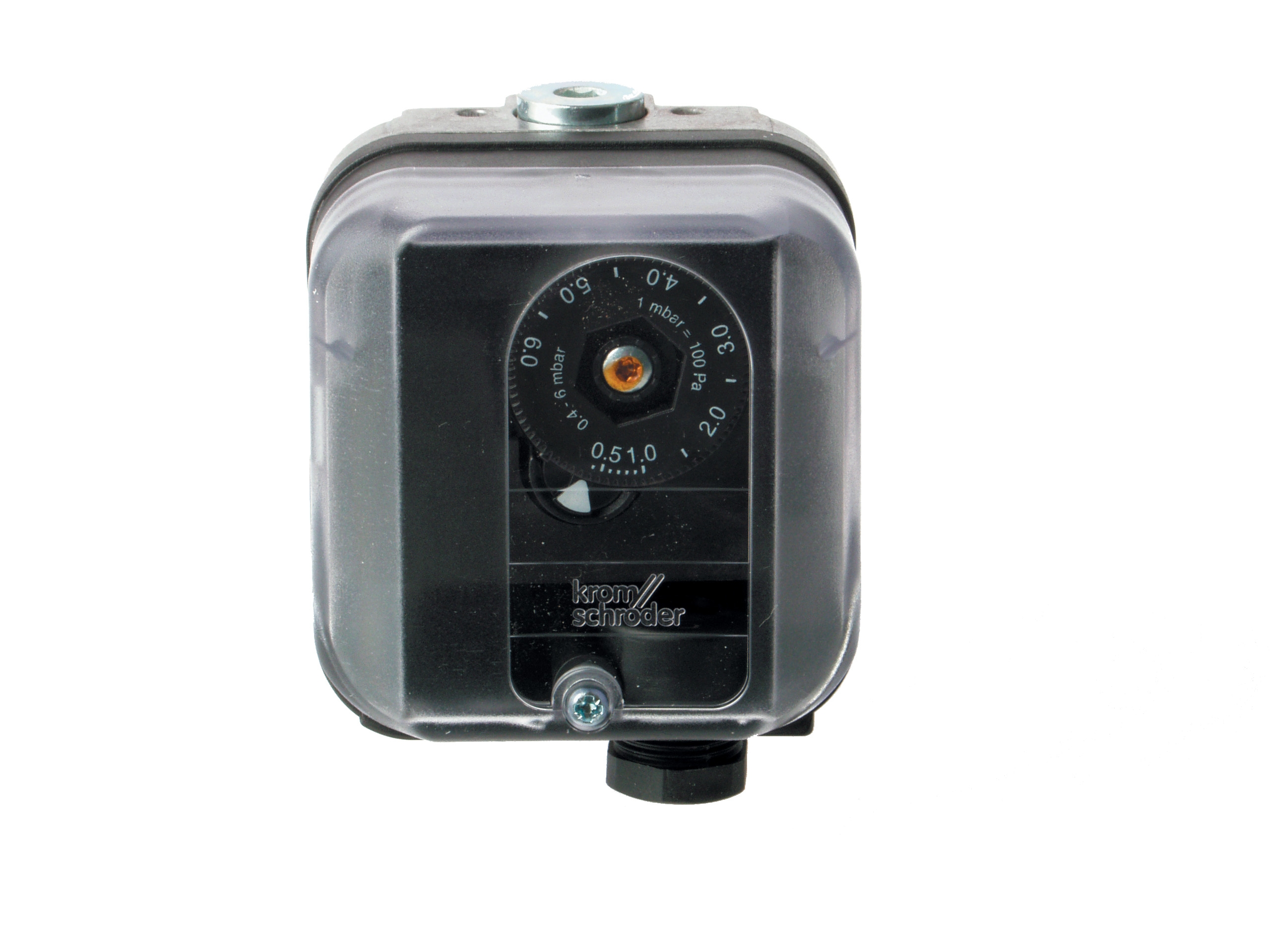
The Kromschroder DG 50U/6 pressure switch rated SIL 3 and Performance Level e provides complementary pressure supervision with FM, UL, AGA, and GOST-TR certifications—critical for regional compliance across Indonesia, Thailand, Malaysia, and Vietnam where multiple certification bodies oversee industrial safety.
Procurement and Total Cost of Ownership Considerations
Relay-based systems typically present lower initial component costs compared to integrated solutions. A standard installation might incorporate a safety relay ($800–$1,500), pressure switch ($400–$600), flame detector ($300–$500), and associated wiring and terminal blocks ($200–$400). Total component cost for basic safety logic: $1,700–$3,000.
However, procurement engineers must account for installation complexity. Relay-based systems require:
- Detailed wiring schematics and interconnection verification
- Skilled electrician labor for terminal connections and testing
- Separate commissioning steps for each component category
- Ongoing calibration maintenance for independent sensors
For facilities with established electrical maintenance departments and existing relay inventory, these labor costs may be absorbed efficiently. For smaller operations or those with limited in-house expertise, integration complexity becomes a significant hidden cost.
Integrated Multifunction Gas Blocks: Consolidated Logic and Compact Design
Architecture and Embedded Safety Functions
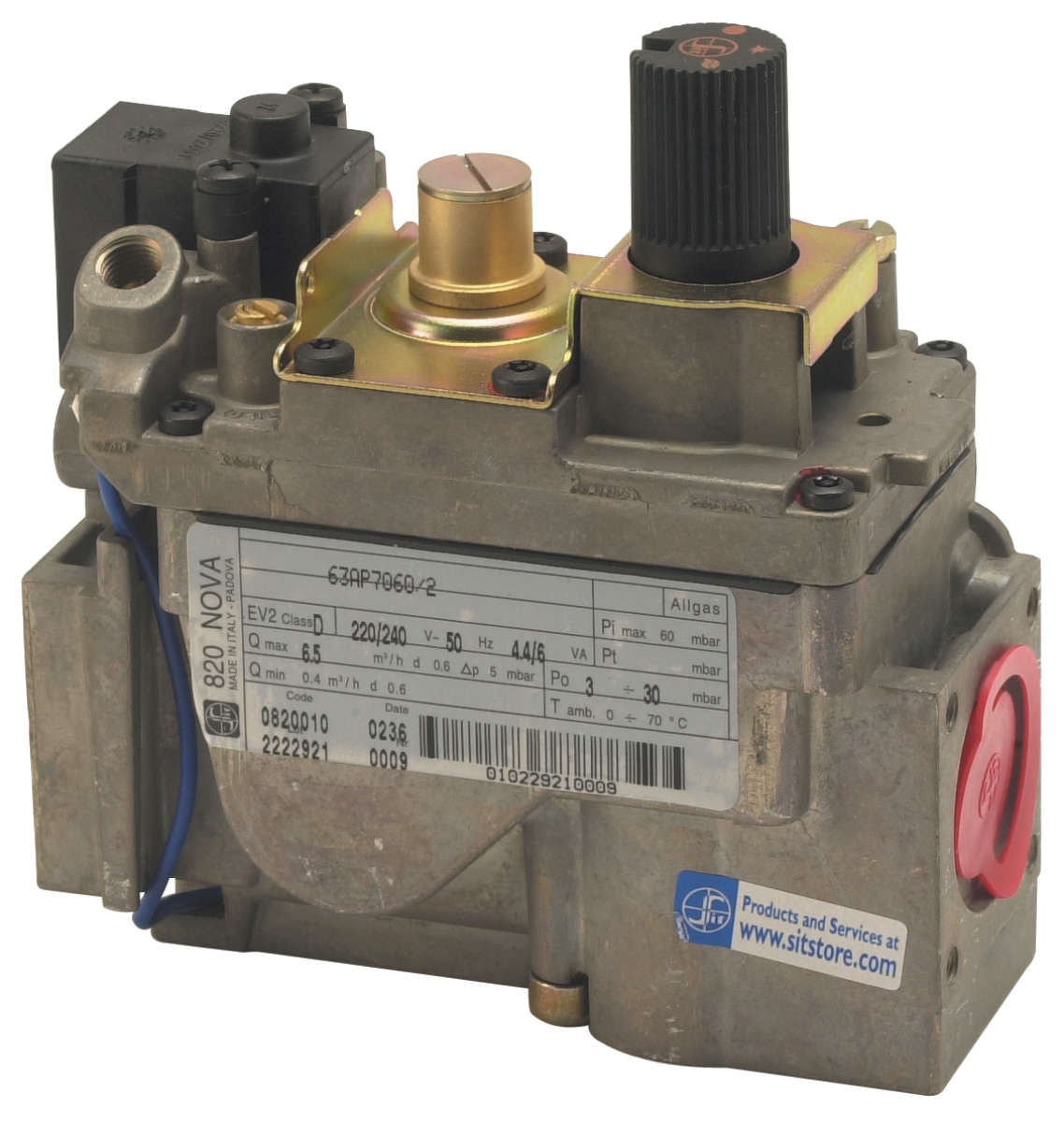
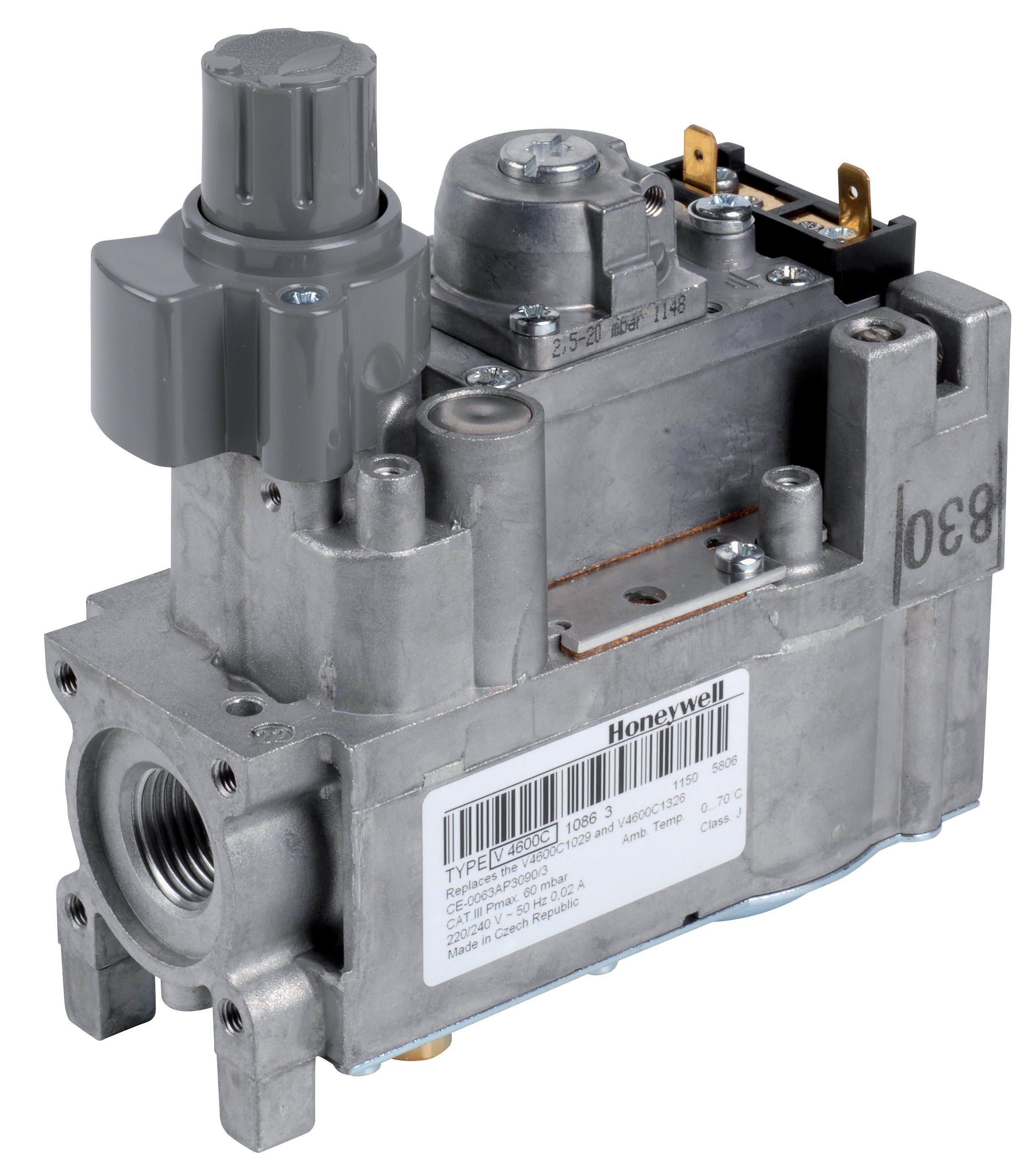
Integrated gas blocks consolidate multiple safety functions within a single mechanical-electrical assembly. The Honeywell VK 4105 C 1041 U gas block represents this category, combining electric modulating pressure regulation with pilot connection and pressure feedback capabilities in a compact footprint.
Advantages of integrated block architecture include:
- Reduced interconnection points: Fewer external wiring connections lower the risk of installation errors
- Pre-engineered logic sequences: Internal valve sequencing and pressure protection are factory-validated
- Space efficiency: Consolidation reduces overall control panel size, valuable in equipment-constrained installations
- Single-source accountability: Manufacturer bears responsibility for integrated function verification
For Southeast Asian procurement engineers managing installations across multiple facilities, block-based solutions simplify standardization. A single block type can replace 4–5 discrete relay-based components, streamlining spare parts inventory and technician training requirements.
Trade-offs in Diagnostics and Field Flexibility
Integrated blocks present diagnostic challenges when faults occur. Unlike relay systems where individual sensor failures generate specific signals, block failures often necessitate complete unit replacement. A technician cannot readily swap individual internal components; the entire assembly returns to the supplier for bench testing and repair.
Additionally, integrated blocks offer limited reconfiguration options. If facility requirements evolve—perhaps requiring enhanced pilot supervision or modified ignition timing—the existing block may not support these changes without full replacement. In contrast, relay-based systems allow engineers to add supplementary logic cards, modify timer settings, or introduce new monitoring parameters through rewiring or relay reprogramming.
Regional compliance adds complexity. The Pactrol Housing P 16 DI CE ignition module operating at 230V supply with 12 kV output demonstrates how integrated solutions must meet multiple regional electrical standards simultaneously. While this consolidation simplifies procurement, any regional standard change (such as adoption of stricter EMC requirements) might necessitate complete unit replacement rather than a firmware update.
Hybrid Architectures: Combining Relay Logic with Integrated Gas Blocks
Strategic Pairing of Technologies
Leading Southeast Asian industrial operators increasingly adopt hybrid architectures pairing relay-based safety logic with integrated gas blocks. This approach leverages the diagnostic clarity and reconfigurability of relays while capturing the space efficiency and pre-engineered sequencing of blocks.
A typical hybrid implementation incorporates:
- Master safety relay (Siemens LFL 1.622 for medium to high power ratings) managing overall ignition sequence and flame monitoring with UV/ionization capability
- Integrated gas block (such as the Honeywell VK 4105 C 1041 U) handling pressure regulation and modulation control subordinate to relay commands
- Supplementary pressure switches (Kromschroder DG 50U/6) providing independent pilot gas pressure verification
This configuration delivers:
- Transparent diagnostics: Relay generates clear fault signals; block status is monitored rather than trusted implicitly
- Scalable safety integrity: Additional monitoring can be added through relay reprogramming without physical equipment changes
- Vendor flexibility: Safety logic can be supplied by one manufacturer while gas control comes from another, preventing single-supplier dependence
- Evolutionary upgrade paths: As facility requirements change, the relay-based upper logic can be enhanced while existing gas blocks continue operation
Regional Compliance and Certification Advantages
Southeast Asian facilities often operate under overlapping regulatory frameworks. Indonesia implements SNI (Standar Nasional Indonesia) standards; Thailand references ASME and API guidelines; Vietnam increasingly adopts ISO IEC 61508 functional safety requirements. Hybrid architectures accommodate this diversity because:
- Relay manufacturers (Siemens, Kromschroder) maintain certified designs across multiple regulatory bodies
- Gas block suppliers can provide compliance documentation for specific regional requirements
- Independent pressure switches serve as "backup authority" should integrated block certification gaps emerge
Practical Procurement Framework for Southeast Asian Operations
Selection Decision Tree for Procurement Engineers
Choose relay-based architecture if:
- Facility maintenance team has strong electrical troubleshooting capabilities
- Future reconfiguration or enhanced monitoring is anticipated
- Vendor switching or component substitution flexibility is strategically important
- Installation labor costs are readily absorbed through in-house resources
- Space constraints or equipment footprint limitations are critical
- Standardization across multiple similar installations will reduce training burden
- Facility maintenance emphasizes "swap and replace" rather than component-level troubleshooting
- Initial capital cost reduction is the primary procurement driver
- Safety integrity level (SIL 2 or SIL 3) requires layered independent verification
- Regulatory environment demands transparent failure mode documentation
- Facility plans phased upgrades or technology transitions
- Long-term operational flexibility justifies moderate cost premium
Compliance Documentation and Regional Considerations
3G Electric's 35+ years of experience across Southeast Asian markets reveals that certification verification must precede procurement. Before committing to any controls & safety system:
- Request detailed compliance matrices showing EN 746-2, EN 676, SIL certification levels, and local regulatory alignment
- Verify that pressure switches meet GOST-TR standards if operating near Russian technical sphere borders (relevant in Malaysia and Vietnam)
- Confirm that electrical components (relays, ignition modules) satisfy local voltage/frequency standards (220V 50Hz dominant in Southeast Asia vs. 110V 60Hz alternatives)
- Establish whether regional distributors maintain spare parts inventory or require factory shipment for replacement components
Total Cost of Ownership: A Five-Year Comparison
Consider a typical 2 MW industrial burner installation in Thailand:
Relay-Based System (5-year TCO):
- Components: $2,500
- Installation labor (40 hours @ $50/hr): $2,000
- Annual maintenance/calibration (4 hours/year): $800
- Spare parts inventory: $1,200
- Total: $6,500
- Components: $1,800
- Installation labor (20 hours @ $50/hr): $1,000
- Annual maintenance/inspection (2 hours/year): $400
- Spare parts inventory (one complete block): $1,800
- Total: $5,000
- Components: $3,200
- Installation labor (30 hours @ $50/hr): $1,500
- Annual maintenance (3 hours/year): $600
- Spare parts inventory: $1,500
- Total: $6,800
Cost advantage shifts based on maintenance frequency, labor availability, and component failure rates. Procurement engineers should develop facility-specific models incorporating local labor costs and historical failure data.
Conclusion: Aligning Technology with Operational Strategy
Controls & Safety system selection transcends component specification; it reflects strategic decisions about facility autonomy, technological evolution, and risk tolerance. 3G Electric remains committed to supporting Southeast Asian procurement engineers with transparent comparisons, regional compliance expertise, and access to proven technologies from manufacturers including Kromschroder, Siemens, and Honeywell.
The most effective procurement approach combines quantitative total-cost-of-ownership analysis with qualitative assessment of organizational capabilities, regulatory environment, and long-term facility roadmaps. Whether your operation prioritizes diagnostic transparency through relay-based logic, installation simplicity through integrated blocks, or balanced flexibility through hybrid architecture, systematic comparison ensures that safety, compliance, and economic performance align with strategic objectives.