Controls & Safety Systems in Singapore: Comprehensive Specification Comparison for Procurement Engineers
Industrial controls and safety systems represent one of the most critical capital expenditure decisions for manufacturing and combustion facilities. For procurement engineers in Singapore, the challenge extends beyond selecting individual components—it requires understanding how pressure switches, flame detection cells, relays, and gas control blocks integrate into a cohesive safety architecture. This comprehensive guide deconstructs the technical specifications of leading industrial-grade controls and safety solutions, enabling side-by-side comparison across performance metrics, certification standards, and application suitability. Whether you're upgrading an existing installation or designing a new combustion system from the ground up, this analysis provides the specification data necessary for informed procurement decisions.
Understanding Controls & Safety System Architecture in Industrial Applications
Industrial burner control systems operate as closed-loop safety networks where each component—from pressure monitoring to flame detection—contributes to preventing catastrophic failure modes. The architecture typically comprises three functional layers: input sensing (pressure switches, flame detection cells), logic processing (control relays and safety units), and actuation (solenoid valves, modulating regulators). Understanding how these layers interconnect is essential for procurement professionals evaluating system-level specifications rather than individual component ratings.
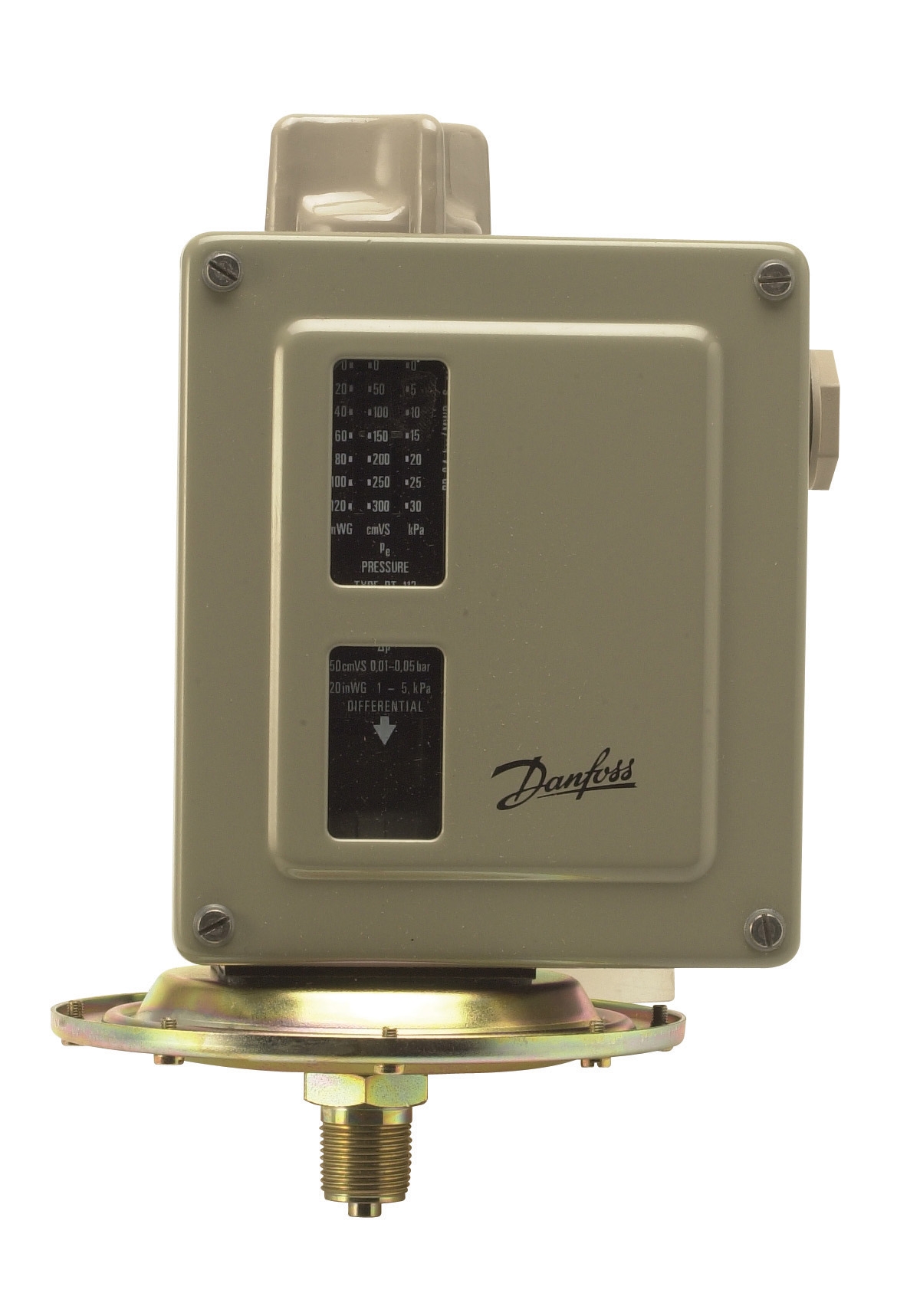
In Singapore's regulated industrial environment, controls and safety systems must comply with multiple certification frameworks simultaneously. The European CE mark (EN 746-2, EN 676 standards) ensures burner control reliability and safety functionality. Meanwhile, international certifications like FM (Factory Mutual), UL (Underwriters Laboratories), and SIL (Safety Integrity Level) ratings provide additional assurance for critical safety functions. The Danfoss Pressure Switch RT 5 exemplifies this multi-layer approach, offering unipolar changeover contacts suitable for both industrial and marine applications with pressure ranges spanning 0.1 to 30 bar depending on the specific model variant.
Procurement engineers must evaluate controls and safety systems against four primary criteria: functional performance (response time, accuracy, repeatability), safety certification status (SIL/PL ratings, international approvals), operational compatibility (fuel type, burner configuration, modulation capability), and lifecycle cost (procurement, installation, maintenance, replacement cycles). This systematic approach transforms controls and safety procurement from a commodity selection exercise into a strategic infrastructure investment.
Pressure Switch Specifications: Technical Comparison for Burner Safety Monitoring
Pressure switches function as the primary sensory organs in burner control architectures, continuously monitoring gas and air pressures to verify safe operating conditions. The technical differentiation between pressure switch models lies in their pressure operating ranges, contact configurations, response characteristics, and certification credentials. Understanding these specifications enables procurement engineers to select devices matching precise system requirements rather than oversizing components unnecessarily.
The Danfoss Pressure Switch RT 5 represents a versatile industrial-grade solution with multiple pressure range variants designed to address diverse application scenarios. The RT 110 variant operates across 0.2–3 bar, suitable for low-pressure gas pilot systems and differential pressure monitoring. The RT 112 extends downward to 0.1 bar, enabling detection of subtle pressure variations in sensitive applications like pilot light supervision. Moving upward, the RT 116 covers 1–10 bar for standard burner air supply monitoring, while the RT 117 reaches 10–30 bar for high-pressure industrial fuel gas systems. Each variant employs a unipolar changeover contact, meaning the same electrical terminal can function as either a normally-open or normally-closed switch depending on system logic configuration. This flexibility reduces spare parts inventory and simplifies cross-platform deployment across multiple facility types.
The Kromschroder Pressure Switch DG 50U/6 takes the safety specification to an elevated tier with SIL 3 and Performance Level e certification—designations indicating suitability for safety-critical functions where failure could result in serious injury or fatality. This device meets EN 1854 (European pressure equipment directive), FM and UL standards (North American industrial acceptance), AGA certification (American gas association for fuel gas safety), and GOST-TR compliance (Russian/Eurasian conformity). For Singapore procurement teams operating global supply chains or managing facilities with multinational safety requirements, this multi-standard certification eliminates the need for separate devices across geographic markets. The internal locking mechanism prevents accidental pressure setting drift during operation, a critical reliability feature in unattended combustion systems.
Comparison analysis reveals a strategic trade-off: the Danfoss RT 5 offers maximum flexibility with five distinct pressure ranges and simpler technology suitable for standard industrial applications with lower safety criticality. The Kromschroder DG 50U/6 demands higher procurement cost but delivers superior safety certification, internal locking mechanisms, and suitability for SIL-rated safety systems. Procurement decisions should weigh facility risk profiles, regulatory audit requirements, and long-term facility expansion plans against immediate budget constraints. A facility implementing safety-instrumented systems or operating in process industries (petrochemical, refining, chemical manufacturing) justifies the Kromschroder investment. General HVAC, heating boiler, or food processing applications may achieve compliance with the Danfoss solution at lower total cost of ownership.
Flame Detection Cells and Control Relays: Sensor-to-Logic Integration Specifications
Flame detection cells translate visible combustion phenomena into electrical signals that ignition and safety control units interpret as confirmation of successful burner light-off. The sensor technology employed—whether ultraviolet (UV), ionization, or yellow flame optical detection—determines the burner types and fuel compositions the system can reliably monitor. Control relays then process flame detection signals within programmed safety sequences that ensure ignition only occurs when all pre-ignition conditions (air pressure verification, purge completion, ignition electrode readiness) have been satisfied.
The Siemens Cell QRB4B-B050B70A specializes in yellow flame oil burner monitoring using optical detection technology. This cell observes the visible spectrum light emission from burning oil, making it immune to electrical interference that can plague ionization probes in electrically noisy industrial environments. The two-wire thermoplastic cable construction simplifies field installation while the front-facing viewing orientation enables direct installation without complex mechanical adapters. Certification includes both Eurasian Conformity (EAC) and OHSAS 18001:2007 occupational health certification, signaling integration into industrial safety management systems. The intermittent duty rating (meaning the cell powers down between ignition cycles rather than operating continuously) reduces electrical heating stress and extends service life. Mounting variants include options with AGK42 flanges or soft plastic sleeves, accommodating diverse burner head configurations without requiring custom fabrication.
The Brahma Relay CM 31 TW30/TS10 exemplifies the control relay generation designed for atmospheric and fan-assisted burners operating in intermittent mode (residential/commercial heating, warm-air generators, radiant heating). The EUROFLA T Series designation indicates proven European market acceptance and compliance with EN 298 and Gas Appliance Directive requirements. The system incorporates inbuilt solid-state ignition (no separate ignition transformer required) with ionization-based flame monitoring that detects the rectification properties of the combustion flame itself. Two independent safety contacts wired in series on the gas valve output provide dual-redundancy—both contacts must close simultaneously for gas valve activation, preventing single-point-of-failure scenarios. Non-volatile lock-out with manual reset prevents nuisance re-ignition cycles following flame loss, requiring trained personnel to physically acknowledge the fault before reignition can proceed. This design prioritizes safety over operational convenience, appropriate for residential boiler applications where false flame-outs create customer service burden but do not pose catastrophic risk.
The Kromschroder Relay BCU 570WC1F1U0K1-E targets unlimited power modulating burners in industrial combustion applications where flame turndown spans 1:10 or greater ratios. Direct ignition capability enables cold-start ignition without pilot light infrastructure, reducing both component count and gas pilot consumption. Intermittent or continuous pilot ignition modes provide fallback options for facilities unable to implement direct ignition due to burner geometry or flame stability constraints. EN 746-2 and EN 676 certification ensures compliance with the European Boiler Efficiency Directive and comprehensive burner control safety requirements. Optional bus module integration enables networked control across multiple burners, addressing the industrial modular combustion architecture where central control systems manage distributed burner arrays. This capability transforms the BCU 570 into a component within larger safety instrumented systems rather than a standalone controller.
Practical Selection Framework: Matching Specifications to Facility Requirements
Step 1: Define Burner Characteristics and Operating Profile
Begin by documenting fuel type (natural gas, LPG, oil, dual-fuel), burner configuration (atmospheric vs. forced-draft), power range (kW capacity), modulation requirement (fixed-output vs. variable), and operating duty (intermittent startup-shutdown cycles vs. continuous run-time). This baseline determines which control families (intermittent-duty, continuous-duty, modulating) are applicable and eliminates unsuitable products immediately.
Step 2: Assess Safety Criticality and Certification Requirements
Evaluate whether your facility operates within a safety-instrumented system (SIS) environment, is subject to Process Safety Management (PSM) requirements, or requires third-party certification by authorities having jurisdiction (AHJ). Petrochemical, refining, and chemical manufacturing justify SIL-rated components like the Kromschroder DG 50U/6. Standard HVAC and boiler applications typically satisfy compliance with CE-marked controls and basic pressure monitoring.
Step 3: Cross-Reference Environmental and Installation Constraints
Document facility operating environment: indoor/outdoor exposure, ambient temperature extremes, electrical noise levels, installation space limitations, and required certifications (FM, UL, AGA for specific geographic markets). The Siemens QRB4B's yellow flame optical detection eliminates interference sensitivity in electrically noisy environments where ionization probes might prove unreliable.
Step 4: Evaluate Total Cost of Ownership
Calculate procurement cost, installation labor (including any required purging procedures or calibration), recurring maintenance (annual inspection, sensor replacement cycles), and mean-time-between-failures (MTBF) data when available. A higher-cost SIL-rated system may deliver lower lifecycle cost if it reduces nuisance shutdowns and maintenance interventions.
Specification Comparison Table: Key Controls & Safety Components
| Component Type | Product | Pressure Range / Fuel Type | Key Certifications | Best For |
|---|---|---|---|---|
| Pressure Switch | Danfoss RT 5 | 0.1–30 bar (multi-variant) | CE, Industrial/Marine | Standard industrial applications, flexible deployment |
| Pressure Switch | Kromschroder DG 50U/6 | Multiple (SIL 3 rated) | SIL 3, PL e, EN 1854, FM, UL, AGA, GOST-TR | Safety-critical systems, multiregional compliance |
| Flame Detection Cell | Siemens QRB4B-B050B70A | Yellow flame (oil burners) | EAC, OHSAS 18001:2007, ISO 9001:2015 | Oil burner monitoring, electrically noisy environments |
| Control Relay | Brahma CM 31 TW30/TS10 | Atmospheric/fan-assisted, intermittent | CE Type (63AQ0625), EN 298, Gas Appliance Directive | Residential/commercial heating, boilers |
| Control Relay | Kromschroder BCU 570WC1F1U0K1-E | Unlimited power, modulating burners | EN 746-2, EN 676, optional bus module | Industrial modulating systems, networked control |
Singapore Market Context and Procurement Best Practices
Singapore's regulatory framework for industrial controls and safety systems emphasizes comprehensive compliance with international standards rather than prescriptive local regulations. The Economic Development Board (EDB) and Process Safety Management guidelines recommend controls systems meeting EN or equivalent certification standards. For procurement teams, this creates advantage: components certified to European EN standards typically satisfy Singapore regulatory acceptance without requiring additional local approvals.
However, Singapore's role as a regional manufacturing and petrochemical hub means many facilities operate under multiregional standards. A chemical processing plant might operate under both Singapore PSM requirements and parent-company safety standards derived from USA or Europe. In these scenarios, pressure switches and flame detection systems with multiple certification paths (FM/UL plus CE plus AGA) eliminate the need for multiple device types across operational and maintenance documentation. This consolidation reduces training burden, spare parts inventory, and technical support complexity.
For procurement professionals managing supplier relationships, controls and safety components should be sourced through distributors maintaining technical expertise in both specification selection and field support. Singapore-based distributors provide the advantage of rapid parts availability (critical for emergency burner shutdowns in 24/7 operations) combined with engineering resources familiar with local regulatory interpretation and facility design practices.
Engaging burner control specialists during the procurement phase—rather than post-specification—enables optimization of component selections toward facility-specific requirements. Technical consultation can identify opportunities to consolidate component types across multiple burners, streamline installation procedures, and reduce lifecycle maintenance costs.
Integration Considerations: Building Complete Controls & Safety Systems
Individual pressure switches, flame detection cells, and control relays function as system components, not standalone devices. Integration success requires understanding electrical interfaces, safety logic sequencing, and failure mode propagation across the complete system architecture. A flame detection cell, control relay, and solenoid valve must operate as a coordinated unit where the relay responds to flame loss with instantaneous gas valve closure—a response occurring in milliseconds rather than seconds.
Procurement specifications should include system-level functional requirements: what constitutes a valid ignition sequence (purge time, spark duration, flame confirmation delay), what conditions trigger immediate gas valve closure (flame loss, pilot pressure drop, high temperature detection), and what recovery procedures follow fault conditions (lockout duration, manual reset requirement, automatic retry logic). These system-level requirements then drive component selection from the bottom-up.
Documentation and traceability represent critical elements often overlooked during procurement. Maintaining records of component certifications, installation dates, calibration procedures, and service history enables facilities to demonstrate compliance during regulatory audits. Gas control systems should be procured with complete technical documentation packages including original equipment manufacturer (OEM) certificates, installation manuals in English, and spare parts cross-reference information.
Closing: Strategic Procurement of Controls & Safety Systems
Controls and safety system procurement represents a strategic infrastructure decision with implications extending across operational reliability, regulatory compliance, maintenance efficiency, and long-term cost of ownership. By evaluating specifications systematically—pressure ranges, certification credentials, compatibility matrices, and lifecycle requirements—procurement engineers transform this decision from a commodity selection exercise into a value-creation opportunity.
The products detailed in this analysis—the Danfoss Pressure Switch RT 5, Kromschroder DG 50U/6, Siemens QRB4B Flame Cell, and Brahma and Kromschroder control relays—represent proven industrial-grade solutions with established track records in Singapore facilities and across Southeast Asia. However, optimal procurement outcomes require matching these specifications to your facility's unique burner configuration, safety criticality, environmental constraints, and regulatory requirements.
3G Electric's controls and safety team can assist with this analytical process, providing technical specification consultation, cross-reference support, and integration guidance to ensure your procurement decisions deliver both immediate compliance and long-term operational excellence. Pressure switch options and flame detection solutions span the spectrum from basic industrial-grade components to safety-instrumented system certified devices. Contact 3G Electric today to discuss your facility's specific requirements and identify the controls and safety components that optimize performance, compliance, and lifecycle cost for your Singapore operations.