Understanding Controls & Safety Architecture in Industrial Burner Systems
Controls & Safety systems represent one of the most critical procurement decisions in industrial combustion equipment. Unlike other mechanical components, safety systems directly impact workplace compliance, insurance coverage, and operational liability. As a procurement engineer, your role extends beyond cost optimization to ensuring your facility meets international safety standards and regulatory requirements.
At 3G Electric, we've supported industrial operations across 35+ years of equipment distribution, and we've observed that procurement failures in Controls & Safety systems frequently stem from incomplete specification rather than component failures. The challenge isn't typically finding individual components—it's understanding how they integrate within a complete safety architecture.
Controls & Safety systems must perform three essential functions: flame detection, fuel shutoff, and system diagnostics. Each function requires specific components working in coordinated sequences. When procurement engineers specify these systems piecemeal rather than as integrated solutions, they create compatibility gaps, testing challenges, and potential regulatory non-compliance.
The international standards ISO 14650 (Automatic Burner Control Systems) and EN 298 (Safety Equipment for Oil-Fired Boilers) establish baseline requirements across European markets, while North American operations reference NFPA 85 (Boiler and Combustion Systems Hazards Code). However, local jurisdictions often impose additional requirements. Your procurement process must verify which standards apply to your specific facility location and operational classification.
Component Specification and Selection Criteria
Successful Controls & Safety procurement begins with functional requirement mapping. Rather than specifying individual products, define what your system must accomplish:
Solenoid Valve Requirements
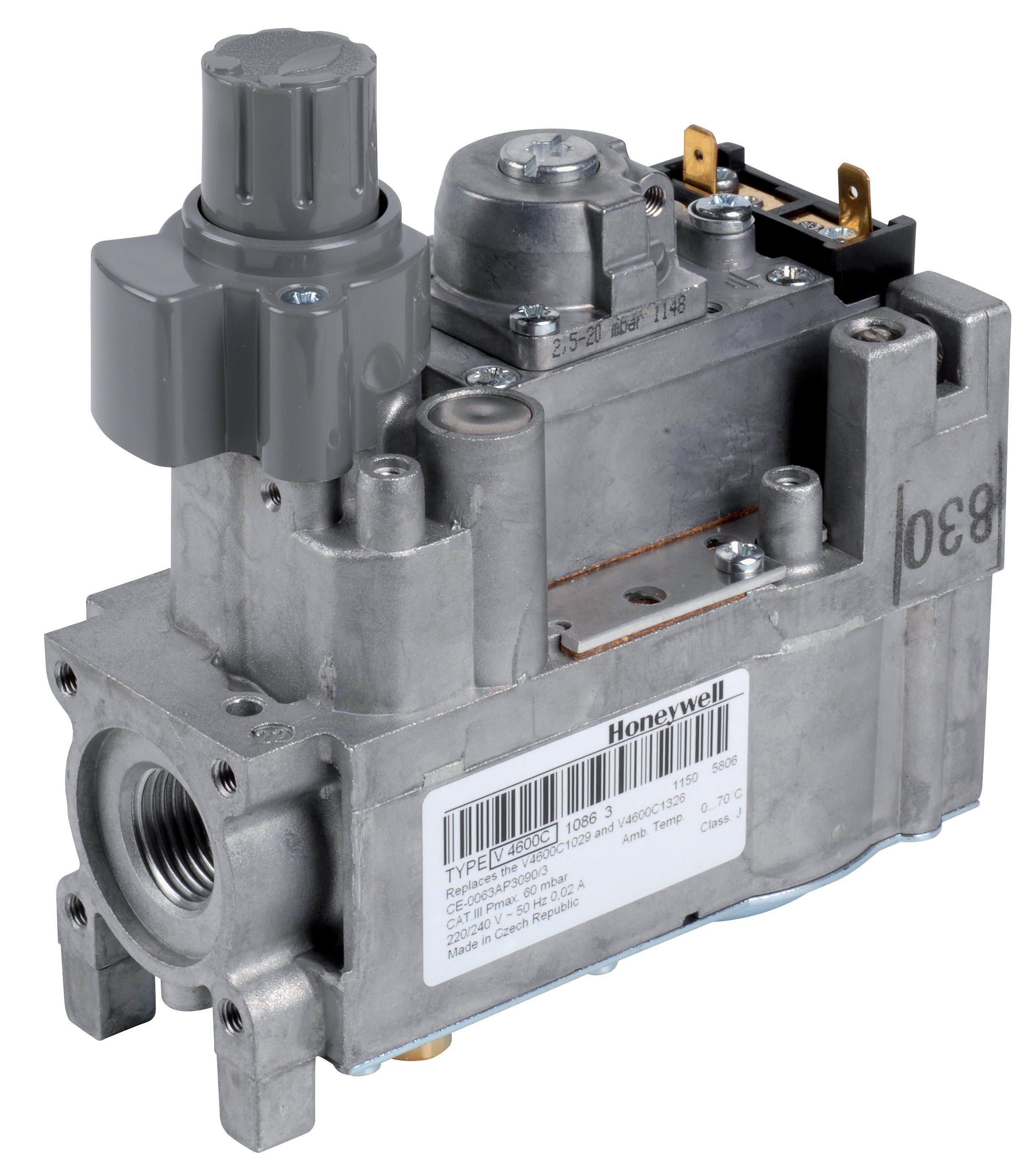
Double solenoid valves form the safety shutoff mechanism in most industrial burner systems. These require dual-channel operation—if either solenoid fails, fuel delivery must stop. The CBM VCS 1E25R/25R05NNWL3/PPPP/PPPP double solenoid valve exemplifies industrial-grade specification with redundant safety architecture.
When specifying solenoid valves, procurement engineers must verify:
- Flow capacity matches your burner's fuel consumption rate (measured in gallons per hour or kilograms per hour)
- Pressure rating exceeds your system's operating pressure by at least 20 percent safety margin
- Response time meets your control system's shutdown requirements (typically 1-3 seconds for safety shutoff)
- Coil voltage compatibility with your facility's electrical infrastructure
Dual-solenoid configurations add cost but eliminate single-point failure modes. This redundancy isn't optional for systems exceeding specified capacity thresholds under most jurisdictions' safety codes.
Pilot Light and Flame Supervision Integration
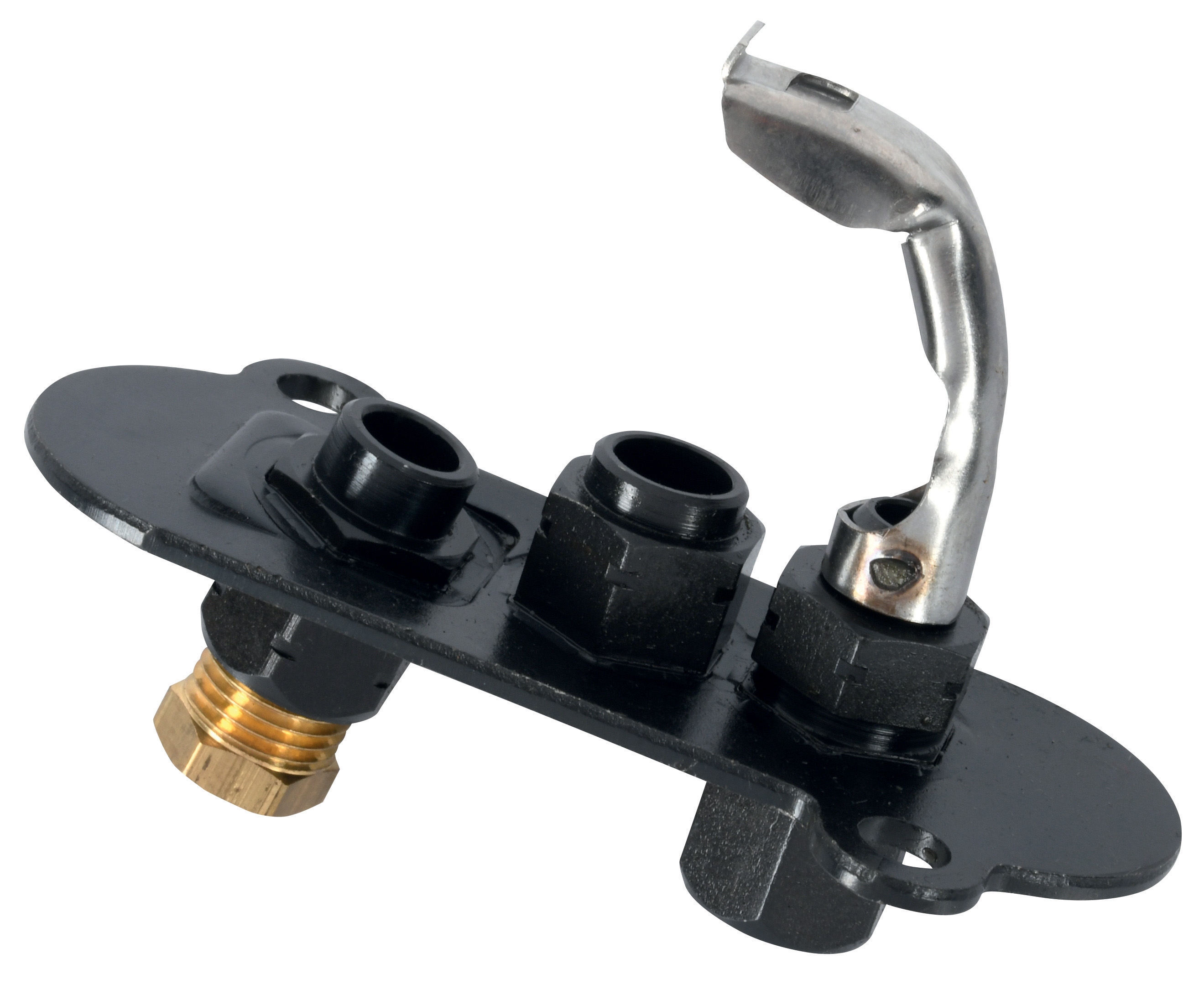
Pilot lights serve dual purposes: they ignite main burner fuel and provide flame detection through thermoelectric or photocell-based supervision. The CBM 1-flame pilot light 0.150.082 and CBM Pilot light 1 flame 0140026 represent standard specifications for small-to-medium capacity systems.
Procurement specifications for pilot lights must address:
- Ignition reliability across ambient temperature ranges (particularly important for outdoor or seasonal operations)
- Flame detection sensitivity calibrated to your fuel type and air/fuel ratio
- Thermal stability under continuous operation (pilot lights run continuously in most safety architectures)
- Compatibility with your supervision circuit's detection technology
The choice between thermoelectric and photocell-based supervision depends on your facility's operating environment. Thermoelectric devices tolerate dusty environments better but require longer flame-establishment times. Photocell-based supervision responds faster but demands cleaner flame conditions and regular optical window maintenance.
Relay and Control Logic Components
Relays execute safety shutdown commands and maintain control logic across sequential startup and monitoring phases. The CBM Relay CM391.2 30.5 1.2 and CBM Base LGK AGM17 provide modular relay solutions where individual channels can be replaced without replacing entire control modules.
Procurement engineers frequently overlook relay specifications because they assume "any relay works." However, safety-critical relays must meet specific performance criteria:
- Contact rating must exceed the maximum current they'll control by a safety factor of at least 1.3x
- Coil voltage must exactly match your control system (no substitutions between 24V AC and 24V DC systems)
- Response time must be documented and verified—slow relays can cause overlapping fuel and ignition sequences
- Mechanical life expectancy should exceed 1,000,000 cycles minimum for safety applications
Modular relay bases like the LGK series allow field replacement of individual relay modules, reducing maintenance costs and improving system availability. This modularity requires procurement to maintain spare inventory of specific relay configurations—a cost offset by reduced downtime.
Procurement Process and Compliance Verification
Effective Controls & Safety procurement follows a structured validation process distinct from standard equipment purchasing:
Specification Documentation and Bill of Materials
Create detailed specifications that list every component with part numbers, voltage ratings, flow capacities, and pressure ratings. Include wiring diagrams showing how components interconnect. This documentation serves three critical purposes: it eliminates supplier substitution during manufacturing delays, it provides the baseline for regulatory inspections, and it ensures future maintenance technicians can source identical components.
Include pressure test results and certification documents in your Bill of Materials. Most industrial jurisdictions require third-party certification (TÜV, FM, CSA approval marks) on safety-critical components. Procurement must verify these certifications apply to your specific application before committing to purchase.
System Integration Testing and Factory Acceptance
Unlike standard equipment procurement, Controls & Safety systems require factory acceptance testing (FAT) before installation. This testing verifies that all components function correctly when integrated—a critical step because individual components can be correct while their combined operation is unsafe.
FAT protocols should include:
- Flame detection response time measurement under normal and degraded flame conditions
- Solenoid valve shutoff verification (both emergency and normal shutdown sequences)
- Relay logic verification through sequential operation testing
- Safety shutdown confirmation across all fault scenarios
Procurement engineers should require FAT documentation as a contract deliverable before facility acceptance. This testing often reveals incompatibilities that component-level specifications didn't catch.
Regulatory Compliance and Certification Coordination
Allocate procurement time for regulatory approval processes. Some jurisdictions require third-party inspection of Controls & Safety systems before operational startup. This typically adds 4-8 weeks to project schedules and requires coordination with equipment manufacturers, integrators, and local authorities having jurisdiction (AHJ).
Maintain documentation of all compliance activities: inspection reports, certification applications, variance approvals, and equipment certifications. This documentation supports insurance coverage verification and demonstrates due diligence in liability situations.
Cost Optimization and Total Cost of Ownership
Controls & Safety procurement decisions have long-term financial implications beyond initial component costs. Redundant components, modular designs, and higher-grade specifications increase upfront costs but reduce lifecycle expenses through reduced downtime, simplified maintenance, and improved insurance terms.
Redundancy Economics
Dual-channel solenoid valves cost 30-50 percent more than single-channel alternatives but reduce forced shutdowns from solenoid failures by approximately 95 percent. For facilities operating 8,000+ hours annually, this redundancy typically recovers its cost through avoided downtime within 18-24 months.
Spare Parts Strategy
Procure critical spare components with your initial system purchase. Pilot lights, relay modules, and solenoid valve coils represent high-failure-rate items with long lead times if ordered reactively. Establishing spare inventory during initial procurement reduces emergency procurement costs and prevents production shutdowns during component failures.
Vendor Relationships and Supply Chain
3G Electric's 35+ years of global distribution experience demonstrates that Controls & Safety component procurement benefits significantly from established vendor relationships. Vendors familiar with your facility's specifications can provide technical support, expedited spare parts, and advance notice of component obsolescence or specification changes.
Establish written agreements with suppliers addressing: spare parts availability timelines, technical support access, component discontinuation procedures, and substitute component approval processes. These agreements prevent vendor lock-in while ensuring continuity of supply.
Maintenance and Lifecycle Management
Procurement decisions impact maintenance requirements throughout equipment lifecycle. Specified components must be maintainable by your facility's technician workforce or contracted service providers.
Verify that selected components have readily available replacement parts and that technician training is feasible for your organization. Exotic or obsolete components create future maintenance nightmares regardless of initial performance.
Document all component specifications, wiring diagrams, and startup procedures in accessible formats for maintenance technicians. Controls & Safety systems require periodic functional testing—your procurement process should allocate resources for this testing and identify which components require annual replacement or certification.