Understanding Controls & Safety Component Architecture
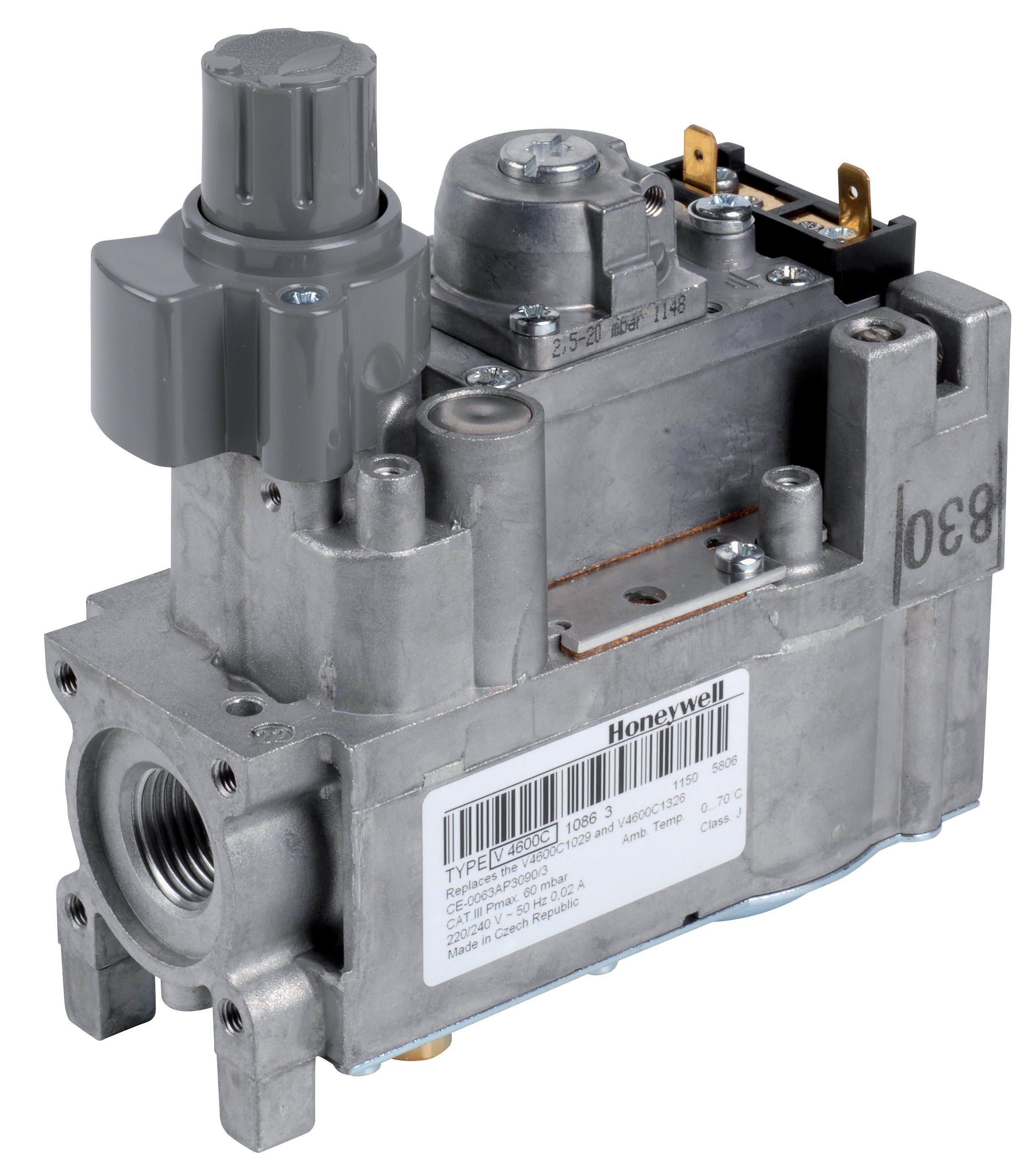
Controls & Safety systems in industrial equipment serve as the backbone of operational reliability and worker protection. For procurement engineers, understanding the architecture of these systems is essential before making sourcing decisions. A Controls & Safety system typically comprises several integrated components: solenoid valves for fluid/gas control, relay systems for electrical logic, pilot lights for visual feedback, and sensing devices that monitor operational status.
The interaction between these components creates a redundant safety network. When a solenoid valve receives a signal from a relay system, it opens or closes to control flow. Pilot lights provide immediate visual confirmation of system status, while relay bases house the switching logic that prevents unsafe sequences. At 3G Electric, with over 35 years of experience distributing industrial equipment globally, we've observed that procurement failures often stem from incomplete understanding of how these components must work together—not just individually.
For your procurement strategy, this means evaluating components not in isolation but as part of a cohesive safety architecture. A solenoid valve specification without understanding the relay logic it responds to is incomplete. Similarly, selecting a relay without verifying it matches your pilot light voltage requirements creates compatibility risks. This systems-level thinking separates effective procurement from costly purchasing errors.
Establishing Specification Criteria for Solenoid Valves and Relay Systems
When procuring solenoid valves like the CBM VCS 1E25R/25R05NNWL3/PPPP/PPPP double solenoid valve, procurement engineers must evaluate multiple technical dimensions simultaneously. The double solenoid design provides redundancy—each solenoid can independently control the valve, ensuring that if one fails, the backup maintains safety protocols. This is not a luxury feature; it's a risk mitigation strategy that affects your total cost of ownership through reduced downtime.
Specification criteria should include:
Flow Rate and Pressure Rating: Verify the valve's rated capacity matches your equipment's maximum flow requirements with a safety margin of 10-15%. Under-specified valves create backpressure that damages upstream components. Over-specified valves waste capital and may respond sluggishly to control signals.
Voltage and Power Requirements: Double solenoid valves require dual voltage pathways. Confirm your control circuit provides the correct voltage (typically 24VDC in industrial settings) to both solenoid coils. Mismatched voltage is the leading cause of solenoid valve failures in the field.
Response Time: For safety-critical applications, solenoid response time (typically 50-150 milliseconds) must align with your burner control logic. Slower response times create lag in shutoff sequences, compromising safety.
Material Compatibility: The valve body material must resist corrosion from the fluid or gas being controlled. Brass, stainless steel, and aluminum each have different service life expectations. Your procurement decision here directly impacts maintenance frequency and component replacement cycles.
Relay systems like the CBM Relay CM391.2 30.5 1.2 function as the logic center of Controls & Safety architecture. When evaluating relay specifications, focus on contact configuration (make/break arrangements), voltage switching capacity, and mounting compatibility. The relay base—such as the CBM Base LGK AGM17—is not merely a socket but a critical component that determines how the relay integrates with your control circuit. Never source a relay without simultaneously sourcing a compatible base; this is a common procurement mistake that creates inventory confusion and installation delays.
Sourcing Strategy: Balancing Cost, Availability, and Safety Compliance
Procurement engineers face constant pressure to reduce costs, but Controls & Safety components are areas where cost minimization can create catastrophic risk. A strategic sourcing approach acknowledges this tension and creates a decision framework that prevents false economy.
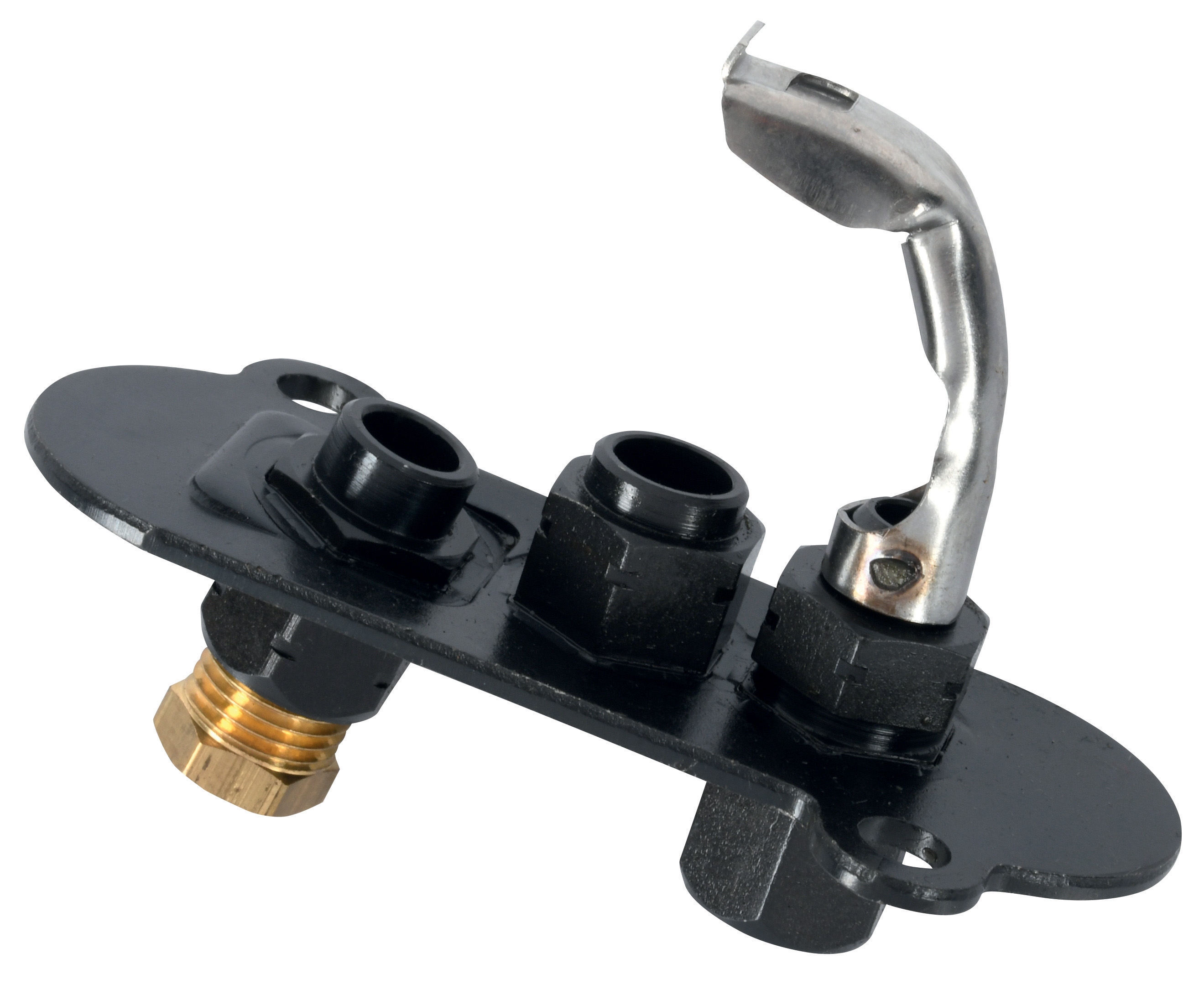
Standardization Across Equipment: Identify which Controls & Safety components appear across multiple pieces of equipment in your facility. The pilot light models CBM 1-flame pilot light 0.150.082 and CBM Pilot light 1 flame 0140026 represent different specifications for different applications. By standardizing on a limited palette of pilot light models across your operations, you reduce training requirements for maintenance staff, simplify spare parts inventory, and negotiate volume discounts with suppliers.
Supplier Qualification Beyond Price: At 3G Electric, we've worked with procurement teams globally since 1990, and we've learned that the lowest-priced supplier rarely delivers the lowest total cost. Evaluate potential suppliers on:
- Technical support capability (can they answer specification questions at 2 AM when your equipment fails?)
- Lead time consistency (emergency shortages cost more than planned inventory)
- Documentation quality (do they provide clear technical datasheets that your maintenance team can use?)
- Warranty terms (a 12-month warranty is worth less than a 3-year warranty on the same component)
Managing Lead Times for Safety-Critical Components: Controls & Safety components often have longer lead times than general industrial parts. Establish a forecast-based ordering cycle that maintains 45-60 days of safety-critical component inventory. The carrying cost of this inventory is negligible compared to production downtime from a solenoid valve or relay shortage.
Integration and Testing: The Procurement Engineer's Quality Assurance Role
Your procurement responsibility doesn't end when components arrive at your facility. Quality assurance begins at the purchasing stage through intelligent specification and continues through receiving inspection and integration testing.
Receiving Inspection Protocols: When solenoid valves and relays arrive, establish a basic inspection routine: visual damage assessment, voltage verification on relays (ensure coil resistance matches specifications), and flow testing on valves (before installation in your system). These steps catch 80% of shipping damage and manufacturing defects before they reach your maintenance team.
Integration Testing Checklist: Before deploying Controls & Safety components in live equipment, verify:
- Solenoid valve response time under actual system pressure (laboratory testing differs from field conditions)
- Relay contact resistance (should be nearly zero; high resistance indicates surface contamination)
- Pilot light brightness and visibility angle (ensure operators can reliably see status indication)
- Double solenoid redundancy activation (manually test that both solenoids function independently)
Maintenance Team Collaboration: Work closely with your maintenance engineers to gather feedback on component performance in real conditions. A solenoid valve that meets all specifications but requires excessive maintenance isn't a success. This field intelligence informs your next procurement cycle and helps you evolve your supplier strategy based on operational reality.
Building Long-Term Supplier Relationships for Controls & Safety Excellence
The most sophisticated procurement organizations view Controls & Safety suppliers not as transactional vendors but as technical partners. After you've established reliable sourcing, shift your focus to continuous improvement collaboration. Share equipment failure data with your supplier—they learn about field conditions, and you gain insights into component selection optimization. Request technical training for your team on new component families. Participate in supplier innovation discussions about emerging Controls & Safety technologies.
This partnership approach, practiced by 3G Electric's customer base across more than three decades, transforms Controls & Safety procurement from a necessary compliance function into a competitive advantage. When your Controls & Safety systems are specified intelligently, sourced reliably, and integrated properly, you achieve operational excellence that competitors cannot easily replicate.