Controls & Safety: Installation Fundamentals for HVAC Contractors in Singapore
When installing Controls & Safety systems in Singapore's tropical environment, HVAC contractors face unique challenges that differ significantly from temperate climates. High humidity, temperature fluctuations, and salt-laden air near coastal areas create accelerated component degradation if proper installation protocols aren't followed. With 35+ years of experience distributing industrial equipment across Southeast Asia, 3G Electric understands these regional challenges intimately.
The foundation of reliable Controls & Safety installation begins with proper site assessment. Before any component arrives on-site, contractors should document ambient temperature ranges (Singapore typically operates 24-32°C), humidity levels (often 65-95%), and proximity to corrosive environments. This baseline data directly influences component selection and mounting strategy.
Wiring practices deserve special attention in Singapore's climate. Use stainless steel conduit and corrosion-resistant cable trays in areas exposed to salt spray or moisture accumulation. All copper conductors should be tinned to resist oxidation. Control wiring should be routed separately from power lines, maintaining minimum 10cm clearance to prevent electromagnetic interference that can cause nuisance shutdowns in safety relay circuits. Temperature-rated cables rated for ambient conditions at least 10°C above maximum expected installation temperature prevent insulation degradation.
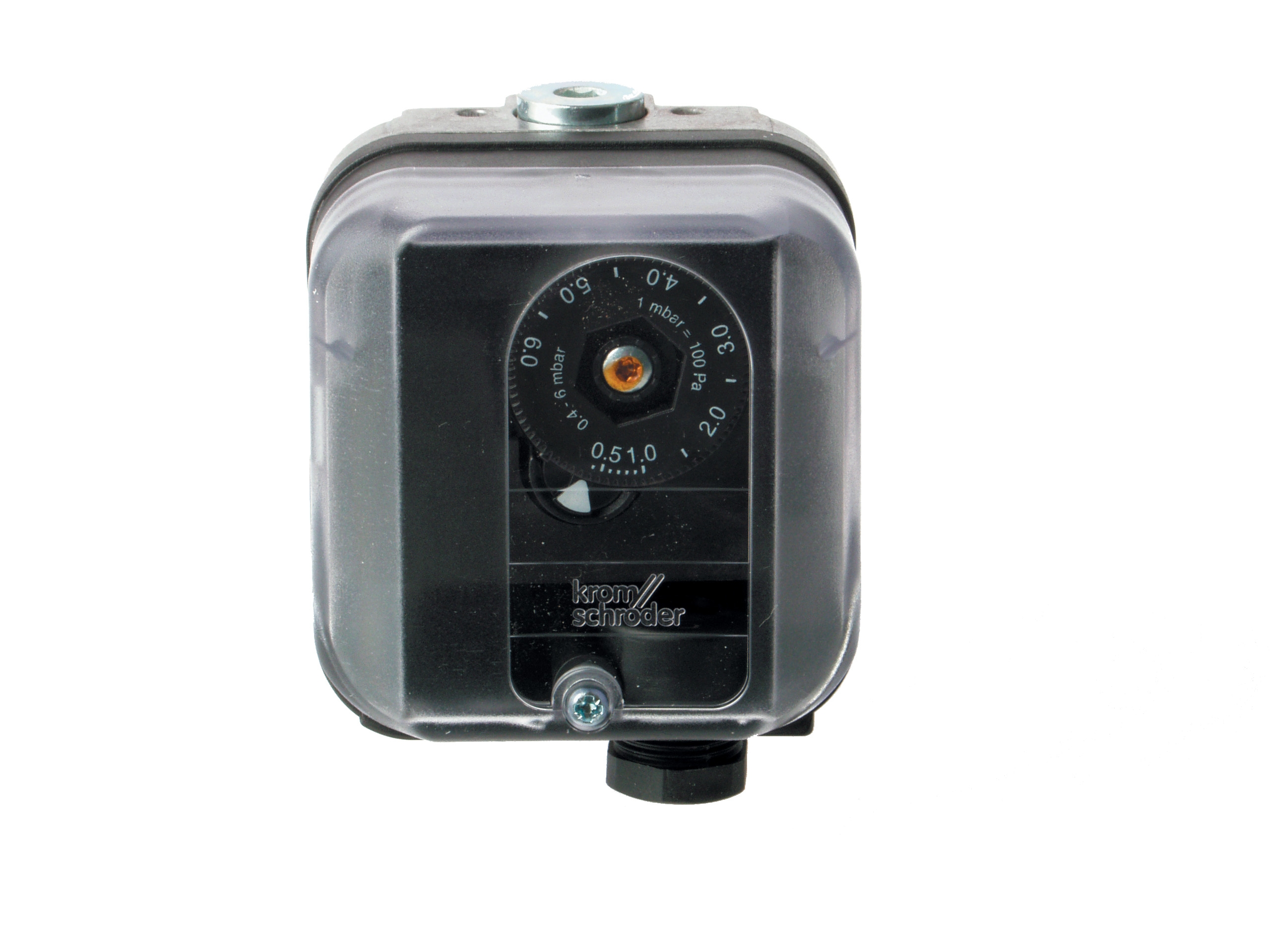
Component mounting location is equally critical. Install Kromschroder Relay BCU 570WC1F1U0K1-E and similar relay controls in weatherproof NEMA 4X enclosures with desiccant breathers to manage humidity ingress. Mount pressure switches like the Kromschroder Pressure switch DG 50U/6 on solid structural members, never on vibrating equipment or flexible piping, to prevent false pressure readings that trigger nuisance alarms.
Field-Proven Commissioning Procedures and Common Installation Pitfalls
Proper commissioning separates reliable installations from problematic ones that plague contractors with callback service calls. Singapore's dense urban industrial landscape means installation crews often work in confined spaces with challenging access to burner equipment, making pre-startup preparation essential.
Start commissioning by establishing a comprehensive wiring diagram specific to the actual installation, not generic manufacturer documentation. Photograph and label every connection before applying power. Test all circuits with equipment powered down: verify continuity on all safety interlocks, confirm pressure switch calibration against manufacturer specifications, and validate that pilot ignition circuits can fire without main gas flow.
The Siemens Relay LFL 1.622 safety control unit requires specific flame detection commissioning procedures. Before energizing the flame detection circuit, verify that UV sensors are clean and undamaged—dust accumulation in Singapore's environment is rapid and causes false flame loss shutdowns. Test UV sensor response in low-light conditions (simulating flame presence) before exposing the sensor to actual flame. Many contractors skip this step and experience nuisance lockouts during startup.
Pressure switch calibration is where most field problems originate. The Kromschroder DG 50U/6 pressure switch requires careful bench-testing before installation. Set the switch to activate 0.5 bar below the target operating pressure, allowing margin for normal fluctuations. In Singapore's heat, pressure switches exhibit thermal drift—test them at both ambient temperature and expected operating temperature (typically 50-60°C on the control enclosure). This prevents shutdown events triggered by thermal expansion rather than genuine pressure loss.
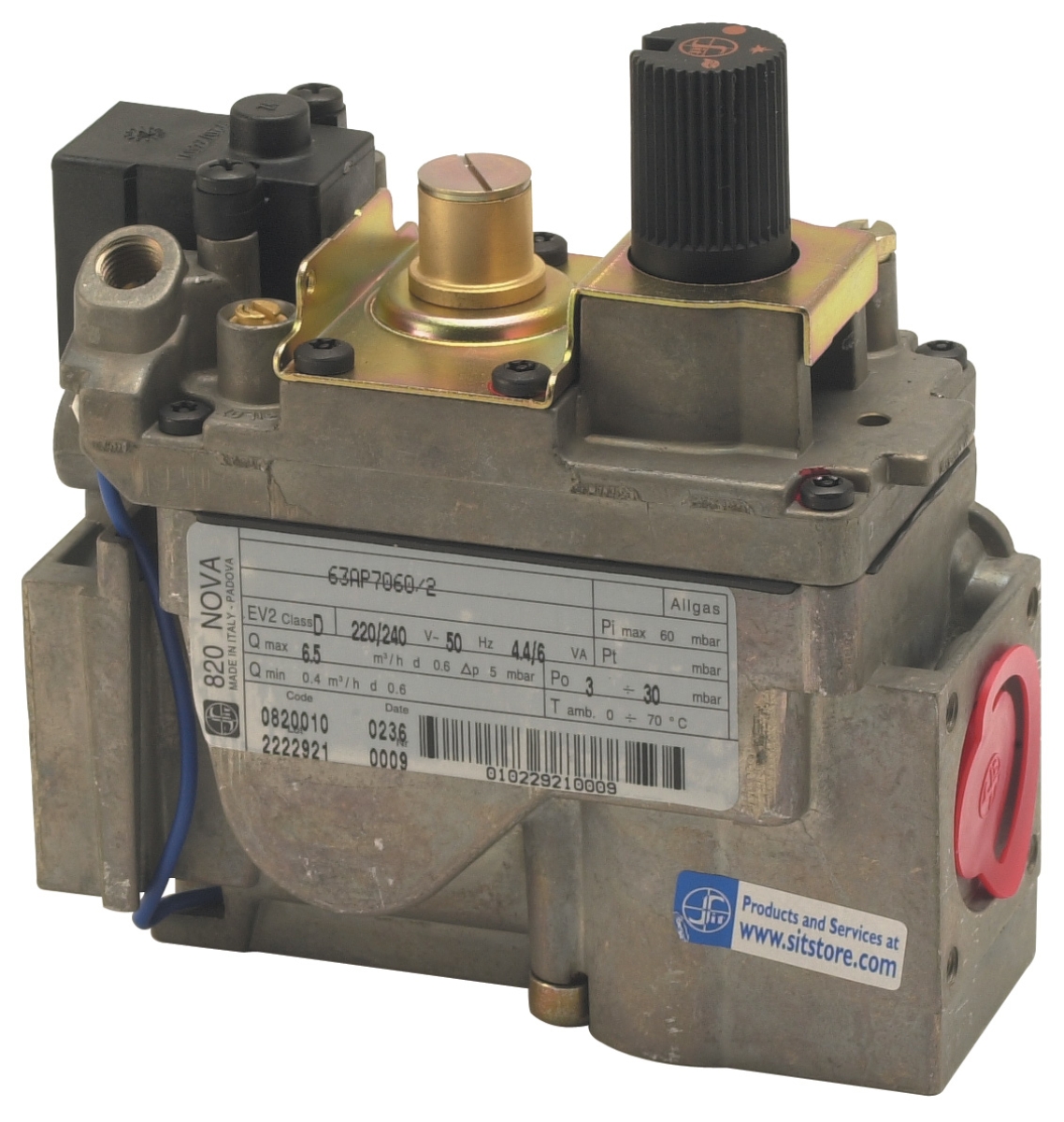
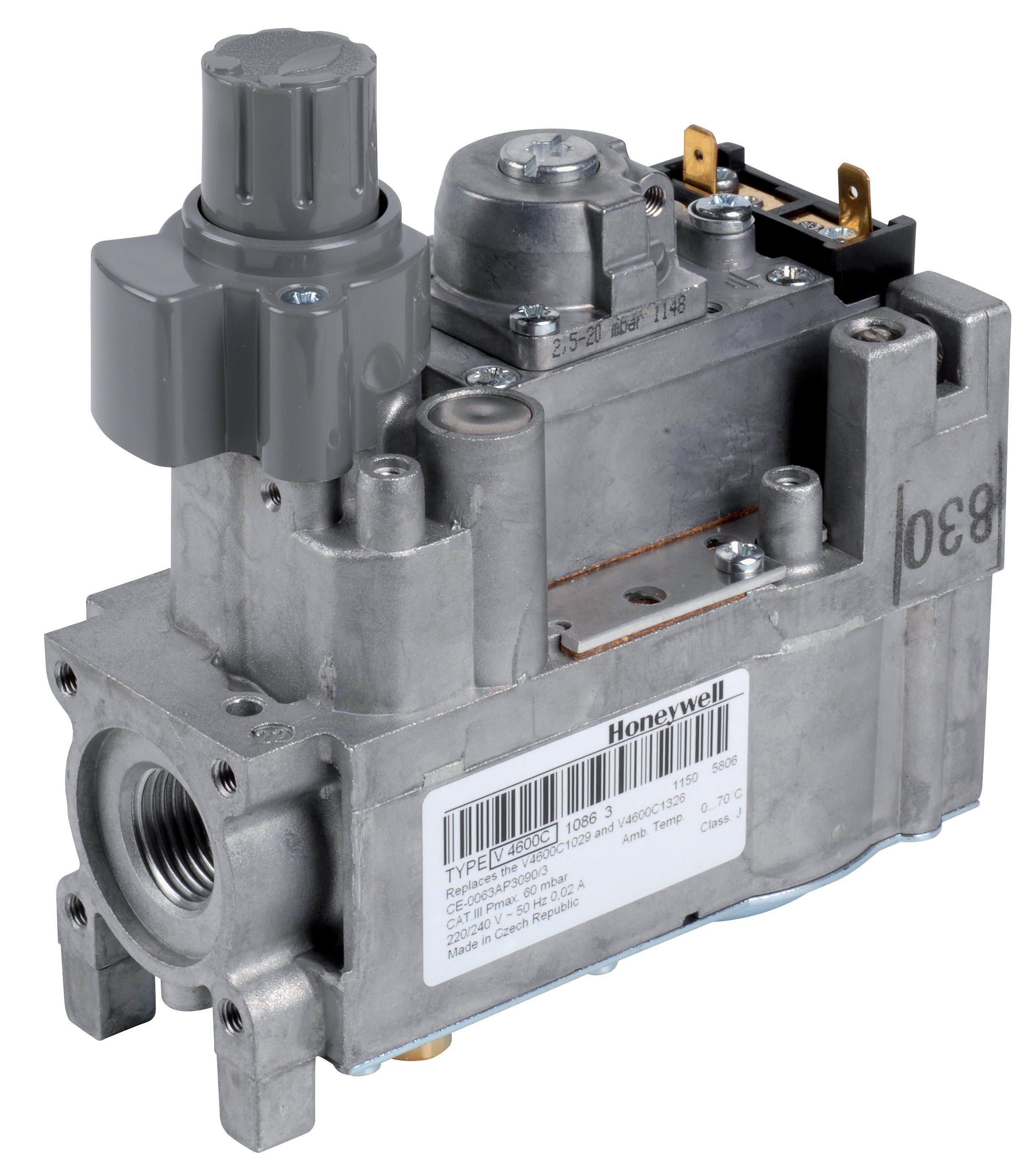
Gas block systems like the Honeywell Gas block VK 4105 C 1041 U demand meticulous pilot adjustment. Set pilot gas flow to the manufacturer-specified range (typically 1.2-1.5 bar) using a manometer connected to the pilot pressure test point. Many contractors rely on visual flame assessment, but pilot flame size varies with line pressure, blockages, and regulator condition. Undersized pilot flames cause intermittent ignition; oversized pilots waste fuel and create flame instability.
Electrical safety interlocks must be tested with actual flame conditions, not simulated signals. When the Pactrol Housing P 16 DI CE flame control module energizes, introduce a small pilot flame and verify that the safety relay holds the main fuel solenoid open for a minimum of 3 seconds before accepting flame signal. This safety margin prevents rapid cycling if momentary flame loss occurs.
Seasonal Maintenance Protocols for Singapore's Climate
Singapore's year-round warm, humid environment accelerates component wear compared to temperate regions. HVAC contractors must implement aggressive preventive maintenance schedules to maintain Controls & Safety system reliability.
Monthly inspection rounds should include visual assessment of all electrical connections for corrosion or moisture accumulation. Clean conduit entry points and cable gland seals monthly rather than quarterly. In coastal areas, apply dielectric grease to all terminal connections and relay sockets every six months to block moisture infiltration. This simple procedure extends relay life from 3-4 years to 6-8 years in tropical conditions.
Pressure switch testing requires seasonal adjustment. The Kramschroder DG 50U/6 and similar pressure switches exhibit creep—gradual setpoint drift over time. Quarterly bench-testing against known-accurate calibrated gauges prevents unexpected failures. Most Singapore contractors operate on annual service cycles that are insufficient; monthly pressure verification for critical safety devices costs minimal labor but prevents catastrophic system failures.
Flame detection system maintenance is where tropical conditions create the greatest challenges. UV sensors accumulate dust, salt deposits, and insect residue in Singapore's environment. Clean UV windows weekly (not monthly) using soft lint-free cloths and isopropyl alcohol. Ionization sensors require annual replacement rather than the two-year interval specified in temperate-climate service manuals. The mineral deposits in Singapore's air degrade ionization rod electrodes rapidly.
The Pactrol Housing P 16 DI CE flame control module operates at high voltage (12 kV) and generates significant heat. Ensure adequate enclosure ventilation—the desiccant breather that protects the enclosure from humidity must be replaced monthly in Singapore rather than quarterly. If desiccant breathers aren't maintained, accumulated moisture causes high-voltage tracking and component failure.
Troubleshooting Controls & Safety Systems: Practical Diagnostic Procedures
When Controls & Safety systems malfunction in the field, contractors must follow systematic diagnostic procedures to identify root causes quickly. Singapore's service environment demands fast resolution because extended downtime cascades across connected HVAC and industrial processes.
Start diagnosis by documenting the exact symptom: Does the system fail to ignite, shut down after ignition, or operate intermittently? Each symptom pattern narrows diagnostic focus. Ignition failure typically indicates pilot blockage, pressure switch malfunction, or electrical circuit defect. Shutdown after ignition usually signals flame loss detection or safety interlock issues. Intermittent operation often reflects thermal drift or contamination affecting flame sensors or pressure transducers.
For ignition failures with the Kromschroder Relay BCU 570WC1F1U0K1-E, verify that the intermittent/continuous pilot mode matches the actual burner configuration. Many installations default to continuous pilot mode, which locks out if flame loss exceeds 2 seconds during operation—a common issue in buildings with fluctuating air supply pressure. Switch to intermittent pilot mode for systems with variable air dampers or outdoor air integration.
Pressure switch diagnosis requires procedural discipline. Don't rely on electrical continuity tests alone—pressure switches can show electrical continuity while the actual switching setpoint drifts outside acceptable ranges. Disconnect the pressure switch from the control circuit, connect a known-accurate pressure gauge to the switch port, and slowly increase pressure from atmospheric. Record the exact pressure where the switch contacts close and open during both rising and falling pressure cycles. Compare these values to manufacturer specifications. If drift exceeds ±0.1 bar, replace the switch—attempting recalibration in field conditions rarely succeeds.
Flame detection troubleshooting with the Siemens Relay LFL 1.622 requires understanding that UV sensor output degrades progressively. Don't wait for complete sensor failure; most sensors become unreliable when output falls below 3-5 microamps during flame exposure. Use the relay's built-in flame signal monitoring feature to check UV sensor current—if the reading is marginal, replace the sensor immediately rather than waiting for a lockout event.
The Honeywell Gas block VK 4105 C 1041 U regulator malfunction is often misdiagnosed. Before replacing the block, verify that inlet pressure remains stable and that the proportional control signal voltage actually modulates (should vary 0-10V as demand changes). If the voltage is static, the fault lies in the control circuit, not the block itself. Many contractors waste time replacing working gas blocks because they don't verify signal input.
For intermittent operation patterns, establish a timeline log documenting when failures occur relative to time of day, ambient temperature, and operational load. Intermittent failures that occur during morning startup often indicate overnight thermal contraction affecting pressure switch setpoints. Failures that occur during peak afternoon heat suggest thermal drift in relay circuits or flame sensor output degradation. This pattern analysis guides targeted component replacement rather than shotgun replacement of entire control systems.
Compliance and Documentation for Singapore Operations
Singapore's regulatory framework requires careful documentation of all Controls & Safety modifications and maintenance. The Economic Development Board (EDB) and Building and Construction Authority (BCA) standards mandate that control system changes be documented with certification that modifications maintain compliance with EN 746-2 and EN 676 standards.
Maintain detailed records for every installed system: Original commissioning reports with pressure switch settings, flame detection verification results, and electrical safety test results. Document all maintenance performed with dates, actions taken, and component serial numbers. When components like the Kromschroder DG 50U/6 are replaced, retain records showing the old component's serial number, installation date, removal date, and reason for replacement.
For any modifications to Controls & Safety logic or component replacements that affect system operation, document the change with before/after photographs, revised wiring diagrams, and re-commissioning test results. Singapore's regulatory environment increasingly requires evidence that modifications maintain the original safety integrity level (SIL 3 for critical applications).
3G Electric maintains a 35+ year track record as a trusted distributor of industrial equipment in Singapore and Southeast Asia. Our technical team can provide specification verification and compatibility confirmation when you're planning Controls & Safety modifications or replacements. Contact us for support in selecting components that maintain regulatory compliance while addressing your specific installation challenges.