Understanding Controls & Safety: Electrical Interlocking Architecture
Controls & Safety systems in modern industrial burner installations depend critically on proper electrical interlocking—a design approach that uses relay logic, control units, and safety devices to prevent hazardous operating sequences. In Singapore's industrial landscape, where equipment operates in high-humidity, corrosive environments and must comply with stringent safety regulations, understanding interlock architecture is essential for maintenance technicians, plant engineers, and system designers.
Electrical interlocking works by creating logical gates that must be satisfied before the combustion process can proceed. Unlike simple on-off controls, interlocking systems enforce a specific sequence: air intake verification → fuel preparation → ignition attempt → flame detection → stable operation → shutdown protocols. Each stage has defined electrical conditions that must be met, preventing transitions to the next stage if preconditions fail.
With 35+ years of experience supplying industrial equipment to Southeast Asian operations, 3G Electric understands that interlocking failures account for approximately 40% of burner-related incidents in industrial facilities. Proper design and component selection directly impact operational safety, regulatory compliance, and equipment longevity.
Sequence Logic and Component Integration
A typical safety interlock sequence in Singapore industrial applications follows this logical structure:
Pre-Purge Phase: Before ignition is permitted, the burner must execute a timed air purge to clear any accumulated fuel vapor. The air damper control motor must reach a verified open position. This stage typically uses a Kromschroder Relay BCU 570WC1F1U0K1-E, which monitors multiple input signals and coordinates the opening sequence. The relay unit verifies air damper position through limit switches and prevents fuel valve energization until purge requirements are satisfied—a critical safety function in confined spaces where vapor accumulation poses explosion risks.
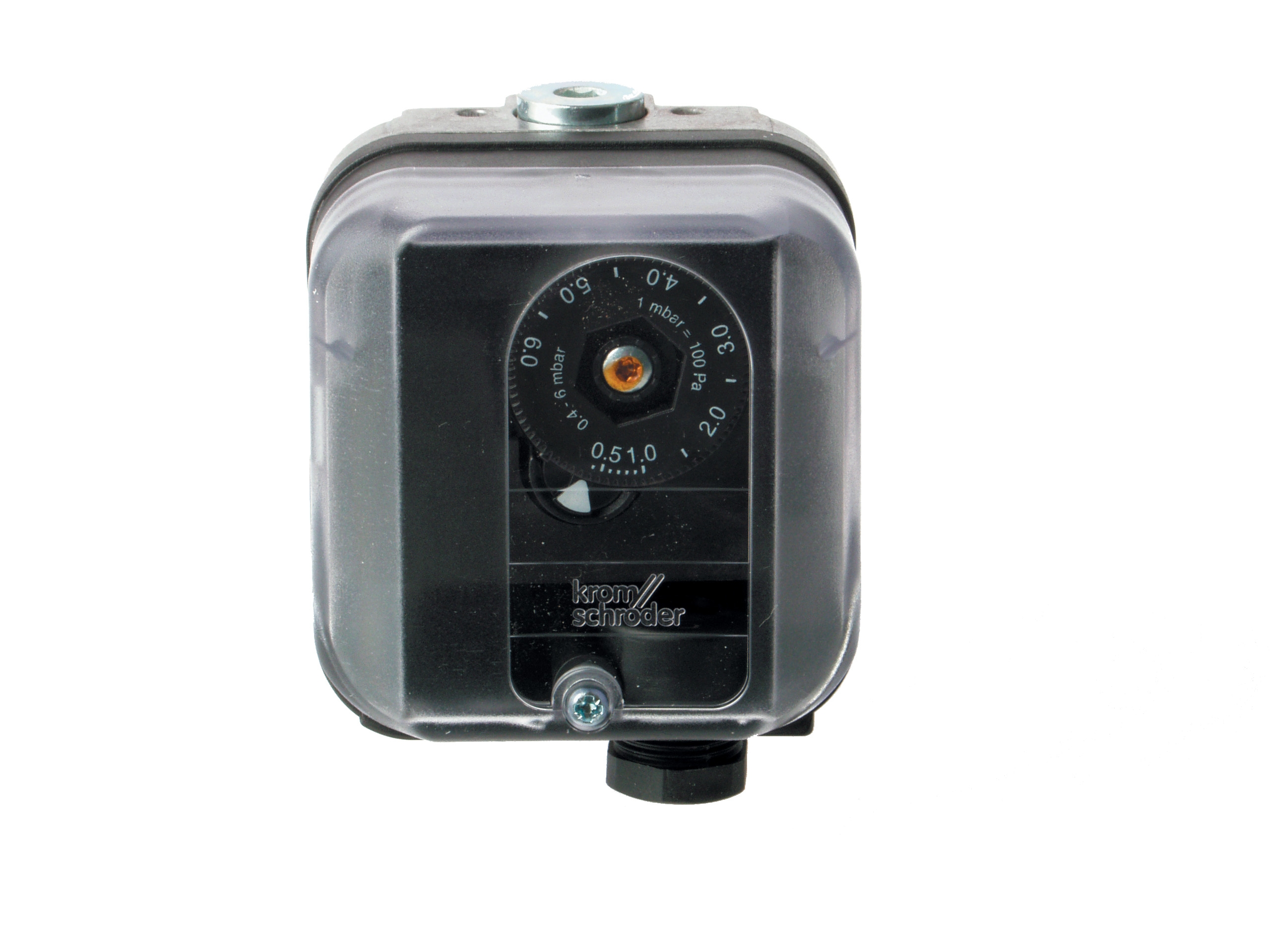
Fuel Preparation Stage: Once purge completion is confirmed through timer logic, the system permits fuel supply line preparation. Pressure monitoring becomes essential here. The Kromschroder Pressure switch DG 50U/6 monitors fuel supply pressure and confirms it's within the acceptable operating band (typically 0.5-2.5 bar for gas applications). This SIL 3-rated device prevents ignition attempts if fuel pressure is insufficient or excessive. The pressure switch output provides feedback to the control relay, creating an interlock condition: ignition cannot proceed without verified fuel pressure.
Ignition Sequence: The control relay coordinates the ignition process by:
- Energizing the Pactrol Housing P 16 DI CE, which generates high-voltage ignition pulses (12 kV output, 10MJ energy) at the electrodes
- Simultaneously opening the pilot fuel valve through proportional solenoid control
- Implementing a timed ignition window (typically 3-5 seconds) during which flame must be detected
The Pactrol module operates at 230V supply (standard in Singapore industrial facilities) and provides the high energy density required for reliable spark generation in humid conditions and with fuel quality variations common in the region.
Flame Detection and Validation: This is where modern Controls & Safety systems diverge most significantly from older designs. The Siemens Relay LFL 1.622 features both UV and ionization flame monitoring capabilities, providing redundant detection methods. The dual-sensor approach is critical in Singapore because:
- UV Sensors respond to ultraviolet radiation from the flame, with response times of 10-100ms
- Ionization Sensors detect ionized gas particles in the flame, with response times of 50-200ms
The Siemens relay logic accepts flame signal input, validates it against programmed thresholds (preventing false ignition from ambient light reflection or transient electrical noise), and locks the fuel valve open only if flame presence is confirmed. The relay automatically terminates the ignition pulse once flame is detected, preventing electrode erosion.
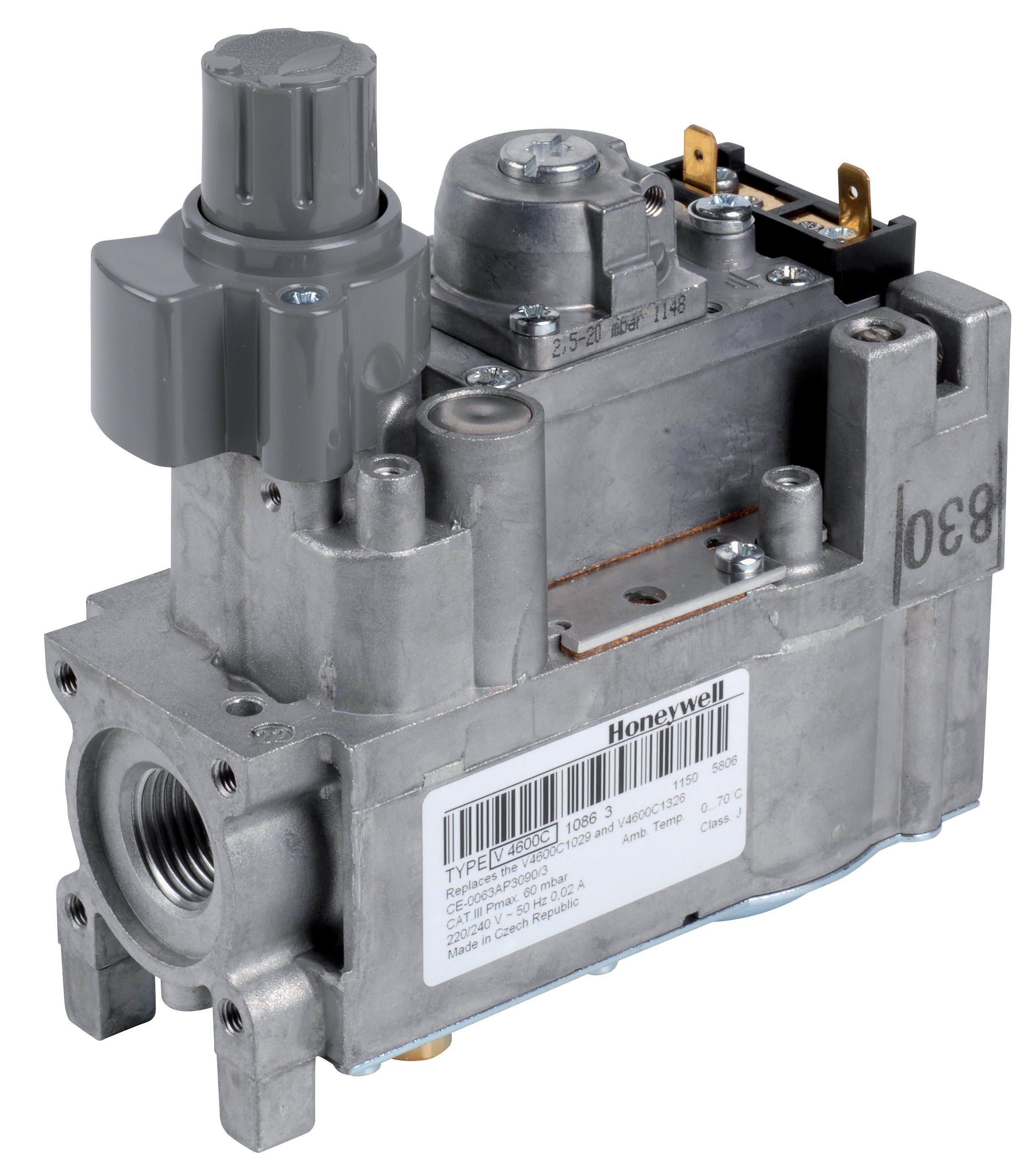
Main Fuel Valve Control: Once pilot flame is confirmed, the system must transition the fuel supply to main burner operation. The Honeywell Gas block VK 4105 C 1041 U serves as the proportional fuel modulation element. This electric modulating pressure regulator accepts feedback signals from the control relay and adjusts gas flow to match firing demand. The device features M8 x 1 pilot connection and M5 pressure feedback threading, enabling precise flow control over the range from 5% to 100% firing rate.
Interlock Fault Conditions and Safety Response
Proper Controls & Safety architecture must address failure modes at every stage:
Pre-Purge Failure: If the air damper doesn't reach the verified open position within the programmed window (typically 60 seconds), the control relay must reset to safe state—fuel valves de-energized, ignition disabled. This prevents ignition in a closed-burner configuration where combustion products cannot escape.
Pressure Loss During Operation: Should the fuel pressure drop below minimum threshold (detected by the Kromschroder DG 50U/6), the pressure switch deenergizes the burner control relay in less than 50ms. This prevents lean-flame conditions where combustion becomes unstable and can produce harmful emissions.
Flame Loss: The most critical interlock condition. If the Siemens LFL 1.622 loses flame signal for more than 100ms during normal operation, the control sequence immediately shuts down fuel supply and attempts one automatic restart cycle. If flame is not reestablished, the system locks out—requiring manual reset to prevent continuous restart attempts (which would flood the firebox with unburned fuel).
Air Intake Obstruction: Some advanced systems incorporate pressure differential monitoring across the air intake to detect filter blockage or intake louver closure. This interlock prevents flame loss due to insufficient combustion air supply.
Regulatory Compliance and Singapore Standards
Singapore's Factories Act and the WSH (Hazardous Process) Regulations specify that burner control systems must comply with EN 746-2 (safety-related control systems) and EN 676 (safety control devices for gas burners). The components referenced above all maintain these certifications:
- Kromschroder BCU 570WC1F1U0K1-E: EN 746-2, EN 676 compliant
- Kromschroder DG 50U/6: SIL 3, Performance Level e per EN 13849-1
- Siemens LFL 1.622: EN 746-2 certified with UV/ionization redundancy
- Honeywell VK 4105 C: Modulation-rated for proportional burner control
When designing or retrofitting interlock systems in Singapore, ensure that:
1. All safety-critical components maintain current certification documentation
2. Control logic diagrams are submitted for review under the Major Hazard Installation framework if applicable
3. Technicians performing maintenance are trained on the specific relay logic sequence
4. Pressure test points are installed at standardized locations per EN 746-2 Annex F
Practical Implementation Considerations
Environmental Factors: Singapore's tropical climate creates specific challenges. High humidity accelerates electrical corrosion, making sealed relay modules essential. Vapor-tight connectors and M20 cable glands rated for IP67 or higher protect electrical terminals from moisture ingress. The Pactrol Housing P 16 DI CE incorporates sealed electronics specifically designed for humid industrial environments.
Fuel Supply Variations: Local gas supply from PUB (Public Utilities Board) or private LPG suppliers may exhibit pressure fluctuations due to network demand. Configuring the pressure switch DG 50U/6 with a 0.3 bar hysteresis band (e.g., lockout at 0.4 bar, reset at 0.7 bar) prevents nuisance shutdowns from minor pressure ripple while maintaining safety.
Maintenance Access: Design interlock systems with diagnostic access in mind. Install pressure gauges at test points, provide terminal blocks for troubleshooting probe connection, and label limit switch positions clearly. This enables technicians to verify each interlock condition independently without disassembling the control module.
Component Redundancy: For critical applications (e.g., heating systems in pharmaceutical manufacturing), consider redundant pressure switches and dual-channel flame detection. The Siemens LFL 1.622's integrated UV+ionization approach provides inherent redundancy within a single unit, simplifying architecture while maintaining safety integrity level targets.
Troubleshooting Interlock Faults
Common interlock failures in Singapore installations:
- "Lockout after 30 seconds": Typically indicates flame loss due to pilot fuel starvation (check fuel filter, pressure regulator pilot line blockage) or flame detector window fouling (carbon deposits from incomplete combustion)
- "Air damper won't reset": Motor may be jammed by debris (inspect intake for contaminants), or limit switch contacts corroded (apply dielectric grease after cleaning)
- "Pressure switch hunting" (cycling on/off): Fuel regulator oscillation (install pulsation damper), insufficient filter area (upgrade filter element size), or pressure switch setpoint too close to system operating pressure (recalibrate with 0.2-0.3 bar safety margin)
3G Electric's technical support team can assist with pressure test documentation and component replacement during maintenance windows—contact our Singapore operation for on-site diagnostic support.
Conclusion
Controls & Safety electrical interlocking transforms combustion systems from simple fuel-and-air mixtures into intelligent sequences that prevent dangerous operating conditions. By understanding the logical progression from pre-purge through flame confirmation, selecting components rated for Singapore's compliance framework and climate conditions, and implementing proper maintenance protocols, plant operators can achieve reliable, safe burner operation.
The foundation of modern interlock architecture—using specialized relays like the Siemens LFL 1.622, pressure switches like the Kromschroder DG 50U/6, and coordinated solenoid control through devices like the Honeywell VK 4105—represents engineering best practice developed over decades of industrial safety evolution. Proper implementation of these principles directly contributes to workplace safety, regulatory compliance, and operational efficiency.