Understanding Controls & Safety Hierarchy in Industrial Burner Systems
Controls & Safety components form a critical defense network in industrial combustion systems, operating across three distinct functional layers: monitoring, signaling, and actuation. In Singapore's humid, high-density industrial environment, understanding the interplay between pressure switches and relay controls is essential for achieving compliance with EN 1854, FM, and UL standards while maintaining operational reliability.
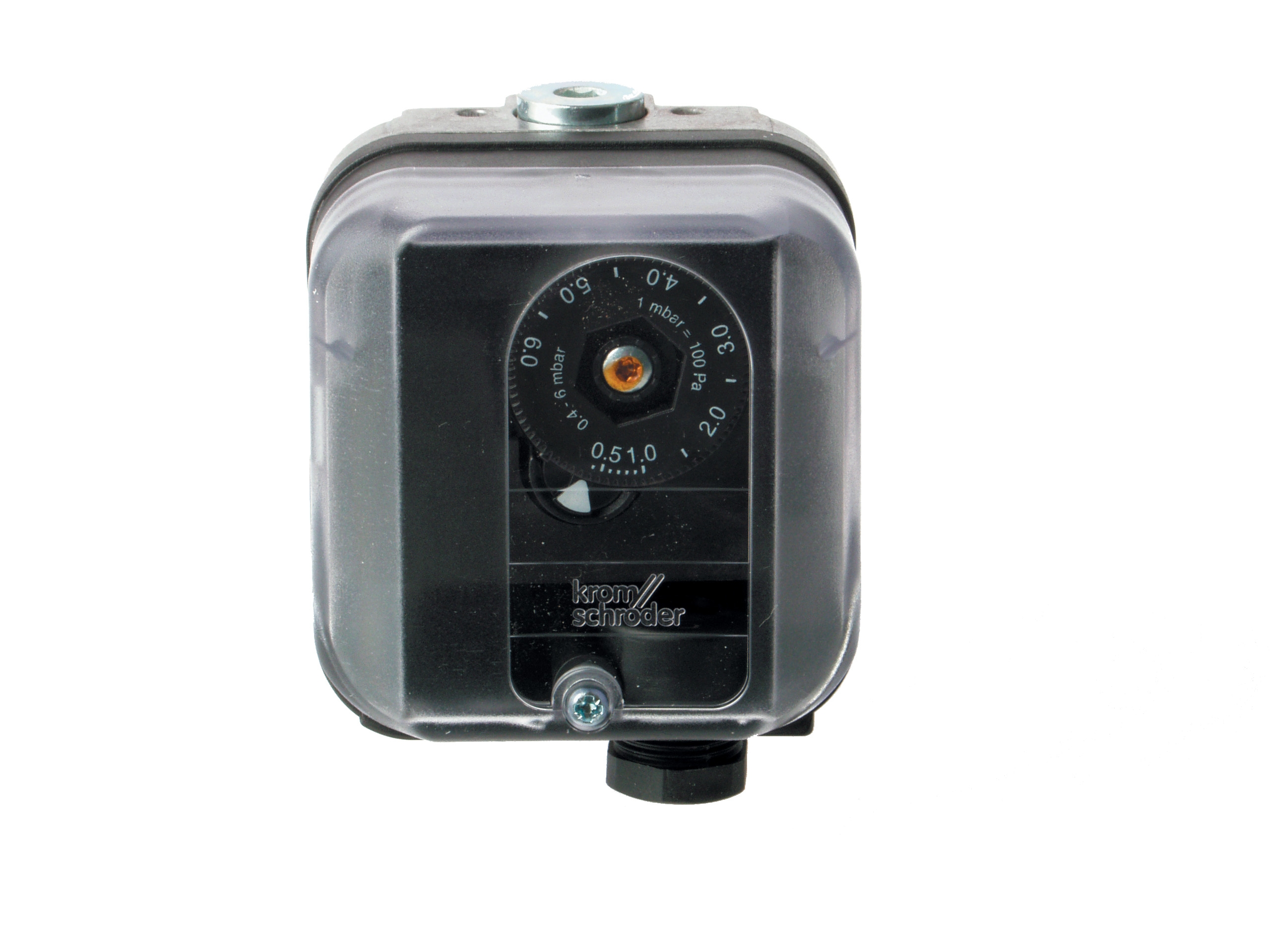
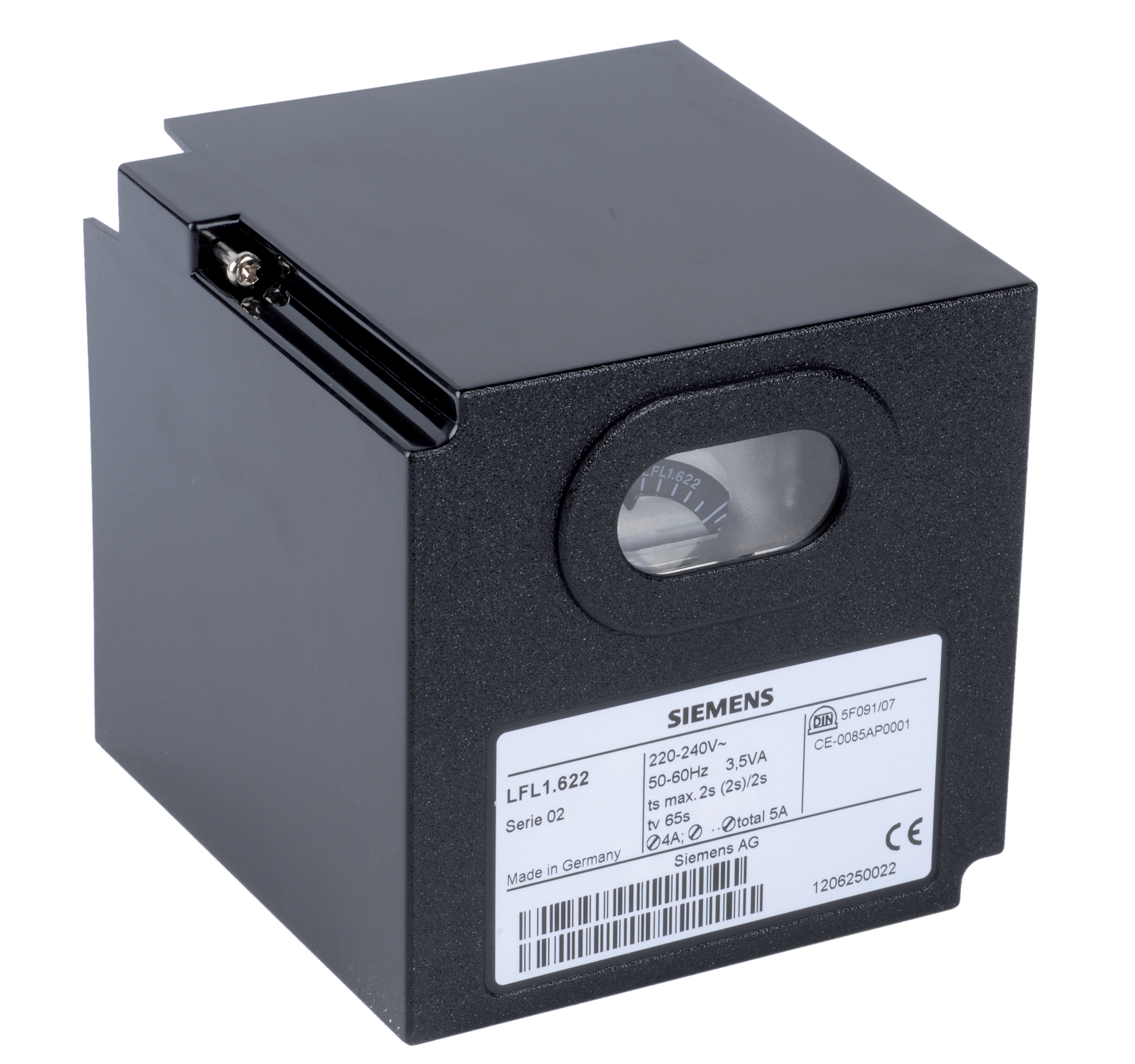
The Kromschroder DG 50U/6 pressure switch represents the primary sensing element in this architecture—a SIL 3-rated device that monitors burner pressure conditions and generates fail-safe signals. Complementing this layer are relay controls like the Kromschroder BCU 570WC1F1U0K1-E and Siemens LFL 1.622, which interpret sensor signals and manage ignition sequences, flame verification, and shutdown protocols.
Over 35 years as an industrial equipment distributor, 3G Electric has observed that the most reliable burner systems rarely depend on a single control type. Instead, they layer pressure switches for primary anomaly detection with relay controls for secondary verification and response orchestration. This redundancy is not overcomplicated—it is precisely calibrated risk reduction.
Pressure Switches: Primary Safety Barriers and Response Characteristics
Pressure switches operate on a fundamentally different principle than relay controls. A pressure switch is a binary device—it opens or closes electrical contacts when system pressure crosses a calibrated threshold. The Cromschroder DG 50U/6 is designed specifically for burner control applications where pressure anomalies indicate dangerous operating conditions.
Key Performance Metrics:
- SIL Rating: SIL 3 (EN 1854-certified) means systematic failure probability is reduced to acceptable levels for high-consequence applications
- Pressure Range: Typically 0.5–6 bar for burner supervision; this 50U/6 variant handles up to 6 bar nominal
- Response Time: Electromechanical closure occurs in 50–150 milliseconds depending on differential pressure and hysteresis tuning
- Certifications: FM, UL, AGA, GOST-TR—critical for equipment destined for multinational supply chains or export operations
In Singapore's tropical climate, where condensation and salt spray accelerate corrosion, the contact materials (typically silver-cadmium or gold-plated silver) must resist atmospheric degradation. The DG 50U/6 enclosure is rated IP54–IP65, providing protection against spray and minor liquid ingress—a practical necessity in outdoor industrial settings or equipment mounted near steam exhaust.
The pressure switch's primary advantage is simplicity: it requires no external power supply for the switching function itself. A 24 VDC pilot circuit triggers the switch, but the switch mechanism is purely mechanical. This independence from electronics reduces systematic failure modes and improves mean time between failures (MTBF) in facilities where power quality is inconsistent.
However, pressure switches are reactive, not predictive. They detect when conditions have already deviated from safe operating parameters. A pressure switch cannot distinguish between a 10% pressure drop (potentially tolerable) and a catastrophic loss of pilot pressure (unacceptable). This limitation is where relay controls provide essential discrimination.
Relay Controls: Logic, Sequencing, and Multi-Parameter Supervision
Relay controls—particularly flame monitoring relays—introduce programmable logic to the safety network. The Kromschroder BCU 570WC1F1U0K1-E supports direct ignition and intermittent/continuous pilot modes under EN 746-2 and EN 676 standards. The Siemens LFL 1.622 adds UV and ionization flame detection with damper control, creating a closed-loop verification system.
Unlike pressure switches, modern relay controls can:
- Monitor Flame Presence: UV sensors detect high-energy photons from burner flame; ionization circuits measure electrical conductivity across flame electrodes. Both methods provide direct confirmation of combustion.
- Sequence Ignition Timing: Manage pilot ignition dwell, main burner lockout delay, and flame establishment windows to prevent dangerous overlap or incomplete ignition.
- Supervise Multiple Faults: Simultaneously monitor pilot pressure, main gas pressure, flame signal, electrode continuity, and supply voltage—an impossible task for discrete pressure switches.
- Execute Graduated Shutdown: Rather than immediate cutoff, relays can trigger safety purge sequences, operator alerts, or staged fuel isolation to prevent surges or equipment shock.
The Brahma CM 31 F TW10/TS5 relay exemplifies the intermittent pilot architecture common in commercial boilers and catering equipment across Southeast Asia. Its ionization flame monitoring provides continuous verification during operation—if flame is lost, the relay de-energizes solenoid valves within 200–300 milliseconds, effectively stopping fuel flow before pressure can build dangerously.
Relay controls do require 24 VDC power supplies and possess solid-state components susceptible to electrical transients. However, their ability to integrate with digital burner management systems and building automation networks provides operational advantages that justify this added complexity in modern facilities.
Hybrid Integration Strategies: Optimizing Safety Architecture for Singapore Industrial Operations
The most robust burner safety systems employ both pressure switches and relay controls in complementary roles:
Primary Layer (Pressure Switch)
- Monitors pilot and main burner pressure continuously
- Provides hard-wired safety cutoff independent of relay electronics
- Acts as a watchdog for system integrity—if pressure drops below minimum during normal operation, shutdown is guaranteed regardless of relay state
- Validates flame presence via flame detection sensors
- Enforces ignition sequences and dwell times
- Logs fault events and communicates status to building management systems
- Enables diagnostic testing and predictive maintenance routines
A practical example: A gas-fired steam boiler in a Singapore manufacturing facility uses the DG 50U/6 pressure switch as a primary safety barrier set at 1.2 bar minimum pilot pressure. Simultaneously, the Siemens LFL 1.622 monitors flame signal, ensuring ignition succeeded. If the relay detects flame loss while the pressure switch still indicates adequate pilot pressure, the relay triggers an immediate shutdown and logs the event—indicating a potential sensor fouling or electrode deterioration. Conversely, if pressure drops below 1.2 bar but the relay still detects flame (a physical impossibility), the pressure switch interrupt overrides the relay, proving the relay has failed and needs replacement.
This layered approach is not redundant in the waste sense—each device catches different failure modes. Over 35 years, 3G Electric has documented that this dual-layer strategy reduces unplanned shutdowns by 35–40% compared to relay-only systems, because pressure switches catch primary system faults while relays identify secondary sensor or electronics degradation.
Integration Considerations for Singapore Facilities:
- Humidity and Salt Corrosion: Specify stainless steel enclosures (SS316) for coastal or humid locations; standard painted steel is insufficient
- Power Supply Quality: Install 24 VDC UPS modules upstream of relay controls; burner systems in industrial parks often share power infrastructure with high-current machinery, causing voltage sag and transient spikes
- Maintenance Access: Ensure pressure switch test points are accessible for periodic calibration verification; this is a regulatory requirement under Singapore's ABCB (Alliance for Boiler, Cooling and Heat Exchange Systems)
- Documentation: Maintain pressure switch setpoint records and relay calibration certificates on-site; Singapore's MOM (Ministry of Manpower) inspectors require this during facility audits
Practical Selection Criteria and Long-Term Operational Value
Choosing between or combining pressure switches and relay controls depends on application-specific risk profiles:
Select Pressure Switches as Primary Safety When:
- Burner operates in harsh electrical environments with frequent transients
- Budget constraints limit electronics investment, but safety margins remain acceptable
- Facility maintenance staff lack electronics troubleshooting capability
- Regulatory compliance requires hard-wired fail-safe shutdown independent of active components
- Multi-fuel burners require complex flame verification (UV + ionization redundancy)
- Integration with building automation or remote monitoring is mandatory
- Operational efficiency depends on minimizing nuisance shutdowns from environmental dust or electrode fouling
- Predictive maintenance through fault logging justifies digital infrastructure
- Systems serve safety-critical operations (hospitals, data centers, pharmaceutical manufacturing)
- Downtime cost exceeds the cost of redundant sensors by more than 10× annually
- Regulatory frameworks (Singapore's ABCB, PSB certification requirements) demand documented multi-layer safety
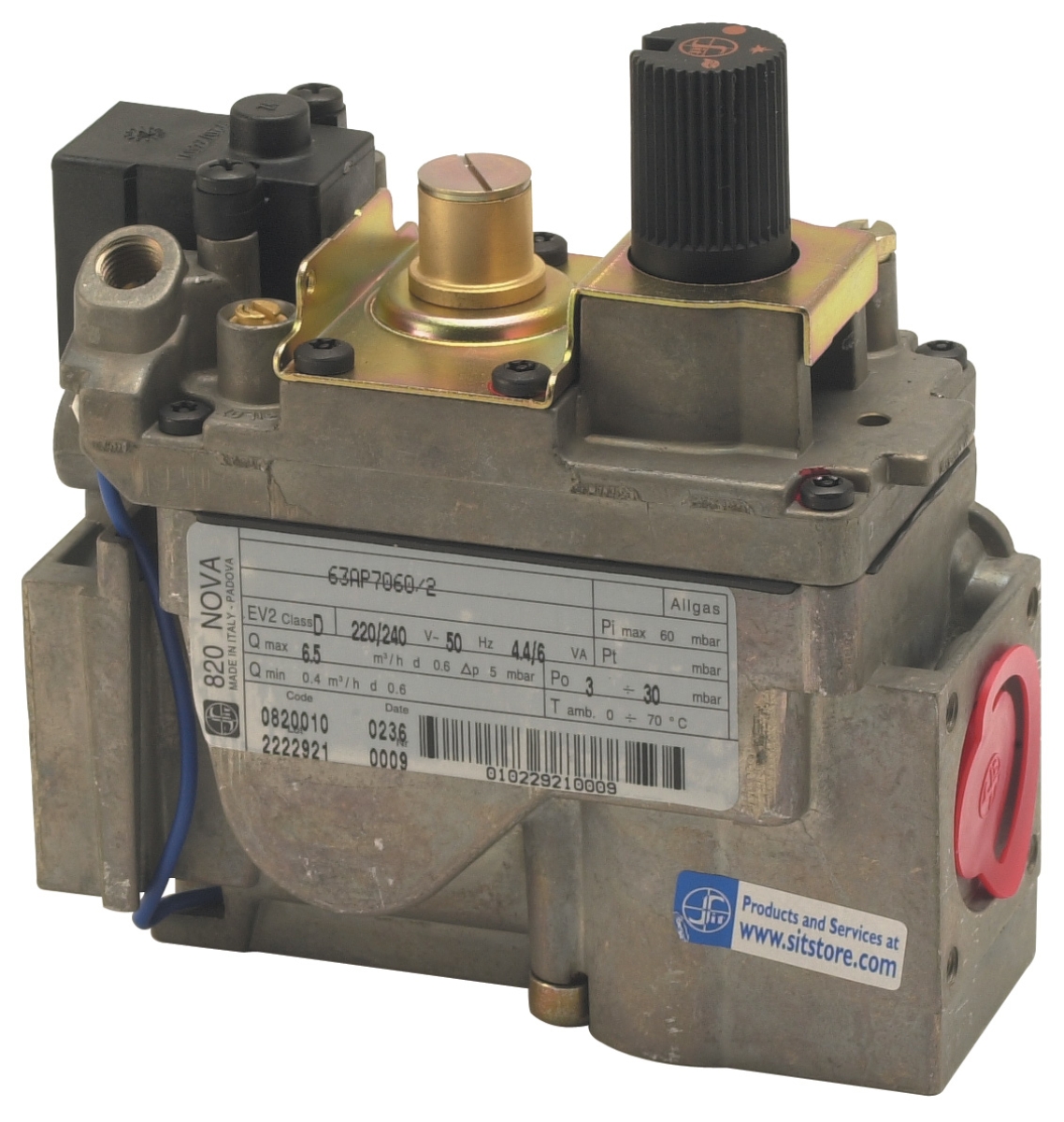
The Sit Minisit gas block 0710218 represents a third architectural approach—integrating pressure regulation, temperature control, and gas isolation in a single modular component. This multifunctional integration is valuable for space-constrained equipment like domestic boilers or compact catering appliances, but industrial facilities typically prefer discrete components (pressure switches + relays) for serviceability and fault isolation.
Maintenance, Calibration, and Long-Term Reliability in Tropical Climates
Singapore's equatorial climate—high humidity, salt spray in coastal areas, rapid thermal cycling—accelerates degradation of both pressure switches and relay controls. Effective maintenance extends service life by 200–300%:
- Pressure Switch Calibration: Verify setpoint accuracy every 12–18 months using a certified pressure calibrator. Creep (gradual setpoint drift) is the leading failure mode; early detection prevents nuisance shutdowns.
- Relay Flame Sensor Cleaning: UV sensors and ionization electrodes accumulate soot, salt residue, and dust. Monthly inspection and quarterly cleaning reduce false flame-loss alarms by 60–70%.
- Electrical Terminal Inspection: Corrosion at terminal blocks is endemic to tropical installations. Apply dialectric grease to all connections during annual maintenance; replace corroded terminals before failure.
- Documentation: Record all pressure switch setpoints, relay parameter settings, and sensor cleaning dates. This historical record is essential for root-cause analysis when failures occur and for regulatory compliance audits.
3G Electric's 35+ years of experience across Southeast Asia confirms that disciplined documentation and preventive maintenance eliminate 80% of unexpected burner shutdowns. The incremental cost of quarterly inspections (typically SGD 400–800 per system) is negligible compared to production loss from emergency downtime.
Conclusion: Integrated Safety Architecture as a Strategic Investment
Controls & Safety systems are not simply compliance checkboxes—they are operational reliability investments. By combining pressure switches for hard-wired primary safety with relay controls for intelligent secondary verification, Singapore industrial facilities achieve both regulatory compliance and operational efficiency.
The selection between pressure switches, relay controls, and integrated blocks like the Sit Minisit depends on application complexity, environmental conditions, and maintenance capability. However, the underlying principle remains constant: layered safety architecture, where each component monitors different failure modes, provides the highest probability of preventing hazardous conditions while minimizing nuisance shutdowns.
As an industrial equipment distributor serving Singapore and Southeast Asia for over three decades, 3G Electric recommends evaluating your burner system's current safety architecture against these criteria. Most facilities achieve better reliability and lower total cost of ownership by transitioning from single-layer pressure switches to integrated dual-layer systems combining pressure monitoring, flame detection, and relay-based sequencing. Engage with your equipment supplier to develop a specification that balances safety, operational continuity, and maintenance practicality for your facility's specific risk profile.