Understanding Control Redundancy in Southeast Asian Industrial Environments
Controls & Safety in industrial burner systems require more than basic compliance—they demand strategic redundancy, especially in Southeast Asia's challenging operational landscape. High humidity, temperature fluctuations, and demanding production schedules mean single-point failures can cascade into costly downtime.
Redundancy architecture creates parallel control paths where backup systems engage automatically if primary systems fail. For procurement engineers specifying equipment for facilities across Singapore, Malaysia, Thailand, and Indonesia, understanding redundancy tiers directly impacts capital expenditure, maintenance costs, and operational reliability.
With 35+ years of experience distributing industrial equipment across the region, 3G Electric has observed that facilities investing in proper redundancy architectures experience 40-60% fewer unplanned shutdowns compared to single-channel configurations.
Redundancy Levels: Design Philosophy and Practical Implementation
Single-Channel vs. Dual-Channel vs. Triple-Modular Redundancy
Redundancy levels are defined by how many independent control paths operate simultaneously:
- Single-Channel: One active control path with manual override. Limited to low-risk applications. No automatic backup.
- Dual-Channel: Two independent control circuits. One primary, one standby. Automatic switchover upon primary failure. Most common for medium-risk industrial burners in Southeast Asia.
- Triple-Modular Redundancy (TMR): Three independent channels voting on control signals. Two-out-of-three logic enables continued operation even with single-component failure. Required for critical infrastructure.
Dual-channel architecture represents the optimal balance for most Southeast Asian industrial facilities. It provides high availability without the capital and maintenance complexity of triple systems.
Component Selection for Dual-Channel Systems
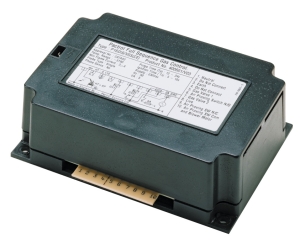
Dual-channel redundancy requires matched control relays, pressure switches, and flame detectors operating in parallel. The Kromschroder Relay BCU 570WC1F1U0K1-E exemplifies industrial-grade redundancy capability. Compliant with EN 746-2 and EN 676, this burner control relay supports both direct ignition and intermittent/continuous pilot modes—critical for Southeast Asian facilities running diverse fuel specifications and ambient conditions.
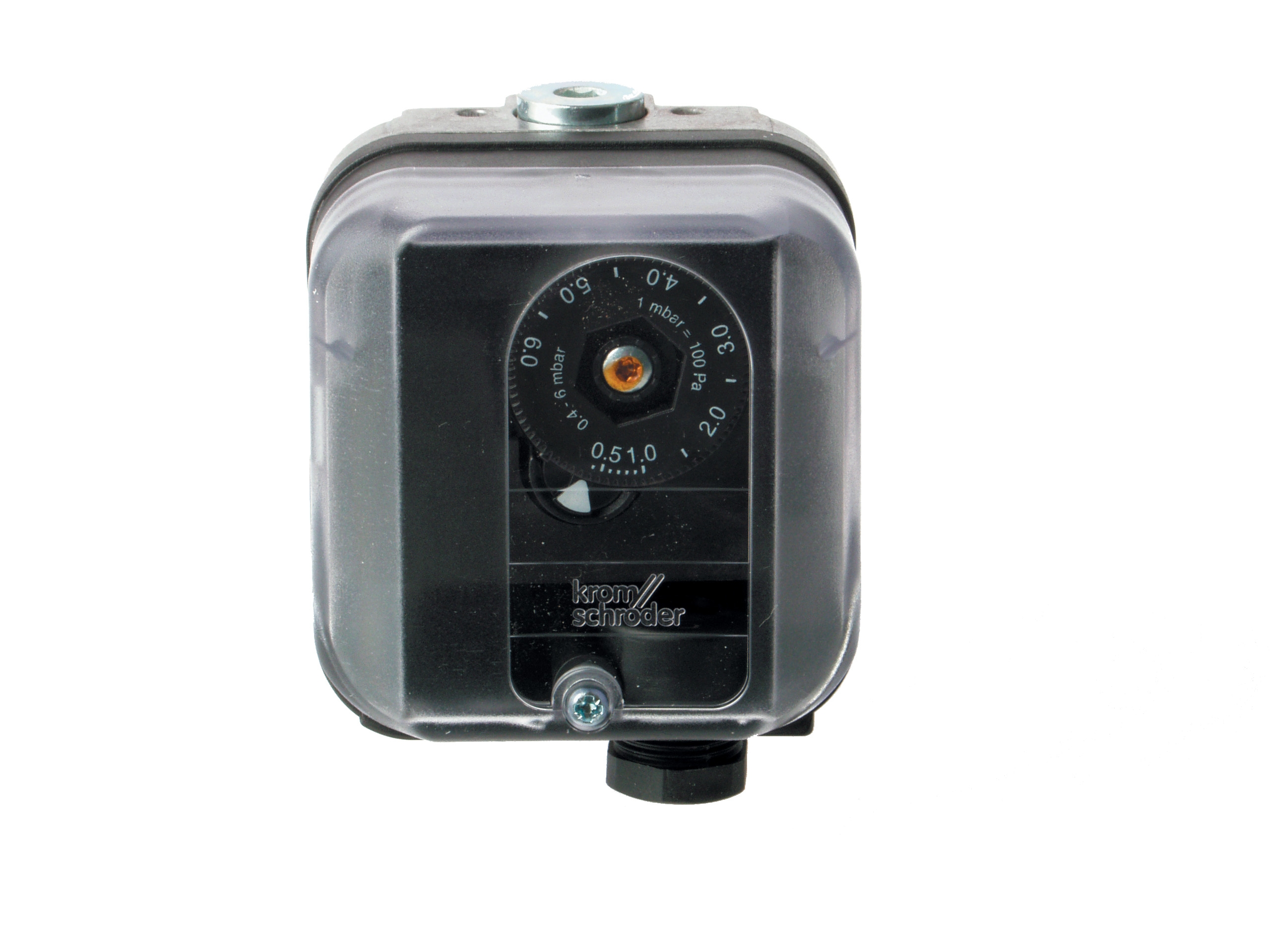
Pressure monitoring must also be redundant. The Kromschroder Pressure switch DG 50U/6 delivers SIL 3 / Performance Level e certification. When paired as a dual-channel system, two independent pressure switches provide continuous verification that gas supply pressures remain within safe operating ranges. If one pressure switch fails, the redundant unit maintains control continuity.
Flame detection represents the most critical redundancy point. The Siemens Relay LFL 1.622 incorporates both ultraviolet (UV) and ionization flame monitoring simultaneously. This dual-detection approach prevents false flame-out signals caused by single-sensor contamination—common in humid tropical environments where moisture accumulation on optical elements can trigger nuisance lockouts.
Gas Control Block Redundancy Architecture
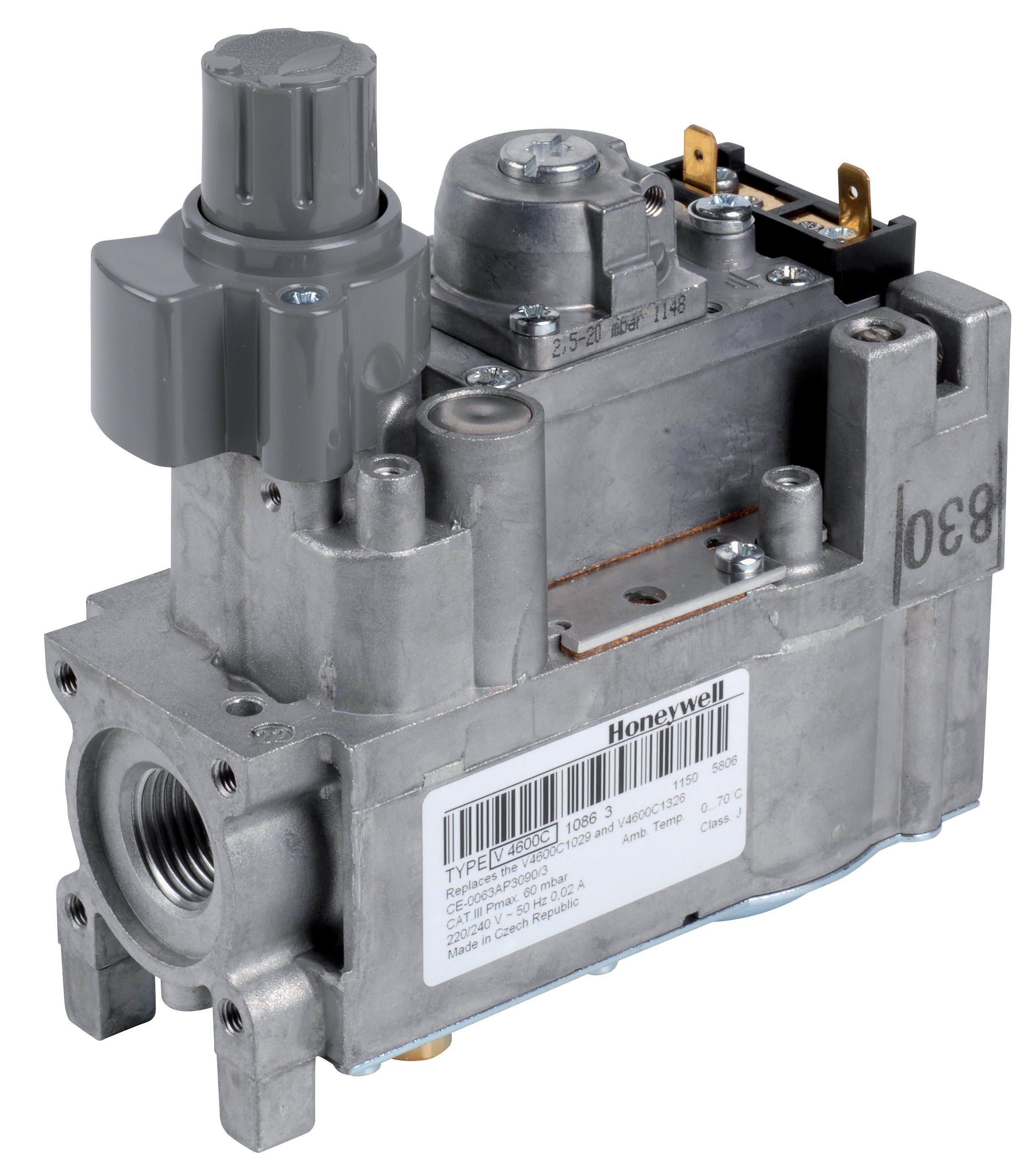
Modulating pressure regulators require special redundancy consideration. The Honeywell Gas block VK 4105 C 1041 U functions as a proportional control element in advanced burner systems. In redundant configurations, two gas blocks operate in parallel:
- Primary block regulates pilot gas pressure under normal operation
- Secondary block remains pressurized but inactive, receiving real-time feedback signals
- Upon primary block failure (internal leak, solenoid malfunction, or feedback sensor fault), secondary block assumes control within 100-200 milliseconds
This architecture requires dedicated pressure feedback transducers for each gas block and independent solenoid coils with dedicated 24VDC supply circuits.
Practical Redundancy Implementation: System Architecture Patterns
Hot-Standby Configuration
Hot-standby redundancy powers both primary and secondary control channels continuously. Both channels receive sensor inputs and execute control logic in real-time. A voting module compares outputs—if outputs diverge, the system initiates diagnostics and switches to the secondary channel.
Advantages: Fastest switchover (under 50ms), simplest diagnostics. Disadvantages: Higher power consumption, thermal stress on standby components, both channels age at similar rates (simultaneous failure risk if design defects exist).
Cold-Standby Configuration
Primary channel operates actively. Secondary channel remains powered but does not execute control logic—it only monitors primary channel status through dedicated watchdog circuits. Upon primary failure detection, the secondary channel powers up and assumes control.
Advantages: Lower power consumption, secondary channel remains fresh, reduced simultaneous failure risk. Disadvantages: Switchover delay (500ms-2 seconds), requires reliable watchdog circuit logic.
For Southeast Asian industrial applications, hot-standby configurations are preferred in critical processes (steam generation, continuous kilns) where switchover delays cannot be tolerated. Cold-standby suits batch processes and equipment with inherent thermal inertia that tolerate brief control transfer intervals.
Flame Detection Redundancy and Sensor Selection in Tropical Climates
Flame detection redundancy is non-negotiable in Southeast Asia. Humidity, salt spray (coastal facilities), and particulate contamination degrade optical sensors faster than in temperate regions.
UV + Ionization Hybrid Detection
The Siemens LFL 1.622 employs simultaneous UV and ionization detection:
- UV sensors detect flame through ultraviolet light emission. Susceptible to lens contamination and soot accumulation.
- Ionization detectors sense flame through flame-created ions in the combustion chamber. Immune to optical degradation but sensitive to air ionization from other sources.
Using both sensors together eliminates common-mode failure modes. If UV lens becomes obscured, ionization detection maintains flame monitoring. If combustion produces unusual ionization patterns (air contamination), UV detection validates true flame presence.
Sensor Maintenance Intervals in Southeast Asia
Standard maintenance recommendations (18-24 month intervals) prove inadequate in coastal Southeast Asian environments. Leading facilities implement 6-12 month inspection cycles for:
- UV window optical clarity assessment
- Electrical continuity of ionization electrodes
- Cable insulation integrity
- Connector corrosion inspection
Redundant detection architecture tolerates extended inspection intervals because single-sensor degradation does not compromise system safety—the second sensor maintains full control authority.
Ignition Redundancy and Backup Ignition Strategies
Dual Ignition Transformers
Ignition system redundancy employs parallel ignition transformers with automatic changeover. The Pactrol Housing P 16 DI CE serves as an advanced ignition module, delivering 12 kV output at 10MJ energy. In redundant configurations:
- Primary transformer provides continuous ignition during startup sequence
- Secondary transformer remains energized but inactive
- Spark continuity monitoring detects primary transformer failure (open winding, internal arc, shorted coupling)
- Automatic switchover transfers ignition load to secondary transformer within one spark cycle
This approach eliminates startup failure modes where transformer degradation prevents pilot light ignition, which would otherwise force facility shutdown.
Pilot Light Continuity Considerations
Redundant ignition systems require dual pilot burner configurations. Both pilot burners remain lit during normal operation, creating two independent pilot light sources. If one pilot extinguishes, the second maintains pilot flame. The main burner ignites from whichever pilot flame is active.
This architecture increases pilot gas consumption approximately 15-20% but guarantees main burner ignition even with single-pilot failure.
Specifying and Procuring Redundant Control Systems
For procurement engineers, redundancy specification requires clear documentation of:
1. Redundancy Level: Single, dual-channel, or triple-modular redundancy required
2. Switchover Architecture: Hot-standby, cold-standby, or voting-based switchover
3. Switchover Time Requirements: Maximum acceptable control transfer delay (50ms, 500ms, etc.)
4. Common-Mode Failure Analysis: Which single-point failures must the redundancy architecture tolerate
5. Component Aging Strategy: Whether both channels should age equally (hot-standby) or remain fresh (cold-standby)
3G Electric's 35 years of regional experience confirms that properly specified redundancy systems cost 25-35% more than single-channel configurations upfront but deliver 3-5x better operational reliability metrics and significantly lower total cost of ownership over 10-year equipment lifecycles.
When sourcing components like the Kromschroder BCU 570WC1F1U0K1-E, Kromschroder Pressure switch DG 50U/6, or Siemens LFL 1.622, specify that identical model numbers will be used for both primary and secondary channels to ensure perfect parameter matching and eliminate cross-channel compatibility issues.
Implementation Considerations for Southeast Asian Facilities
Environmental Adaptation
Redundant systems must tolerate Southeast Asian climate extremes:
- Humidity: Control enclosures require enhanced gasket specifications and desiccant cartridges rated for continuous high-humidity operation
- Temperature: Component derating curves must extend to 50-55°C ambient conditions common in summer months
- Salt Spray: Coastal facilities require conformal coating on all PCBs and stainless steel fasteners throughout redundant systems
- Power Quality: Dual-channel systems tolerate voltage fluctuations if each channel has independent surge protection and UPS-backed 24VDC supplies
Redundant systems require sophisticated operator training. Facility personnel must understand:
- How to recognize which channel is active during normal operation
- Automatic switchover procedures and switchover-initiated alarm sequences
- Manual channel selection procedures during maintenance
- Diagnostic procedures to isolate failed components
Proper training prevents operators from disabling redundancy safety interlocks during troubleshooting—a critical concern in Southeast Asian facilities where maintenance documentation is sometimes incomplete.
Testing and Commissioning
Redundant control systems require comprehensive switchover testing:
1. Primary channel operated at rated capacity while secondary channel monitors
2. Induced primary channel failures to verify automatic switchover
3. Verification that secondary channel assumes full control authority
4. Verification that alarm sequences alert operators to switchover events
5. Return-to-primary procedures tested to confirm seamless transition back to primary channel after repairs
Commissioning should involve both equipment suppliers and facility operations teams to ensure all personnel understand redundancy operation.