Understanding Controls & Safety: Ignition and Flame Monitoring in Modern HVAC Systems
With over 35 years of experience as a distributor of industrial equipment, 3G Electric has observed how critical ignition and flame monitoring technologies have become for HVAC contractors across Singapore and the region. The shift from simple pilot light systems to advanced flame detection represents one of the most significant safety evolution in burner control design.
Controls & Safety systems today must accomplish multiple tasks simultaneously: reliably ignite fuel, confirm successful ignition, monitor flame stability, and shut down the system instantly if flame is lost. The choice between different ignition and flame monitoring approaches directly impacts system reliability, response time, maintenance frequency, and regulatory compliance in Singapore's stringent industrial environment.
Direct Ignition Relays vs. Traditional Pilot-Based Systems
How Direct Ignition Relays Work
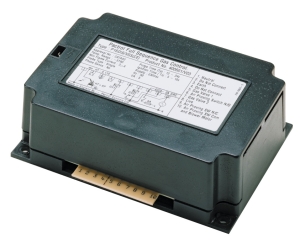
Direct ignition relays eliminate the need for standing pilot lights by igniting the main burner flame on demand. The Kromschroder Relay BCU 570WC1F1U0K1-E exemplifies this technology, supporting both direct ignition and intermittent pilot modes within a single control unit.
Direct ignition relays offer several practical advantages for Singapore contractors:
- Energy efficiency: No continuous pilot light means reduced fuel consumption, a critical factor in cost-sensitive commercial HVAC applications
- Faster response: Burners can reach operating temperature more quickly, improving system responsiveness
- Reduced emissions: Less fuel burned overall means lower emissions per operating cycle
- Dual-mode flexibility: Modern relays like the BCU 570WC1F1U0K1-E can operate in both direct ignition mode and intermittent pilot mode, allowing contractors to retrofit existing systems without complete redesign
Intermittent Pilot Mode: A Middle-Ground Approach
Intermittent pilot systems bridge traditional continuous pilots and modern direct ignition. The pilot ignites only when the burner is called for operation, then ignites the main flame. This approach offers:
- Lower energy consumption than continuous pilots
- More reliable ignition than direct ignition in some older burner designs
- Simpler troubleshooting procedures for field service teams
- Better compatibility with legacy system retrofits
For Singapore contractors servicing mixed-age HVAC portfolios, relay units supporting both modes provide maximum flexibility during system maintenance and upgrades.
Flame Detection Technologies: UV vs. Ionization Monitoring
UV Flame Detection Systems
Ultraviolet (UV) flame detection represents the most robust approach to confirming successful ignition. The Siemens Relay LFL 1.622 includes UV flame monitoring as standard, making it suitable for medium to high-power burner applications throughout Singapore's industrial sector.
UV detection works by sensing ultraviolet radiation emitted by the flame itself:
- Immediate response: UV sensors react within milliseconds of ignition, providing real-time confirmation
- Fuel-independent: Works equally well with natural gas, LP gas, or oil burners
- False-flame immunity: UV sensors ignore hot surfaces, electrical arcing, and other non-flame heat sources
- High reliability: Minimal false shutdowns once properly tuned
- Industrial-grade performance: UV sensors have proven track records in challenging environments with dust, vibration, and temperature extremes
The Siemens LFL 1.622 adds controlled air damper capability, allowing contractors to optimize combustion efficiency on variable-load applications common in Singapore's commercial buildings.
Ionization Flame Detection
Ionization monitors flame by measuring the electrical conductivity created when flame ionizes gas molecules. While less expensive than UV systems, ionization detection has become less common in new installations due to several practical limitations:
- Fuel-dependent: Ionization only works reliably with certain fuel types and burner configurations
- Slower response: Requires a brief delay before flame confirmation, delaying system response
- Sensitivity to combustion byproducts: Dusty or heavily contaminated burners produce unreliable signals
- False-flame potential: Certain electrical interference patterns can trigger false alarms
For new installations and system upgrades, most Singapore contractors now specify UV-based flame detection despite marginally higher upfront costs, due to superior reliability and easier maintenance.
Safety Control Integration: From Flame Detection to System Shutdown
Pressure Switches and Safety Interlocks
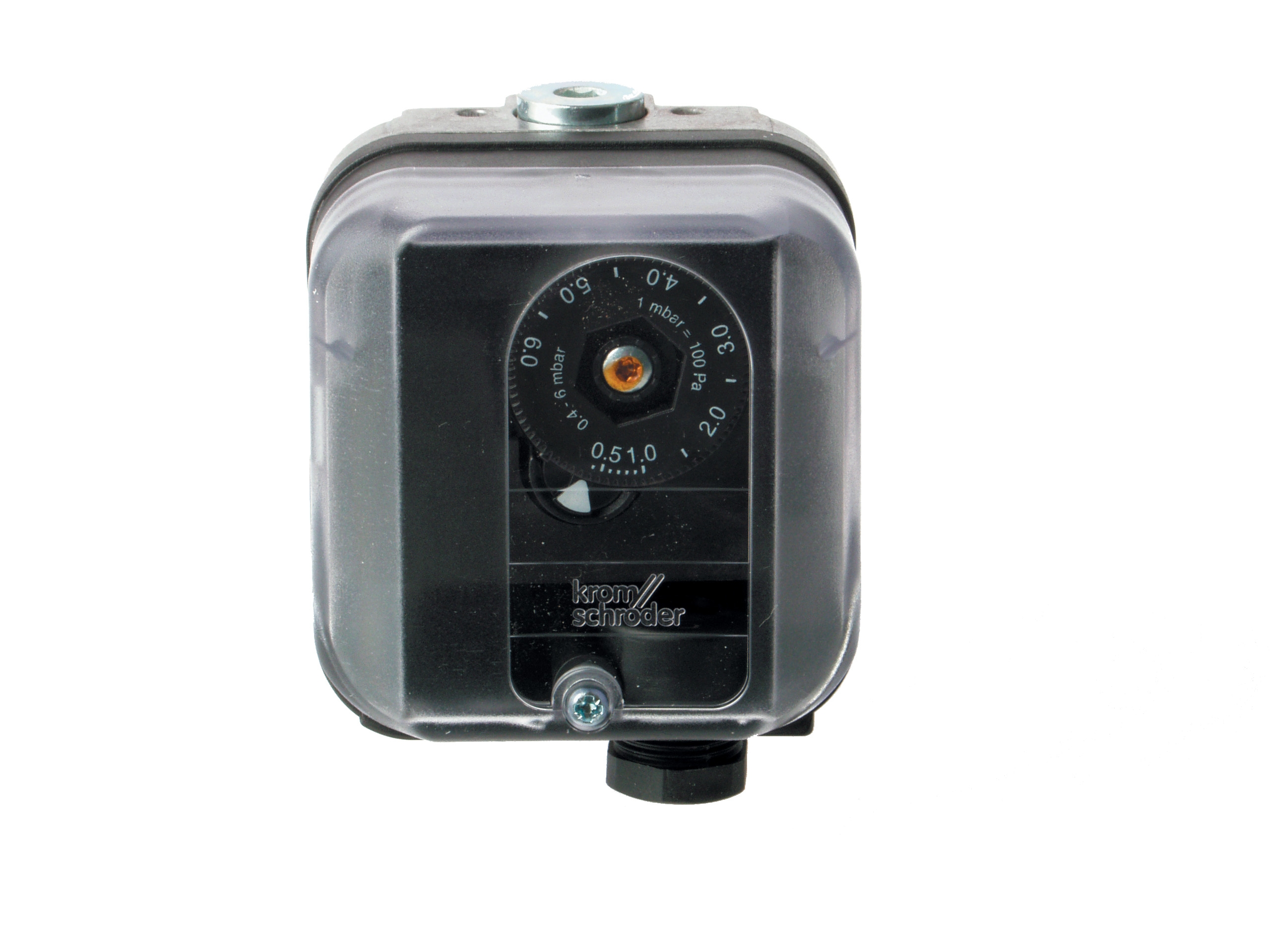
Flame detection must work in concert with pressure monitoring to create a complete safety system. The Kromschroder Pressure Switch DG 50U/6 rated SIL 3 provides the pressure confirmation that transforms a flame detection signal into safe system operation.
Typical safety interlock sequences include:
- Pre-purge: Verify adequate air flow before attempting ignition (pressure switch confirms)
- Ignition: Energize igniter and monitor for flame (flame detector confirms)
- Run mode: Maintain flame and pressure monitoring throughout operation
- Shutdown: De-energize fuel and ignition immediately if flame or pressure fails
The DG 50U/6 pressure switch complies with EN 1854, FM, UL, AGA, and GOST-TR certifications—critical for Singapore contractors working on equipment exported or used internationally.
Gas Control Blocks and Modulating Systems
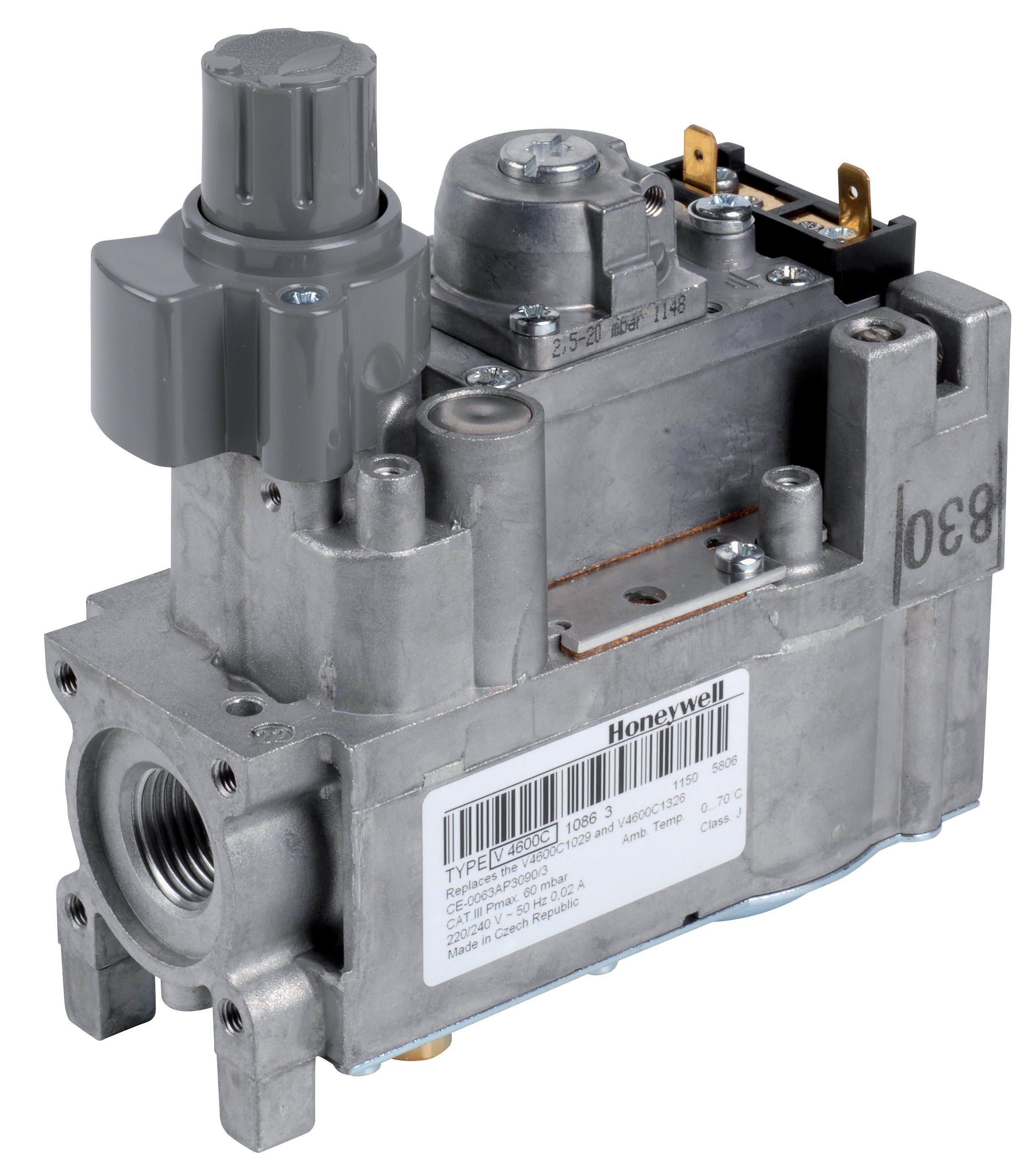
Modern burner systems increasingly use proportional control to modulate flame intensity based on demand. The Honeywell Gas Block VK 4105 C 1041 U provides electric modulation with M8 x 1 pilot and M5 pressure feedback connections.
Modulating systems offer contractors several operational benefits:
- Improved efficiency: Burner adjusts fuel flow to actual heating demand rather than cycling on-off
- Better comfort: Fewer on-off cycles mean steadier system response in climate-controlled environments
- Lower emissions: Optimized combustion across the load range reduces peak emissions
- Extended equipment life: Reduced thermal cycling stress on burner components and piping
The pressure feedback signal from sensors like the DG 50U/6 feeds into modulating blocks, creating a closed-loop control system that automatically optimizes performance.
Ignition Modules and Spark Generation
High-Voltage Ignition Generation
Direct ignition systems require reliable spark generation at precisely timed intervals. The Pactrol Housing P 16 DI CE operates at 230V supply with 12 kV output voltage and 10MJ output energy—specifications critical for reliable spark in challenging burner environments.
Key performance factors for ignition modules include:
- Spark energy: 10MJ output from the P 16 DI CE ensures ignition even with slight fuel/air misalignment
- Timing precision: Modern modules provide +/-2 degree crank angle precision for optimal ignition point
- Relight capability: Ability to reignite flame if brief flame loss occurs due to draft or turbulence
- Duty cycle rating: Specify modules rated for your application's ignition frequency (continuous vs. intermittent)
For Singapore contractors, the Pactrol P 16 DI CE's compact design and integrated flame control make it ideal for retrofit applications in space-constrained commercial HVAC installations.
Practical Selection Guide for Singapore HVAC Contractors
Application-Specific Recommendations
New Commercial HVAC Systems: Specify UV-based flame detection (Siemens LFL 1.622) with electric modulating gas control (Honeywell VK 4105) and SIL 3 pressure monitoring (Kromschroder DG 50U/6). This combination provides maximum reliability, efficiency, and compliance with Singapore standards.
Industrial Process Heating: Direct ignition relays (Kromschroder BCU 570WC1F1U0K1-E) with robust pressure interlocks suit high-cycle applications. The dual-mode capability accommodates future fuel switching or operational changes.
Retrofit and Maintenance: Intermittent pilot mode on BCU 570WC1F1U0K1-E enables upgrades to existing systems without complete component replacement. This approach reduces downtime and customer costs while improving efficiency.
Oil Burner Applications: UV flame detection works universally across fuel types, making it the preferred choice when oil firing capability may be added later or during fuel transition periods.
Commissioning and Field Adjustment
Proper commissioning of Controls & Safety systems prevents 80% of field service callbacks:
- Verify flame detector signal strength during initial startup; weak signals indicate sensor positioning or cleanliness issues
- Confirm pressure switch settings match burner specifications; improper thresholds cause nuisance shutdowns
- Test safety interlock sequences in controlled conditions before full system operation
- Document all switch settings and calibration points for future maintenance reference
- Train maintenance staff on proper signal interpretation and troubleshooting procedures
Compliance and Standards in Singapore's Industrial Environment
Singapore contractors must ensure Controls & Safety systems meet both international standards and local regulatory requirements:
- EN 746-2: European standard for automatic gas burner control systems (applies to imported equipment)
- EN 676: Gas burner safety controls for domestic and commercial applications
- EN 1854: Pressure switches for burner control
- FM and UL certification: Required for many international projects and equipment exports
- Singapore building codes: All equipment must comply with Building and Construction Authority (BCA) standards
With 35+ years of experience, 3G Electric maintains current inventory of controls meeting these standards, ensuring Singapore contractors can source certified components without extended lead times.
Maintenance and Lifecycle Considerations
Controls & Safety component selection impacts long-term maintenance costs:
- Flame detector sensitivity: UV sensors require periodic lens cleaning (quarterly in dusty environments); ionization sensors may need more frequent attention
- Pressure switch calibration: SIL 3 components like the DG 50U/6 maintain accuracy longer but require certified technicians for recalibration
- Relay replacement cycles: Modern relays typically operate 10+ years in continuous duty; track operating hours to plan preventive maintenance
- Ignition module lifespan: Pactrol modules rated for 100,000+ ignition cycles; heavy-use applications may require replacement every 5-7 years
Developing maintenance schedules around these component lifecycles prevents catastrophic failures and extends overall system life by 30-40%.
Conclusion: Making the Right Controls & Safety Choice
The Controls & Safety system you specify today directly determines system reliability, operating costs, and maintenance burden for the next decade. UV-based flame detection combined with SIL 3 pressure monitoring and electric modulating gas control represents the current best practice for new Singapore HVAC installations.
When upgrading existing systems, dual-mode direct ignition relays provide a practical path to improved efficiency while maintaining compatibility with legacy burners. For contractors managing diverse portfolios, selecting components that standardize across multiple applications reduces training requirements and spare parts inventory.
3G Electric's team can help you evaluate your specific applications and select Controls & Safety components optimized for Singapore's climate, regulatory environment, and your customer base's maintenance capabilities. With over three decades of industrial equipment distribution experience, we understand the practical tradeoffs between cost, reliability, and long-term operating performance.