Controls & Safety: Installation, Wiring, and Commissioning Best Practices for HVAC Contractors
Installing and commissioning Controls & Safety systems represents one of the most critical responsibilities for HVAC contractors operating in Singapore and Southeast Asia. With over 35 years of experience distributing industrial equipment, 3G Electric understands that proper installation determines whether a burner control system operates reliably for years or becomes a source of costly callbacks and safety incidents. This guide addresses the practical realities HVAC contractors face when deploying controls & safety systems in Singapore's humid tropical environment, covering installation methodology, field wiring practices, commissioning sequences, and hands-on testing procedures.
Understanding Pre-Installation Requirements and Component Verification
Before any installation begins, HVAC contractors must verify that all controls & safety components match the burner specification and the application requirements. Singapore's electrical standards (following IEC and EN protocols) require meticulous attention to voltage ratings, particularly since many industrial facilities operate on three-phase systems at 380V or 400V supply. The first step involves unpacking all components and visually inspecting for transport damage—particularly critical for sensitive relay units and flame detection modules that may have arrived from international suppliers.
Verify that the Kromschroder Relay BCU 570WC1F1U0K1-E matches your burner's ignition mode requirement. This relay supports direct ignition and both intermittent and continuous pilot ignition modes, making it versatile for various HVAC applications. However, selecting the wrong ignition mode during commissioning can cause operational failures. Similarly, when working with the Siemens Relay LFL 1.622, confirm that the power rating matches your burner capacity—this safety control unit suits medium to high-power burners with either gas or oil fuel, requiring proper UV or ionization flame detection setup.
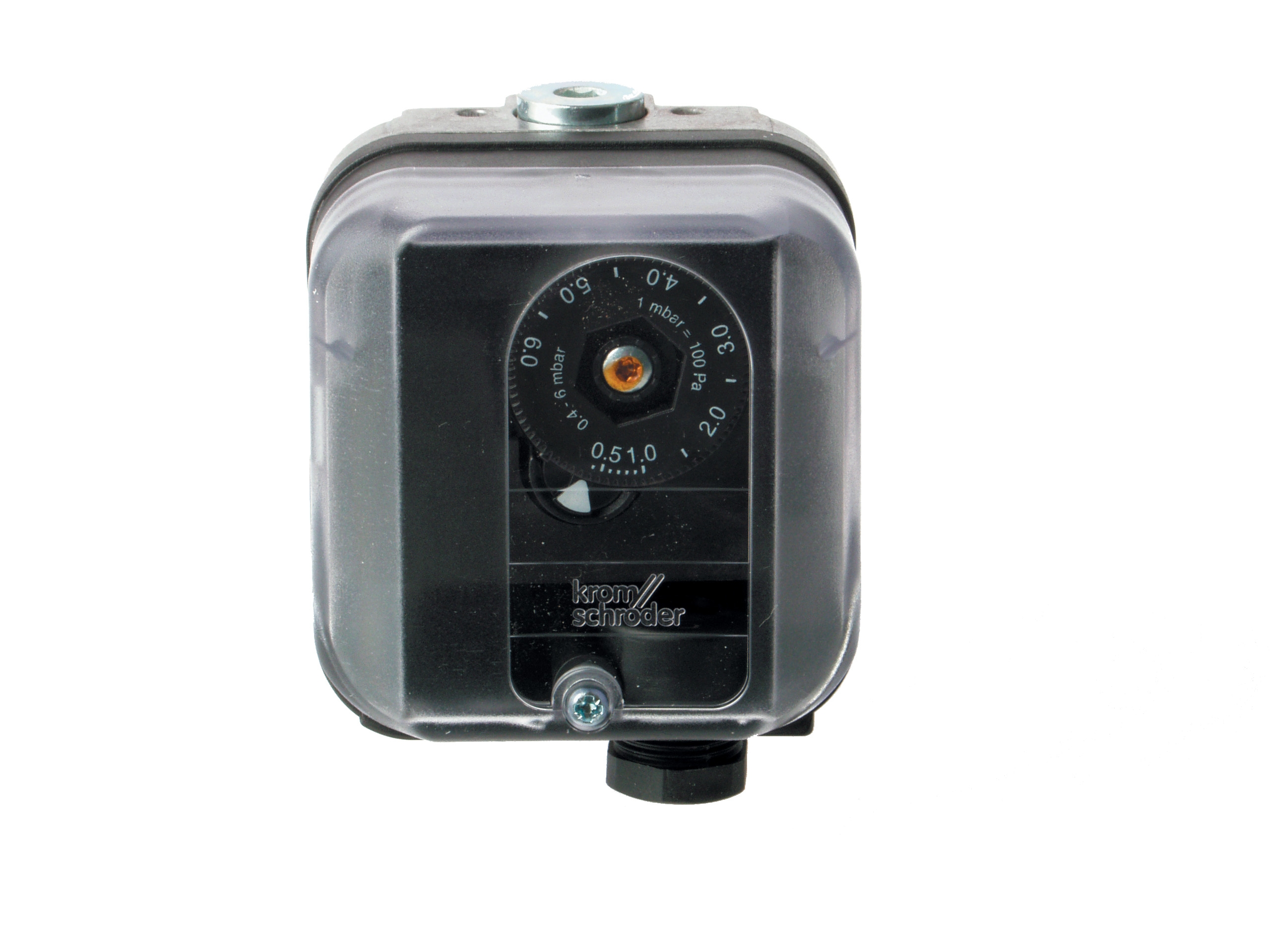
Check all pressure switches for the correct setpoints. The Kromschroder Pressure switch DG 50U/6 provides SIL 3-rated protection with multiple international certifications (EN 1854, FM, UL, AGA, GOST-TR), making it reliable for Singapore's industrial safety standards. However, the DG 50U/6 must be calibrated to match your specific burner's pressure requirements—typically 0.2 to 0.8 bar for pilot pressure and 1.0 to 3.5 bar for main burner pressure depending on burner type.
Create a checklist documenting every component's serial number, date code, and test parameters. This documentation becomes essential for compliance verification, warranty claims, and troubleshooting when issues arise during operation in Singapore's high-humidity environment where moisture ingress represents a genuine risk.
Wiring Installation and Control Circuit Design
Proper wiring represents the foundation of reliable controls & safety system operation. Singapore's industrial environment—with consistent high temperatures (28-32°C) and humidity levels often exceeding 75%—demands attention to cable routing, termination practices, and protection against environmental corrosion.
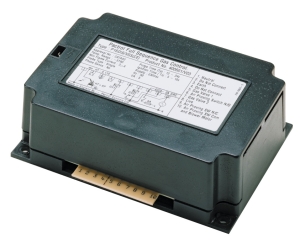
Start by identifying a suitable mounting location for the main control relay. The Pactrol Housing P 16 DI CE provides a complete flame control module operating at 230V with 12 kV output voltage for ignition and 10MJ energy output for flame detection. Mount this housing in a location that remains accessible for testing and maintenance, with clear labeling and adequate space for technician access. Position it away from direct water spray or steam, which accelerates corrosion in tropical climates. If mounting in an outdoor equipment area, use appropriate IP-rated enclosures (minimum IP54 for Singapore's salt-laden air near coastal facilities, IP65 for direct spray environments).
When running power and control cables, maintain separation between high-voltage ignition circuits and low-voltage signal lines. Professional practice requires using separate cable trays or conduits for 230V supply lines and flame detector/sensor wiring. This separation prevents electromagnetic interference that can cause false flame detection shutdowns—a common complaint in Singapore facilities where multiple burners operate in close proximity.
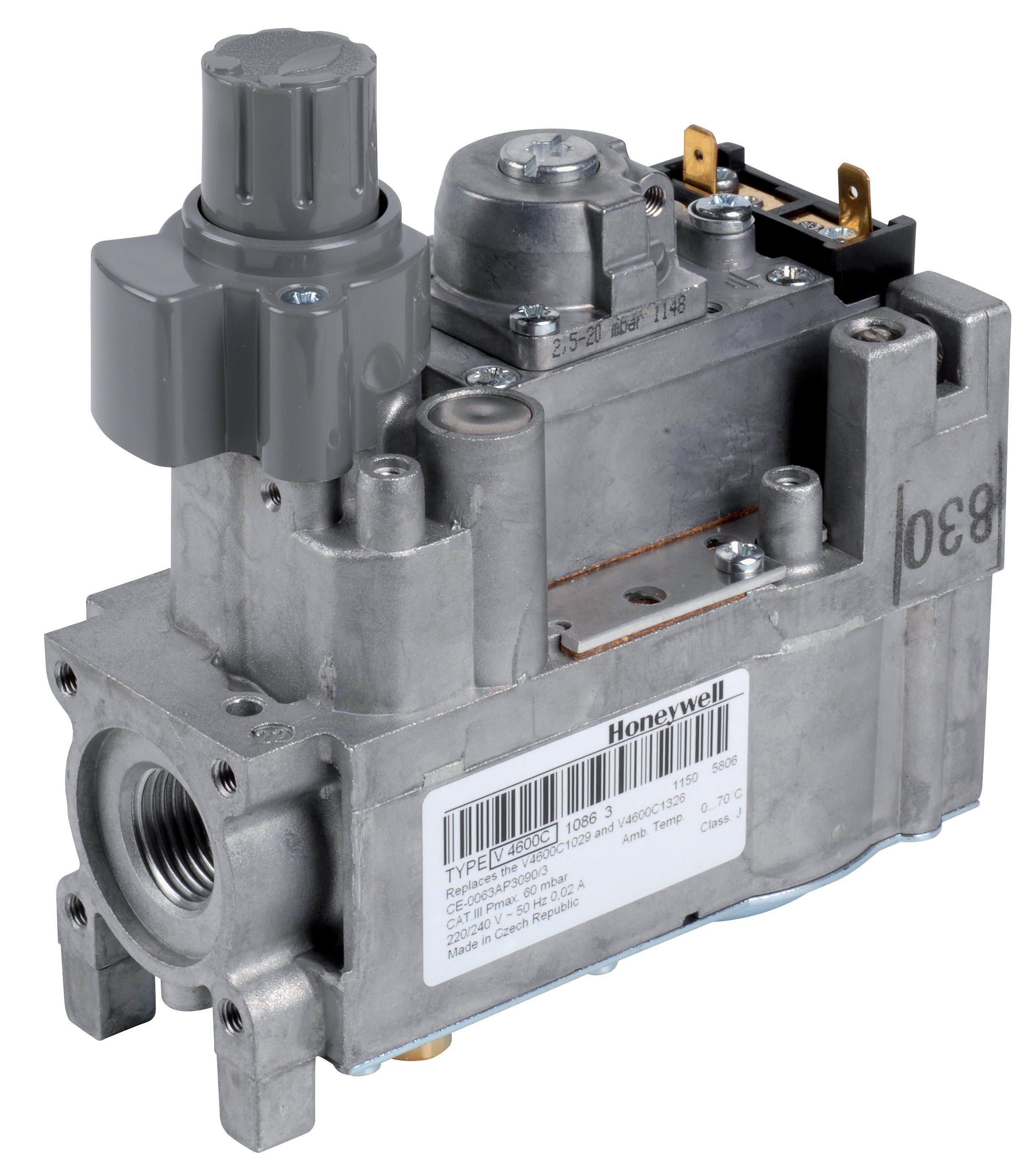
The Honeywell Gas block VK 4105 C 1041 U features M8 x 1 pilot connection and M5 pressure feedback threading, requiring precise wiring to ensure proper modulation feedback. Route the pressure feedback line (typically 3-4mm copper or stainless steel tubing in industrial applications) away from hot surfaces and moving equipment. In Singapore's heat, insulation on short pressure lines helps prevent gauge fluctuations caused by solar heating of the feedback tube.
For all termination points, use crimp connectors rated for the wire gauge (typically 0.75-2.5mm² for control circuits), applying proper crimping techniques with calibrated tools. Unterminated or poorly crimped connections introduce contact resistance that can degrade signal quality, particularly problematic when flame detection circuits depend on reliable millivolt signals from UV or ionization sensors.
Ground all control housings and metal frames directly to the facility's earth system with conductors sized according to IEC 60364 standards. Singapore's electrical regulations (adopting IEC protocols) require bonding all exposed metallic parts, particularly important in industrial kitchens and processing facilities where moisture and salt spray accelerate corrosion.
Commissioning Sequences and Field Testing Protocols
Commissioning represents the critical phase where component selection becomes operational reality. Begin with a "dry run" before introducing fuel to the burner—this tests electrical continuity, control logic, and safety interlocks without combustion complications.
Pre-fuel commissioning steps:
- Verify 230V (or 380V three-phase) power supply at the relay housing with a calibrated multimeter, recording voltage readings
- Confirm that the burner air proving switch (if equipped) responds correctly to fan operation—the fan must confirm adequate draft before fuel introduction
- Test the pressure switch response by applying hand pressure to the pilot pressure input on the Kromschroder DG 50U/6, observing relay contact closure at the design setpoint (typically 0.3-0.5 bar for pilot)
- Verify flame detection circuit impedance using an insulation tester, confirming that UV or ionization electrodes show correct impedance (typically 200-1000 MΩ for unused flame detection circuits)
- Confirm that the ignition transformer produces high voltage at the ignition electrode gap—12 kV output from the Pactrol Housing P 16 DI CE should produce a visible spark at the electrode with proper gap spacing (typically 3-4mm for gas burners)
Once dry-run verification passes, introduce pilot fuel and observe ignition sequence. The Kromschroder Relay BCU 570WC1F1U0K1-E manages ignition timing—monitor that spark ignition duration matches the design (typically 3-5 seconds for direct ignition, extending to 10-15 seconds for intermittent pilot modes). Record the actual pilot pressure reading when the pilot flame stabilizes, confirming it matches design specifications.
Progress to main burner ignition, observing flame establishment within the design time window (typically 5-10 seconds). Use a calibrated gas analyzer to verify that main burner stoichiometry approximates design targets—excess oxygen suggests lean combustion, while high CO indicates rich combustion. In Singapore's tropical environment, combustion air density varies slightly with temperature and humidity, sometimes requiring modest adjustments to damper positions to maintain design air/fuel ratios.
Test safety shutdowns by simulating flame loss during main burner operation. The flame detection circuit must reliably sense flame extinction, triggering fuel valve closure within 2-4 seconds according to EN 746-2 standards. With the Siemens Relay LFL 1.622 featuring both UV and ionization detection, verify that the system responds reliably to either flame detection mode (some burners may experience flame flickering in certain load conditions, requiring the backup detection method).
Test the pressure proving sequence—the Honeywell Gas block VK 4105 C 1041 U must respond to pressure fluctuations within its operating range (-5 to 140°F, though Singapore operations typically stay in the 25-40°C range). Manually adjust the pressure regulator setpoint and observe that modulation damper position changes smoothly to maintain setpoint pressure.
Documentation during commissioning:
Record actual operating parameters on a permanent commissioning sheet that remains with the equipment: pilot pressure reading, main burner pressure reading, ignition spark voltage, flame detection impedance, air damper position at full load, modulation response time, and shutdown response time. These baseline values enable rapid diagnosis of future problems and provide evidence of proper initial setup for Singapore's industrial safety audits.
Ongoing Verification and Tropical Climate Adaptation
Singapore's high humidity and salt-laden air in coastal areas demand periodic re-verification of controls & safety system functionality. Schedule flame detection circuit impedance testing every 6 months—humidity can degrade UV or ionization electrode surfaces, reducing sensitivity. The Kromschroder DG 50U/6 pressure switch requires annual recalibration verification using a calibrated test gauge applied to the pilot input port—setpoint drift becomes possible after extended exposure to vibration and thermal cycling.
Inspect all electrical terminations annually, looking for corrosion products at crimp connectors. In coastal Singapore facilities, consider upgrading terminations to marine-grade corrosion-resistant connectors after the initial 3-5 year period of operation. Similarly, cable insulation degradation accelerates in tropical environments—plan replacement of control cables every 8-10 years rather than the 15-year intervals suitable for temperate climates.
Maintain detailed maintenance logs documenting all testing, adjustments, and component replacements. When 3G Electric's technical support is engaged for troubleshooting, these logs dramatically accelerate problem diagnosis, reducing downtime and proving compliance with Singapore's industrial safety requirements. With 35+ years of experience distributing equipment across multiple climates, 3G Electric recognizes that tropical installations require more frequent verification cycles than temperate-climate operations—this reality should shape your preventive maintenance planning.