Understanding Controls & Safety: Electronic vs. Mechanical Approaches
Controls & Safety systems represent the backbone of reliable industrial combustion equipment, yet selecting the right approach remains a source of confusion for procurement engineers and maintenance teams. The market offers fundamentally different architectures: electronic microprocessor-based controls, purely mechanical pressure-regulating blocks, and hybrid multifunctional units combining both technologies.
With 35 years of experience distributing industrial equipment across Asia-Pacific, 3G Electric has observed how application-specific demands drive these technology choices. A boiler facility in Singapore's industrial parks may require sophisticated flame detection and diagnostic logging, while a food processing plant with stable demand might prioritize robust mechanical simplicity. Understanding these trade-offs prevents costly misselections and operational disruptions.
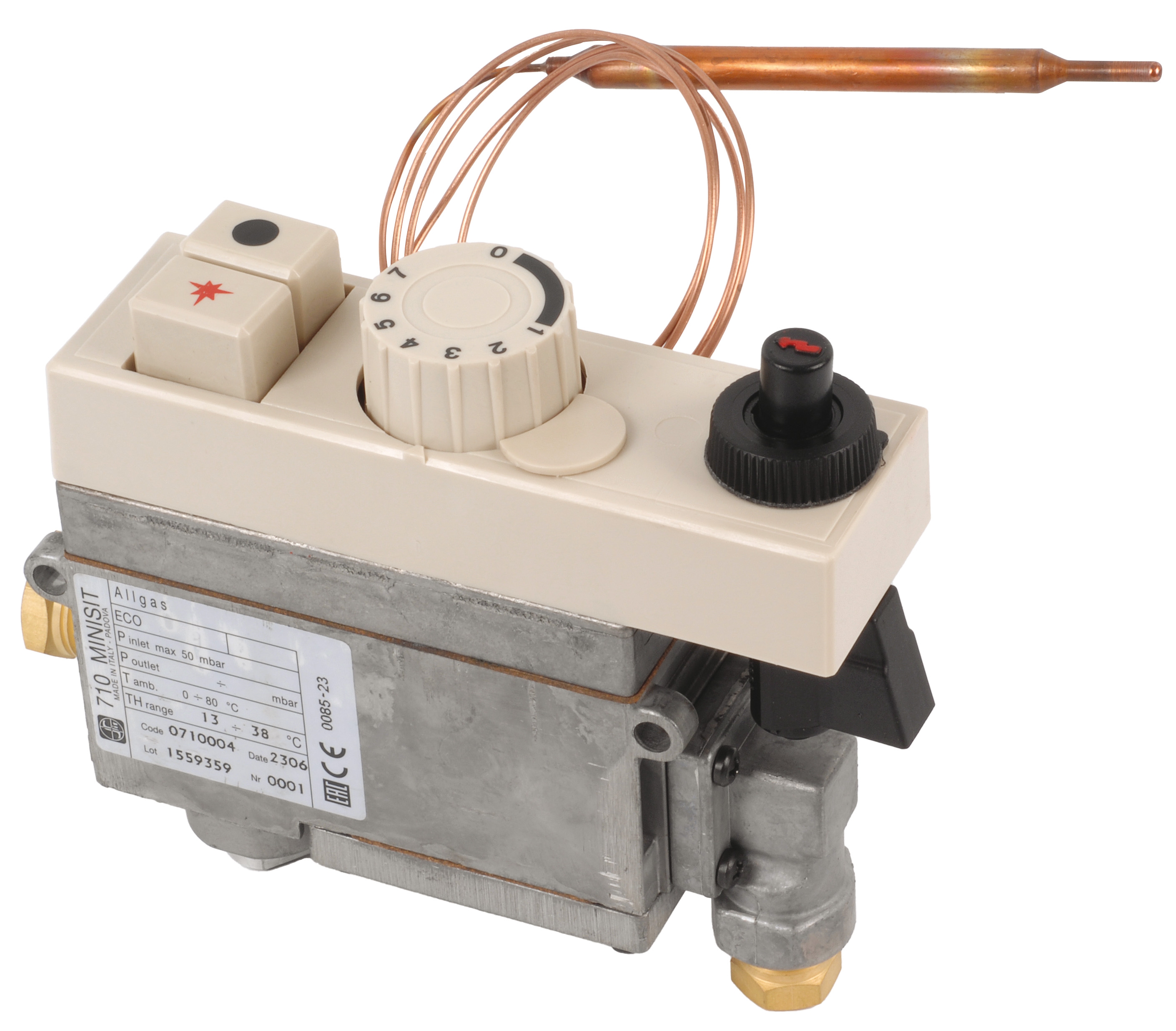
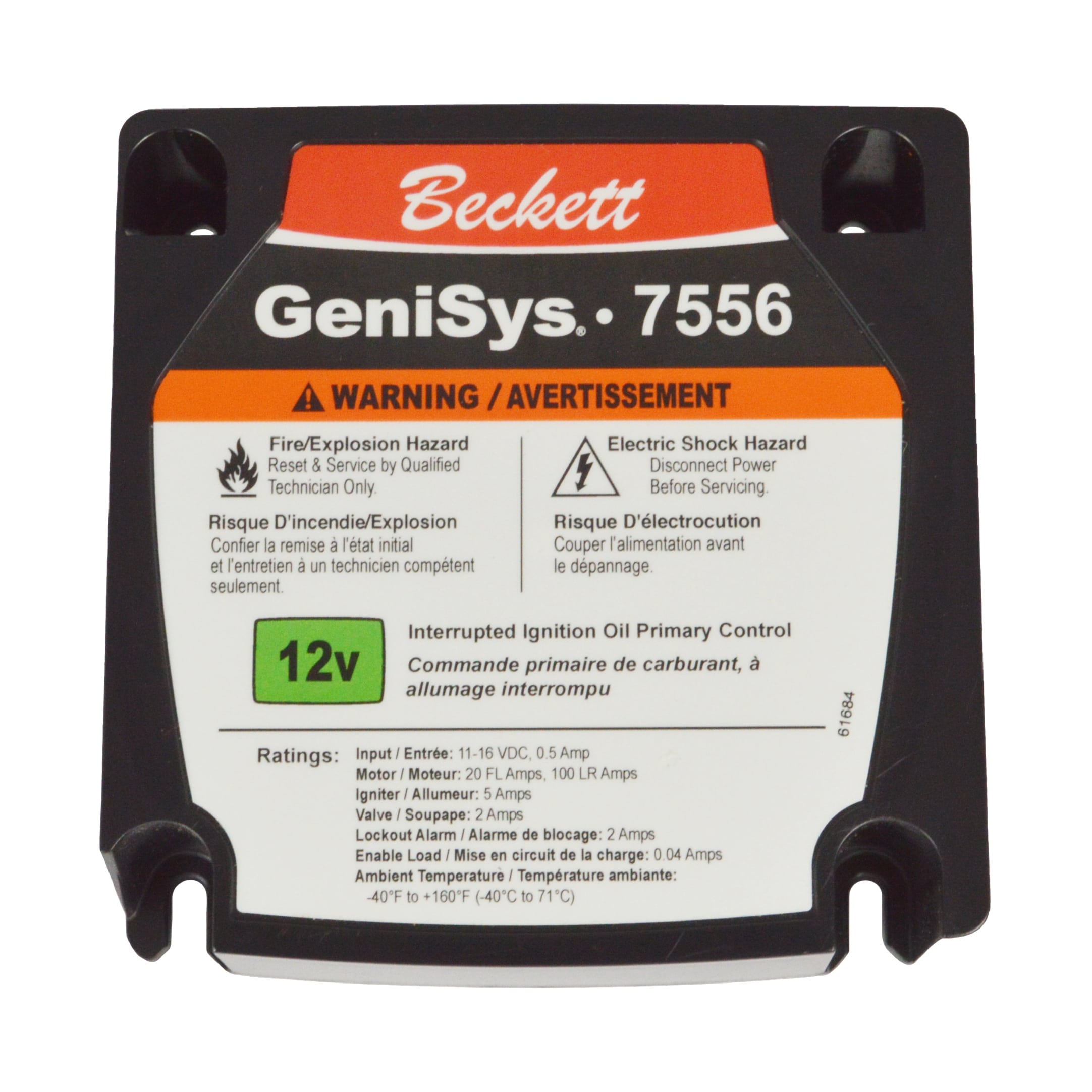
Electronic burner controls like the Beckett GeniSys® 7556 12V Oil Burner Control deliver programmable purge timings, flame detection, and comprehensive diagnostic logging—essential for critical heating applications and mobile equipment requiring remote monitoring. Conversely, mechanical multifunctional blocks like the SIT Minisit 0710004 combine thermoelectric safety supervision, pressure regulation, and temperature control in a single compact unit, requiring no external power source and delivering inherent fail-safe operation. Neither approach universally dominates; success depends on matching control architecture to application risk profile, energy source, and maintenance capability.
Comparative Performance Metrics: Sizing Controls & Safety for Your Application
Selecting Controls & Safety components demands precise understanding of flow rate, pressure range, and operational envelope. Industrial professionals often underestimate how component sizing directly influences both safety performance and lifecycle costs.
The SIT Sigma 0845063 gas block handles servo-assisted pressure regulation at 230V 50Hz with two automatic solenoid valves, delivering sophisticated pressure management for industrial burner applications requiring tight control tolerances. This multifunctional design suits large-scale facilities where integrated safety and regulation reduces component count and interconnection complexity. Compare this with the SIT Tandem 0837013 gas block, which operates across 7-50 mbar and delivers 4.8 m³/h flow with IP54 rating—ideal for stepping applications with variable load demands. The Tandem's 5 mbar pressure drop requires careful duct sizing consideration; undersizing inlet lines will compromise regulation accuracy and trigger false safety shutdowns during peak demand.
For smaller distributed systems, the SIT Minisit 0710004 handles flows up to 3.9 m³/h across multiple pressure ranges per EN 126, combining space efficiency with inherent thermoelectric safety supervision that requires no electrical service—a critical advantage for facilities subject to power instability or those prioritizing energy independence. The SIT 0577211 control box provides electronic microprocessor management with 230 Vac alarm output at 1 A and 2-4 mm spark gap configuration, best suited for residential boilers and appliances where diagnostic capability and remote notification justify electronic complexity.
A practical sizing exercise: a 15 kW gas boiler installation in a Jurong Island industrial facility might pair the Tandem block (4.8 m³/h capacity) with the SIT control box for integrated flame detection and diagnostics, ensuring regulatory compliance and enabling predictive maintenance logging. By contrast, a distributed network of 40 small process heaters would leverage Minisit blocks due to mechanical simplicity, cost-per-unit efficiency, and zero-power-required safety—eliminating single points of electrical failure across the installation.
Diagnostic Troubleshooting Framework: Identifying Control & Safety Failures
Failure diagnosis separates experienced maintenance teams from reactive responders. Controls & Safety component malfunctions rarely announce themselves clearly; instead, they manifest as intermittent shutdowns, delayed ignition, unexplained pressure fluctuations, or nuisance alarms. A systematic diagnostic approach minimizes downtime and prevents cascading equipment damage.
Electronic Control Diagnostics:
When the Beckett GeniSys® 7556 or SIT 0577211 exhibits fault behavior, begin by documenting diagnostic log outputs (if available) and observing alarm output patterns. A 1 A 230 Vac alarm signal on the SIT unit might indicate flame failure, ignition transformer malfunction, or incorrect spark gap spacing (verify 2-4 mm per specification). Check solenoid valve coil continuity and fuel supply pressure at the burner intake. Electronic controls depend absolutely on clean signal pathways; moisture ingress, corroded terminals, or loose connectors frequently trigger nuisance trips before component failure occurs. In Singapore's humid tropical environment, corrosion protection becomes critical—inspect connector boots and apply dielectric grease during routine commissioning.
Mechanical Block Diagnostics:
The Sigma 0845063 and Tandem 0837013 controls exhibit different failure signatures. If inlet pressure is correct but outlet pressure drifts above specification, suspect internal diaphragm rupture in the servo-assisted regulator (Sigma) or mechanical wear in the stepped regulator (Tandem). Measure pressure at multiple points along the fuel line; a pressure drop exceeding 5 mbar on the Tandem indicates potential inlet blockage or regulator damage. Thermoelectric safety on the Minisit 0710004 functions mechanically—if the pilot light extinguishes and the device shuts down but won't reset, the thermocouple likely requires replacement. Unlike electronic sensors requiring calibration or diagnostics, thermoelectric pilots simply fail catastrophically and demand physical replacement.
Integrated Troubleshooting Workflow:
When diagnosing a combined system (electronic control plus mechanical block), follow this sequence:
1. Verify fuel supply pressure at block inlet (should match burner specification, typically 20-50 mbar for gas)
2. Check control box alarm outputs and solenoid valve energization
3. Measure regulator outlet pressure under no-load and full-load conditions
4. Inspect thermoelectric safety element (if present) for proper pilot flame contact
5. Test interconnecting cable integrity and connector cleanliness
6. Review maintenance log for previous drift patterns (progressive failures often repeat)
A real-world example: a Singapore food processing facility experienced intermittent boiler shutdowns during peak production. Initial investigation found solenoid valve chatter and pressure oscillation in the outlet line. The root cause was inlet line undersizing combined with a 7 mbar regulator set point (Tandem block) undersized for demand. Replacing the block with a Sigma unit featuring servo-assisted regulation stabilized pressure response and eliminated nuisance shutdowns. Subsequent analysis revealed that the original installer had specified equipment based purely on nameplate capacity without accounting for supply line dynamics—a common mistake that 3G Electric technicians encounter regularly across Southeast Asia.
Specification and Procurement: Making Controls & Safety Decisions for Singapore Industrial Operations
Procurement decisions ideally occur during design phase, yet many Singapore industrial facilities retrofit or expand systems without systematic component evaluation. Understanding specification criteria prevents downstream operational headaches and regulatory compliance issues.
Begin by defining your application category: boiler and appliance heating, burner ignition control, pressure regulation for variable load, or fail-safe thermoelectric supervision for critical applications. Document pressure ranges (inlet and outlet), flow requirements, voltage availability, response time tolerance, and regulatory requirements (Singapore adheres to ISO and CE standards for many industrial applications). Electronic controls require reliable 230V 50Hz supply; mechanical blocks operate independently of electrical infrastructure—a significant advantage for facilities in areas subject to power interruption or requiring redundant systems.
Cost comparison often misleads procurement teams. The SIT 0577211 costs more upfront than a Minisit 0710004, yet may deliver superior total cost of ownership through reduced service calls, fewer nuisance shutdowns, and integrated diagnostics supporting predictive maintenance. Conversely, five Minisit blocks distributed across a network of small heaters may cost less collectively than a single sophisticated central control system, while delivering superior reliability through decentralization.
With 35 years' experience serving Singapore's industrial base, 3G Electric recommends a balanced portfolio approach: specify electronic microprocessor controls for critical applications requiring diagnostics and remote notification; select multifunctional mechanical blocks for distributed systems prioritizing simplicity and fail-safe operation; and maintain stock of replacement thermocouples, diaphragm kits, and connector assemblies for rapid field repair.
Regulatory compliance varies by sector. Petrochemical facilities must verify intrinsic safety ratings; food processing operations face hygiene standards affecting sensor placement; HVAC installations follow Building and Construction Authority guidelines. Consult with your controls supplier early—3G Electric's technical team regularly advises on specification details that prevent costly post-installation corrections.
Final selection should document: component model numbers (e.g., Sigma 0845063 with calibration certificate), pressure settings, response time requirements, maintenance intervals, spare parts strategy, and failure mode expectations. This documentation becomes invaluable when troubleshooting occurs months or years after installation, when original installers may be unavailable and maintenance personnel lack historical context.