Understanding Electrical Interlocking and Permissive Logic in Industrial Burner Controls & Safety
Electrical interlocking and permissive logic form the backbone of Controls & Safety systems in industrial combustion equipment. With over 35 years of experience distributing industrial control equipment throughout Southeast Asia, 3G Electric understands that permissive logic prevents catastrophic failures by enforcing mandatory operational sequences before allowing burner ignition and fuel flow.
Permissive logic operates on a simple principle: certain conditions must be satisfied before the next operational step can proceed. Unlike simple relay logic that responds to individual inputs, permissive logic creates a hierarchy of conditions that must be evaluated sequentially. For example, a burner cannot ignite unless air pressure reaches minimum threshold, fuel supply is available, and the previous shutdown cycle completed successfully.
In Southeast Asia's tropical and humid industrial environments, this layered approach to Controls & Safety is essential. High ambient temperatures, moisture ingress, and voltage fluctuations common in the region can degrade simple relay systems. A properly designed permissive logic circuit with redundant safety checks ensures your burner system remains safe regardless of environmental stress.
Designing Permissive Logic Sequences for Burner Startup
The startup sequence is where most industrial burner accidents occur. A typical safe startup permissive logic sequence requires these conditions to be satisfied in order:
Pre-Ignition Permissives:
- Fuel isolation valves must be in closed position (verified by position switches)
- Blower motor must run for minimum purge time (typically 3-5 seconds)
- Air pressure switch must confirm adequate combustion air supply
- Water cooling system (if equipped) must reach operating parameters
- Previous shutdown must have completed within safe time window
Only after all pre-ignition permissives are satisfied should the control system allow ignition circuits to energize.
Ignition and Flame Establishment:
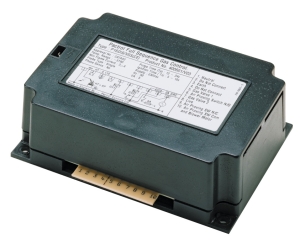
Once ignition begins, a second tier of permissives monitors flame detection. The Kromschroder Relay BCU 570WC1F1U0K1-E is purpose-designed for this phase, supporting both direct ignition and intermittent/continuous pilot modes with EN 746-2 compliance. This relay enforces permissive logic that ensures flame is detected within 4-5 seconds of ignition attempt. If flame detection fails, the circuit must automatically shut down fuel and ignition systems before dangerous gas accumulation occurs.
Fuel Modulation Phase:
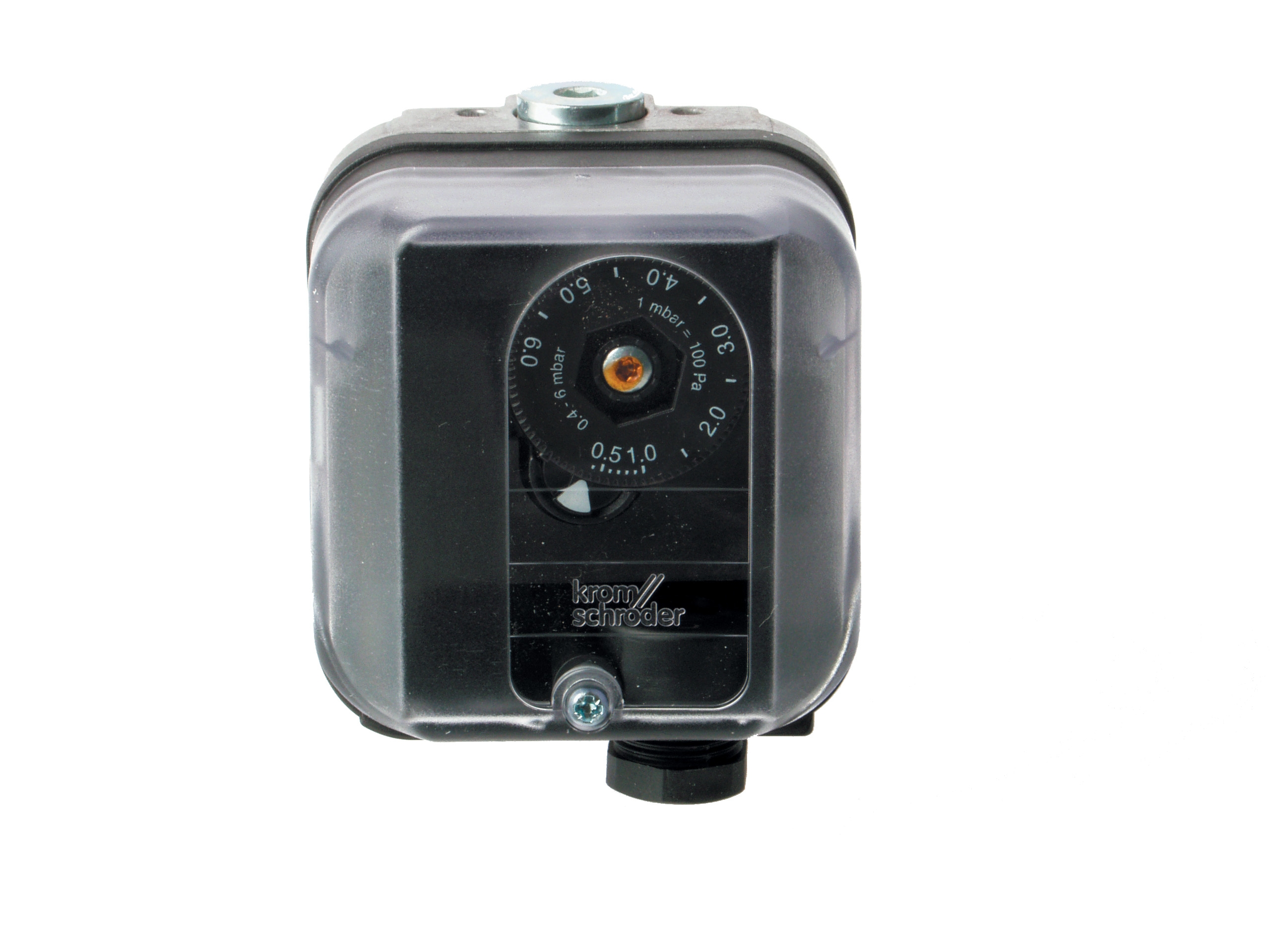
Once flame is established, fuel flow can modulate to meet load demand. However, the Kromschroder Pressure Switch DG 50U/6 maintains continuous monitoring with SIL 3 rated safety. This pressure switch acts as a permissive that validates gas supply pressure remains within acceptable parameters. If pressure drops below setpoint, the switch signals the control system to reduce fuel flow or initiate shutdown.
The key to effective permissive logic is non-bypassable verification at each step. Engineers must design circuits where satisfying one permissive automatically enables checking the next permissive—not allowing operators or system drift to skip steps.
Implementing Interlocking Between Multiple Burner Systems
Many Southeast Asian industrial facilities operate multiple burners on shared fuel and air systems. Electrical interlocking prevents dangerous simultaneous operation that could exceed fuel supply capacity or create uncontrolled air/fuel ratios.
Mutual Exclusion Logic:
When two burners share a common fuel line, interlocking ensures only one burner can ignite at a time. This requires permissive logic where Burner A's startup circuit includes a permissive that checks Burner B's operational status. If Burner B is running, Burner A's ignition is inhibited. This mutual exclusion prevents fuel starvation scenarios that could cause flame loss and subsequent unburned gas accumulation.
Sequential Startup Interlocking:
Some applications require burners to start in a specific sequence. For instance, a backup burner might only be permitted to start if the primary burner fails to establish flame within 30 seconds. The Siemens Relay LFL 1.622 facilitates this sequential logic through its programmable timer and multi-burner monitoring capability. The relay's UV and ionization flame monitoring evaluates both burners, enabling conditional permissive logic that automatically transitions to backup burner ignition on demand.
Pressure and Flow Interlocking:
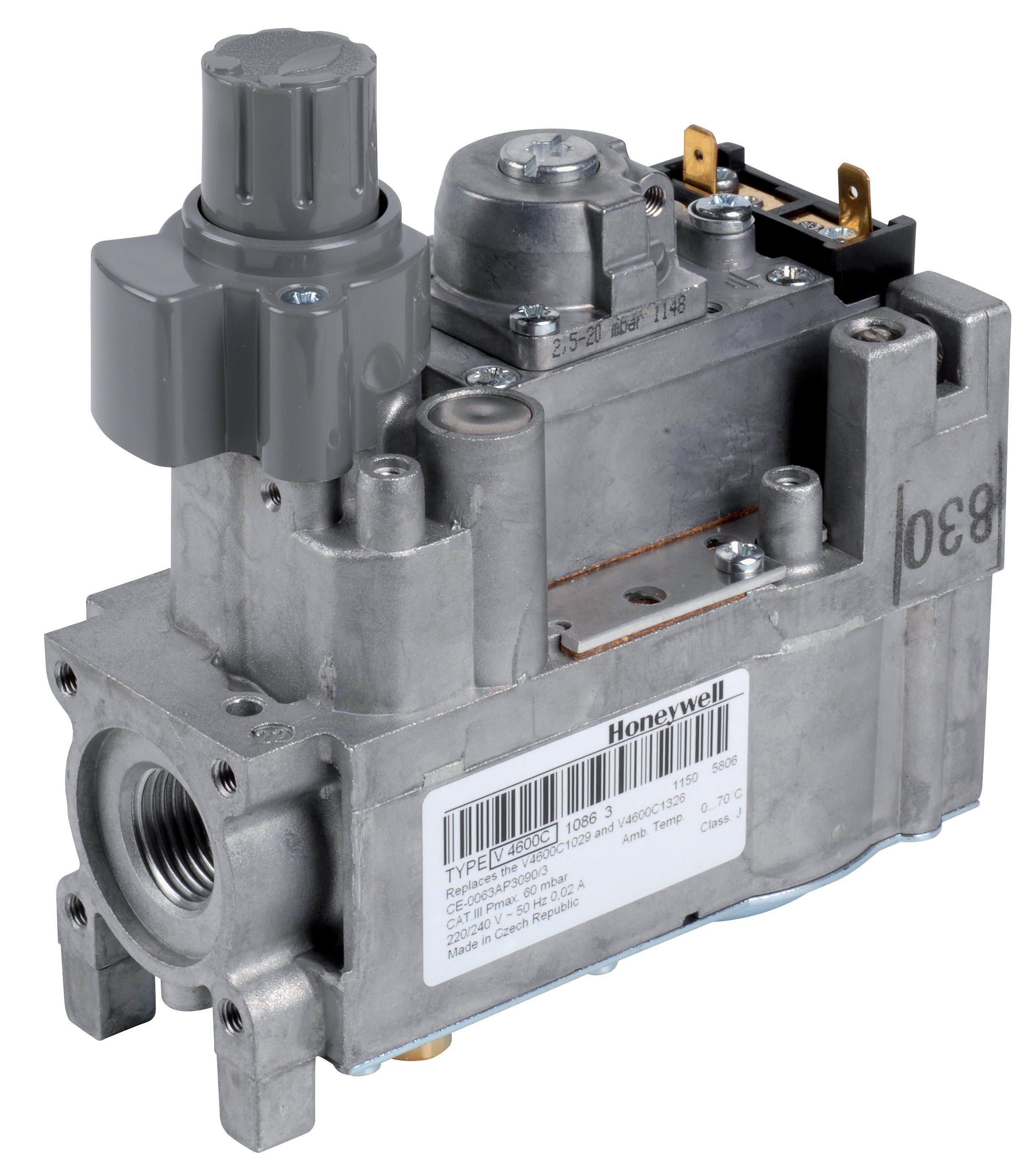
When burners share fuel manifolds, pressure switches must provide permissive logic that prevents burner startup if another burner's fuel regulation could affect supply pressure. The Honeywell Gas Block VK 4105 C 1041 U provides modulating pressure control with feedback monitoring. Interlocking logic reads this feedback to confirm stable pressure before allowing additional burner ignition.
Troubleshooting Permissive Logic Failures
When a burner refuses to ignite or shuts down unexpectedly, the issue typically traces to a failed permissive rather than primary ignition components. Systematic troubleshooting requires understanding the permissive hierarchy.
Testing Pre-Ignition Permissives:
Start by verifying every condition upstream of ignition circuits:
- Manually inspect fuel isolation valve position switches for mechanical failure or loose wiring
- Confirm blower motor actually runs for full purge duration by timing with stopwatch
- Test air pressure switch response by temporarily increasing blower output and observing switch contacts
- Verify cooling water (if equipped) temperature/flow switches close properly
Use a multimeter to confirm switch contacts are making and breaking properly. In Southeast Asia's corrosive salt-air environments (especially coastal facilities), corroded switch contacts are common failure points. Clean or replace contacts as needed.
Evaluating Flame Detection Permissives:
If the burner fires but shuts down after 5-10 seconds, flame detection permissive failure is likely. The Pactrol Housing P 16 DI CE operates at 230V supply with 12kV ignition output and 10MJ energy—sufficient for reliable spark generation. However, if flame isn't detected despite visible spark, the flame monitoring circuit itself may be faulty.
Test flame detection by:
- Observing flame with the control module unpowered (to confirm ignition is actually occurring)
- Checking flame sensor lens for carbon buildup or soot (common in high-sulfur fuel environments)
- Measuring flame sensor continuity and resistance with ohmmeter
- Verifying UV or ionization sensor power supply voltage at connector
Often, simply cleaning the flame sensor window restores permissive function.
Pressure Switch Response Testing:
Pressure switch failures prevent permissive logic from advancing to fuel flow stages. To test the Kromschroder DG 50U/6 pressure switch:
- Record the setpoint pressure from documentation
- Apply gradually increasing pressure with a hand pump while monitoring switch contacts with multimeter
- Note the pressure where switch contacts transition
- Compare actual setpoint against documented specification (tolerance typically ±5%)
- Test in both increasing and decreasing pressure directions to identify hysteresis
If setpoint has drifted or switch is unresponsive, replacement is necessary—field adjustment is rarely successful on modern switches.
Best Practices for Controls & Safety Permissive Logic in Southeast Asian Climates
Environmental Hardening:
Southeast Asia's temperature extremes (often 25-40°C ambient) and high humidity create specific challenges for Controls & Safety logic circuits. Specify relays and switches rated for tropical operation (typically -5 to 55°C minimum). Ensure all outdoor-mounted control panels include IP65+ enclosure ratings and internal desiccant cartridges to manage moisture ingress.
Redundancy Where Critical:
For critical production burners, consider dual flame sensors or redundant pressure switches that vote through permissive logic. If one sensor fails, the redundant sensor's data overrides the failed permissive, allowing operation to continue briefly while maintenance is arranged. This reduces unplanned downtime common in regions with longer spare parts lead times.
Documentation and Training:
Maintain detailed permissive logic ladder diagrams specific to your facility's configuration. Train maintenance staff on the complete sequence logic, not just component replacement procedures. Regional plant managers should understand how permissive logic protects their facility so they appreciate the necessity of maintaining these systems properly.
Regular Permissive Testing Schedule:
Incorporate quarterly permissive logic functional testing into your preventive maintenance program. Rather than only replacing failed components, verify that all permissive conditions still function properly. This proactive approach catches drift and incipient failures before they cause unsafe conditions.
With 35+ years serving Southeast Asia's industrial sector, 3G Electric recognizes that Controls & Safety excellence depends on understanding permissive logic deeply, not just selecting equipment correctly. Well-designed interlocking and permissive logic circuits transform individual safety components into a cohesive system that protects your facility, personnel, and production reliability.