Understanding Controls & Safety System Architecture for Gas Burners
Controls & Safety systems in gas burner applications are not simple component selections—they represent integrated architectures where each element serves a specific function within a safety hierarchy. As an HVAC contractor in Singapore, understanding this hierarchy is essential for designing systems that meet EN 746-2, EN 676, and local PSB (Professional Engineers Board) requirements.
The foundational principle of any Controls & Safety system is the "safe state" philosophy: when any element fails, the system must transition to a safe condition—typically shutting down the burner and preventing fuel flow. This requires careful orchestration between flame detection, pressure monitoring, electrical sequencing, and fuel control.
In Singapore's tropical climate and industrial environments, your system design must account for humidity, temperature extremes in plant rooms, and the specific duty cycles common to commercial HVAC installations. A system designed for temperate climates may fail prematurely here without proper component selection and architectural planning.
The three-tier architecture of modern Controls & Safety systems comprises: (1) sensing tier (flame detection, pressure monitoring), (2) logic tier (safety relays and control units), and (3) actuation tier (solenoid valves, ignition systems). Each tier must be independently evaluated for your specific application before integration.
Flame Detection and Sensor Selection: The Critical First Layer
Flame detection forms the primary sensing input for your Controls & Safety system, yet contractors often underestimate its complexity. Singapore's applications demand careful sensor selection based on flame characteristics, burner design, and environmental factors.
Modern burner control units like the Siemens LFL 1.622 incorporate dual-method flame supervision—UV and ionization detection—providing redundancy and tolerance for varying flame conditions. This is not redundancy for backup; it represents a design philosophy where different detection methods handle different failure modes. UV sensors respond to direct ultraviolet radiation from the flame, while ionization detectors sense electrical conductivity changes in the flame. In your system design, understanding when each method dominates is critical.
For Singapore industrial facilities, consider these flame detection design factors:
Environmental Compensation: Tropical humidity and temperature swings affect sensor calibration. Design your system with regular verification routines rather than assuming initial commissioning settings remain valid. UV sensors can accumulate dust and salt deposits in industrial environments; your design should incorporate accessible sensor windows and maintenance intervals.
Flame Signal Strength: The signal generated by your burner's flame must be strong enough to trigger detection but not so overwhelming that sensor saturation masks failure modes. This requires understanding your specific burner's flame envelope—a design input often overlooked. Review the burner manufacturer's flame signal specification and cross-reference it against your chosen sensor's sensitivity range.
Response Speed: EN 746-2 requires flame detection within 5 seconds of flame loss. However, your design must prevent nuisance shutdowns from momentary flame disturbances. The control unit's response timing, not just the sensor's detection speed, determines actual system performance.
The Pactrol Housing P 16 DI CE represents the ignition-side architecture: it generates the high-voltage spark necessary for pilot ignition and monitors flame presence during startup. In your design workflow, coordinate this module's timing with the burner's fuel valve sequencing—the valve must open after ignition is proven ready, not simultaneously.
Pressure Monitoring and Burner Control Integration
Controlled fuel delivery depends on precise pressure regulation and monitoring. Singapore's applications range from small commercial units to large industrial boilers, each requiring different pressure strategies.
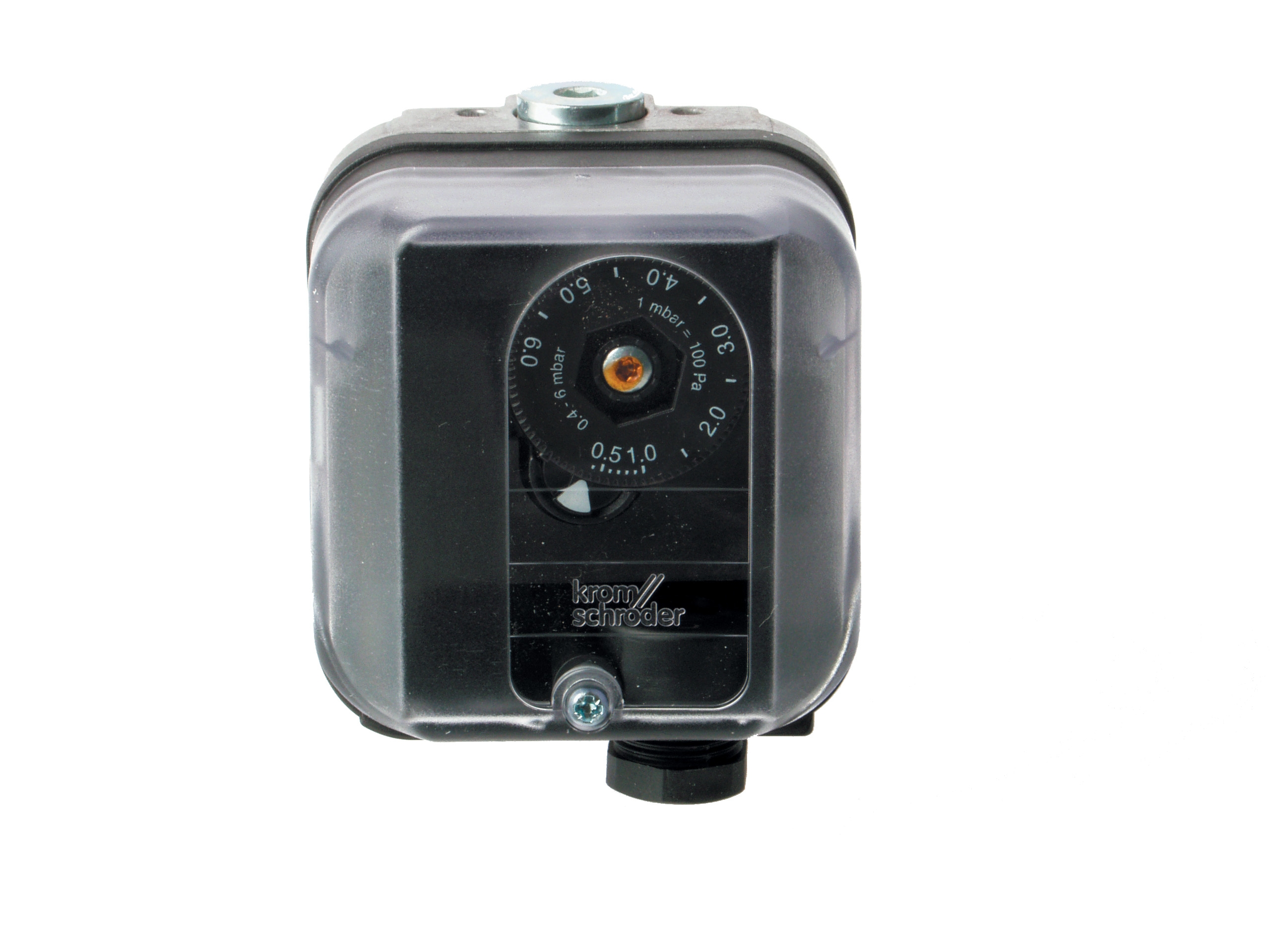
The Kromschroder DG 50U/6 pressure switch exemplifies SIL 3-rated safety monitoring. This isn't marketing language—SIL 3 certification means the component meets specific failure rate and diagnostic coverage requirements. In your system design, SIL-rated components should be specified for critical safety functions, particularly for applications exceeding certain duty cycles or serving critical facilities.
Pressure switch design involves three practical considerations:
Setpoint Selection: Your system's burner pressure setpoint directly affects flame stability and combustion efficiency. However, the pressure switch's switching differential (the pressure difference between setpoint and reset) affects control responsiveness. For Singapore applications with variable load conditions, specify switches with appropriate differentials—typically 0.5-1.0 bar for most HVAC systems. Undersized differentials cause hunting (rapid cycling), while oversized differentials reduce control precision.
Installation Orientation: Pressure switches are sensitive to installation angle. In your design documentation, specify horizontal or vertical mounting as appropriate, and ensure gauge taps are isolated from vibration sources. Many field failures stem from vibration-induced fatigue of the switch mechanism, preventable through proper installation design.
Safety Chain Function: The pressure switch must integrate into your control unit's safety chain. The Kromschroder BCU 570WC1F1U0K1-E safety relay accepts pressure switch inputs and uses them to enforce fuel shut-off if pressure deviates from acceptable ranges. This is not simple switching—the relay must verify pressure conditions continuously and trigger immediate shutdown if thresholds are violated.
Gas Control Block Architecture and Modulating Systems
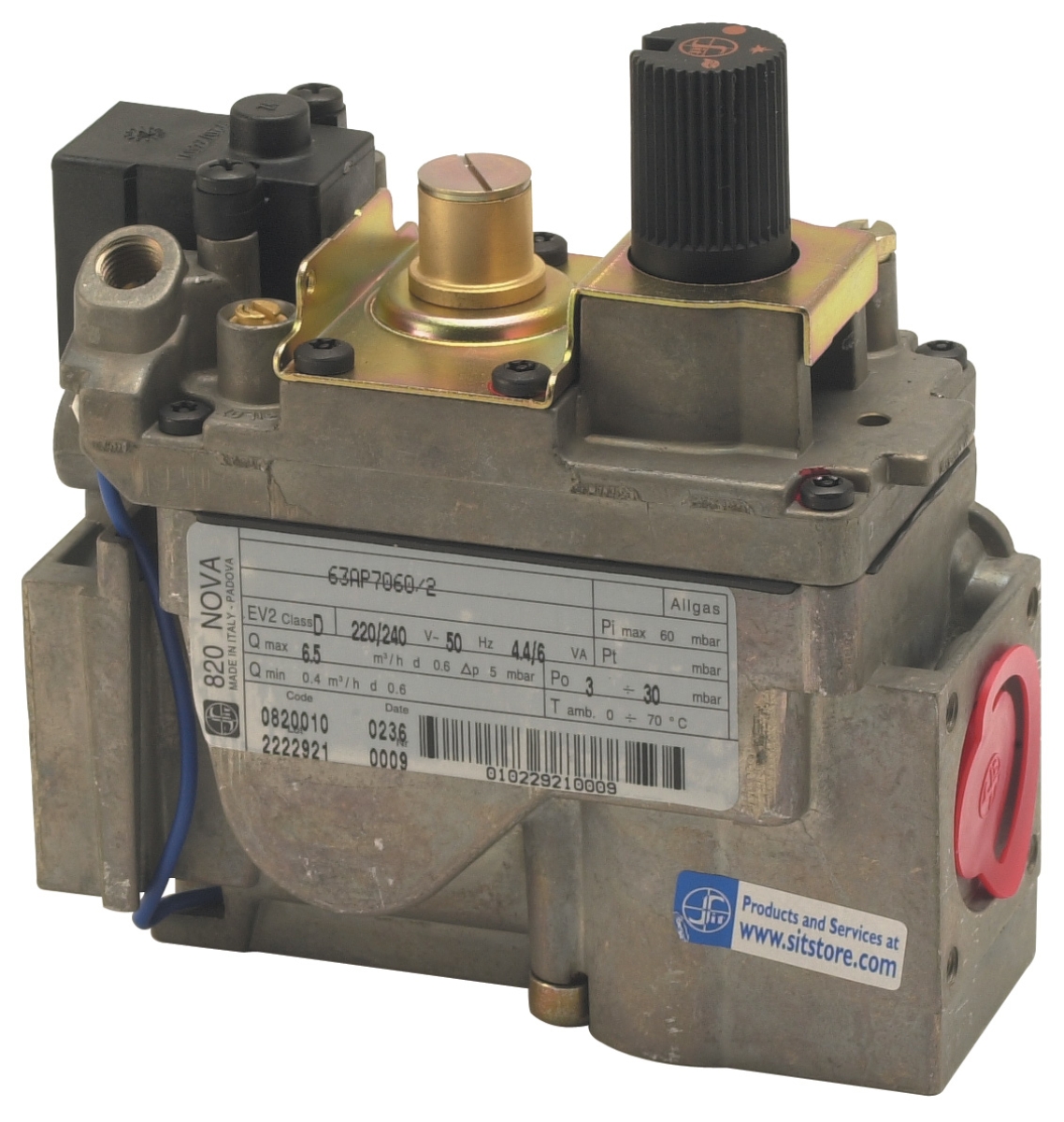
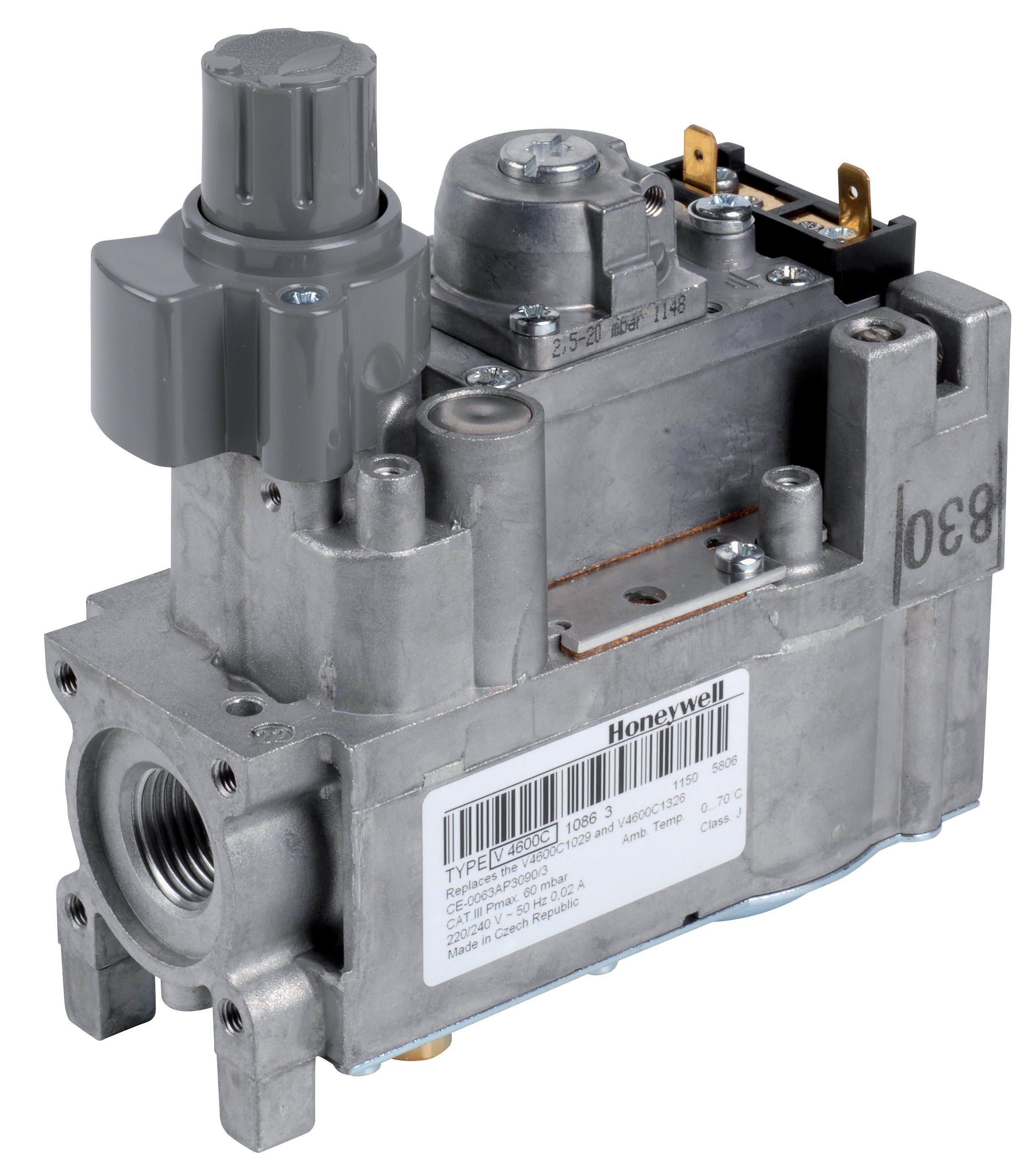
Modern HVAC systems increasingly demand proportional fuel control rather than simple on-off operation. The Honeywell VK 4105 C 1041 U represents this sophistication—an electrically modulating pressure regulator that adjusts gas pressure in response to control signals.
Designing modulating Controls & Safety systems requires understanding the feedback loop. The pressure regulator receives demand signals (typically 0-10V or 4-20mA) and adjusts valve opening to maintain requested pressure. This pressure is then monitored by transducers and returned to the burner control unit, closing the loop.
For Singapore contractors, modulating system design involves:
Demand Signal Source: Where does the modulation demand originate? In modern systems, this comes from building management systems (BMS) or standalone controllers responding to temperature, occupancy, or other inputs. Your system design must specify clean signal paths, appropriate shielding for control wiring, and response timing that prevents overshoot or hunting.
Feedback Accuracy: Modulating systems depend on pressure feedback accuracy. A 10% pressure measurement error causes proportional errors in fuel delivery. Specify pressure transducers with appropriate accuracy classes (typically 1-2% for HVAC applications) and ensure they're protected from condensation and temperature extremes.
Safety Redundancy: Modulating systems introduce complexity that requires enhanced monitoring. Design your system with pressure limits (minimum and maximum) that trigger safety shutdown if the modulating regulator fails open or closed. The control unit must enforce these limits independently of the modulation demand signal.
Reset and Purge Sequences: When your system powers up or restarts after a shutdown, coordinate the sequence carefully. Fuel must be isolated, the combustion chamber purged of residual gas, and flame detection verified ready before attempting ignition. The Siemens LFL 1.622 control unit manages this sequence—design your documentation to specify the exact timing and conditions for each stage.
Practical Design Workflow for Singapore HVAC Applications
With 35+ years of experience as a distributor of industrial equipment, 3G Electric has observed successful and unsuccessful burner control system designs across the region. The difference often lies not in component selection alone, but in the design methodology.
Follow this workflow for robust Controls & Safety system design:
1. Application Definition: Document the burner type (gas, oil, dual-fuel), capacity (kW or kBtu/h), duty cycle (continuous, intermittent), and environmental conditions (plant room temperature range, humidity, altitude). Singapore's specific factors include tropical ambient temperatures, high humidity, and coastal salt-spray exposure in some locations.
2. Safety Requirements Determination: Identify applicable standards (EN 746-2, EN 676 for European equipment; equivalent standards for other manufacturers). Determine required SIL level based on application hazard analysis. Specify whether the system requires redundancy for critical functions.
3. Component Selection Matrix: Create a matrix comparing candidate components across functional requirements: flame detection method, pressure monitoring rating, safety relay capability, and modulation precision. Document the rationale for each selection, particularly where cost pressures might suggest compromises.
4. Integration and Sequencing: Define the exact sequence of operations from startup through normal running to shutdown. Identify decision points where the system must verify conditions before proceeding (e.g., "verify pilot flame present before opening main fuel valve"). Use sequence diagrams or timing charts—these become essential troubleshooting tools later.
5. Safety Chain Definition: Document all safety interlocks and shutdown conditions. For example: "If flame is lost for more than 5 seconds during running, close solenoid valve within 1 second and prevent re-ignition attempts for 30 seconds." This translates directly to component specifications.
6. Environmental and Installation Considerations: Specify sensor mounting locations away from direct flame impingement and radiant heat. Design pressure tap locations to avoid condensation traps. Plan maintenance accessibility—sensors requiring frequent cleaning should be located where technicians can reach them safely.
7. Verification and Testing Protocol: Define commissioning tests that verify each component and the integrated system. For example, test flame detection by introducing a shutter between flame and sensor; verify pressure switch function by gradually increasing gas pressure until switch activates. Document baseline measurements for future comparison.
This design approach, supported by 3G Electric's technical team and decades of regional experience, significantly reduces field failures and ensures your installations meet Singapore's regulatory and safety expectations.