Understanding Burners & Combustion Component Ecosystems
Burners & Combustion systems are integrated assemblies where component selection directly impacts operational efficiency, maintenance frequency, and total cost of ownership (TCO). For procurement engineers managing industrial heating applications, the decision between component specifications extends beyond initial capital expenditure to encompass reliability metrics, spare parts availability, and service support infrastructure.
With over 35 years of experience distributing industrial equipment globally, 3G Electric understands that procurement decisions in combustion systems must balance performance demands with lifecycle economics. A single component failure in a burner assembly—whether a solenoid valve, flame relay, or ignition control—can cascade into extended downtime affecting production schedules and utility costs.
The complexity intensifies when evaluating modulating versus on-off burner configurations. Modulating systems offer superior energy efficiency but introduce additional control complexity and component interdependencies. This technical explainer focuses on the practical comparison of core burner components and their reliability profiles to guide procurement strategy.
Component Selection: Solenoid Valves and Fuel Supply Control
The solenoid valve represents the critical interface between fuel supply and burner combustion chamber. In Burners & Combustion applications, double solenoid valve configurations provide redundancy and safety certification compliance, particularly in industrial heating and steam generation contexts.
The CBM VCS 1E25R/25R05NNWL3 double solenoid valve exemplifies modern fuel safety architecture. Double solenoid configurations operate with primary and secondary coils, where both must de-energize to shut off fuel flow. This redundancy prevents uncontrolled fuel delivery during control system failures—a critical safety requirement in industrial combustion.
Key comparative metrics for solenoid valve selection:
- Coil operating voltage options: Standard 24 VDC vs. 230 VAC availability affects control circuit design and power supply requirements
- Flow rating consistency: Higher flow ratings (typically 25 LPM for industrial burners) reduce pressure drop across the valve body, improving flame stability
- Solenoid response time: Measured in milliseconds, faster response enables responsive modulation in high-turndown ratio systems
- Pilot drain configuration: Direct drain vs. remote drain affects installation flexibility and combustion efficiency tuning
- Coil protection ratings: IP65 or IP67 classification determines suitability for humid or washdown environments
Procurement strategy should prioritize proven solenoid designs with established service support networks. A valve requiring six-week lead times for replacement coils introduces operational risk disproportionate to minor cost savings. 3G Electric's global distribution network ensures critical combustion components reach facilities within 48-72 hours in most regions.
Maintenance cycle comparison:
Double solenoid valves typically require inspection at 5,000-hour intervals or annually, whichever arrives first. Coil replacement represents the most common maintenance need, with costs ranging from $200-600 depending on specification. Pilot seat erosion, occurring over 20,000+ operating hours, necessitates complete valve replacement—a consideration in TCO modeling.
Flame Detection and Control Relay Architecture
Flame detection represents the second critical control layer in Burners & Combustion systems. Flame relays serve as the decision-making interface, interpreting flame signal inputs and commanding fuel valve operation. Component reliability at this stage directly determines combustion system safety certification and operational dependability.
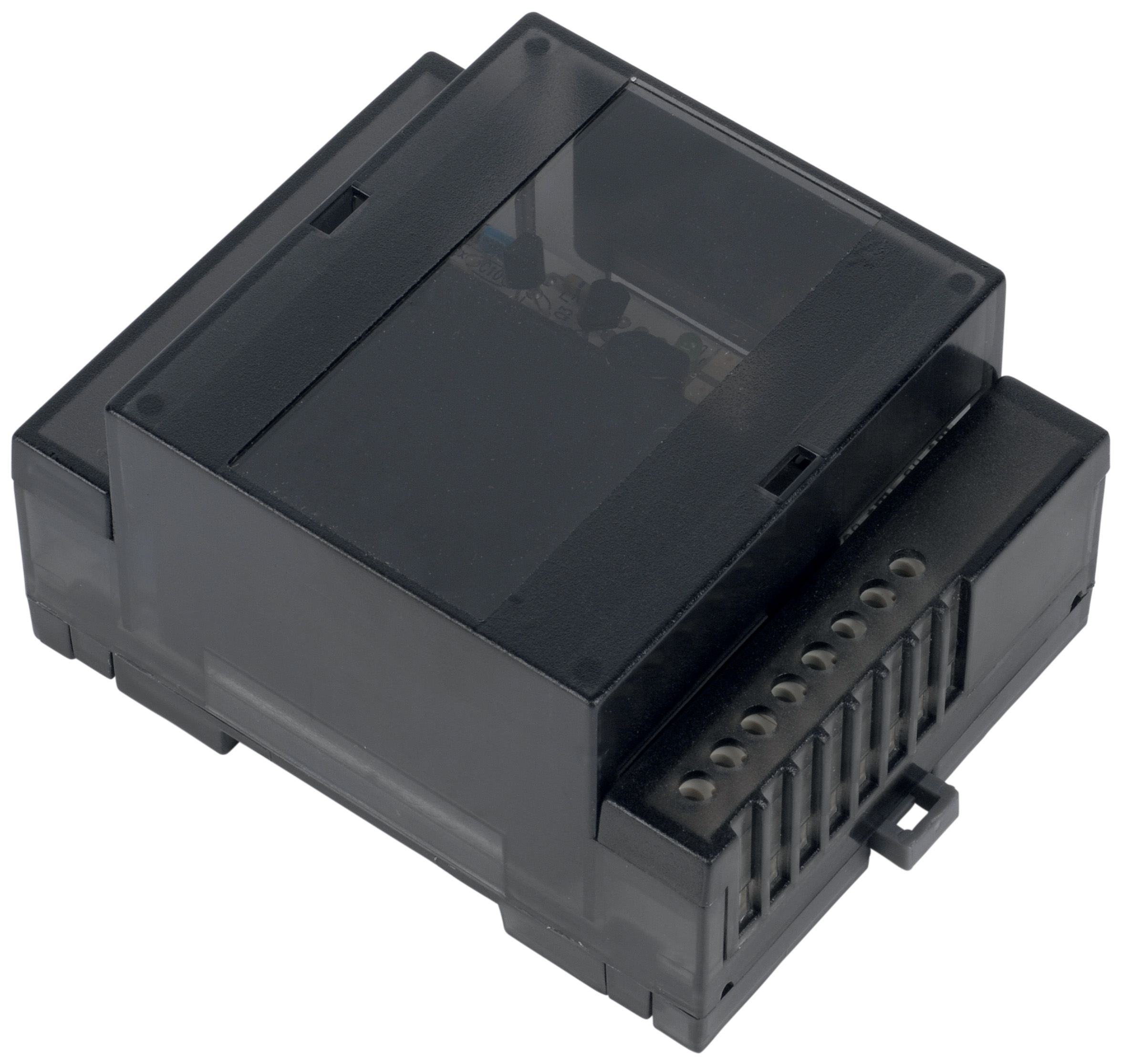
The CBM Flame relay CF1 represents a dedicated flame detection module designed for industrial burner applications. Unlike integrated control boards, standalone flame relays offer several procurement advantages:
- Modular replacement capability: Failed relay replacement requires 15-30 minutes, not weeks for control system board procurement
- Standardized interface protocols: Compatible with multiple burner manufacturers, reducing vendor lock-in
- Proven field reliability: Millions of operating hours across global installations establish predictable failure patterns
- Cost-effective redundancy: Secondary flame relay installation enables hot-standby operation for critical processes
Flame relay comparison metrics relevant to procurement decisions:
| Specification | CF1 Class Relay | Integrated Board Control |
|---|---|---|
| Lead time | 2-4 weeks | 8-16 weeks |
| Replacement cost | $400-700 | $2,500-5,000 |
| Installation time | 0.5 hours | 4-6 hours |
| Spare parts availability | Global distributor network | Manufacturer-dependent |
| Obsolescence risk | Low (20+ year support) | Moderate (5-7 year support) |
The CBM Relay CM391.2 30.5 1.2 extends flame detection capability through modular relay platforms. These expandable architectures permit procurement of base functionality with upgrade pathways—valuable when facility requirements evolve. A base relay configured for simple on-off burner operation accepts additional modules for modulation, valve proving, or sequence logic without complete system replacement.
Control System Architecture and Mounting Reliability
Control system architecture—specifically the mounting infrastructure for relays and supporting components—significantly impacts operational reliability and maintenance efficiency. Standardized relay bases eliminate custom wiring and reduce installation errors.
The CBM Base LGK AGM17 provides standardized mounting for relay modules, offering several procurement and operational advantages:
Reliability benefits through standardization:
- Plug-in relay design: Eliminates screw-terminal connections prone to vibration-induced loosening
- Keyed connector interface: Prevents reversed module installation that could disable burner operation
- Thermal management: Standardized base design incorporates air gaps and spacing for convective cooling
- DIN-rail compatibility: Supports organized control cabinet layouts reducing wiring complexity and troubleshooting time
From a procurement perspective, standardized base platforms generate significant advantages:
1. Inventory optimization: Single base SKU supports multiple relay configurations, reducing total SKU count in spare parts inventory
2. Cross-facility standardization: Engineering teams implementing identical base platforms across multiple facilities simplify training and reduce technician certification requirements
3. Upgrade flexibility: New relay modules become available quarterly; mounting on compatible bases ensures access to latest flame detection technology without control panel redesign
Total cost of ownership modeling for control infrastructure:
A facility operating 15 burner installations with individual integrated control boards faces potential replacement costs approaching $45,000 if all boards become obsolete simultaneously. Modular relay base architecture distributes replacement costs over time—individual relay modules ($500-800) replace at intervals as failure patterns emerge, rather than forcing coordinated replacement across all systems.
Modulating Burner Integration and Component Interdependency
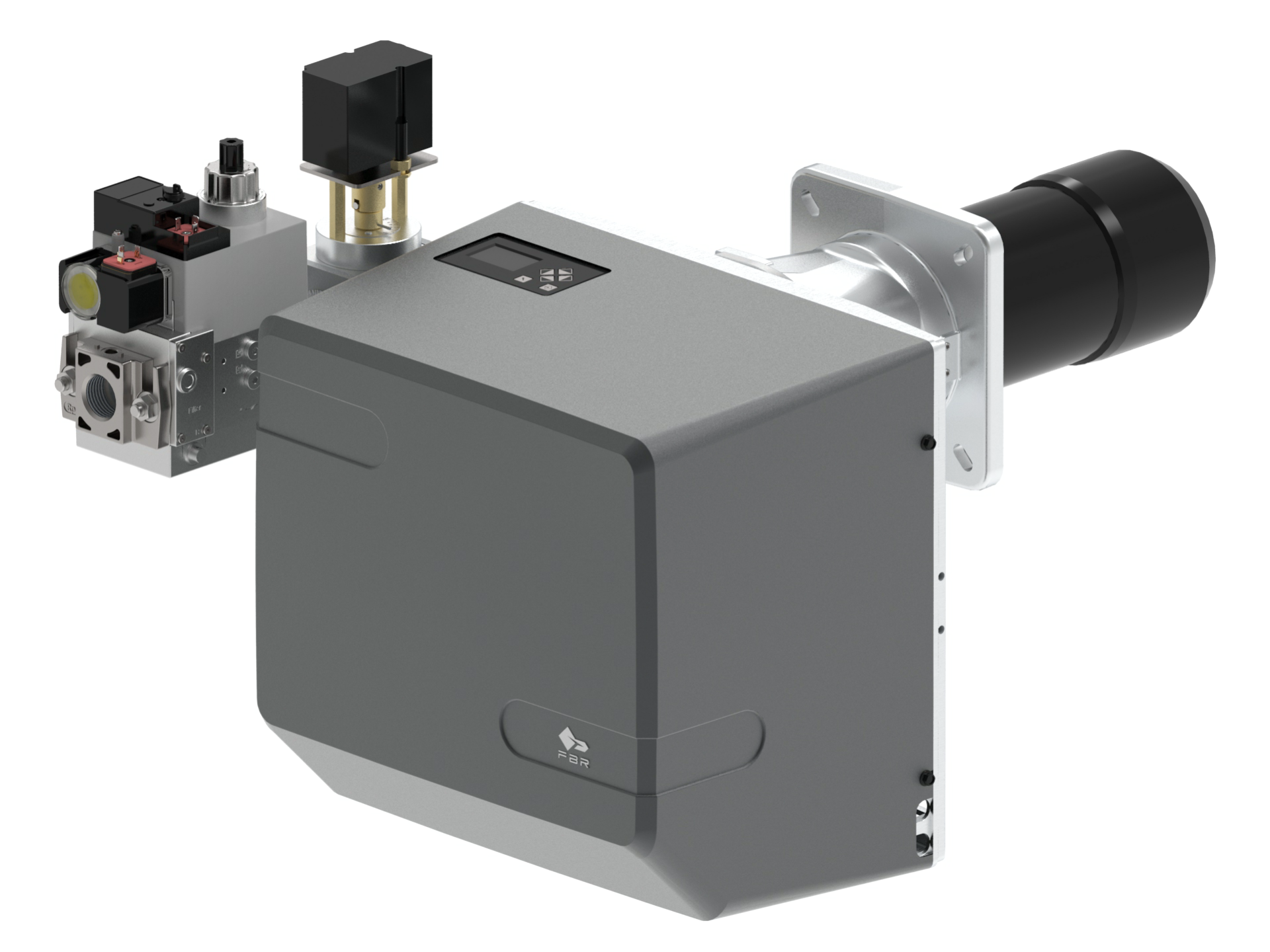
Modulating Burners & Combustion systems introduce component interdependencies that require careful procurement planning. The FBR BURNER GAS X5/MF TL EL VC LPG with modulation capability exemplifies modern burner design integrating variable fuel supply, PID control algorithms, and optional modulation kits.
Modulating system component selection differs fundamentally from on-off burner procurement:
Modulating-specific procurement considerations:
- Burner instrumentation: Modulating systems require combustion air pressure sensors, fuel pressure sensors, and flame signal strength measurement—components absent in basic burners
- Control calibration precision: PID modulation algorithms demand individual system calibration, extending commissioning timelines and requiring trained technicians
- Valve modulation compatibility: Solenoid valves suitable for on-off applications may exhibit insufficient response speed for modulation; specialized proportional valves increase component cost 300-400%
- Pilot burner reliability: Main burner modulation depends on stable pilot flame; pilot burner component selection becomes critical to overall system reliability
For procurement engineers evaluating modulation retrofit opportunities, component interaction analysis proves essential. Installing a high-quality modulating valve on an existing burner without updating flame relay circuitry may produce instability—excessive cost expenditure yielding poor performance.
Modulating system ROI typically requires 18-36 months of operation to recapture capital investment through fuel savings. Procurement strategy should verify facility thermal load characteristics support modulation benefits before component selection.
Practical Procurement Strategy and Lifecycle Planning
Effective procurement of Burners & Combustion components requires systematic evaluation beyond specification sheets:
Procurement decision framework:
1. Establish reliability metrics: Define acceptable Mean Time Between Failure (MTBF) targets for each component category
2. Calculate TCO by component: Incorporate capital cost, installation labor, spare parts inventory carrying costs, and replacement labor
3. Evaluate supply chain risk: Identify lead time bottlenecks; prioritize components where 3G Electric's global distribution network provides competitive advantage
4. Plan obsolescence transitions: Components from established manufacturers (CBM relay platforms) support 20+ year operational lifecycles; integrated control boards typically face 5-7 year obsolescence windows
5. Standardize across facilities: Multi-facility operators should standardize on component platforms enabling cross-site spare parts sharing and technician skill transfer
3G Electric's 35+ years managing industrial equipment distribution provides procurement engineers access to historical reliability data, manufacturer relationships enabling expedited delivery, and technical support teams experienced in complex combustion system integration. Component selection represents a decision with 15-25 year operational impact; partnership with established industrial distributors reduces risk through proven expertise.
Procurement success in Burners & Combustion systems emerges from treating component selection as strategic infrastructure investment rather than commodity purchasing. The lowest-cost solenoid valve or flame relay frequently proves most expensive when factoring operational disruption and extended downtime. 3G Electric supports procurement engineers through technical consultation, competitive component sourcing, and rapid fulfillment ensuring combustion systems operate reliably across their full operational lifespan.