Understanding Burners & Combustion PID Modulation Architecture
Modulating burner systems represent a significant advancement in industrial combustion efficiency, allowing real-time adjustment of fuel input based on actual thermal demand. Unlike on-off burners that cycle continuously, PID (Proportional-Integral-Derivative) controlled Burners & Combustion systems maintain precise setpoint temperatures through continuous modulation of gas flow rates. For procurement engineers, understanding this architecture is essential when evaluating equipment that can reduce operational costs by 15-25% compared to conventional systems.
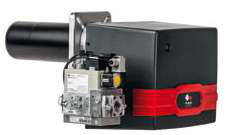
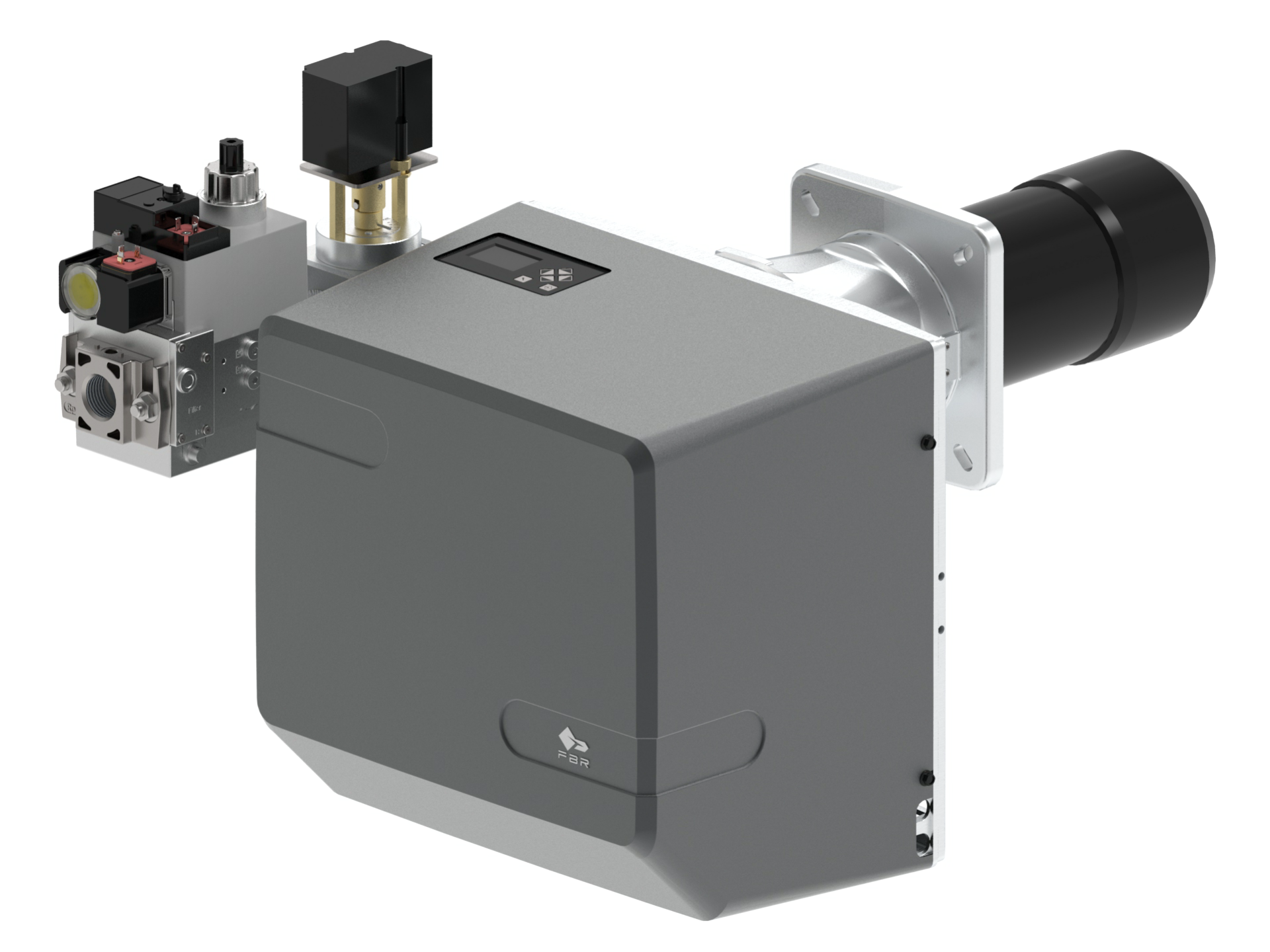
The core of a modulating burner system consists of three integrated subsystems: the combustion unit with modulation capability, the control and safety relay system, and the sensing/feedback instrumentation. The FBR BURNER GAS X5/MF TL EL VC LPG exemplifies modern modulation design with its die-cast aluminum body, high-pressure fan system, and factory-ready architecture for optional modulation kit integration. This modular approach allows you to specify base burner units and add modulation capability only where required, optimizing capital expenditure across your equipment portfolio.
PID modulation works by continuously monitoring actual temperature conditions through a probe and comparing them against your setpoint. The control system calculates three correction factors—proportional response to current error, integral response to accumulated error over time, and derivative response to the rate of change. This three-factor approach eliminates the overshoot, oscillation, and hunting characteristics of simpler on-off or two-position systems, resulting in tighter temperature control and reduced fuel consumption.
Specifying Core Control and Safety Components
Successful Burners & Combustion procurement requires careful specification of interconnected control components that work in concert to deliver both efficiency and safety. Your specification must include the safety relay system as the foundational element, with flame detection and fuel isolation happening before any modulation occurs.
The CBM Flame relay CF1 provides essential flame detection functionality, continuously monitoring combustion status and shutting down fuel supply within milliseconds if flame loss occurs. This component is not optional—it represents the critical safety boundary in your system. Paired with this relay, the CBM VCS 1E25R/25R05NNWL3/PPPP/PPPP double solenoid valve manages fuel isolation with dual redundancy. The dual solenoid design means both valve elements must fail in the open position to create a hazardous condition, meeting international safety standards for burner installations.
Your control architecture should follow this sequence: setpoint input → PID calculation → modulation signal → proportional solenoid response → fuel flow adjustment → temperature measurement → feedback loop. The CBM Relay CM391.2 30.5 1.2 functions as the intermediate processing unit, accepting feedback signals from your temperature probe and converting them into proportional valve commands. When specifying this relay, confirm it matches your probe resistance range (typically 100-1000 ohms depending on RTD type) and your proportional valve operating voltage—most industrial installations use 0-10V DC control signals.
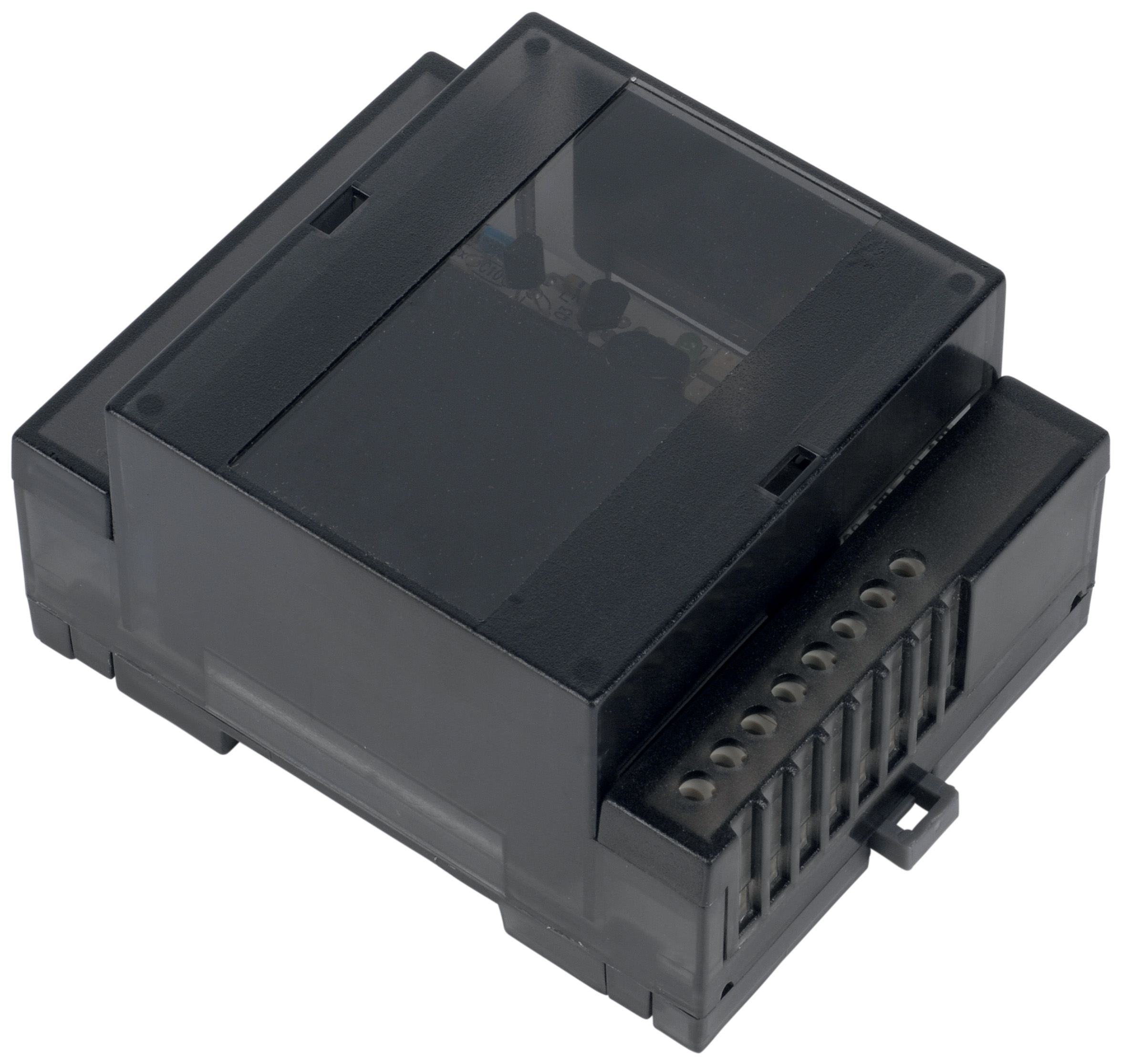
The CBM Base LGK AGM17 provides the mechanical and electrical mounting foundation for your relay system. This base component is often overlooked during procurement, but it ensures proper DIN-rail installation, terminal access for field wiring, and adequate electrical isolation between control signals and high-voltage power lines. Procurement engineers frequently specify relay bases separately from relays, creating integration errors on-site. Our recommendation: always purchase relays and bases together from a single vendor to guarantee mechanical and electrical compatibility.
Integration Strategy and Specification Requirements
Integrating modulating Burners & Combustion components requires detailed attention to several critical parameters that must align across your equipment selection. Begin by documenting your process requirements: setpoint temperature, acceptable temperature swing (typically ±2-5°C for modulating systems), maximum and minimum fuel demand, and response time requirements.
Next, determine your control signal voltage and current capabilities. Most proportional solenoid valves operate on 0-10V DC control signals with 20-100mA current draw. Your control relay must source this voltage without voltage drop, so verify that your relay's output amplifier can deliver minimum 200mA at full output—this provides safety margin for long cable runs and ensures valve response even as the relay ages. When specifying cable runs from relay to solenoid, use shielded twisted pair and run 24V power return through separate conductors; this prevents ground loop noise that causes erratic modulation.
Temperature probe selection impacts your entire control performance. Three-wire RTD probes (PT100 or PT1000 elements) are preferred over two-wire units because they compensate for lead resistance over long distances. Specify probe immersion depth based on your vessel internal diameter—immersion should reach at least one-third of the diameter to ensure you're measuring bulk liquid temperature rather than localized heating near the probe tip. For 1-meter diameter vessels, a 400-500mm immersion depth is typical.
Response time requirements deserve particular attention. Modulating systems require 2-5 seconds for a complete control cycle (measure → calculate → adjust → remeasure). If your process demands faster response, you cannot rely on proportional modulation and must specify larger burner units with on-off control instead. Conversely, slow processes (industrial ovens, large steam generators) benefit from modulation because the proportional response prevents overshooting setpoint and wasting fuel.
With 35+ years of industrial equipment distribution experience, 3G Electric has observed that procurement specification errors typically fall into three categories: undersizing the control relay's current capability, mismatching probe resistance ranges between sensor and relay inputs, and failing to specify adequate surge protection on solenoid valve coils. Include these protections in your baseline specification to prevent costly field modifications: a 24V surge protection module at the solenoid coil terminals (typically a varistor or suppression diode module), a 0-10V output filter on your relay's modulation signal output (simple RC filter: 10kΩ resistor + 0.1µF capacitor), and a current-limiting fuse on the 24V power supply circuit sized at 150% of expected control current.
Vendor Evaluation and Total Cost of Ownership Analysis
Procurement engineers must evaluate Burners & Combustion suppliers using total cost of ownership (TCO) rather than unit purchase price alone. A modulating system specification involves 5-8 separate components from different manufacturers potentially, creating integration risk and warranty complications. Single-source specifications reduce this risk significantly.
When evaluating vendors, request these specific deliverables: certified compatibility matrices showing which relay models work with which burner units and control valve types, application notes documenting successful installations in similar industries, and field support availability for your geographic region. Review manufacturer datasheets for actual response time specifications (measured in seconds), not just marketing claims of "fast response."
Cost comparison should include five line items: base burner unit cost, modulation kit cost (if add-on), control relay cost, solenoid valve and base cost, and temperature probe cost. Many procurement engineers focus only on line items 1-2 and overlook that modulation kits are typically 20-30% of total system cost. A complete modulating burner installation averages 2.5-3.5× the cost of an on-off unit but delivers 1.5-2.0× the operating cost savings annually through reduced fuel consumption, longer component life (less thermal cycling), and improved product quality (tighter temperature control).
Request pilot installations before full-scale procurement. Specify a 30-day trial with one burner unit, one complete relay package, and monitoring equipment to measure actual fuel savings versus your on-off baseline. Document temperature stability (standard deviation of measured setpoint) and fuel consumption rates. This real-world data prevents costly mistakes when scaling to five, ten, or twenty burner installations.
Documentation and Compliance Requirements
Modulating Burners & Combustion systems trigger additional documentation requirements compared to conventional burners. Your procurement specification must include: equipment performance certificates (typically CE marking with documented emissions testing), control system circuit diagrams showing relay wiring, RTD probe specification sheets with resistance-temperature tables, and safety shutdown procedure documentation.
For international installations, verify that your selected components meet regional standards. European installations require CE marking under Directive 2014/35/EU (Low Voltage) and 2014/30/EU (EMC). North American installations may require CSA or UL certification depending on vessel pressure rating. Asian markets increasingly require specific national approvals. 3G Electric's global distribution network ensures you can source regionally compliant components rather than retrofitting units designed for different regulatory frameworks.
Maintenance documentation should be part of your procurement package. Request from vendors: recommended probe replacement intervals (typically annually), solenoid valve service kits availability, relay calibration procedures, and proportional valve response time verification methods. This ensures your operations team can maintain system performance over a 5-10 year operational life.
Build a specification template for your organization that includes all control parameters, component selections, wiring diagrams, and test procedures. This template becomes your procurement standard, reducing specification errors on repeat installations and enabling faster vendor quotes and equipment procurement cycles.