Understanding Burners & Combustion in Legacy vs. Modern Systems
Burners & Combustion systems in Southeast Asian facilities often represent a mix of equipment ages—some installations dating back 15-20 years running alongside newer technology. As an HVAC contractor, your challenge involves identifying which legacy systems merit retention and which demand modernization.
Legacy burner systems typically rely on mechanical float switches, simple pressure gauges, and basic flame detection through ionization probes. Modern combustion control combines digital safety relays, programmable logic controllers, and redundant flame monitoring (UV + ionization). The practical difference? A legacy system might detect flame failure after 2-3 seconds; modern systems validate flame presence continuously within 100 milliseconds.
3G Electric's 35+ years distributing industrial equipment across Southeast Asia has exposed us to this exact transition challenge. Contractors frequently ask whether retrofitting controls into existing burners makes economic sense, or if complete replacement delivers better long-term value. The answer depends on three factors: thermal power requirements, fuel type versatility, and local regulatory pressure (Singapore, Thailand, and Malaysia increasingly mandate EN 746-2 and EN 676 compliance).
Comparing Control Relay Solutions: Mechanical Versus Electronic Architecture
The most critical upgrade decision involves replacing mechanical flame detection relays with modern electronic safety units. This comparison directly impacts your service costs, warranty exposure, and customer satisfaction.
Legacy Mechanical Relays:
- Single-point flame detection (ionization only)
- Manual reset after lockout—requires field visit
- No diagnostic feedback; failures appear sudden
- Typically 5-8 second response time
- Difficult to integrate with building management systems
- Support from aging manufacturers increasingly unreliable
The Kromschroder BCU 570WC1F1U0K1-E exemplifies current-generation burner control technology. This relay supports direct ignition and intermittent/continuous pilot modes, complying with EN 746-2 and EN 676 standards. Key advantages for HVAC contractors include:
- Dual flame detection (UV + ionization) eliminates false lockouts from contamination
- Self-diagnostic capability identifies component failures before catastrophic burnouts
- Configurable operating modes accommodate different burner fuel types in a single installation
- Integrated safety interlocks prevent ignition without combustion air verification
- Digital status outputs integrate with building automation systems for predictive maintenance
When retrofitting controls into existing burner bodies, the BCU 570WC1F1U0K1-E provides backward compatibility with many legacy ignition systems while introducing SIL 2 safety certification. This means your customer gains modern reliability without complete equipment replacement.
The Siemens LFL 1.622 represents an alternative for contractors managing dual-fuel installations (gas + oil switchover). This safety control unit suits medium-to-high power ratings with controlled air damper capability—critical in Southeast Asia's humidity-prone environments where combustion air quality varies seasonally.
Pressure Switch Integration: Ensuring Robust Fuel Supply Monitoring
One overlooked aspect of burner system upgrades involves pressure monitoring. Legacy installations often lack adequate fuel pressure verification, leading to incomplete combustion and flame stability issues.
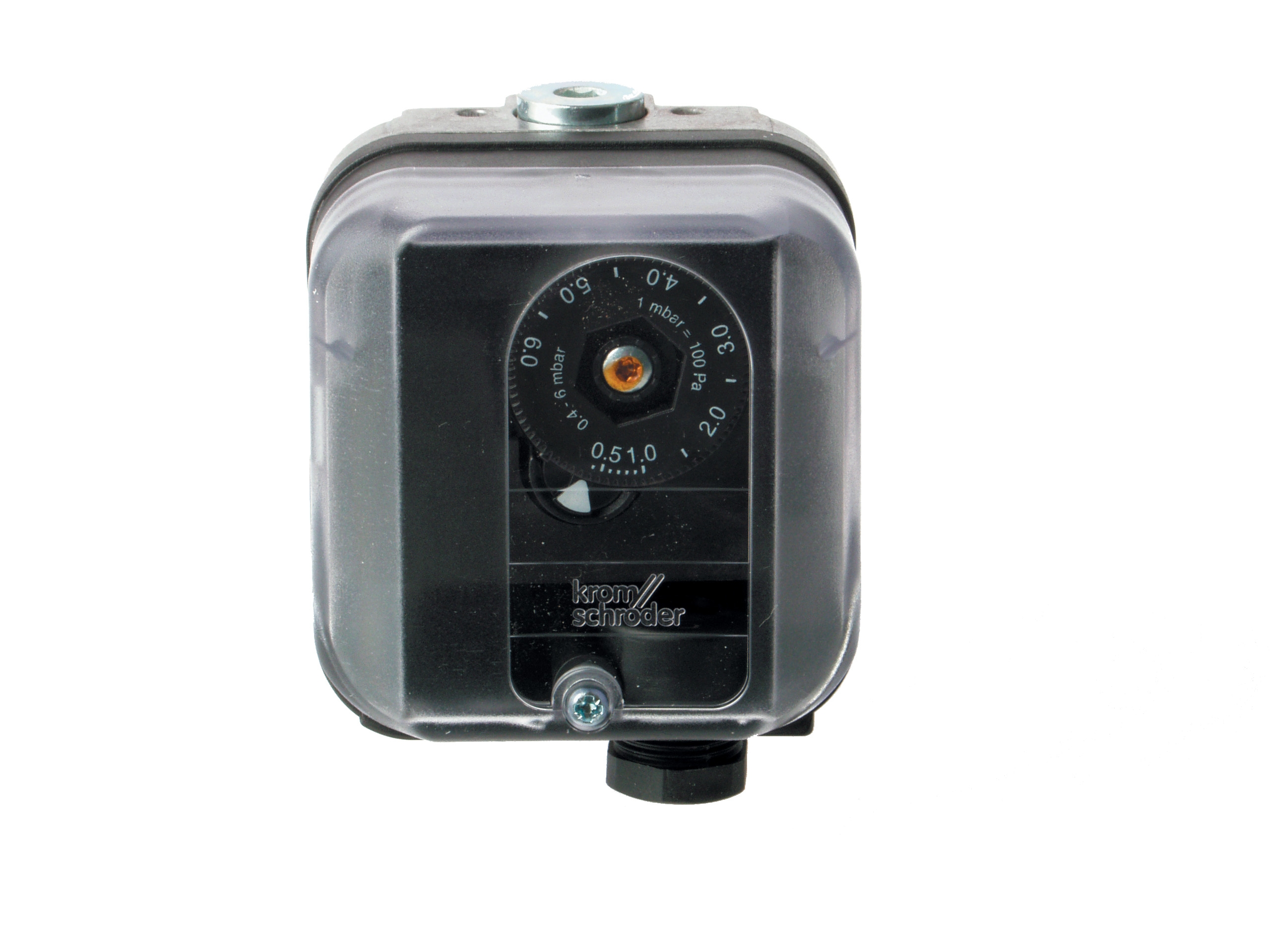
The Kromschroder DG 50U/6 pressure switch delivers SIL 3 and Performance Level e certification—exceeding most modern regulatory requirements. For HVAC contractors, this component solves two practical problems:
Problem 1: Intermittent Pilot Flame Loss
Legacy systems sometimes experience delayed fuel delivery to pilot burners, especially during humid monsoon seasons common throughout Southeast Asia. The DG 50U/6 monitors fuel line pressure continuously, preventing ignition attempts when pressure drops below safe thresholds. This prevents the costly scenario where a burner repeatedly attempts ignition without fuel, damaging ignition electrodes.
Problem 2: Cross-System Contamination
In facilities running multiple burner systems (boilers, process heaters, ovens), pressure drops in one burner can indicate contamination or blockage affecting fuel quality system-wide. Early detection via pressure monitoring prevents cascading failures across multiple burner installations.
The DG 50U/6 meets FM, UL, AGA, and GOST-TR certifications—important for contractors managing equipment for multinational facilities operating across Southeast Asia. A single component qualification eliminates confusion during maintenance cycles.
Comparing Burner Performance Specifications for Different Application Requirements
Not all combustion upgrades require identical equipment. The thermal power range, fuel type flexibility, and modulation capability must match your specific installation.
Light Commercial / Building HVAC Applications:
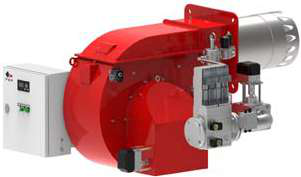
The FBR GAS XP 60/2 CE TC EVO serves two-stage gas burner applications delivering 116–630 kW thermal power. This burner suits:
- District heating systems common in larger Southeast Asian industrial parks
- Backup heating in hotels, hospitals, and government buildings
- Process steam generation for small manufacturing facilities
Operating at 66–69 dBA with IP 40 protection, this burner tolerates humid coastal environments (Singapore, Thailand port facilities) where salt spray and moisture accelerate standard equipment corrosion. The two-stage design allows part-load operation, reducing fuel consumption during low-demand periods—significant for energy cost management.
Heavy Industrial / Continuous Process Heat:
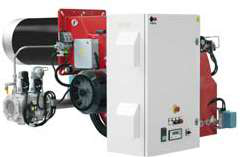
The FBR KN 1300/M TL EL addresses demanding applications requiring fuel flexibility. This dual-fuel heavy oil burner delivers 1,700–11,500 Mcal/h with modulating control across two stages.
For HVAC contractors managing facilities that operate:
- Batch processing with variable heat demand
- Seasonal fuel switching (gas during abundant supply; diesel during shortages)
- Extended runtime requiring minimum 10,000+ hour intervals between overhauls
The modulating capability prevents on/off cycling that stresses components and wastes fuel. In Southeast Asian applications where utility grid reliability varies by region, the ability to operate at any power level between minimum and maximum output provides operational stability competitors cannot match.
Practical Upgrade Decision Framework for HVAC Contractors
When evaluating whether to retrofit or replace existing burner systems, apply this comparative analysis:
Retrofit Viability Checklist:
- Burner body structural integrity confirmed via ultrasonic inspection (no tube wall thinning)
- Existing fuel supply piping compatible with modern pressure switch requirements (≥SIL 2 rated)
- Available mounting space accommodates modern control relay footprint
- Customer budget allows phased implementation (controls upgrade year 1; full burner replacement year 3-5)
- Regulatory pathway clear (new controls must meet local fuel safety certification)
- Burner age exceeds 20 years OR thermal power demand increased >25%
- Existing fuel type no longer preferred (coal to gas conversion; heavy oil to natural gas)
- Component failure rate exceeds 3 incidents annually despite routine maintenance
- Building automation integration required; legacy system lacks digital interfaces
- Noise complaints received; modern burners reduce operating sound levels 6-12 dB
3G Electric's experience across 35+ years in Southeast Asia demonstrates that most contractors achieve optimal ROI by mixing strategies: control upgrades for stable installations; complete burner replacement when thermal power expansion planned. This hybrid approach distributes capital expense over multiple budget cycles while improving system reliability progressively.
Integration Best Practices for Seamless Installation
Successful Burners & Combustion upgrades require attention to component compatibility beyond simple specifications.
Commissioning verification steps:
- Confirm fuel pressure switch (DG 50U/6) calibration matches new control relay (BCU 570WC1F1U0K1-E) threshold settings within ±0.1 bar tolerance
- Validate flame detection response time using manufacturer's test flame procedure; document baseline before and after upgrade
- Verify combustion air intake remains unobstructed; Southeast Asia's dust environments require monthly air filter inspection during commissioning phase
- Test flame safety interlock by simulating air supply loss; system must shutdown within 2 seconds
- Configure burner modulation parameters to match building demand patterns; oversizing controls wastes fuel during low-load operation
Contractors managing multiple facilities benefit from developing standardized control packages. Rather than custom configurations for each site, using identical component combinations (BCU 570WC1F1U0K1-E + DG 50U/6 + specified ignition electrode) reduces inventory complexity, training requirements, and warranty management overhead.
Maintenance and Lifecycle Cost Implications
Upgrading Burners & Combustion systems affects long-term maintenance burden. Modern electronic controls typically outlast mechanical systems by 5-7 years, but require different diagnostic approaches.
Legacy systems demanded annual component replacement (electrodes, ignition transformers, flame sensors). Modern systems operated properly rarely require mid-lifecycle component changes. Instead, preventive maintenance shifts to environmental management: protecting electrical enclosures from moisture, cleaning combustion air filters regularly, and validating fuel quality quarterly.
In Southeast Asia's coastal and high-humidity regions, the IP 40 protection rating of modern burners prevents internal corrosion that would destroy exposed mechanical linkages within 3-4 years. This translates to 40-60% reduction in parts inventory requirements for contractors managing multiple customer installations.
The Siemens LFL 1.622 and Kromschroder BCU 570WC1F1U0K1-E both provide digital diagnostic readouts that allow remote condition monitoring. Contractors can schedule maintenance proactively rather than responding to failures—reducing emergency service calls and improving customer satisfaction.
Conclusion
Burners & Combustion system upgrades represent both capital investment and strategic opportunity for HVAC contractors. Modern control systems deliver regulatory compliance, operational reliability, and integration capabilities that legacy equipment cannot match. By applying systematic comparison frameworks and phased upgrade strategies, contractors can guide customers toward sustainable long-term solutions while optimizing their own service margin and technical reputation.
3G Electric remains committed to supporting Southeast Asia's HVAC contractor community with proven component selections and technical guidance drawn from decades of regional equipment experience.