Understanding Burners & Combustion Electrical Control Architecture
Burners & Combustion systems operate at the intersection of mechanical fuel delivery and electrical safety systems. Unlike combustion itself—a chemical process—the control systems managing ignition, flame detection, modulation, and safety lockouts are entirely electrical. For procurement engineers specifying equipment in Singapore and Southeast Asian industrial facilities, understanding electrical control architecture is critical to system reliability, compliance, and total cost of ownership.
3G Electric has supplied burner control systems for over 35 years, serving industrial facilities across the region where combustion equipment must meet stringent safety standards and perform reliably in tropical climates. This guide compares control methodologies, electrical specifications, and component selection criteria relevant to modern industrial procurement.
Section 1: Microprocessor-Based vs. Relay-Based Control Systems
Microprocessor Control Systems
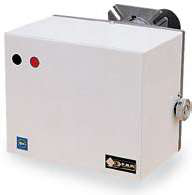
Modern burner control relies increasingly on microprocessor-based electronic systems that offer real-time diagnostics, flexible modulation, and detailed fault logging. The SIT 0577211 electronic burner control exemplifies this approach—a microprocessor-controlled unit designed for gas appliances and boilers operating on natural gas or LPG.
Key technical advantages:
- Precision ignition management: 2-4 mm spark gap control with consistent voltage delivery ensures reliable pilot ignition
- Alarm output capability: 230 Vac alarm output at 1 A allows integration with building management systems and remote monitoring
- Gas detection compatibility: Designed for both natural gas and LPG, reducing inventory complexity for facilities operating multiple fuel sources
- Compact form factor: Electronic controls occupy less physical space than traditional relay panels, enabling retrofit into constrained mechanical rooms
Traditional Relay-Based Safety Control
The Satronic DMG 970-N MOD.01 relay represents industrial-scale relay architecture for large combustion systems. This control relay interfaces with flame detection sensors (IRD 1020, UVD 971 models) and manages burner startup sequences, safety interlocks, and lockout logic.
Key technical characteristics:
- Dual frequency operation: 50 Hz and 60 Hz capability supports both Singapore (50 Hz) and facilities with imported equipment (60 Hz circuits)
- Multi-voltage supply options: 220/240V and 110/120V configurations provide flexibility in plant electrical architectures
- Proven reliability in harsh environments: Relay-based systems tolerate power surges, electromagnetic interference, and temperature extremes better than microprocessor units
- Modular expandability: Relay logic can be extended with additional safety modules without full system replacement
Section 2: Fuel Type and Electrical System Matching
Oil Burner Electrical Requirements
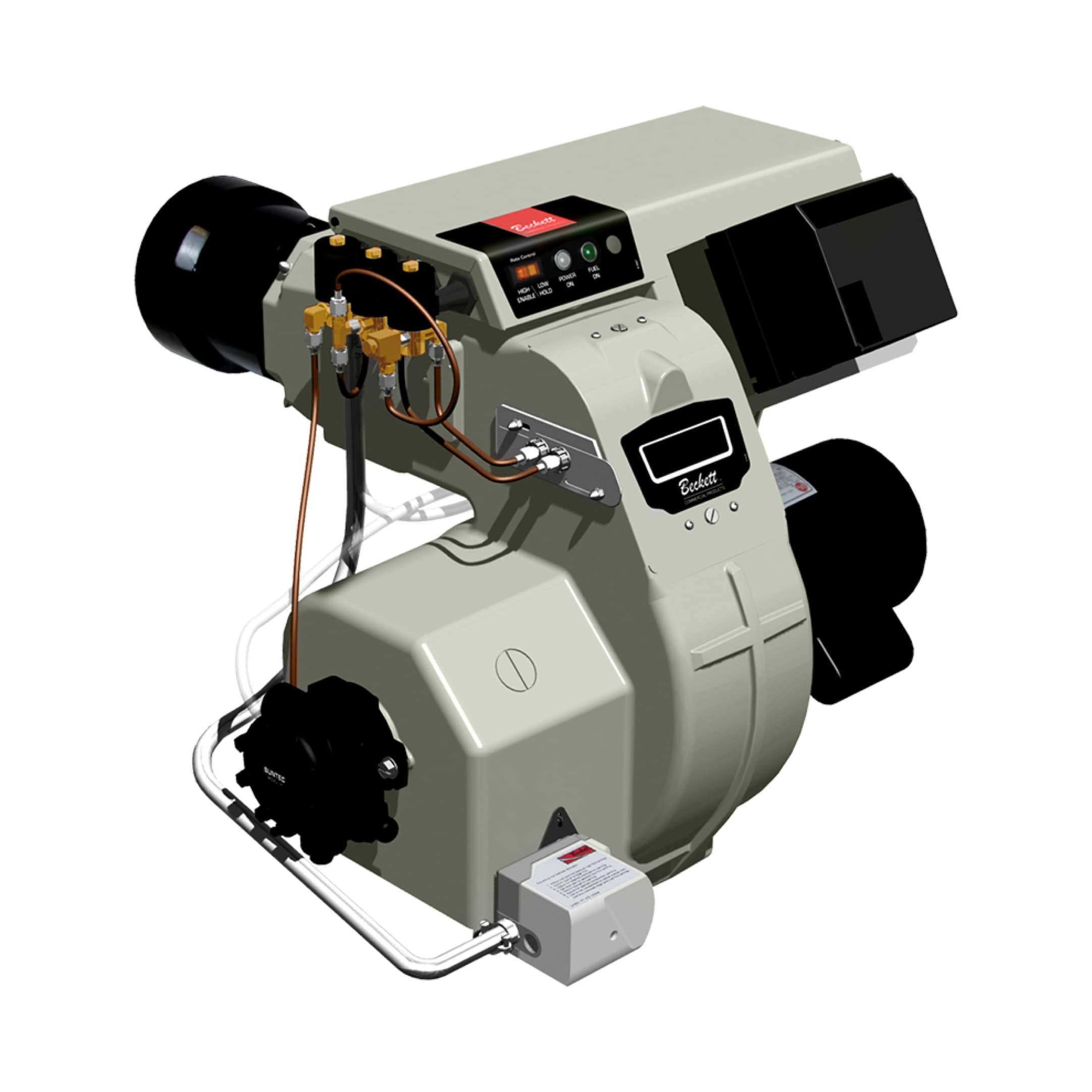
Oil combustion systems present distinct electrical control challenges compared to gas. The Beckett CF3500 oil burner operates at 17.00–35.00 GPH (gallons per hour) and requires direct spark ignition—demanding higher voltage and current stability than gas systems.
Electrical specification details:
- AC power requirement: Unlike modulating systems, oil burners need consistent AC voltage for ignition transformer operation
- Spark ignition energy: 10–14 kV secondary voltage at the spark electrode, requiring robust isolation from control circuit low-voltage logic
- Flame detection: Oil systems use robust UV or infrared flame sensors—more tolerant of combustion chamber fouling than gas pilot flame sensors
- Fuel pump motor: Typically 1–2 HP motor requiring soft-start or contactor protection to limit inrush current
Industrial Gas Burner Electrical Architecture
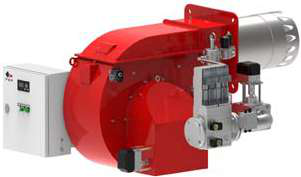
Large-scale gas burners like the FBR HI-GAS P550/M CE TL (2325–6395 kW output) operate on 3-phase electrical supply and demand sophisticated modulation control.
System specifications:
- 3-phase requirement: 380–415V, 3-phase, 50 Hz standard in Singapore industrial facilities
- Fuel modulation range: Proportional gas valve control maintains thermal output from minimum (25% of nameplate) to maximum through 0–10 Vdc modulation signal
- Combustion air fan: Variable-speed drive (VFD) coordinates fan output with gas valve position to maintain optimal air-fuel ratio across load range
- Pressure transducers: Gas inlet, combustion chamber, and pilot pressure monitoring provides real-time combustion diagnostics
Kitchen Equipment Electrical Simplicity
The FBR X GAS 2/C kitchen burner (15–60 Mcal/h, 17.4–69.8 kW) operates with minimal electrical complexity—110 W fan motor and manual modulation valve, suitable for stand-alone installation.
Electrical characteristics:
- Single-phase 230V operation: Standard commercial power supply, no three-phase wiring required
- Thermostat or manual control: Basic on-off or step modulation without sophisticated electronics
- Fan motor protection: Thermal overload protection adequate for ambient temperatures up to 40°C
Section 3: Safety Relay Logic and Flame Detection Integration
Flame Detection Sensor Selection
Flame detection forms the safety foundation for all burner control systems. The choice between UV, infrared, and ionization detection methods depends on fuel type, burner scale, and operational environment.
Comparison for procurement decision:
| Detection Type | Fuel Compatibility | Environmental Sensitivity | Response Time | Cost |
|---|---|---|---|---|
| UV (Ultraviolet) | Gas, oil, multi-fuel | Low (robust) | <1 second | Moderate |
| Infrared (4-20 µm) | Oil primary | Moderate (dust, soot) | 1-2 seconds | Moderate |
| Ionization | Gas only | High (moisture-sensitive) | <0.5 seconds | Low |
For Singapore industrial facilities, UV detection is preferred—it tolerates humid tropical air and combustion chamber deposits better than ionization. Infrared works well for oil systems in clean mechanical rooms but requires more frequent calibration in dusty environments.
Safety Relay Control Logic
The Satronic DMG 970-N MOD.01 exemplifies industrial safety relay architecture. Typical sequence logic:
1. Startup interlock: Verify fuel valve closed, fan running minimum 10 seconds for combustion chamber purge
2. Ignition phase: Energize spark ignition and open pilot gas valve for 3-5 seconds
3. Flame detection: UV/infrared sensor must detect flame within 2 seconds of ignition attempt
4. Flame confirmation: Sensor signal sustained for 0.5 seconds minimum before transitioning to main gas valve
5. Safety lockout: If flame extinguishes during operation, shut fuel valves immediately and inhibit re-ignition for 30 seconds (prevents rapid cycling that damages ignition transformer)
Procurement specification: Ensure control relays support adjustable lockout timer—different facility managers may have different commissioning preferences. Specify diagnostic indicator lights: power on, fuel valve energized, flame detected, lockout active. These visual diagnostics enable technicians to diagnose failures without electrical test equipment.
Section 4: Electrical Integration and Specification Checklist for Procurement
Voltage and Power Supply Considerations
- Primary supply: Confirm facility three-phase voltage (380V, 415V, or 400V) and frequency (50 Hz standard in Singapore; verify imported equipment compatibility)
- Control circuit supply: Modern systems require stabilized 24 Vdc for flame sensor electronics and solenoid valve coils—specify 500 W minimum uninterruptible power supply (UPS) for systems requiring flame-out safety lockout during power interruption
- Emergency shutdown: Include dedicated emergency stop (E-stop) circuit independent of microprocessor logic—allows manual burner shutdown without control system power
Environmental Specifications
- Enclosure rating: IP54 minimum for mechanical rooms; IP65 for outdoor/damp locations; IP67 for installations near water spray or steam
- Temperature range: Standard industrial control rated 0–50°C; verify equipment rated to 55°C for Singapore high-temperature mechanical rooms
- Humidity tolerance: Specify sealed enclosures with desiccant packs for facilities operating in coastal areas (salt spray risk) or below-ground locations
Safety Compliance and Certification
- Singapore Standard SS 564: All gas appliance controls must comply; request certification documentation with purchase order
- IEC/EN standards: 61010 (safety), 61326 (EMC electromagnetic compatibility), 60947 (low-voltage switchgear)
- Local electrical licensing: Ensure installation performed by licensed contractor; many facilities require third-party safety inspection before commissioning
Maintenance and Spare Parts Availability
Specify equipment with documented spare parts availability in Singapore or regional distribution centers. 3G Electric maintains 35+ year supply relationships enabling rapid parts sourcing for legacy and current equipment. When procuring new systems, consider:
- Lead time for critical components (microprocessor boards, flame sensors, ignition transformers)
- Training availability for facility maintenance staff
- Diagnostic software licensing (if microprocessor-based systems require laptop interface for commissioning)
- Warranty terms and technical support response times
Comparative Implementation Example: Small Boiler System
Scenario: 100 kW gas-fired boiler for commercial facility, 2,500 operating hours annually.
Option A - Microprocessor Control (SIT 0577211-based):
- Compact control unit with integrated diagnostics
- Lower wiring complexity and panel space requirement
- Annual predictive maintenance from fault logs
- Cost: ~$2,800 installed
- Requires UPS backup; sensitive to power quality
- Distributed relay panel with modular expandability
- Superior immunity to electrical noise and surges
- Higher diagnostic complexity without electronics
- Cost: ~$3,200 installed
- Field-serviceable without software tools
Conclusion
Burners & Combustion electrical control selection directly impacts operational reliability, safety compliance, and maintenance burden. Modern procurement strategy requires balancing microprocessor sophistication against field serviceability and environmental robustness. With 35+ years of regional experience, 3G Electric supplies both control architectures across industrial, commercial, and HVAC applications throughout Singapore and Southeast Asia.
When specifying burner control systems, prioritize: (1) fuel type compatibility, (2) electrical supply infrastructure (voltage, phase, stability), (3) environmental conditions (humidity, temperature, corrosion risk), (4) safety certification compliance, and (5) regional spare parts availability. This structured approach ensures procurement decisions deliver optimal balance of performance, safety, and cost-effectiveness across the equipment lifecycle.