Understanding Burners & Combustion System Component Architecture
Procurement engineers managing industrial facilities must recognize that Burners & Combustion systems are not monolithic units but complex assemblies of interdependent components. Each element—from solenoid valves to flame detection relays—serves a critical function within the combustion control loop. Improper component selection during procurement can cascade into operational inefficiencies, safety vulnerabilities, and costly premature replacements.
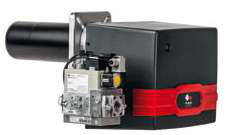
The modern industrial burner system architecture typically consists of five primary functional zones: fuel supply regulation, ignition initiation, combustion control, flame monitoring, and safety interlocking. Within these zones, components must be selected not in isolation but as part of a cohesive system. For example, the response characteristics of a flame relay must align with the fuel delivery specifications of your solenoid valve system, which in turn must match your control logic requirements.
With over 35 years of experience as a global industrial equipment distributor, 3G Electric has guided procurement teams through thousands of component specification projects. Our experience shows that procurement professionals who approach burner component selection strategically—considering technical specifications, supplier reliability, standardization across facilities, and total lifecycle costs—achieve 30-40% better outcomes than those using reactive purchasing methods.
Strategic Component Selection and Standardization Framework
Effective procurement of Burners & Combustion components begins with establishing a standardization framework across your organization. Rather than allowing each facility or department to specify components independently, procurement teams should develop a approved component matrix that balances performance requirements with supply chain simplicity and cost efficiency.
Core Component Categories and Selection Criteria:
The critical components requiring deliberate procurement strategy include:
- Solenoid Valves for Fuel Control: Double solenoid configurations, such as the CBM VCS 1E25R/25R05NNWL3 double solenoid valve, provide redundancy and fail-safe operation. Procurement specifications should define pressure ratings (typically 2.5-6 bar for gas applications), response time requirements (25-100ms depending on application), and coil voltage compatibility (24VDC is standard globally). When standardizing on a specific model, verify compatibility with your facility's pneumatic infrastructure and control voltage distribution.
- Flame Detection and Monitoring Relays: The flame detection relay serves as your system's primary safety guardian. The CBM CF1 Flame relay represents a common specification point where procurement must balance detection speed, sensitivity, and fail-safe design. When evaluating flame relay specifications, confirm the relay's response time to flame signal loss (typically 1-3 seconds) meets your burner's safety shutdown requirements. Also verify that the relay can tolerate your facility's electromagnetic interference environment.
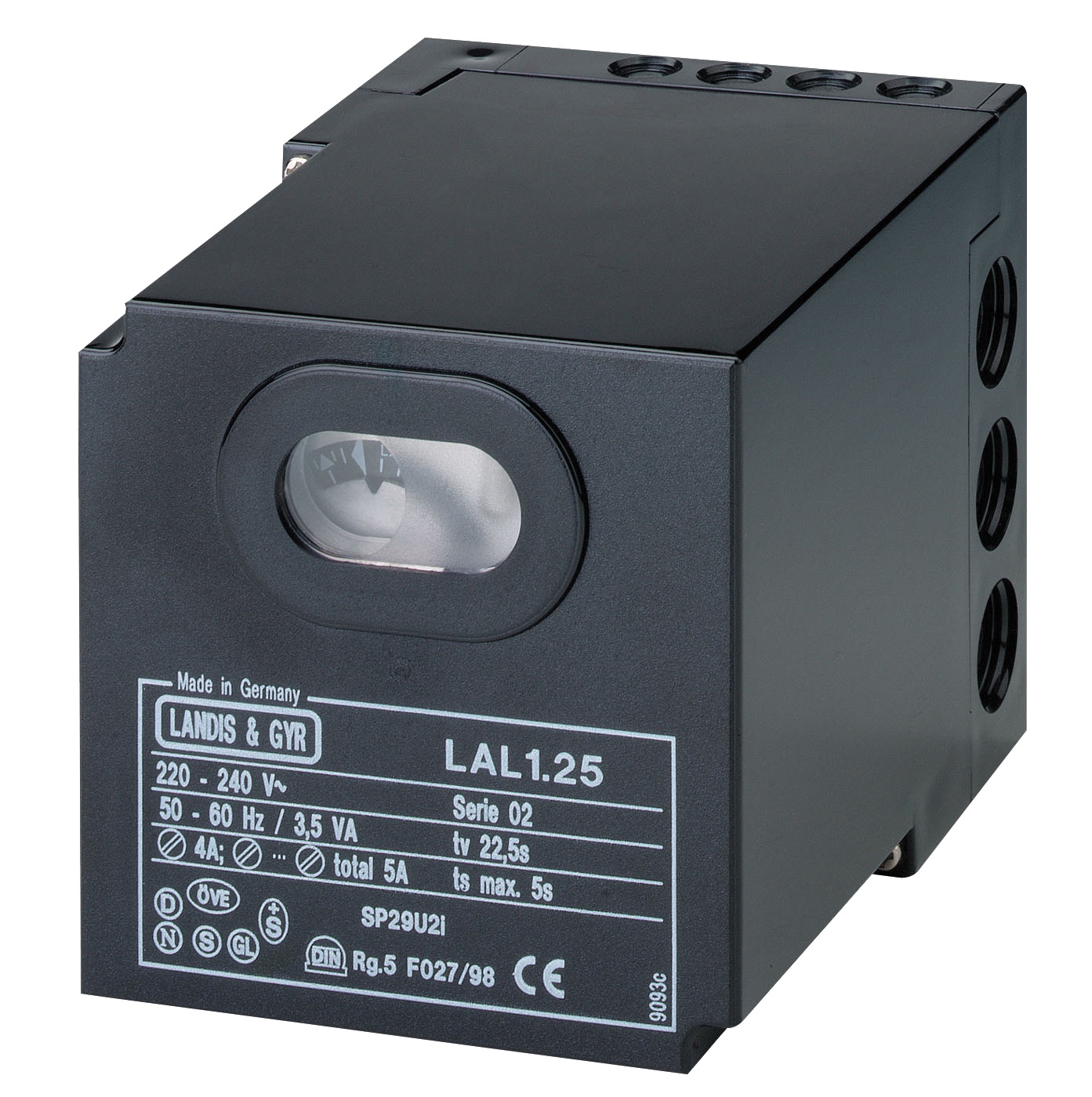
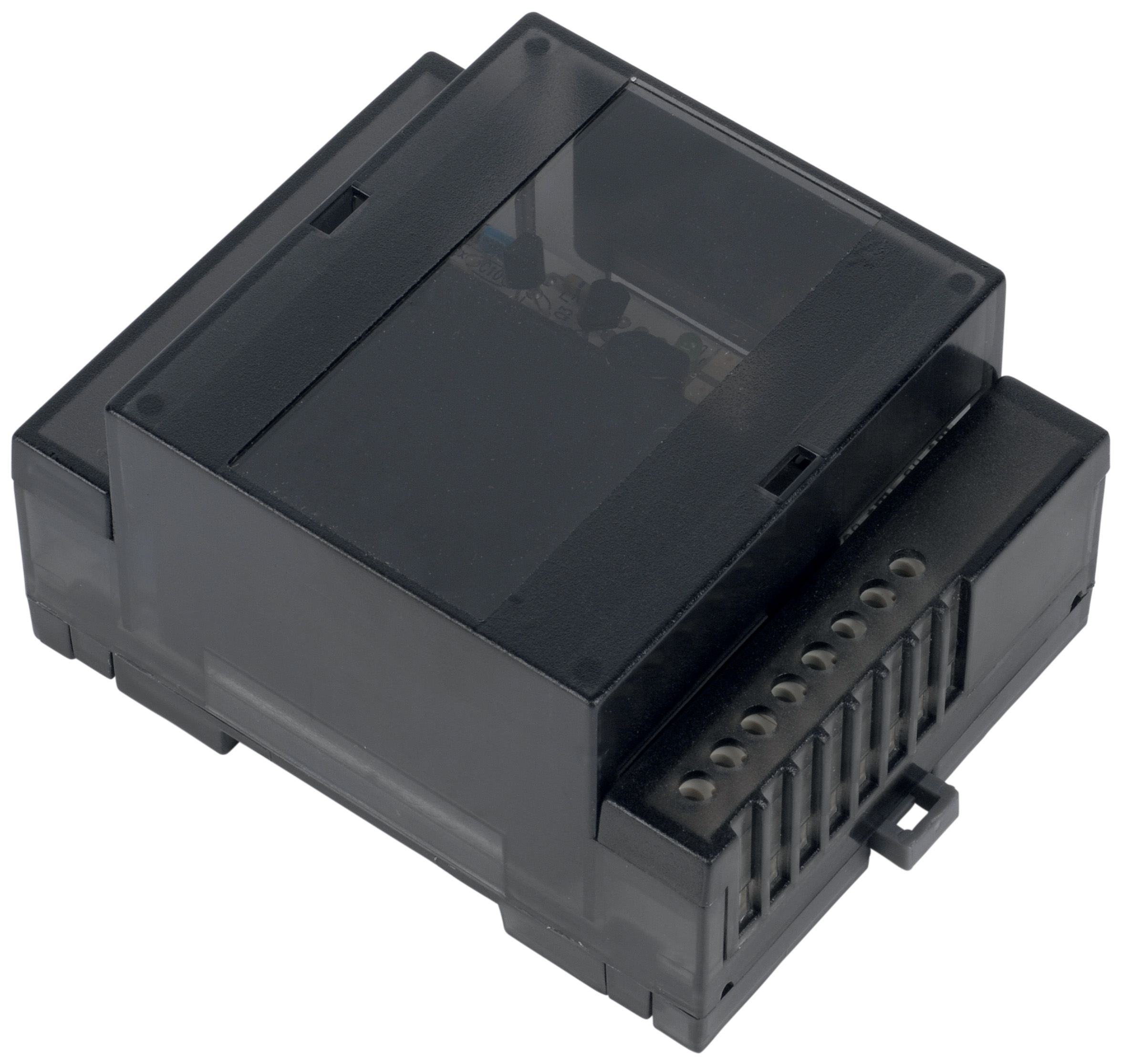
- Control and Interlock Relays: Beyond flame detection, control relays like the CBM CM391.2 relay and CBM LAL 2.14 relay manage the combustion startup sequence, modulation control, and safety interlocking logic. These components must be specified with attention to switching capacity (measured in VA), contact configuration (NO/NC), and operating voltage. Standardizing on 24VDC relay bases, such as the CBM LGK AGM17 base, simplifies commissioning across multiple installations and reduces technician training requirements.
Procurement teams should create a decision matrix that maps equipment categories (boiler burners, process heaters, furnaces) to approved component specifications. This matrix should document:
- Approved model numbers and manufacturers
- Operating pressure/temperature/flow ranges
- Expected service life and replacement intervals
- Cross-compatibility with existing facility infrastructure
- Unit cost and volume discounts available
- Lead times and supplier reliability ratings
This standardization approach reduces supplier management overhead, improves spare parts availability at operational sites, and enables procurement professionals to negotiate better volume pricing.
Total Cost of Ownership Analysis and Supplier Evaluation
Traditional procurement approaches often focus narrowly on unit acquisition cost, leading to false economies that increase operational expenses. Procurement engineers managing Burners & Combustion systems must adopt total cost of ownership (TCO) frameworks that account for factors extending far beyond the initial purchase price.
TCO Components for Burner System Components:
When evaluating component specifications and suppliers, include these cost factors in your analysis:
- Procurement and Logistics Costs: Consider supplier location, minimum order quantities, and delivery timelines. A slightly higher-cost component available locally with 2-week lead times may deliver better TCO than a cheaper imported alternative with 8-week lead times. This becomes critical when unexpected component failures occur and downtime costs exceed procurement savings.
- Installation and Integration Labor: Some component specifications require additional engineering or commissioning work. For example, integrating certain relay models may require custom control logic modifications. Factor these integration costs into your TCO comparison when evaluating component alternatives.
- Operational Reliability and Failure Rates: Components with higher demonstrated reliability rates (supported by MTBF data and field performance data from your supplier) reduce unplanned downtime. Request failure rate data and case studies from suppliers for the specific components you're evaluating. A component with 2% higher unit cost but 40% longer mean time between failures often delivers superior TCO.
- Spare Parts Availability and Pricing: Verify that your supplier maintains adequate spare parts inventory and offers reasonable pricing for replacement components. If a critical flame relay becomes unavailable and your facility must wait 6 weeks for international shipping, the impact on operations may exceed the cost of maintaining higher spare parts inventory.
- Maintenance and Calibration Requirements: Different component models require different maintenance intervals and calibration costs. Some relay models require annual recalibration; others are maintenance-free for 5+ years. Document these requirements during supplier evaluation.
When selecting suppliers for ongoing Burners & Combustion component procurement, evaluate candidates across multiple dimensions:
- Technical Support Capacity: Can the supplier provide technical documentation, CAD drawings, and application support in your preferred language? Do they offer on-site commissioning assistance?
- Quality Certifications: Verify ISO 9001 certification and industry-specific certifications (CE marking for European equipment, relevant approvals for your market).
- Financial Stability and Market Position: Review supplier tenure, market share, and financial health. Suppliers with 20+ years of market presence and strong technical teams demonstrate sustainability.
- Geographic Presence: For global organizations, evaluate whether suppliers can support multiple regions with consistent product quality and pricing.
- Volume and Scaling Capability: Confirm that suppliers can accommodate your growth requirements without quality degradation or lead time extension.
3G Electric's three and a half decades of experience as a global distributor demonstrates the value of partnering with established suppliers who combine technical expertise with reliable logistics and consistent quality. When procuring critical components like flame detection relays or solenoid valves, the supplier relationship often matters as much as the component specification itself.
Compliance, Performance Testing, and Documentation Requirements
Procurement specifications for Burners & Combustion components must address regulatory compliance, performance validation, and documentation requirements that often extend beyond simple product selection.
Regulatory and Safety Compliance:
Your procurement specifications must account for applicable regulatory frameworks in each market where equipment operates:
- European Equipment: Components used in EU facilities require CE marking, compliance with the Machinery Directive (2006/42/EC), and potentially PED (Pressure Equipment Directive) compliance for pressure-containing components.
- North American Markets: UL/CSA certification for electrical components and ANSI standards for safety control systems apply in the United States and Canada.
- Regional Market Requirements: Asia-Pacific markets, Middle Eastern facilities, and other regions may have specific requirements. When specifying components for global use, establish compliance matrices that document which certifications apply to each market.
Include these compliance requirements explicitly in your procurement specifications and supplier contracts. Require suppliers to provide certification documentation and confirm applicability to your specific installation locations.
Performance Testing and Acceptance Criteria:
Develop written procedures that define how components will be tested and accepted upon receipt. For flame detection relays and control relays, this might include:
- Continuity testing of electrical contacts
- Verification of response time to input signals
- Functional testing under temperature and humidity conditions representative of your facilities
- Documentation of test results for regulatory and operational file retention
For solenoid valves, acceptance testing should verify:
- Proper sealing with no leakage at specified pressure
- Response time measurements confirming alignment with control system requirements
- Coil voltage and current draw verification
Specify in your procurement contracts that suppliers must provide comprehensive technical documentation including:
- Complete product datasheets with performance curves and electrical specifications
- Installation and commissioning instructions in English and key facility languages
- Maintenance and troubleshooting guidelines
- Parts lists and technical support contact information
- CAD drawings for integration into facility design documentation
Requiring this documentation as a contract deliverable ensures your operations and engineering teams have the information needed for proper installation, commissioning, and long-term maintenance.
Procurement Execution and Long-Term Relationship Management
Successful procurement of Burners & Combustion components extends beyond initial purchase decisions. Procurement professionals should establish ongoing relationship management practices that optimize long-term value delivery.
Contracting and Terms:
Negotiate supplier contracts that include:
- Volume Commitments and Pricing: Establish pricing tiers based on annual volume commitments. Even modest volume commitments often enable 10-20% pricing reductions compared to spot purchases.
- Payment and Lead Time Terms: Balance supplier financing needs with your working capital requirements. Negotiate terms that align with your operational planning horizons (e.g., 90-day lead time for standard orders, 2-week delivery for expedited requests).
- Quality Guarantees and Warranty Terms: Specify warranty periods (typically 12-24 months from delivery) and define warranty claim procedures.
- Technical Support and Responsiveness: Include service level agreements defining response times for technical inquiries and problem resolution.
Develop a spare parts inventory strategy that balances cost and operational reliability:
- Critical Components: Maintain 100-200% spare inventory of components like flame detection relays that are critical to system safety. The cost of spare parts is minimal compared to potential downtime.
- Standard Components: For less critical items, maintain 50-100% spare inventory, replenishing based on usage patterns.
- Slow-Moving Components: For specialty components used infrequently, consider consignment inventory arrangements or drop-ship agreements with suppliers.
Review supplier and component performance quarterly. Track metrics including:
- On-time delivery performance
- Quality (returns/failures as percentage of shipments)
- Cost trends and pricing changes
- Technical support responsiveness
Use this data to inform renewal negotiations and to identify opportunities for specification improvements or alternative suppliers.
Conclusion
Procurement of Burners & Combustion components requires strategic thinking that extends beyond simple product selection. By establishing standardization frameworks, conducting rigorous TCO analysis, ensuring regulatory compliance, and building strong supplier relationships, procurement engineers can significantly improve equipment reliability, reduce lifecycle costs, and strengthen operational performance. 3G Electric's extensive experience helping global organizations optimize industrial equipment procurement demonstrates that professional procurement practices deliver measurable value in this critical operational area.