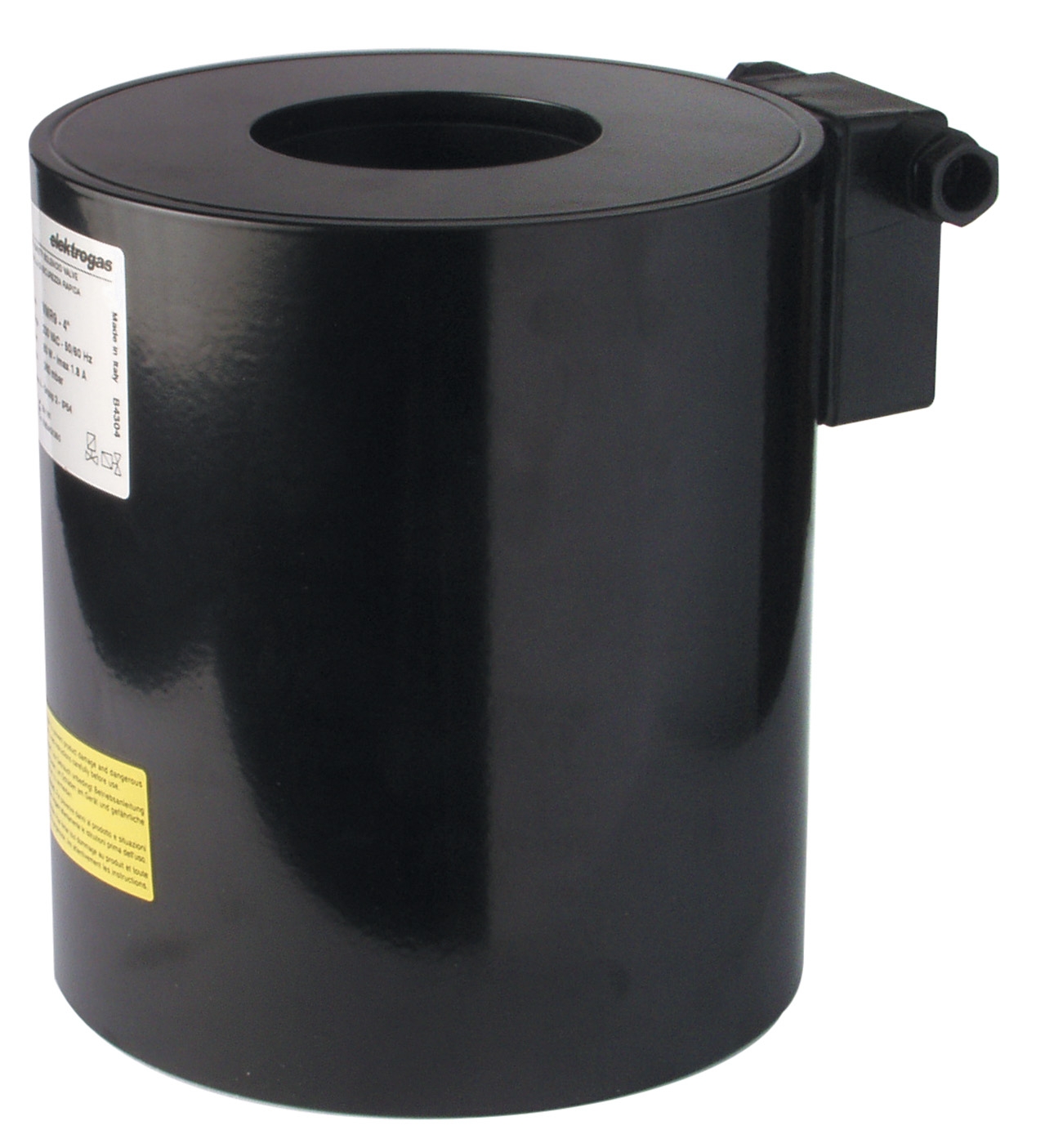
Solenoid Valve Coils in Industrial Systems: Selection, Maintenance & Service in Singapore
Solenoid valve coils are critical electromagnetic components that control fluid and gas flow in industrial automation systems across Singapore and beyond. Whether managing fuel supply in burner systems, regulating gas distribution, or controlling pneumatic circuits, the performance of a solenoid coil directly impacts operational efficiency, equipment longevity, and safety compliance. This technical guide explores the fundamental principles of solenoid valve coils, their maintenance requirements, selection criteria, and practical applications in modern industrial environments. Understanding how these components function and how to maintain them properly can significantly reduce downtime and extend equipment life.
How Solenoid Valve Coils Work: Core Principles
A solenoid valve coil is an electromagnet that converts electrical energy into mechanical motion. When voltage is applied to the coil windings, it generates a magnetic field strong enough to lift an internal plunger or armature, which either opens or closes the valve seat. The coil's effectiveness depends on several interconnected factors: voltage rating, power consumption, insulation quality, and operational frequency.
The fundamental electromagnetic principle relies on Ohm's Law and magnetic field generation. When current flows through a wire coil, it creates a magnetic field proportional to the number of turns and the current magnitude. The solenoid's design determines how efficiently this magnetic field converts to mechanical force. In industrial applications, this conversion efficiency is critical—a poorly designed or degraded coil may fail to generate sufficient force to move the plunger, leaving the valve stuck in its previous position.
Solenoid coils operate under specific voltage ratings, typically ranging from 24V AC for low-power applications to 230V or higher for industrial systems. The coil's electrical resistance and inductance determine current draw, which directly impacts power consumption and heat generation. Understanding these parameters is essential for proper solenoid valve selection and maintenance.
Temperature rise within the coil is a significant consideration. As current flows through the resistance of the wire, Joule heating occurs. Excessive heat degrades the insulation material (typically polyimide or epoxy-based polymers), reducing the coil's lifespan. Proper ventilation, appropriate voltage matching, and regular maintenance help prevent thermal degradation. Environmental factors—including humidity, corrosive atmospheres, and vibration—also influence coil durability in industrial settings.
Technical Specifications and Industrial Product Applications
When selecting solenoid valve coils for industrial applications, technical specifications must align precisely with system requirements. Consider the CBM Coil 1930.1814 230V VML 2"1/2-3" 200mbar, engineered for medium-pressure gas valve applications. This coil operates at 230V, suitable for European and standard industrial installations across Singapore. The VML designation indicates its specific solenoid valve compatibility, while the 200mbar pressure rating establishes its operational envelope.
For low-voltage AC applications, the CBM Coil 24V AC for ELV7....2/4/6/8 represents the standard in safety-critical systems. Operating at 24V AC, this coil provides inherent safety advantages in explosion-prone environments and allows integration with standard industrial control circuits. The 24V rating requires significantly less power than 230V alternatives while maintaining reliable operation across standard solenoid valve families.
High-pressure applications demand more robust coil specifications. The CBM Coil 1930.3100 230V EVRMNCOT 3/8"-1" 600mbar-6bar operates across a wider pressure range (600mbar to 6bar), making it suitable for applications requiring both low and medium-pressure regulation. With 8 watts power consumption, this coil balances electromagnetic force generation with thermal efficiency—critical for continuous-duty industrial systems.
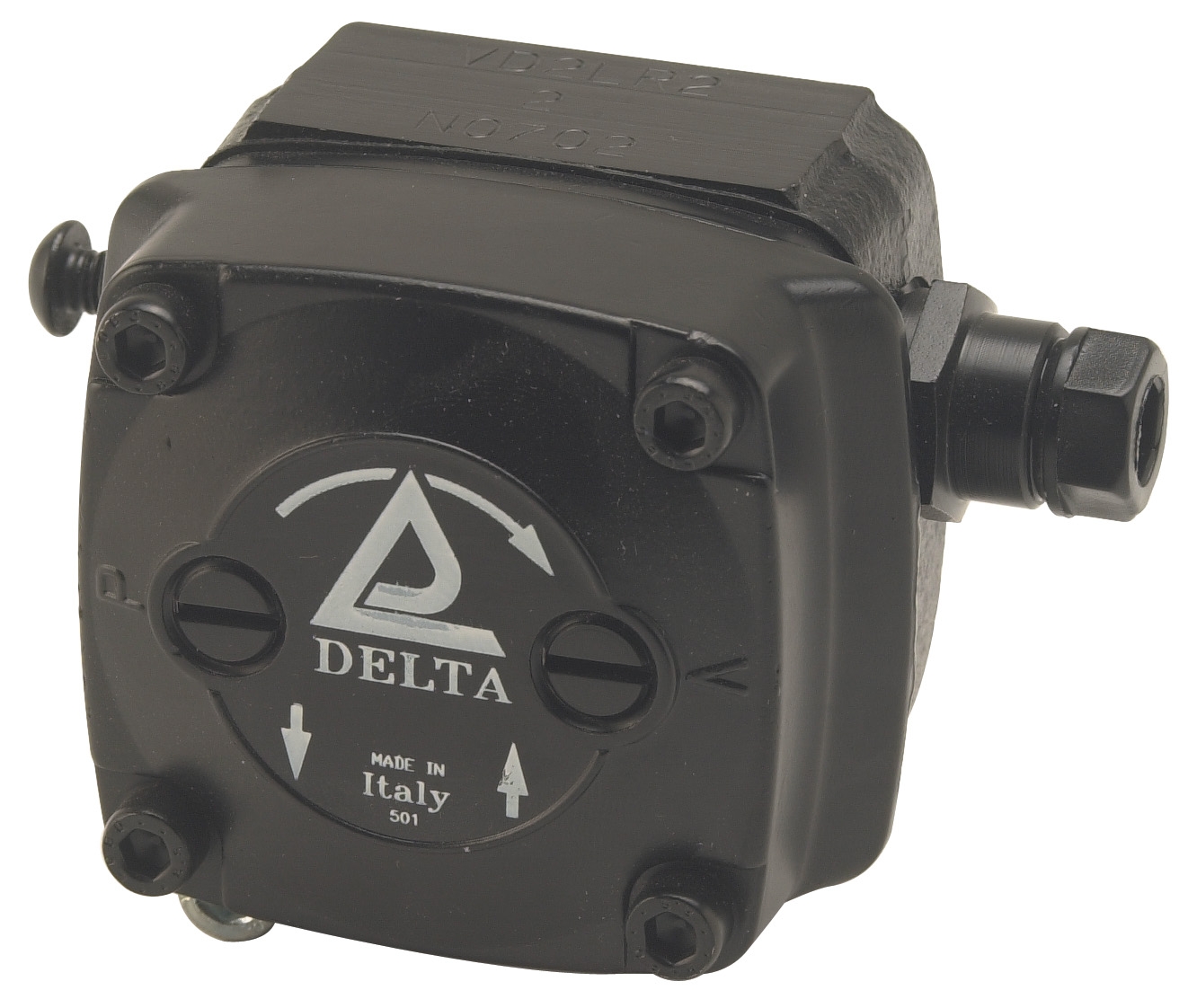
In fuel supply systems, integration of solenoid coils with oil supply pumps requires careful attention to electrical and mechanical compatibility. The CBM VD2 LR-2.2 low pressure pump, used in oil burner fuel units, frequently operates in conjunction with solenoid-controlled shut-off valves. These systems demand reliable solenoid coils capable of repeated activation cycles under varying pressure conditions—often exceeding 1,000 cycles daily in commercial heating applications.
Pressure monitoring during maintenance is equally critical. A CBM Stainless steel axial manometer D63 0/+400Mbar G1/4 provides accurate pressure verification, allowing technicians to confirm that solenoid-controlled valves are operating within specified ranges. This direct measurement ensures that electromagnetic force generated by the coil is sufficient to achieve proper valve actuation under system pressure.
Real-World Industrial Applications in Singapore
Solenoid valve coils are fundamental to commercial and industrial burner systems throughout Singapore. The FBR X GAS XP 60 CE TC EVO burner (_41), designed for natural gas applications, relies on precise solenoid valve control for fuel supply regulation and safety shut-off. Operating at maximum 630 kW output, this system requires solenoid coils capable of rapid response times—typically 50-200 milliseconds—to safely manage combustion under varying load conditions.
In Singapore's harsh tropical environment, humidity and salt-laden air present unique challenges for solenoid coil longevity. Industrial facilities located near coastal areas experience accelerated corrosion of unprotected electrical connectors and coil terminals. Specifying coils with conformal coating or marine-grade insulation extends service life significantly. Regular inspection of connector integrity and insulation resistance testing become essential maintenance practices in these environments.
High-pressure pump systems, such as those utilizing Interpump equipment (—15 L/min at 500 bar), often incorporate solenoid-controlled unload valves. These valves require coils capable of precise timing and reliable operation under sustained pressure. When pressure exceeds system setpoints, the solenoid must energize reliably to direct flow to tank or auxiliary circuits, preventing equipment damage and maintaining energy efficiency.
Pharmaceutical and food processing facilities in Singapore's growing manufacturing sector demand solenoid coils meeting strict cleanliness and FDA compliance standards. These applications require sealed coil designs with stainless steel components to prevent contamination and ensure product safety.
Selection Criteria and Maintenance Best Practices
Voltage Rating: Verify that coil voltage exactly matches available supply voltage. Using a 24V coil on 230V supply results in immediate failure; conversely, underpowering a 230V coil on 110V supply prevents adequate valve opening. Always confirm voltage specifications against system documentation before installation.
Pressure Rating Compatibility: Solenoid coils must operate within the pressure envelope for which they were designed. A 200mbar-rated coil (such as ) cannot reliably operate at 400mbar—excess pressure increases plunger friction and reduces electromagnetic force effectiveness. Pressure ratings establish the upper operational boundary.
Insulation Resistance Testing: During maintenance intervals, measure insulation resistance using a megohmmeter at 500V DC. Acceptable values typically exceed 5 megohms. Values below 1 megohm indicate moisture ingress or insulation degradation, warranting coil replacement.
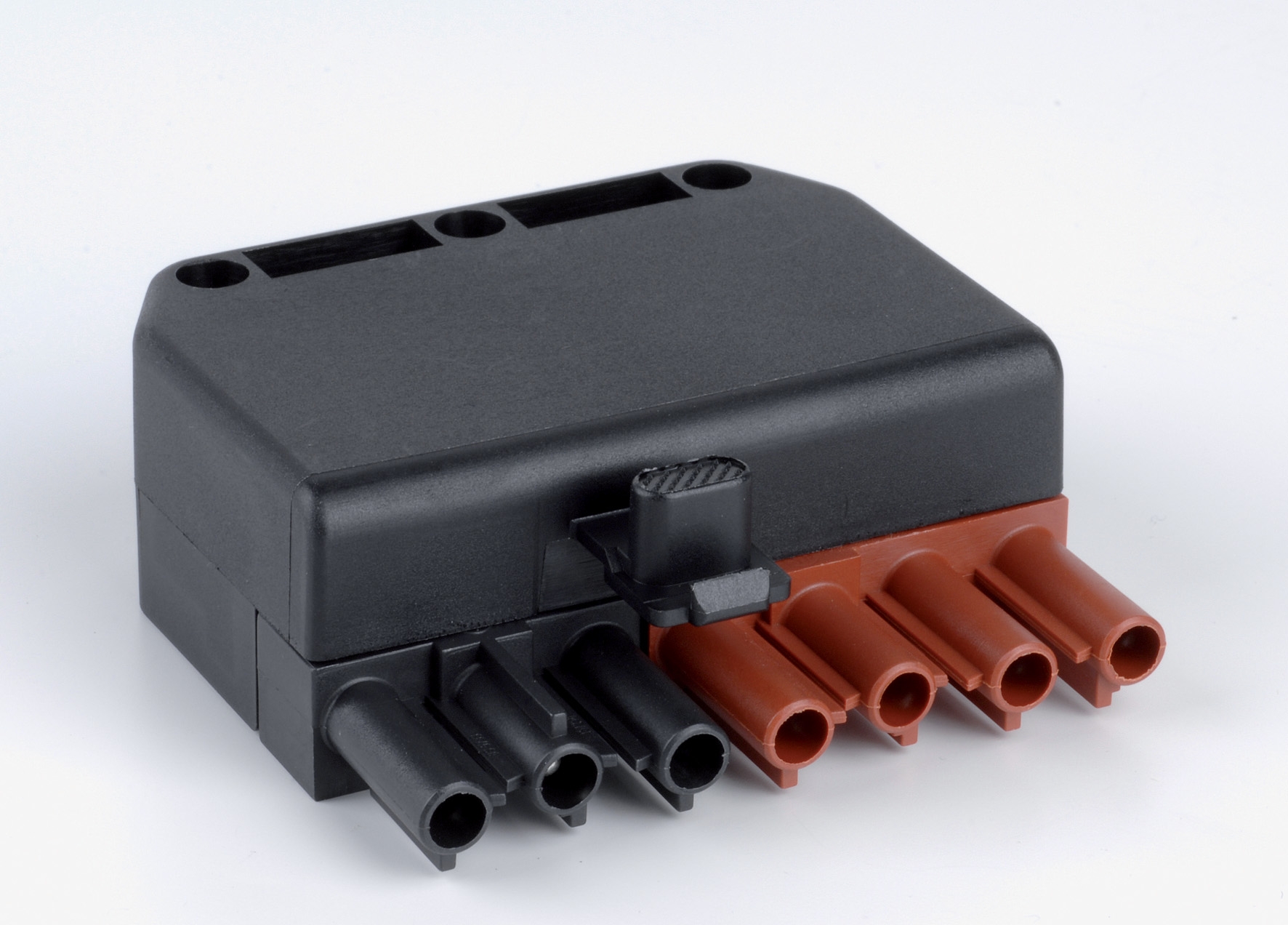
Connector Inspection: Examine 7-pole or other connector types (such as ) for corrosion, loose contacts, or oxidation. Corroded connectors introduce electrical resistance, reducing coil performance. Clean contacts with contact cleaner or replace connectors if damage is visible.
Thermal Monitoring: Record coil surface temperature during operation. Excessive heat (above 80°C under normal conditions) indicates potential failure. Consider upgrading to coils with lower power consumption or improved cooling design if thermal issues persist.
Response Time Verification: Test coil activation speed using oscilloscopes or dedicated valve test equipment. Sluggish response times signal deteriorating electromagnetic force and warrant coil replacement before system failure occurs.
Establishing a preventive maintenance schedule—typically annual for critical applications—includes visual inspection, electrical testing, and performance verification. Maintaining detailed maintenance records enables predictive analysis and justifies equipment investment through extended operational life.
Partnering with Experienced Distributors for Reliability
Selecting the correct solenoid valve coil requires technical expertise spanning electrical engineering, fluid dynamics, and system integration. In Singapore's competitive industrial landscape, partnering with distributors ensures access to genuine components, technical documentation, and professional support. When solenoid coil performance is critical to your operations—whether in burner systems, pneumatic circuits, or high-pressure pump applications—proper selection and maintenance practices directly impact your bottom line.
At 3G Electric, we have served Singapore's industrial sector since 1990, providing comprehensive solutions for maintenance and service needs. Our technical team understands the nuances of solenoid valve coil selection across diverse applications, from standard industrial automation to specialized fuel systems and pressure control circuits. We maintain inventory of CBM, Interpump, and other leading brands, ensuring rapid replacement when equipment failure threatens production schedules.
Whether you require immediate coil replacement, technical consultation on system design, or comprehensive maintenance planning, our team stands ready to support your operations. Contact 3G Electric today to discuss your solenoid valve requirements, request technical documentation, or schedule a preventive maintenance review. Let our experience help you optimize equipment reliability and extend the service life of your critical industrial systems across Singapore.