Understanding ATEX Compliance in Maintenance & Service Operations
When equipment operates in Zone 1 or Zone 2 hazardous areas—environments with explosive gas, vapor, or dust atmospheres—maintenance & service requirements fundamentally differ from standard industrial operations. ATEX (Atmosphères Explosibles) certification isn't merely a compliance checkbox; it represents a comprehensive safety framework that directly impacts how you maintain, inspect, and service critical components.
For plant managers in Singapore's petrochemical, pharmaceutical, and manufacturing sectors, the compliance burden extends beyond initial equipment selection. Every maintenance intervention, component replacement, and diagnostic procedure must preserve the equipment's certified safety status. Using non-certified replacement parts, performing unauthorized modifications, or skipping scheduled inspections can void ATEX certification and expose your operation to regulatory penalties and catastrophic safety risks.
3G Electric brings 35+ years of industrial equipment distribution experience to help you navigate these complexities. Our technical team understands the documentation, traceability, and procedural requirements that ATEX-compliant maintenance & service demands, particularly for high-pressure pump systems operating in challenging Singapore industrial environments.
Safety-Critical Inspection Schedules for ATEX Equipment
ATEX maintenance & service operates on a dual timeline: routine operational checks and mandatory safety-critical inspections that cannot be deferred or compressed.
Pre-Operation Checks (Daily)
- Visual inspection of equipment housing for cracks, corrosion, or mechanical damage
- Verification of electrical seals and cable gland integrity
- Confirmation that pressure relief settings remain within certified parameters
- Documentation of operating conditions (pressure, temperature, flow rate) for trend analysis
For high-pressure pump systems like the Interpump PUMP W2035 L ATEX, establish baseline vibration and noise profiles during normal operation. Any deviation—unusual grinding, increased vibration, or temperature spikes—indicates potential bearing wear or internal seal degradation. These early warning signs allow planned maintenance & service interventions before catastrophic failure occurs.
Mandatory Inspection Intervals (Quarterly)
Every 500 operating hours or 3 months (whichever occurs first), conduct comprehensive inspections:
- Electrical continuity testing of all pressure switches and flame detection modules
- Pressure decay tests to verify seal integrity without dismantling equipment
- Thermographic imaging to identify hotspots indicating friction or bearing wear
- Documentation review to ensure all spare parts used during previous maintenance & service were ATEX-certified equivalents
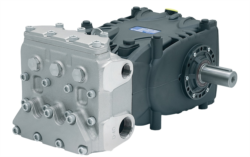
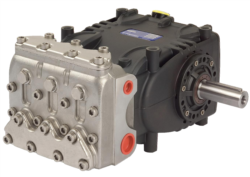
Complete equipment must undergo third-party certification review annually for Zone 1 applications. This involves electrical safety testing, pressure vessel inspections (if applicable), and documentation audit. For critical systems using Pratissoli KF30 pumps in hazardous areas, budget 2-3 days for comprehensive testing and allow adequate lead time for scheduling certified inspection facilities.
Component Replacement and Spare Parts Management
The most common maintenance & service failure in ATEX environments occurs when technicians substitute standard industrial components for certified ATEX-equivalent parts. A standard solenoid valve coil may function identically to its ATEX-certified counterpart in performance metrics, but lack the surface temperature controls, flame-path clearances, and construction documentation that ATEX requires.
Establishing Your Spare Parts Strategy
Maintain a dedicated ATEX spare parts inventory separate from general maintenance & service stock. For each critical component, maintain:
- Original certification documentation (EU Declaration of Conformity or Type Examination Certificate)
- Batch/serial number tracking tied to your equipment's certification records
- Supplier contact information for expedited replacement sourcing
- Storage conditions documentation (sealed, temperature-controlled, corrosion protection)
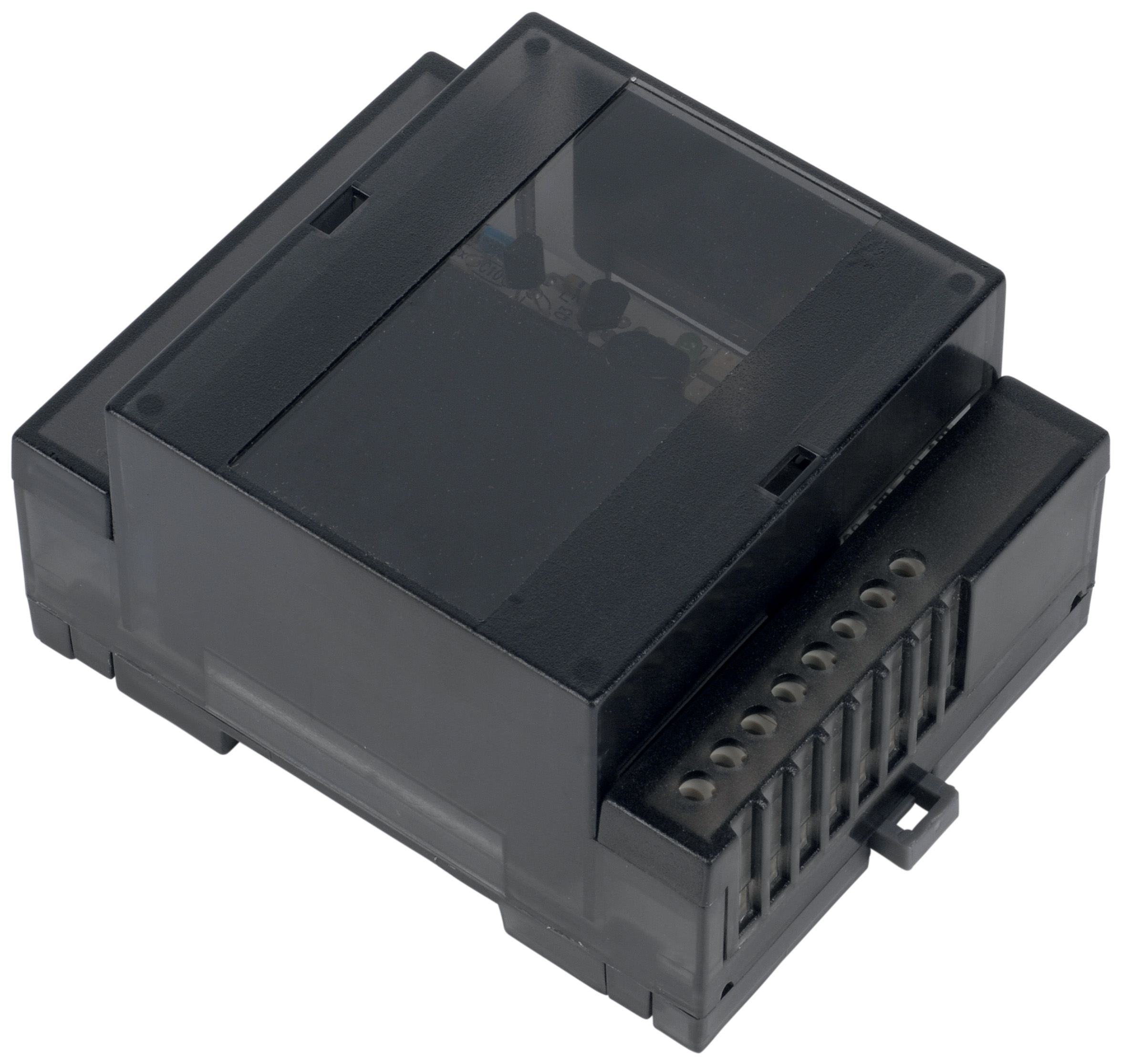
For combustion control systems, the Combutech Flame relay CF1 is a safety-critical component. A failed flame detection module cannot be replaced with an uncertified equivalent—such substitution immediately invalidates your equipment's ATEX status. Establish purchasing agreements directly with certified distributors like 3G Electric who maintain proper documentation chains.
Documentation as a Maintenance & Service Tool
Each maintenance & service intervention must generate records that demonstrate ATEX compliance was maintained. Document:
- Date, time, duration, and performed work
- Parts removed (serial numbers, installation dates, condition assessment)
- Parts installed (certification status, batch numbers, supplier)
- Test results verifying post-maintenance & service safety parameters
- Technician qualifications and training completion dates
Singapore's regulatory framework requires these records available for inspection. During audits, regulators specifically examine whether maintenance & service records demonstrate continuous compliance rather than reactive troubleshooting.
Practical Maintenance & Service Procedures for High-Pressure ATEX Systems
High-pressure pump systems operating in hazardous areas require specialized maintenance & service protocols that balance reliability with safety certification preservation.
Pump System Monitoring (Applies to Pratissoli SN7045 L and equivalent systems)
Establish pressure logging systems that record operating data continuously. At 45 L/min and 210 bar, the SN7045 delivers significant hydraulic power—pressure spikes or inconsistent flow indicate internal component wear. Unlike standard industrial applications where you might extend intervals by reducing operational severity, ATEX systems require adherence to manufacturer-specified maintenance & service schedules regardless of actual usage patterns.
Monitor pressure ripple (the oscillation in discharge pressure between pump strokes). Ripple exceeding 15 bar above baseline indicates:
- Internal valve seat erosion requiring professional reconditioning
- Piston ring wear affecting volumetric efficiency
- Possible swashplate bearing degradation
These conditions demand professional maintenance & service intervention from technicians qualified in both hydraulic systems and ATEX certification requirements. Field repairs are generally prohibited; corrective maintenance & service requires returning equipment to certified service centers.
Transmission and Accessory Maintenance & Service
Gearboxes like the Interpump GEARBOX RS500 serving as pump drive components must receive specialized attention. In ATEX environments, lubricant selection becomes a safety parameter—some oils are more prone to static charge generation, creating explosion hazards. Verify that any lubricant change maintains:
- Electrical conductivity within ATEX specifications
- Thermal stability matching certification parameters
- Viscosity grade approved in the gearbox certification documentation
Changing lubricant type without certification approval voids ATEX status, even if performance appears unchanged.
Seal and Coupling Inspection
ATEX equipment certification depends partly on contained operation—explosive atmospheres cannot contact rotating elements or hot surfaces. Inspect shaft seals, coupling covers, and cable glands every 250 operating hours:
- Verify seal faces show no leakage or weeping
- Confirm coupling guards remain secure and undamaged
- Test cable gland compression fittings for tightness
Any evidence of leakage or damage requires immediate equipment shutdown and professional maintenance & service intervention. Operating with compromised seals risks both equipment damage and safety violation.
Building Your Maintenance & Service Program for ATEX Compliance
Effective maintenance & service programs balance cost control with absolute safety requirements. Key elements for Singapore plant managers:
Training and Qualification
Designate at least two technicians as ATEX-certified service specialists. Their training should cover:
- ATEX classification and equipment marking interpretation
- Hazardous area entry procedures and equipment verification
- Component-specific maintenance & service procedures
- Documentation and compliance audit preparation
Establish relationships with certified distributors and service providers before emergencies arise. 3G Electric's 35+ years in industrial equipment distribution provides the technical knowledge and documentation expertise to support your compliance requirements with equipment like high-pressure ATEX pumps and certified control modules.
Regulatory Preparation
Singapore's Ministry of Manpower and workplace safety inspectors conduct hazardous area audits. Prepare by:
- Maintaining centralized maintenance & service records organized by equipment and certification number
- Scheduling regular internal compliance audits
- Conducting quarterly reviews with your safety officer to identify documentation gaps
- Establishing relationships with certified inspection facilities for periodic equipment assessment
Maintenance & service excellence in ATEX environments isn't about minimizing downtime—it's about preventing incidents that could cause injuries, environmental damage, or regulatory closure. By implementing systematic inspection schedules, maintaining proper documentation, and using only certified components, you protect both your operation and your workforce.