Preventive Maintenance & Service Strategy for Industrial Equipment: A Plant Manager's Complete Guide
Effective maintenance & service is the cornerstone of operational excellence in industrial facilities. For plant managers overseeing complex equipment systems, implementing a structured maintenance & service program directly impacts production uptime, equipment longevity, and bottom-line profitability. At 3G Electric, an global industrial equipment distributor with over 35 years of experience, we've helped thousands of facility managers transform reactive maintenance into strategic, preventive programs that reduce unexpected downtime by up to 45% and extend equipment life by 30-40%.
This comprehensive guide provides actionable maintenance & service frameworks specifically designed for plant managers managing multi-system industrial operations. Whether you operate burner systems, fuel supply units, HVAC/R systems, or pressure equipment, you'll discover practical approaches to scheduling, component management, and performance monitoring.
Understanding the Business Case for Structured Maintenance & Service Programs
Before implementing maintenance & service protocols, plant managers must understand the economic impact. Traditional reactive maintenance—addressing failures as they occur—results in emergency service calls, expedited parts procurement, and unexpected production interruptions. In contrast, preventive maintenance & service strategies distribute costs predictably while maximizing equipment reliability.
Research from the Society of Maintenance & Reliability Professionals indicates that every dollar invested in preventive maintenance & service generates $4-6 in avoided emergency repair costs. For plant managers with multi-million dollar equipment portfolios, this translates to significant competitive advantage.
Key benefits of structured maintenance & service include:
- Reduced Unplanned Downtime: Preventive maintenance & service identifies worn components before failure, minimizing production interruptions
- Extended Equipment Life: Regular maintenance & service maintains optimal operating conditions, adding years to equipment service life
- Improved Safety Performance: Systematic maintenance & service ensures safety systems function reliably, protecting personnel and assets
- Energy Efficiency: Well-maintained equipment operates at peak efficiency, reducing operational costs and environmental impact
- Predictable Budget Planning: Scheduled maintenance & service enables forecasting and capital planning
Developing a Maintenance & Service Schedule Framework Based on Equipment Type
Effective maintenance & service scheduling requires categorizing equipment by criticality and failure mode. Plant managers should implement a tiered maintenance & service approach that prioritizes high-impact systems while ensuring all equipment receives appropriate attention.
Tier 1: Critical System Maintenance & Service (Monthly to Quarterly)
Critical systems directly impact production capability or safety. These demand frequent maintenance & service attention:
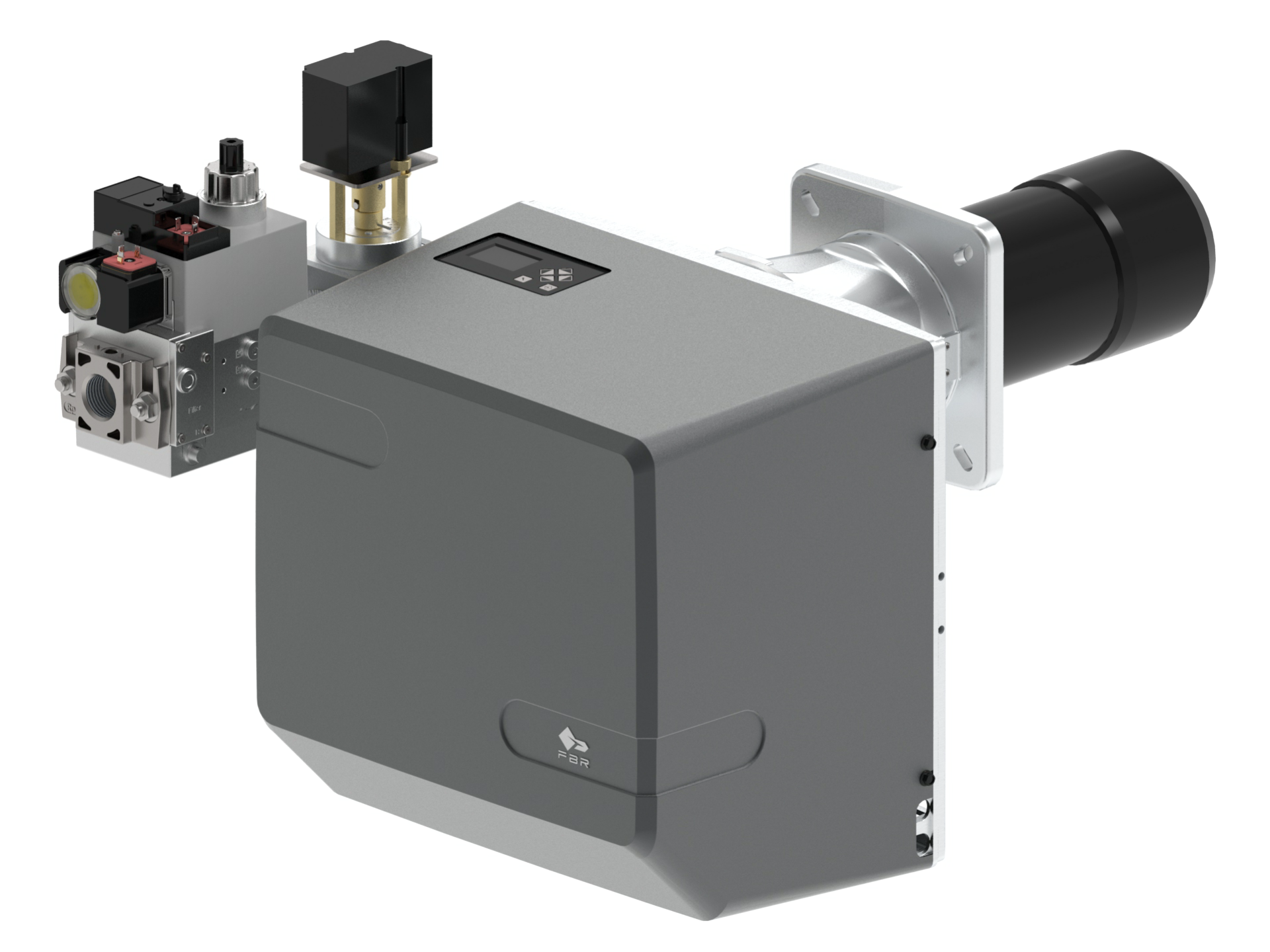
Burner Systems and Gas Equipment: The FBR BURNER GAS X5/MF TL EL VC LPG exemplifies precision equipment requiring systematic maintenance & service. Gas burners demand monthly visual inspection of combustion chambers, quarterly cleaning of fuel nozzles, and semi-annual testing of modulation control systems. Plant managers should verify fan performance, check for carbon buildup, and test ignition reliability. For modulating burners equipped with optional control kits, monthly PID system diagnostics ensure consistent flame stability and fuel efficiency.
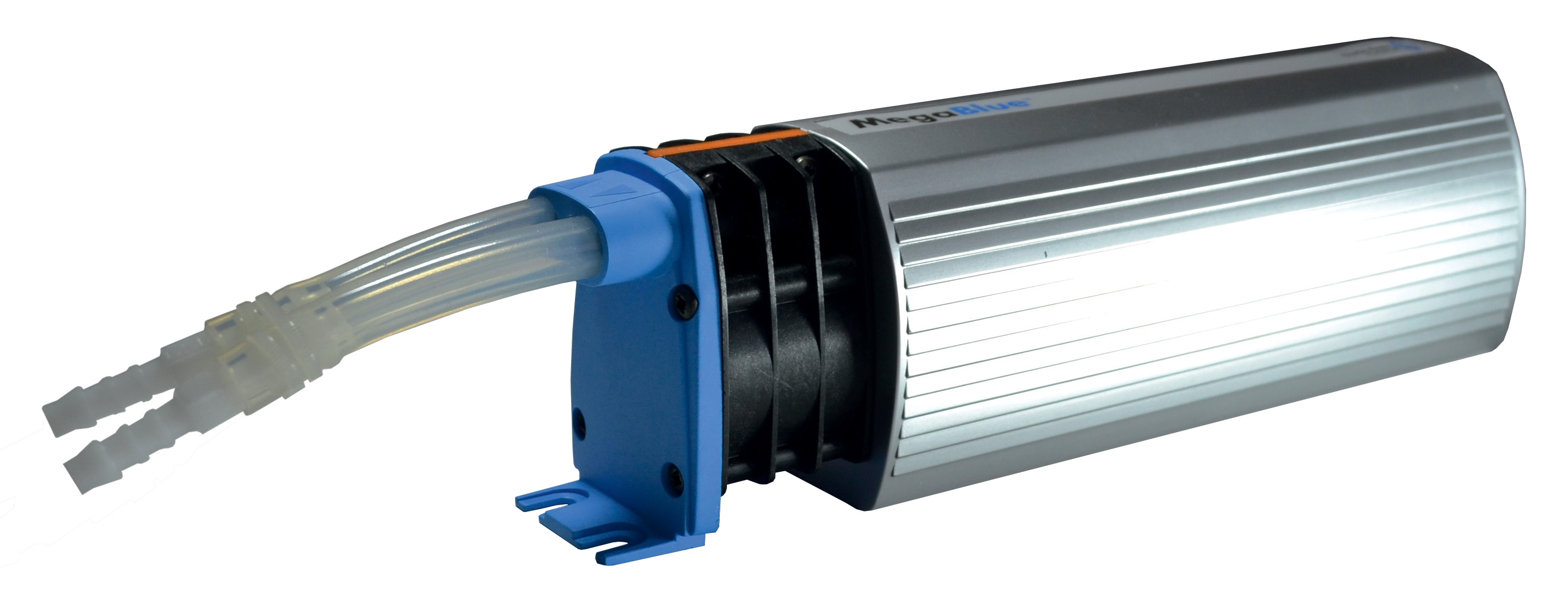
Fuel Supply and Storage Systems: Fuel tanks and supply lines demand vigilant maintenance & service. The CBM Megablue Reservoir Alarm + Shut-off X87-813 integrates safety monitoring into your maintenance & service protocol. Establish monthly alarm function tests, quarterly fuel filter changes, and semi-annual internal tank inspection. Monitor fuel quality regularly—contaminated fuel causes up to 60% of fuel system failures.
Tier 2: Secondary System Maintenance & Service (Quarterly to Semi-Annually)
Secondary systems support operations but allow temporary workarounds if performance degrades. These require less frequent but equally rigorous maintenance & service:
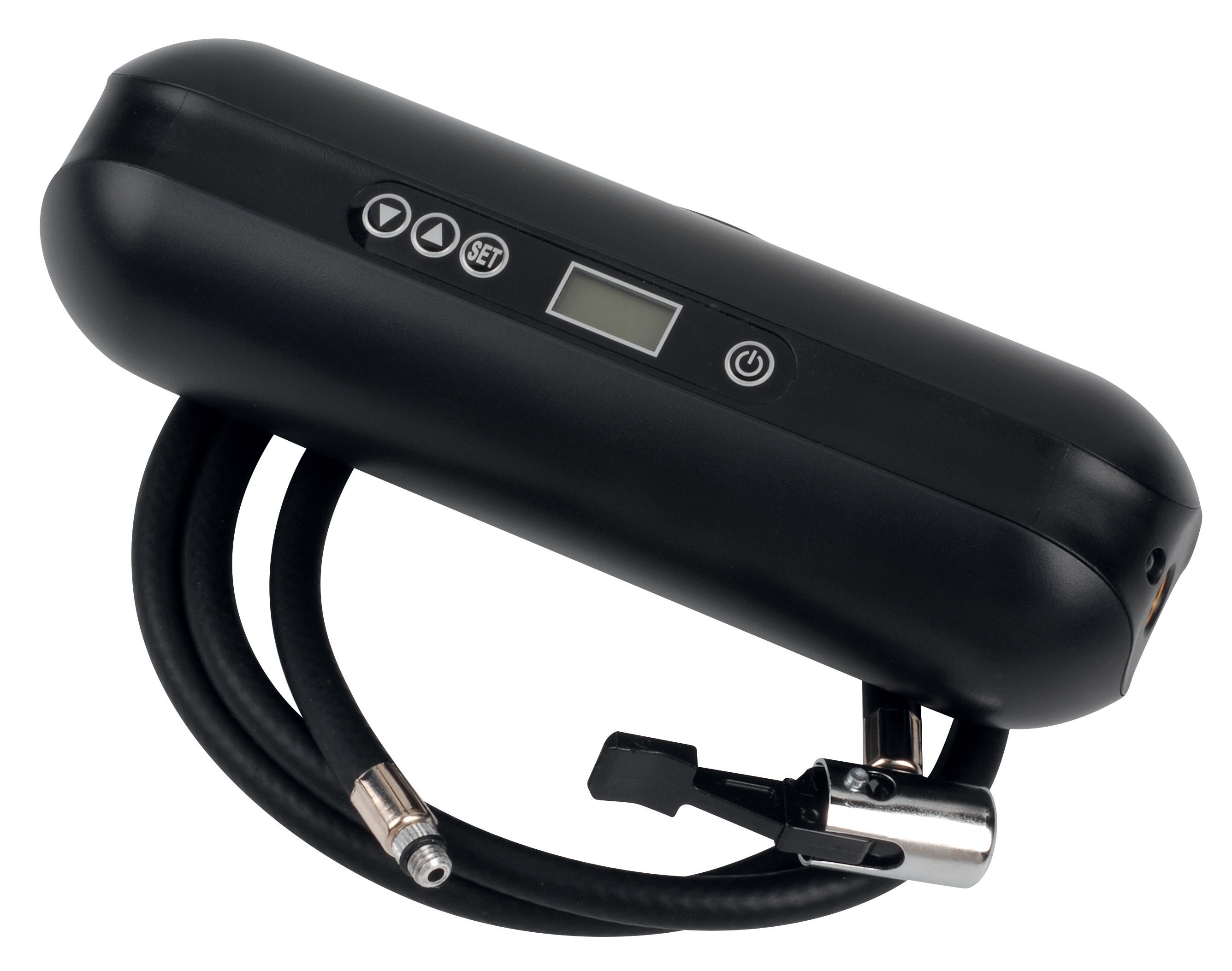
Pressure Control Systems: Expansion tanks, regulators, and pressure vessels require calibrated maintenance & service protocols. The CBM Expansion Tank Inflator Battery 2000 mAH enables efficient maintenance & service by allowing portable, precise pressure adjustment without workshop visits. Implement quarterly pressure verification and annual calibration against certified standards. Document all maintenance & service actions in your equipment management system.
Nozzle and Spray Systems: Fuel nozzles like the CBM Flat Jet Nozzle HP 1/4"M BSPT Index 25 Angle 15° and CBM Flat Jet Nozzle HP 1/4"M BSPT Index 055 Angle 15° require specialized maintenance & service. These precision components should be inspected quarterly for clogging, corrosion, or spray pattern degradation. Maintain spare nozzles in your inventory for rapid maintenance & service replacement, preventing extended downtime.
Tier 3: Support System Maintenance & Service (Annually)
Support systems enable primary operations but tolerate longer maintenance & service intervals. Annual inspections typically suffice, supplemented by condition-based monitoring.
Implementing Component-Level Maintenance & Service Protocols
Beyond scheduling, effective maintenance & service requires detailed component management. Plant managers must establish standard operating procedures for each critical component, specifying inspection points, performance parameters, and replacement triggers.
Combustion Equipment Maintenance & Service
Burner systems demand specialized maintenance & service knowledge. Establish these component-level protocols:
Monthly Maintenance & Service Checklist:
- Visual inspection of burner exterior for corrosion, cracks, or heat damage
- Test ignition sequence and flame establishment time (should be <5 seconds)
- Verify combustion air intake is unobstructed
- Check fuel supply pressure matches equipment specifications
- Listen for unusual combustion noise indicating improper flame
Quarterly Maintenance & Service Procedures:
- Remove and inspect fuel nozzles for clogs or damage
- Clean combustion chamber interior with soft brushing
- Verify electrode gap and condition (if applicable)
- Test modulation control response (if equipped with PID modulation kit)
- Document fuel flow rates against baseline specifications
Semi-Annual Maintenance & Service Requirements:
- Full system pressure test to ISO 1402 or equivalent standards
- Safety interlock functional testing
- Fuel line integrity inspection with dye penetrant testing for micro-cracks
- Complete PLC/control system diagnostics
- Full documentation update for maintenance & service history
Fuel Storage and Supply Maintenance & Service
Fuel system reliability directly impacts operational continuity. Your maintenance & service program must address:
Storage Tank Maintenance & Service: Monthly visual inspection for exterior corrosion or leakage, quarterly fuel sampling for water content and particulate analysis, and annual internal inspection using non-destructive testing. The CBM Megablue Reservoir Alarm + Shut-off System provides continuous monitoring, alerting maintenance & service personnel to pressure anomalies before failures occur. This integrated approach reduces emergency maintenance & service calls by 35-40%.
Filter and Strainer Maintenance & Service: Fuel filters are the primary defense against contamination. Establish quarterly inspection schedules, replacing filters when pressure differential reaches manufacturer specifications (typically 0.5-0.7 bar). Maintain filter element inventory for rapid maintenance & service execution.
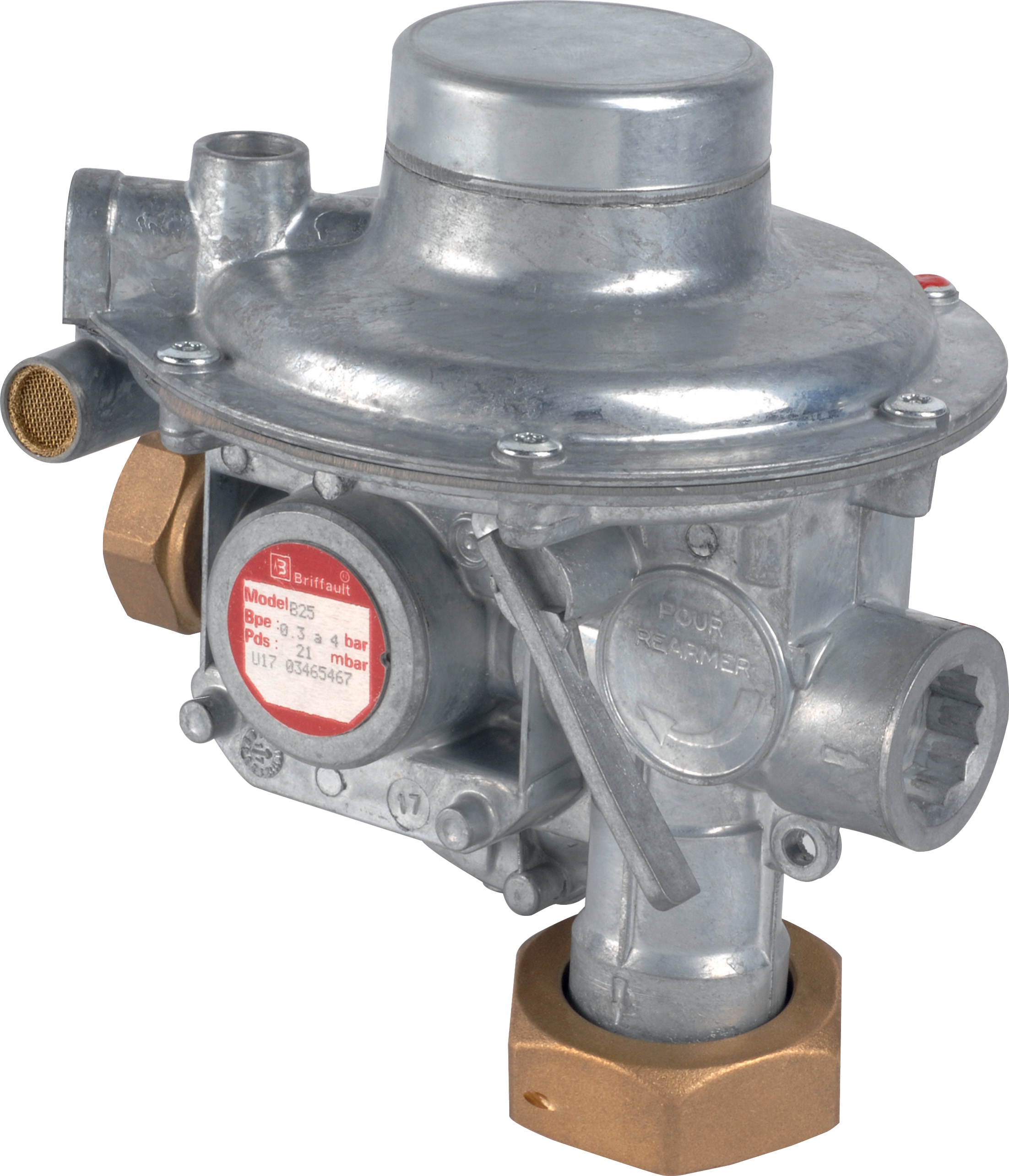
Pressure Control Maintenance & Service: Pressure regulators and expansion tanks demand precise maintenance & service. Using portable diagnostic tools like the CBM Expansion Tank Inflator Battery 2000 mAH, verify pre-charge pressure quarterly. Maintain documentation of all maintenance & service adjustments, creating a historical record that reveals performance trends.
Nozzle and Spray System Maintenance & Service
Fuel nozzles are relatively inexpensive components with outsized impact on system performance. Your maintenance & service strategy should include:
Inspection Protocol: Remove nozzles quarterly and visually inspect for carbon buildup, corrosion, or physical damage. The CBM Flat Jet Nozzle HP 1/4"M BSPT Index 25 and CBM Flat Jet Nozzle HP 1/4"M BSPT Index 055 should produce consistent, symmetrical spray patterns. Any degradation in spray geometry indicates replacement is required for optimal maintenance & service.
Cleaning Procedures: If nozzles show minor clogging, gentle ultrasonic cleaning in certified solvent may restore function. However, chemical cleaning is time-intensive and unreliable. Most experienced plant managers find that maintenance & service involving nozzle replacement is more cost-effective than cleaning, reducing labor costs and ensuring predictable performance.
Spare Parts Strategy: Maintain at least two spare nozzles of each specification in inventory. This enables maintenance & service teams to replace failed nozzles immediately, restoring operations while the failed component undergoes analysis and potential refurbishment.
Leveraging Digital Tools and Data for Maintenance & Service Optimization
Modern plant managers increasingly leverage maintenance & service management software to transform scheduling from calendars into data-driven optimization. Implement these practices:
Computerized Maintenance Management Systems (CMMS): Use CMMS platforms to track maintenance & service history, generate work orders, and monitor compliance. Systems like SAP, Infor, or dedicated CMMS platforms integrate maintenance & service data with spare parts inventory, enabling predictive procurement.
Condition Monitoring and Predictive Analytics: For critical equipment, implement IoT sensors and vibration analysis. Pressure sensors on fuel systems and temperature monitoring on burners provide real-time data revealing degradation patterns. Predictive analytics identify when maintenance & service should occur before failure, optimizing resource allocation.
Equipment Performance Benchmarking: Establish baseline performance metrics during initial installation or recent overhaul. Document fuel consumption rates, combustion efficiency, pressure profiles, and operating temperatures. Regular maintenance & service should maintain these baselines. Deviation from baseline indicates developing problems requiring diagnostic maintenance & service attention.
Digital Documentation and Compliance: Photograph equipment before and after maintenance & service. Document nozzle conditions, pressure readings, and control system responses. This creates auditable maintenance & service records essential for ISO 9001, ISO 50001 (energy management), or industry-specific certifications.
Training and Knowledge Management for Maintenance & Service Excellence
Equipment complexity demands that maintenance & service personnel possess specialized knowledge. Plant managers should invest in:
Technical Training Programs: Ensure maintenance & service teams complete manufacturer-certified training on all critical systems. For fuel systems, include training on proper nozzle inspection and replacement. For burners, ensure technicians understand combustion diagnostics and control system operation.
Knowledge Documentation: Create maintenance & service procedure manuals specific to your facility, incorporating equipment specifications, historical lessons learned, and troubleshooting guides. Digital platforms make maintenance & service documentation accessible to field teams, reducing errors and improving consistency.
Vendor Partnerships: Establish relationships with distributors like 3G Electric who understand your equipment portfolio. Regular consultation with equipment experts enhances your maintenance & service program's effectiveness and ensures you're leveraging latest technology and best practices.
Key Takeaways: Maintenance & Service Strategic Framework
- Implement Tiered Scheduling: Categorize equipment by criticality and establish maintenance & service intervals (monthly for critical systems, quarterly-semi-annually for secondary systems, annually for support systems)
- Document Everything: Maintain detailed maintenance & service records including inspection findings, component replacements, pressure readings, and performance metrics. This historical data reveals trends and validates your maintenance & service strategy's effectiveness
- Stock Critical Spare Parts: Maintain inventory of frequently replaced components like fuel nozzles and filter elements. Rapid maintenance & service replacement using stocked parts minimizes downtime and reduces emergency premium costs
- Invest in Diagnostic Tools: Portable diagnostic equipment like the CBM Expansion Tank Inflator Battery enables field maintenance & service without workshop visits, reducing response times and improving technician productivity
- Monitor and Adapt: Use CMMS data to track maintenance & service effectiveness. If equipment failures increase or performance degrades despite compliance, your maintenance & service intervals or procedures require adjustment
Conclusion: Maintenance & Service as Strategic Advantage
Maintenance & service excellence transforms from administrative burden to competitive advantage when plant managers adopt systematic, data-driven approaches. By implementing tiered scheduling, detailed component protocols, digital tracking, and continuous training, your facility achieves superior reliability, extended equipment life, and predictable operating costs.
The equipment you operate—from burner systems and fuel supply units to pressure control devices—demands specialized maintenance & service knowledge. 3G Electric's 35+ years as an global industrial equipment distributor positions us to support your maintenance & service initiatives through equipment supply, technical consultation, and training resources. Our team understands the specific maintenance & service requirements of diverse industrial applications and can help you optimize your program.
Contact 3G Electric today to discuss your facility's maintenance & service requirements. We'll help you identify equipment vulnerabilities, optimize spare parts inventory, and ensure your maintenance & service program delivers maximum reliability and cost efficiency.