Understanding Southeast Asia's Impact on HVAC Maintenance & Service
HVAC contractors operating across Southeast Asia face distinct environmental challenges that directly impact equipment performance and maintenance requirements. The region's high humidity, tropical rainfall, salt spray in coastal areas, and extreme temperature fluctuations create accelerated wear on cooling and pressurization systems compared to temperate climates.
With over 35 years of experience distributing industrial equipment throughout Southeast Asia, 3G Electric understands these regional demands intimately. The difference between a well-maintained system and a failing one often comes down to understanding how local environmental factors interact with your equipment specifications.
Maintenance & Service planning in this region requires a fundamentally different approach than northern markets. Your pressure regulators, pumps, and distribution components face continuous exposure to moisture and salt-laden air. Without proper maintenance protocols, equipment that performs adequately in temperate zones will deteriorate rapidly. This guide provides actionable Maintenance & Service strategies specifically designed for Southeast Asian operations.
Seasonal Maintenance & Service Scheduling for Tropical Climates
Pre-Monsoon and Post-Monsoon Service Cycles
The most critical Maintenance & Service adjustment for Southeast Asian HVAC contractors involves aligning your service calendar with monsoon patterns rather than traditional seasonal changes. Unlike northern regions with distinct seasons, tropical areas experience predictable wet and dry periods that directly affect equipment performance.
Pre-Monsoon Service (March-April and August-September):
- Inspect all pressure relief systems for proper operation—moisture infiltration causes valve stiction and unreliable pressure regulation
- Clean or replace air intake filters at half the normal interval; dust and salt accumulation accelerates filtration bypass
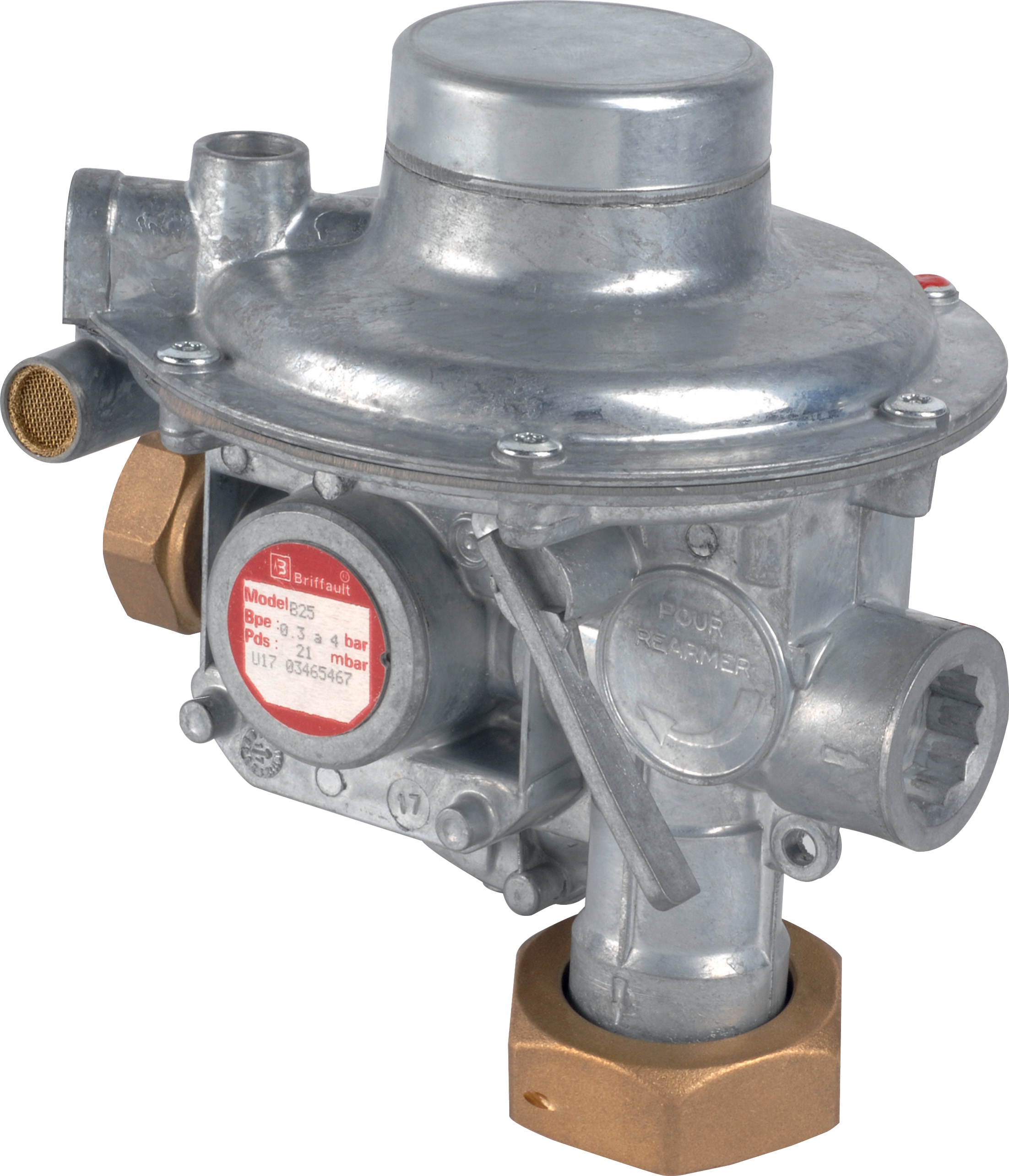
- Test pressure regulators like the Francel B25/37mb with safety relief to ensure the 37 mbar outlet pressure remains stable and vent channels are clear of salt deposits
- Drain all moisture from condensation chambers and check desiccant cartridges in compressed air lines
- Inspect electrical connections for corrosion; salt spray degrades terminal contacts faster than in coastal temperate zones
- Perform comprehensive system pressure testing to verify integrity after moisture stress
- Clean or replace nozzles and distribution components; salt crystallization on spray nozzles like the Euspray flat jet nozzle HP 1/4" M BSPT creates blockages that reduce cooling efficiency
- Check pump inlet strainers for salt-fouled debris that escaped earlier filtration stages
- Verify all pressure gauges and sensors still read accurately; moisture ingress affects sensor electronics
- Inspect hose and tubing for external corrosion; replace any showing surface deterioration
Monthly Maintenance & Service Checks
Regardless of season, establish a monthly inspection routine:
- Pressure system verification: Record baseline pressures on all circuits. Compare readings month-to-month to detect gradual decline indicating seal wear or internal leakage
- Temperature monitoring: Document inlet and outlet temperatures; rising discharge temperatures often signal impending pump or compressor issues before failure occurs
- Acoustic baseline: Listen for abnormal sounds—cavitation noise from pumps, unusual compressor cycling, or hissing from relief valves
- Visual inspection: Look for salt deposits, corrosion halos around fasteners, or discoloration on component surfaces
Component Selection and Lifecycle Management for Humid Environments
Selecting Equipment Built for Southeast Asia Conditions
Maintenance & Service effectiveness starts with component selection. Not all equipment rated for "industrial" use performs equally in humid tropical conditions. When specifying replacements or upgrades, prioritize components engineered for moisture exposure.
For pressure regulation applications, the Francel B25/37mb pressure regulator incorporates integrated safety relief—eliminating separate valve connections that become corrosion points. The 10 mm vent size prevents salt crystal blockages common in single-vent designs. Fewer connection points means fewer moisture intrusion pathways and simpler maintenance.
For high-flow cooling systems requiring reliable pressure delivery, consider the Pratissoli MW40 industrial pump. This 85 kW, 211 L/min unit features Italian engineering with corrosion-resistant materials suitable for demanding applications. When replacing or upgrading pumps in your HVAC systems, capacity matters less than reliability—an oversized pump running at partial displacement outperforms an undersized unit operating at maximum capacity with frequent pressure fluctuations.
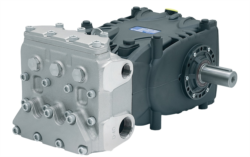
The Pratissoli KF30 pump provides an alternative for systems requiring lower flow (106 L/min at 200 bar). The modular Interpump design allows field component replacement without complete unit swaps, reducing maintenance downtime.
For cooling distribution, spray nozzle selection impacts both cooling efficiency and maintenance frequency. The Euspray flat jet nozzle with 25° spray angle provides targeted coverage that reduces material usage and prevents waste stream accumulation—a critical advantage in high-humidity environments where stagnant spray runoff becomes bacterial growth media.
Extending Component Lifecycles Through Preventive Care
In Southeast Asian operations, component lifecycle extends directly with maintenance consistency. A component rated for 10,000 operating hours will barely achieve 3,000 hours if moisture management is neglected, but can exceed rated hours with proper preventive service.
Moisture management as primary maintenance focus:
- Install moisture separators on all compressed air lines upstream of sensitive equipment
- Change desiccant cartridges every 3 months in humid coastal regions (versus 6-month intervals in drier climates)
- Implement daily condensate drain procedures—don't rely on automatic drains alone; manual inspection catches failures
- Maintain differential pressure gauges across filters to prevent bypass operation from extended use intervals
- Switch to elastomer gaskets formulated for humidity resistance; standard rubber degrades rapidly in tropical conditions
- Apply thin grease film to exposed fasteners quarterly to prevent salt corrosion
- Replace shaft seals during routine overhauls rather than waiting for leakage; seals in humid environments fail faster than elsewhere
- Upgrade standard electrical connections to sealed marine-grade connectors where system design permits
- Apply moisture-displacing spray (like products containing isopropyl alcohol) to exposed electrical terminals monthly
- Inspect and re-seat all removable electrical connectors quarterly; moisture causes intermittent contact resistance
Cost Control Through Strategic Maintenance & Service Planning
Calculating Total Cost of Ownership in Southeast Asian Markets
Maintenance & Service expenses in tropical operations run 25-40% higher than temperate equivalents due to accelerated component wear and more frequent inspections. Understanding this cost reality allows accurate project bidding and prevents customer relationship damage from unexpected service calls.
When proposing systems to clients, segment annual service costs into categories:
- Scheduled preventive maintenance: Filter changes, fluid analysis, seal inspection, pressure testing. These costs scale predictably and allow budget planning
- Moisture remediation: Desiccant cartridge replacement, condensate management, corrosion prevention. Budget 4-6 times the annual cost you would in temperate regions
- Component replacement reserve: Set aside 12-15% of equipment cost annually for accelerated wear items. This realistic budgeting prevents customer shock when bearings or seals fail earlier than literature suggests
- Emergency response capability: In Southeast Asia's distributed geography, having mobile service capability or regional partnerships prevents extended downtime costs exceeding component replacement costs
Documentation Systems That Reduce Maintenance & Service Costs
Implement a service log for each installed system tracking:
- Pressure readings and trends (allows detection of gradual leaks before catastrophic failure)
- Component installation dates and service intervals (prevents missed maintenance windows)
- Environmental conditions noted during service visits (tracks correlation between humidity events and equipment issues)
- Parts consumed (filters, gaskets, seals) to predict future maintenance costs
- Labor hours invested (identifies systems requiring disproportionate support)
This data reveals patterns—certain equipment models failing faster than expected, specific environmental exposures correlating with failures, or technician procedures requiring refinement. Over multiple service cycles, documentation-driven insights reduce overall Maintenance & Service costs by 15-20%.
Vendor Relationship Optimization
With 3G Electric's 35+ years distributing equipment throughout Southeast Asia, we understand the regional supply chain challenges. Establish relationships with distributors who maintain local inventory of common wear items—filters, gaskets, seals, and replacement nozzles. Emergency shipments from distant suppliers create extended downtime exceeding component costs.
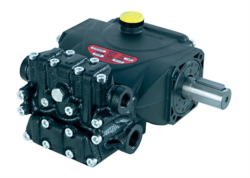
When components like the Interpump PUMP E1D1808 L or Pratissoli KF30 pumps require service, verify your distributor can source factory parts and replacement components. Counterfeit or substandard parts accelerate corrosion and seal failure, ultimately costing more than genuine components.
Implementation Framework: From Planning to Execution
Establishing Your Regional Maintenance & Service Standard
Transition from reactive to preventive Maintenance & Service by implementing this phased approach:
Month 1-2: Assessment
- Document every system currently under your service responsibility
- Note installation dates, operating hours, and last service performed
- Record any failures or performance issues from the past 12 months
- Identify which customers have experienced unexpected downtime
- Develop system-specific service schedules incorporating monsoon cycles
- Create parts inventory lists for each system type
- Establish baseline pressure, temperature, and performance metrics
- Brief customers on recommended Maintenance & Service intervals and costs
- Begin scheduled preventive maintenance on 25% of your system portfolio
- Track labor time and parts consumption meticulously
- Document any issues discovered before they create customer impact
- Adjust schedules based on actual regional performance data
Training and Knowledge Transfer
Southeast Asian markets often require working with distributed technical teams across multiple countries. Standardize your Maintenance & Service procedures through:
- Creating laminated quick-reference cards for common systems
- Photographing properly-performed procedures for technician reference
- Establishing communication protocols for escalating complex issues
- Building partnerships with regional technical centers who can conduct hands-on training
3G Electric's experience supporting contractors throughout Southeast Asia demonstrates that consistent procedures—implemented reliably across multiple technicians—reduce failures more than individual technician expertise. Systematized Maintenance & Service beats heroic troubleshooting.
Conclusion: Building Competitive Advantage Through Superior Maintenance & Service
HVAC contractors who implement systematic Maintenance & Service practices gain substantial advantages in Southeast Asian markets. While competitors react to failures with expensive emergency calls, preventive-focused contractors deliver reliability that customers depend on—justifying premium service pricing and long-term contracts.
Begin with environmental realism: Southeast Asia's humidity and salt exposure demand more aggressive maintenance than temperate climates. Embrace this requirement rather than fighting it. Select components engineered for your actual operating environment, establish documented service routines synchronized with regional weather patterns, and build customer relationships on transparent cost communication.
Partner with distributors like 3G Electric who understand regional equipment performance requirements and maintain local component inventory. This partnership approach reduces your inventory risk while ensuring you access quality components when customers need service performed.
Maintenance & Service excellence becomes a competitive moat—customers experiencing superior uptime and reasonable service costs become your most reliable revenue source and best customer references.