Maintenance & Service Fundamentals for Southeast Asian HVAC Contractors
High-pressure HVAC systems operating in Southeast Asia's tropical environment require specialized maintenance approaches that differ significantly from temperate-zone practices. With over 35 years of industrial equipment distribution experience, 3G Electric understands the distinct pressures—both literal and operational—that contractors face across the region.
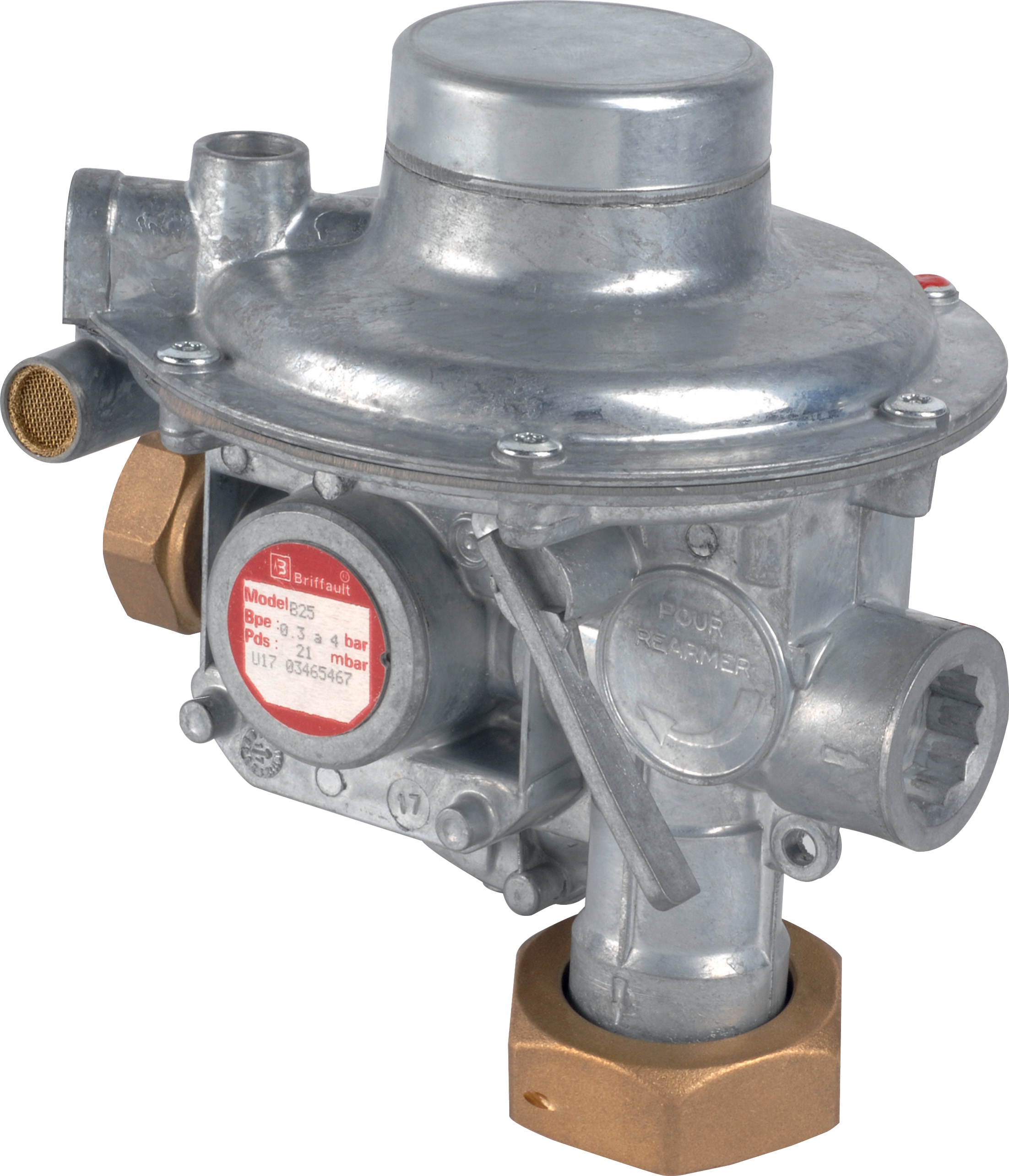
Tropical climates accelerate component degradation through moisture absorption, salt-air corrosion, and thermal cycling. Pressure regulators like the Francel B25/37mb with integrated safety relief become critical monitoring points, as they directly control system stress and component longevity. Southeast Asian contractors must implement Maintenance & Service protocols that account for higher ambient temperatures, seasonal monsoon humidity spikes, and the cumulative effects of continuous cooling-season operation.
This guide addresses the intersection of system reliability, regulatory compliance, and cost-effective service planning—helping your HVAC operation maintain peak performance while managing the region's environmental challenges.
Seasonal Inspection Schedules Adapted for Tropical Climates
Pre-Monsoon Deep Service (April–May)
Before monsoon humidity peaks, execute a comprehensive Maintenance & Service inspection focused on moisture ingress prevention:
- Pressure Regulator Assessment: Check the Francel B25/37mb for moisture accumulation in the vent line. Tropical humidity causes condensation inside regulator housings—drain the vent cartridge and inspect the safety relief valve for debris or corrosion deposits.
- Connection Integrity: Inspect all BSPT threaded connections, particularly on spray nozzles like the Euspray flat jet nozzle HP 1/4" M BSPT. Use a moisture meter to check for water ingress at connection points; retorque fittings if loosening is detected.
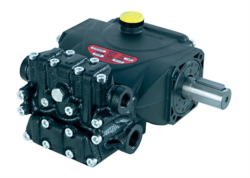
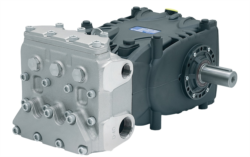
- Pump Suction Filtration: High-humidity environments accelerate rust formation in hydraulic reservoirs. Drain and replace suction filters on systems using Pratissoli KF30 or Pratissoli MW40 pumps. Inspect for water droplets in the oil—water content above 300 ppm requires immediate fluid replacement.
- Corrosion Mapping: Document rust staining on pump housings, regulator bodies, and nozzle assemblies. Southeast Asian sea-spray exposure (even 50 km inland) causes accelerated surface degradation; create a photographic baseline for trending.
Mid-Season Maintenance (July–August)
During peak cooling load and humidity:
- Pressure Monitoring Logs: Establish daily pressure readings at the regulator outlet. Unexplained pressure drift (±5% variance) signals diaphragm wear or internal leakage—both common in high-humidity operation.
- Nozzle Performance Verification: The Euspray flat jet nozzle can develop moisture-induced clogging in its 25° spray pattern. Conduct visual spray pattern inspections weekly; compare against baseline photographs taken at commissioning.
- Pump Flow Rate Confirmation: Use flow meter readings on KF30 (expect 106 L/min at rated conditions) and MW40 (expect 211 L/min) systems. Flow degradation of >10% indicates internal clearance growth from moisture-accelerated wear.
- Vibration Trending: Establish quarterly vibration baselines on pump mounting points. Tropical temperature cycling stresses bearing preload; early detection prevents catastrophic failure.
Post-Monsoon Restoration (September–October)
After heavy moisture exposure:
- Desiccant Cartridge Renewal: Replace regulator vent desiccant cartridges in the Francel B25/37mb immediately post-monsoon. Saturated desiccant allows moisture into the spring chamber, causing reliability degradation.
- Fluid Analysis: Conduct laboratory analysis of hydraulic oil from Interpump PUMP E1D1808 L and larger pump systems. Test for water content, acid number (TAN), and particulate count. Moisture above 500 ppm requires complete system flushing.
- Electrical Component Inspection: Check solenoid valve coils and pressure transducer connectors for corrosion. The salt-air environment accelerates contact oxidation; protective conformal coatings may require renewal.
- System Pressure Baseline Reset: After monsoon season, re-establish your pressure regulator settings. Thermal expansion and diaphragm relaxation typically shift outlet pressure by 1–3 mbar; recalibrate using certified test equipment.
Component-Specific Maintenance & Service Protocols
Pressure Regulators in High-Humidity Environments
The Francel B25/37mb pressure regulator with integrated safety relief is a critical Maintenance & Service focal point. In Southeast Asian conditions:
- Diaphragm Condition Monitoring: Schedule annual diaphragm inspection. Tropical moisture causes micro-corrosion on the diaphragm surface, creating stress concentration points. Visual inspection under magnification (10×) can reveal early degradation before failure.
- Spring Stress Relief: Remove the regulator from service for 48 hours every six months, releasing spring preload. This practice prevents permanent set in the Belleville stack, extending regulator life by 30–40% in high-humidity regions.
- Vent Port Maintenance: The 10 mm vent size on the Francel unit can accumulate salt deposits in sea-spray zones. Monthly vent clearing with compressed air (filtered to ISO 4406 16/14/11 or better) prevents backpressure accumulation.
- Outlet Pressure Verification: Monthly calibration against a certified 0–10 bar test gauge confirms the 37 mbar setpoint has not drifted. Acceptable drift tolerance: ±2 mbar.
Industrial Pump Maintenance & Service in Continuous-Duty HVAC Systems
High-pressure pumps like the Pratissoli KF30 (106 L/min, 200 bar) and Pratissoli MW40 (211 L/min, 210 bar) drive hydraulic-assisted HVAC heat exchangers in many Southeast Asian facilities.
Oil Change Intervals: Tropical ambient temperatures (32–40°C) accelerate oil oxidation. Reduce standard change intervals by 25%:
- KF30/MW40 systems: Change every 500 operating hours (vs. 1000 hours in temperate zones)
- Interpump E1D1808 L compact gear pumps: Change every 250 hours for continuous-duty applications
Suction Strainer Protection: Install differential pressure gauges on pump suction strainers. Clean when differential exceeds 0.3 bar—clogged strainers force pump cavitation, accelerating degradation in humid environments where water contamination is already elevated.
Nozzle and Spray System Maintenance & Service
The Euspray flat jet nozzle HP 1/4" M BSPT, 25° spray angle requires monthly attention in tropical HVAC systems:
- Spray Pattern Documentation: Photograph the spray pattern against a calibrated grid monthly. The 25° angle should remain consistent; widening or asymmetry indicates internal wear or calcium/mineral deposit accumulation.
- Orifice Inspection Protocol: Every 250 operating hours, remove the nozzle and inspect the orifice using a magnifying glass (20×). Deposits appear as white/brown crystalline buildup. Soak in citric acid solution (10% concentration, 2 hours) to dissolve mineral deposits without damaging precision surfaces.
- BSPT Connection Integrity: Tropical humidity corrosion at the 1/4" M BSPT fitting weakens thread engagement. Retorque connection points to specification after 100 operating hours; subsequent retorque at 500-hour intervals. Document torque readings to detect loosening trends.
- Backup Nozzle Stock: Maintain 2–3 spare Euspray nozzles on-site. In high-humidity zones, failure rates increase 2–3× versus temperate climates. Quick swap capability reduces customer downtime significantly.
Maintenance Records and Predictive Strategy Implementation
Digital Maintenance Tracking for HVAC Contractors
Establish a simple but comprehensive maintenance log for each system containing:
1. Component Birth Records: Capture installation date, manufacturer serial number, and operational hours at commissioning for Francel regulators, KF30/MW40 pumps, and Euspray nozzles.
2. Pressure Trend Log: Record outlet pressure readings from the regulator on a fixed schedule (weekly during cooling season). Plot pressure vs. time on a simple chart; linear degradation >5% over 1000 hours indicates diaphragm wear requiring service.
3. Oil Analysis Results: Attach laboratory reports documenting moisture content, acid number, and particle count. Tropical systems should show moisture rising incrementally; a sudden spike (>200 ppm increase in one test cycle) signals a seal failure that requires investigation.
4. Service Activity Log: Document every maintenance action—filter changes, vent cleaning, nozzle inspection—with date, technician name, parts replaced, and findings. This historical record accelerates diagnosis when problems arise.
Predictive Maintenance Indicators Specific to Southeast Asia
Monitor these early-warning signs that precede component failure:
- Regulator noise changes: Increased hissing or chattering from the Francel B25/37mb safety relief indicates diaphragm flutter from moisture ingress; schedule immediate service.
- Nozzle flow asymmetry: The Euspray flat jet nozzle with a 25° angle shows unequal spray halves when calcium deposits clog internal passages; this is reversible if caught early.
- Pump temperature rise: Bearing temperatures on KF30 or MW40 systems climbing >3°C per week during stable operating conditions signal developing failure; inspect seals immediately.
- Pressure oscillation: Regulator outlet pressure fluctuating ±10 mbar instead of holding steady reveals failing pilot circuit; pilot drain lines require cleaning or component replacement.
With 35 years of regional experience, 3G Electric has observed that contractors implementing systematic Maintenance & Service tracking reduce unplanned downtime by 60–70% in Southeast Asian climates compared to reactive repair approaches.
Regional Compliance and System Documentation
Southeast Asian countries increasingly require pressure equipment certification and maintenance records for commercial HVAC systems. Maintain:
- Pressure Equipment Directive (PED) compliance documentation for systems operating above 0.5 L × bar (relevant for regulated regulators like the Francel B25/37mb)
- Thermal efficiency audit records showing regulator settings and nozzle performance metrics
- Equipment serial number registry linked to maintenance records for warranty and recall tracking
- Refrigerant system service records if your HVAC systems integrate refrigeration circuits with hydraulic pressure components
As your regional industrial equipment supplier for over 35 years, 3G Electric supports these compliance needs through detailed product documentation and service guidance resources available to all contractors in our network.