Introduction: Strategic Approach to Maintenance & Service in Industrial Operations
Maintenance & Service represents one of the most critical yet frequently underestimated aspects of industrial equipment management. For procurement engineers, the challenge extends beyond initial equipment selection to encompassing a comprehensive lifecycle management approach that balances operational reliability, cost efficiency, and regulatory compliance.
With over 35 years of experience as an global industrial equipment distributor, 3G Electric has observed that organizations achieving the highest equipment reliability rates implement predictive Maintenance & Service strategies rather than reactive repair models. This approach requires understanding equipment degradation patterns, establishing precise service intervals, and maintaining accurate component inventories before failures occur.
Unlike traditional time-based or run-hour-based maintenance schedules, modern predictive Maintenance & Service relies on system diagnostics, performance monitoring, and component condition assessment. Procurement engineers must transition from viewing maintenance as a cost center to recognizing it as a strategic investment in operational continuity.
Section 1: Diagnostic Protocols and Condition Monitoring for Predictive Maintenance & Service
System Baseline Documentation
Effective Maintenance & Service begins before equipment installation. Procurement engineers should establish comprehensive baseline documentation including manufacturer specifications, performance curves, electrical parameters, and hydraulic/pneumatic pressure ratings. This baseline serves as the reference standard for all subsequent diagnostic measurements.
For complex systems involving multiple components—such as burner assemblies with modulation capabilities and fuel supply networks—baseline documentation must capture:
- Operating pressure ranges and actual field measurements
- Temperature profiles across critical monitoring points
- Electrical consumption signatures
- Vibration baseline measurements
- Fuel quality specifications and actual consumption rates
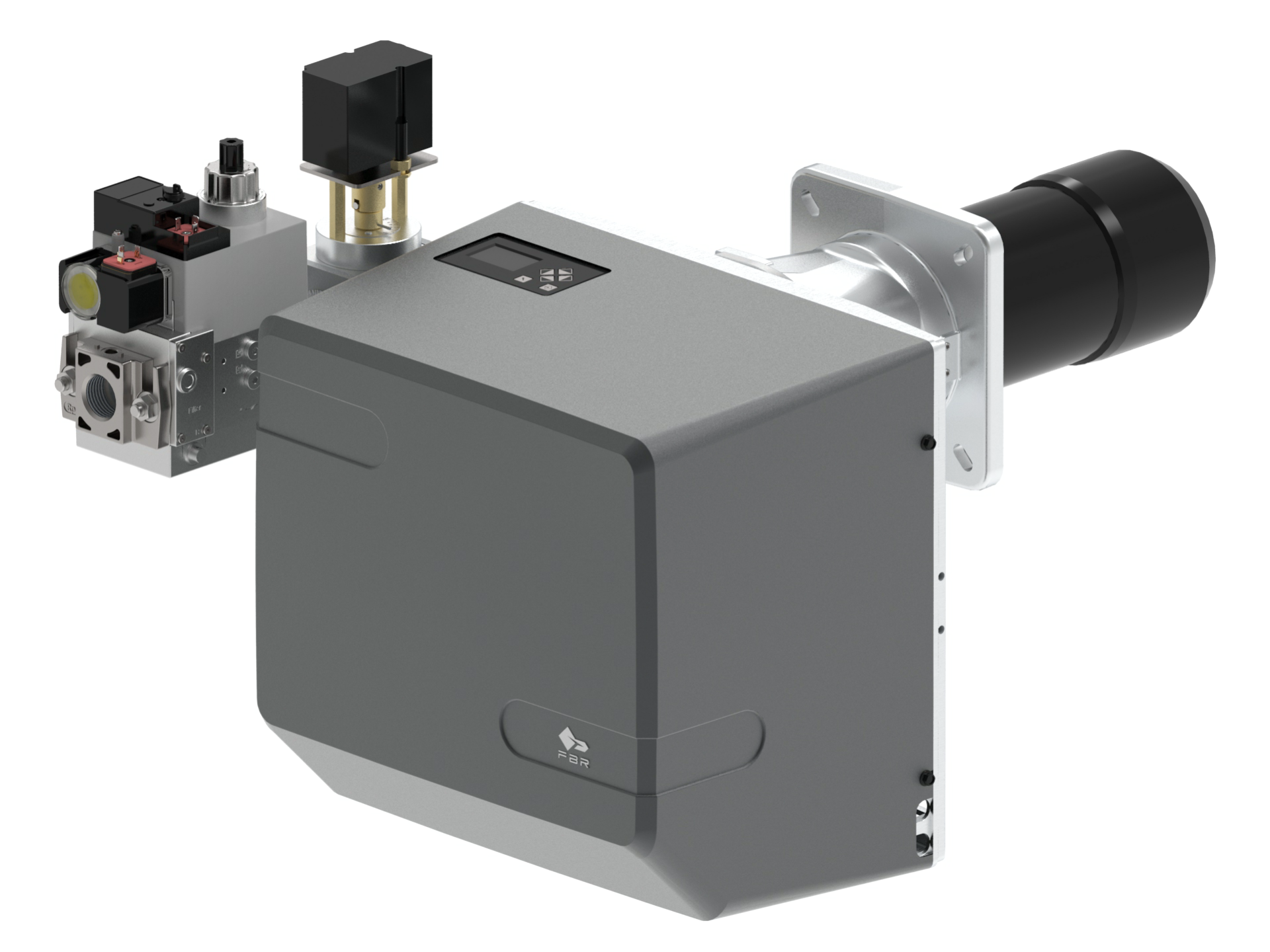
When implementing Maintenance & Service protocols for gas burner systems, the FBR GAS X5/MF TL EL VC LPG modulating burner requires specific baseline parameters including pilot pressure stability, modulation control signal response times, and flame quality indicators. These measurements should be recorded within the first 50 operating hours and serve as reference points for the equipment's five-to-ten-year operational life.
Diagnostic Monitoring Parameters
Procurement engineers implementing Maintenance & Service programs must identify key performance indicators (KPIs) that indicate equipment degradation. For fuel supply systems and pressurization equipment, critical KPIs include:
Pressure System Diagnostics:
- Expansion tank pre-charge pressure verification using dedicated diagnostic tools
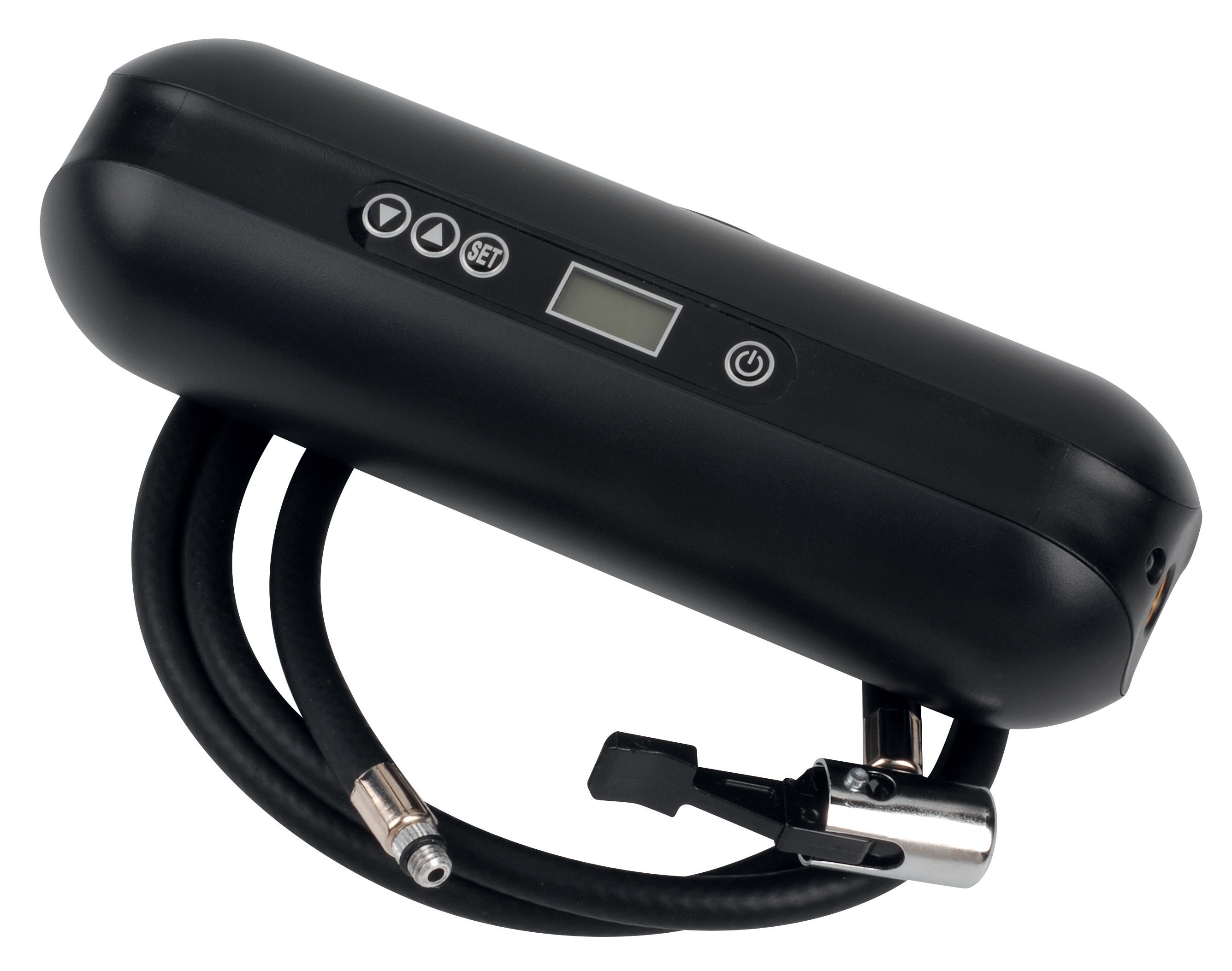
- The CBM Expansion tank inflator battery 2000 mAH enables field personnel to perform pre-charge pressure checks without equipment shutdown, representing significant Maintenance & Service efficiency gains
- Pressure drop rates across filters and strainers, indicating contamination accumulation
- System response time to pressure demand changes
- Particulate contamination levels in storage tanks
- Water content in fuel supplies (critical for diesel and heavy fuel oil systems)
- Viscosity changes indicating fuel degradation or contamination
- Sediment accumulation rates in tank bottoms
- Alarm threshold accuracy testing on fuel level and system shutdown devices
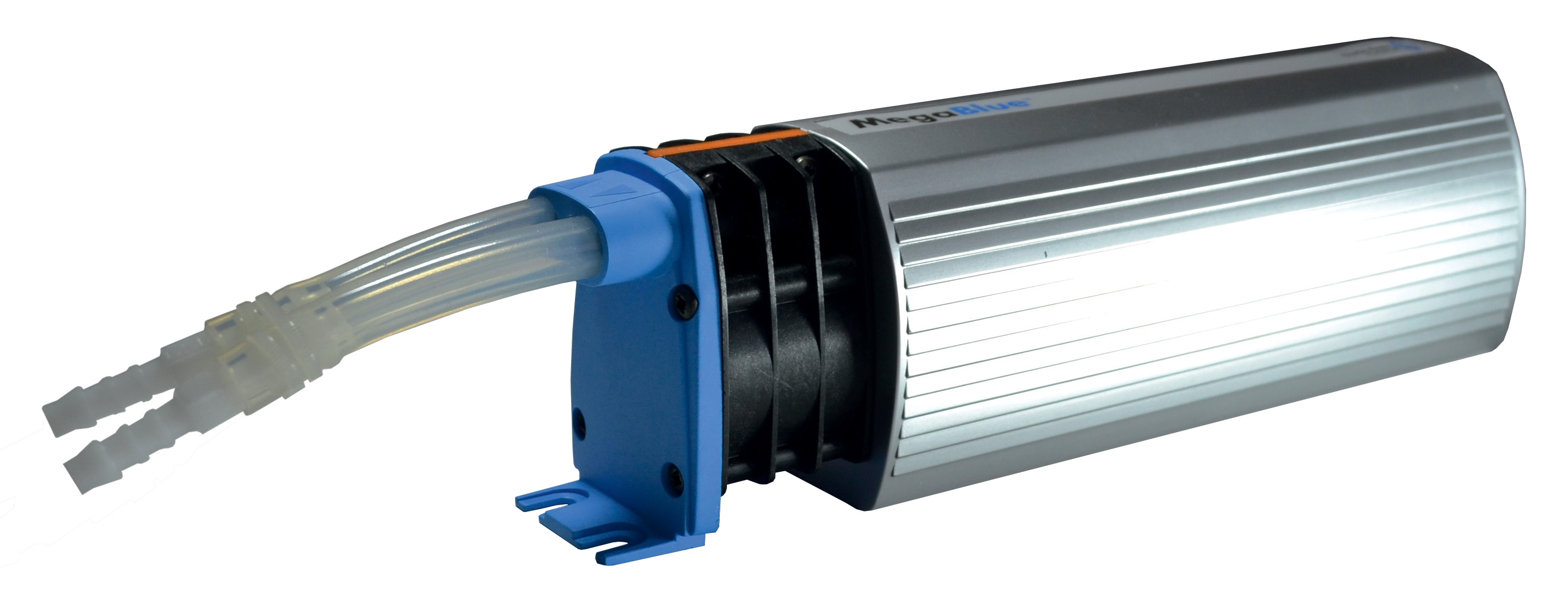
- The CBM Megablue reservoir alarm + shut-off X87-813 should be tested monthly to verify alarm functionality and shut-off valve response times
- Emergency shut-down valve response times
Remote Monitoring and Data Collection
Modern Maintenance & Service strategies incorporate remote monitoring systems that collect continuous operational data. Procurement engineers should evaluate equipment offerings that support SCADA integration, IoT sensors, or cloud-based performance analytics. These systems identify degradation trends before they result in equipment failure, enabling proactive component replacement during planned maintenance windows rather than emergency situations.
For modulating burner systems like the FBR GAS X5/MF TL EL VC LPG, remote monitoring should capture combustion control signals, flame signal strength, and modulation command variations. Trends indicating increasing signal noise or slower modulation response indicate diagnostic opportunities for nozzle inspection or control system recalibration.
Section 2: Component-Specific Maintenance & Service Intervals and Replacement Protocols
Combustion System Component Management
The combustion system represents the most critical Maintenance & Service domain because component degradation directly impacts safety, efficiency, and emissions compliance. Flat jet nozzles—essential components in pressure-atomized burner systems—require rigorous Maintenance & Service protocols.
Nozzle Inspection and Service Schedules:
Procurement engineers must understand that nozzles do not fail uniformly. The CBM Flat jet nozzle HP 1/4"M BSPT index 25 angle 15° and CBM Flat jet nozzle HP 1/4"M BSPT index 055 angle 15° operate under extreme thermal and mechanical stress. Recommended Maintenance & Service intervals depend on multiple variables:
- Fuel type and quality (heavy fuel oil requires more frequent cleaning than diesel)
- Operating temperature (burner wall temperature affects nozzle degradation rate)
- Combustion air quality (dust and contamination increase wear)
- Operating hours and duty cycle
For critical applications, nozzle examination should occur every 500-1000 operating hours. Visual inspection checks for:
- Carbon buildup on the orifice plate
- Erosion patterns indicating asymmetric spray formation
- Clogging indicating fuel supply contamination
- Swelling or deformation suggesting thermal stress beyond design parameters
When nozzles show 10-15% reduction in rated capacity (measured through flow testing) or visible orifice erosion, replacement becomes more cost-effective than cleaning. Maintaining a rotating inventory of replacement nozzles with various flow indices enables rapid component substitution during Maintenance & Service windows, minimizing production interruption.
Burner System Component Service:
The FBR GAS X5/MF TL EL VC LPG burner system requires integrated Maintenance & Service covering multiple subsystems:
- Air/fuel ratio verification through combustion analysis (O₂, CO, CO₂ measurements)
- Control transformer and solenoid valve inspection for electrical continuity and proper grounding
- Fan motor bearing lubrication following manufacturer specifications
- Ignition electrode cleaning and gap verification
- Air intake filter inspection and replacement (typically 500-2000 operating hours depending on ambient conditions)
Fuel Supply System Maintenance & Service
Fuel storage and supply systems accumulate contamination through normal operation. Procurement engineers should implement quarterly Maintenance & Service inspections for storage tanks containing particulate traps and strainers. Pressure drops exceeding 0.5 bar across filter elements indicate replacement necessity.
The CBM Megablue reservoir alarm + shut-off X87-813 incorporates multiple Maintenance & Service functions: fuel level monitoring, contamination detection through conductivity sensing, and emergency shut-off capability. Testing protocols should verify:
- Alarm activation accuracy at programmed fuel levels
- Shut-off valve response time (typically <2 seconds)
- Probe electrode cleanliness and electrical continuity
- Battery backup functionality for safety-critical operations
Pressure System Maintenance & Service
Expansion tanks and pressurization systems require biannual Maintenance & Service verification. Pre-charge pressure affects entire system performance and safety. The CBM Expansion tank inflator battery 2000 mAH enables field Maintenance & Service without equipment shutdown, allowing technicians to:
- Verify pre-charge pressure remains within ±0.2 bar of design specification
- Adjust pre-charge pressure if drift exceeds tolerances
- Test pressure relief valve opening points
- Document pressure history for trend analysis
Loss of pre-charge pressure indicates internal bladder degradation, necessitating tank replacement. The diagnostic capability provided by dedicated inflator tools prevents catastrophic failures while optimizing maintenance scheduling.
Section 3: Maintenance & Service Planning, Documentation, and Cost Optimization
Integrated Maintenance & Service Planning Framework
Procurement engineers responsible for equipment lifecycle management should implement structured Maintenance & Service planning that coordinates multiple maintenance types:
Preventive Maintenance & Service: Scheduled activities based on time or operating hours (annual nozzle cleaning, quarterly filter inspections)
Predictive Maintenance & Service: Condition-based interventions triggered by diagnostic data (nozzle replacement when flow capacity drops 15%, expansion tank service when pre-charge drifts >5%)
Corrective Maintenance & Service: Unplanned repairs following component failure
Regulatory Compliance Maintenance & Service: Required inspections per environmental or safety standards (annual emissions testing, safety relief valve certification)
Effective programs minimize corrective maintenance through robust preventive and predictive protocols. Organizations achieving <15% unplanned maintenance demonstrate superior overall equipment effectiveness (OEE) compared to peers operating at 35-45% unplanned intervention rates.
Maintenance & Service Documentation and Knowledge Management
Systematic documentation enables continuous Maintenance & Service improvement. Procurement engineers should establish standardized documentation capturing:
- Component serial numbers and installation dates
- Scheduled service dates and actual completion timestamps
- Diagnostic measurements and historical trends
- Parts inventory and replacement part costs
- Technician work hours and labor costs
- Equipment downtime duration and operational impact
This historical data enables predictive analytics, identifying components with higher-than-expected failure rates or service intervals requiring adjustment. Over three decades, 3G Electric has observed that organizations maintaining detailed Maintenance & Service records reduce unplanned downtime by 30-40% compared to those relying on technician memory or generic manufacturer recommendations.
Supply Chain Optimization for Maintenance & Service
Procurement engineers must balance inventory investment against equipment availability during maintenance windows. Critical components requiring longer lead times should maintain safety stock:
- Two to three replacement nozzles of each commonly used type
- One replacement expansion tank and associated inflator equipment
- Backup burner control transformers and solenoid valves
- Complete air filter assemblies for each equipment model
Establishing vendor relationships with distributors like 3G Electric ensures access to genuine components and technical support during urgent Maintenance & Service situations. Genuine components ensure performance specifications, warranty coverage, and safety certification compliance, whereas counterfeit or compatibility-uncertain parts introduce operational risk and potential liability exposure.
Cost-Benefit Analysis of Maintenance & Service Investment
Calculating true Maintenance & Service costs requires understanding both direct expenses (parts, labor, specialized tools) and indirect costs (production downtime, safety risks, regulatory penalties). Organizations implementing comprehensive Maintenance & Service programs typically experience:
- 25-35% reduction in unplanned equipment shutdowns
- 15-25% improvement in energy efficiency through optimized combustion parameters
- 40-50% extension of component lifespan through early degradation detection
- 100% compliance with emissions and safety regulations, eliminating fine exposure
These improvements typically justify Maintenance & Service investments within 12-24 months while establishing foundation for sustained operational excellence.
Section 4: Technical Partnerships and Continuous Improvement in Maintenance & Service Operations
Engaging Distributors in Maintenance & Service Strategy
experienced equipment distributors provide value beyond component supply. 3G Electric's 35+ years serving global industrial operations enables partnership approaches that strengthen Maintenance & Service programs:
- Technical consultation during equipment specification, identifying components critical to Maintenance & Service success
- Training programs for internal technicians on diagnostic procedures and component replacement protocols
- Predictive analytics support, interpreting diagnostic data trends and recommending service timing
- Emergency support during equipment failures, providing rapid component availability and technical guidance
Continuous Improvement and Adaptive Maintenance & Service
Maintenance & Service strategies require periodic review and adaptation as equipment ages and operational conditions evolve. Quarterly reviews analyzing Maintenance & Service data should address:
- Components exceeding planned service intervals (indicating specification issues or operational environment changes)
- Recurring problems suggesting root cause opportunities
- Emerging technologies enabling improved diagnostic capabilities
- Changing regulatory requirements affecting compliance protocols
- Safety incidents or near-misses indicating Maintenance & Service program gaps
Organizations viewing Maintenance & Service as dynamic rather than static achieve superior long-term reliability and cost efficiency.